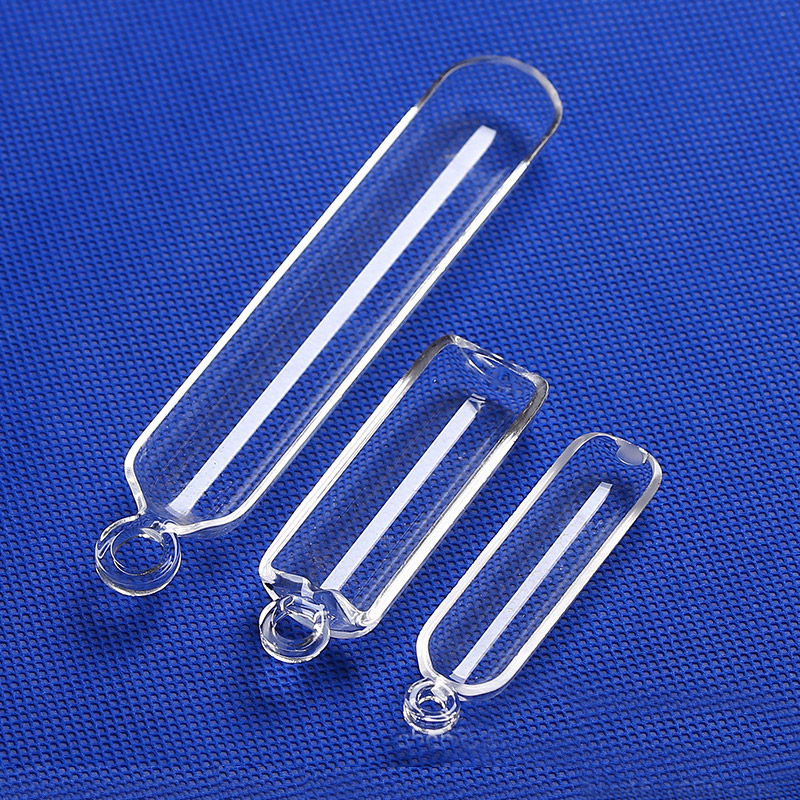
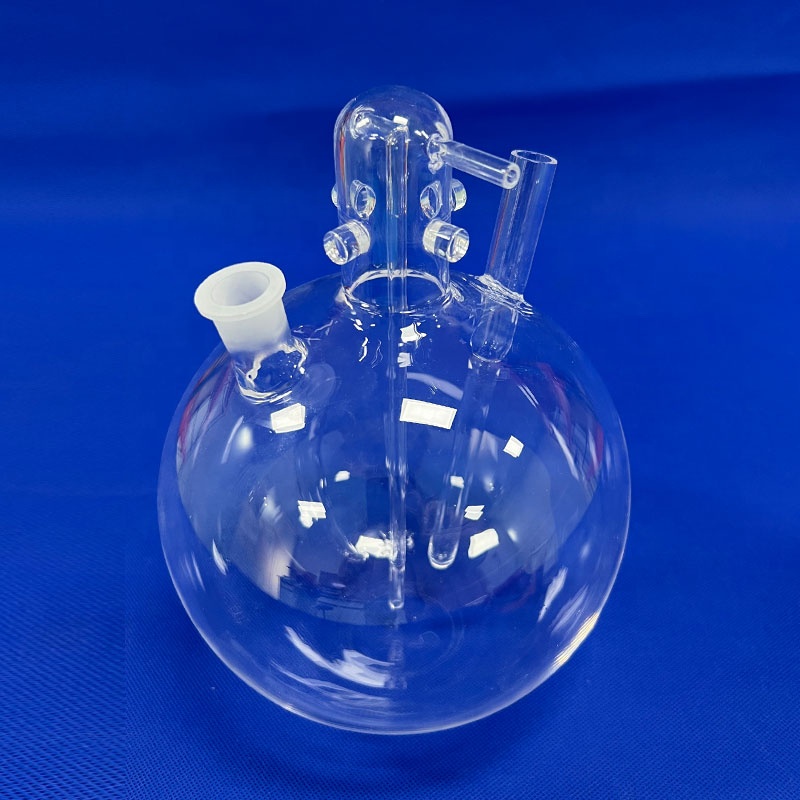
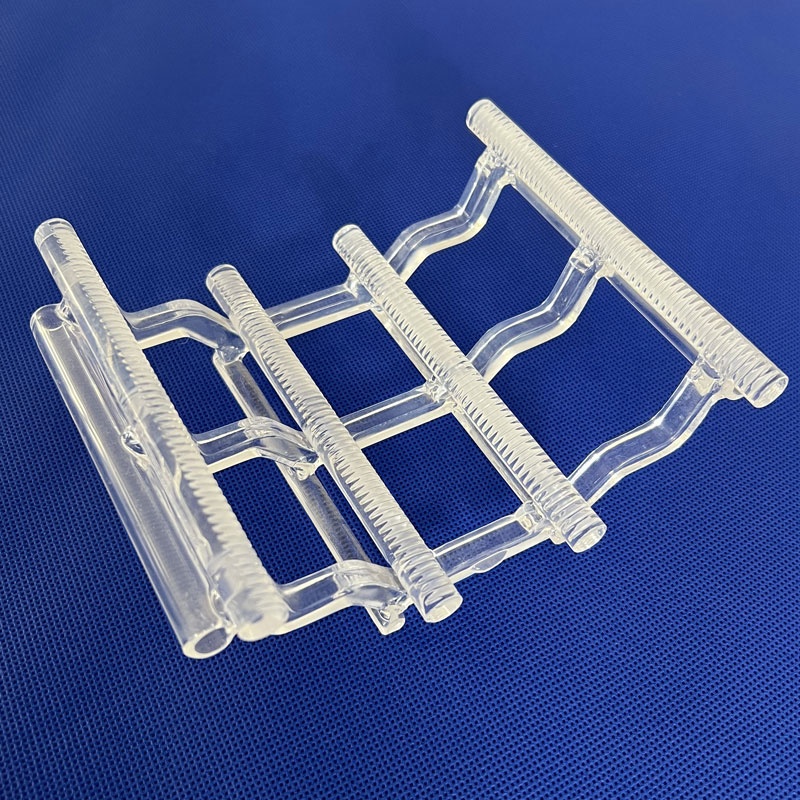
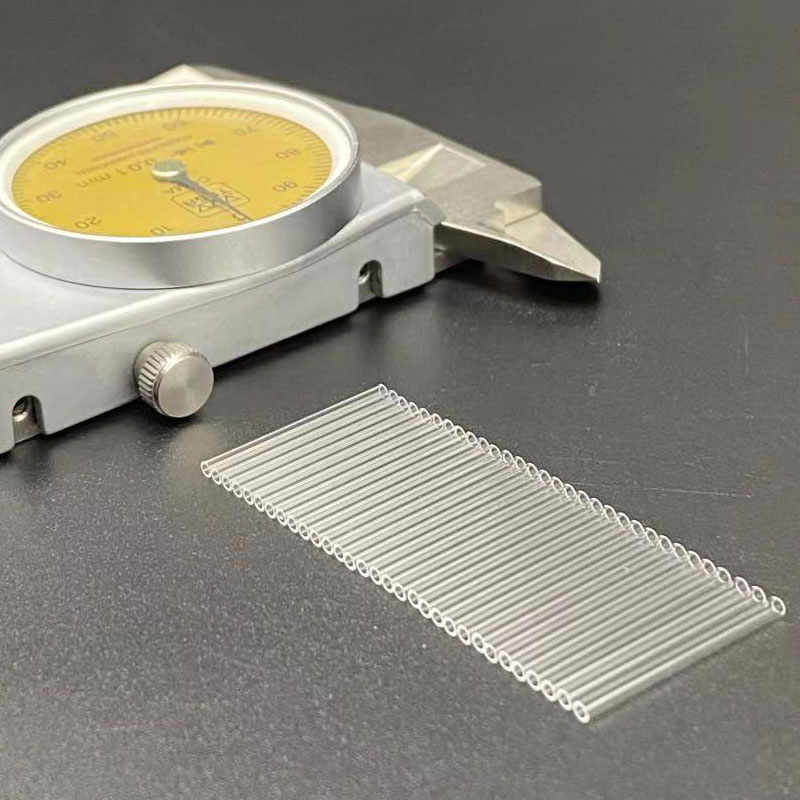
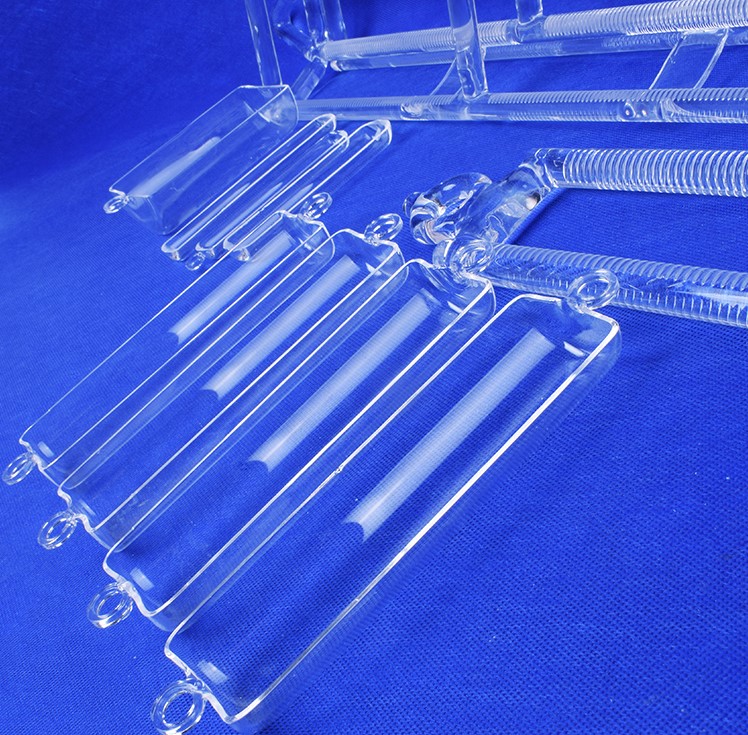
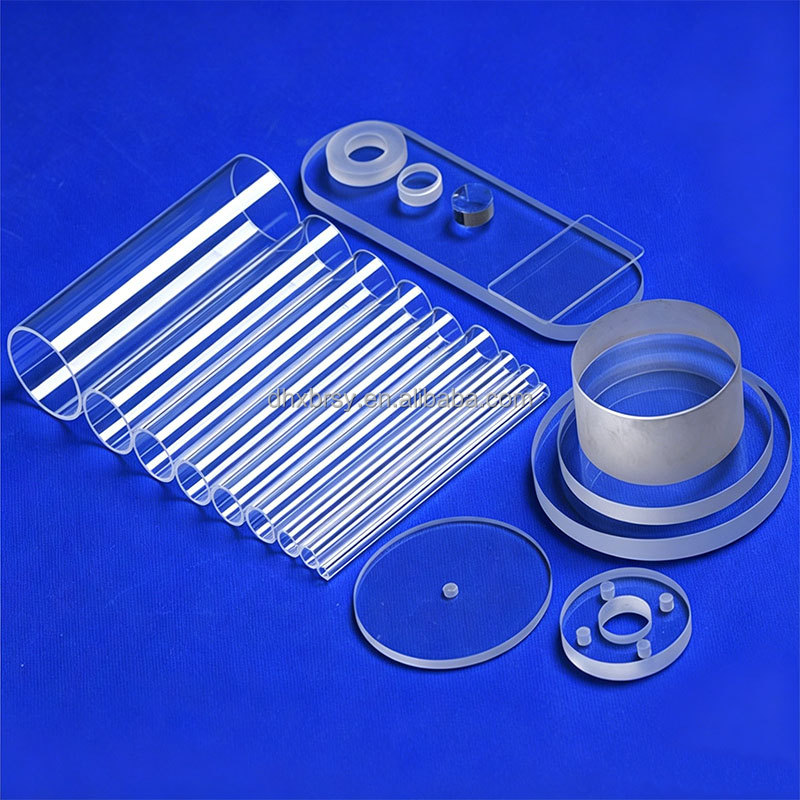
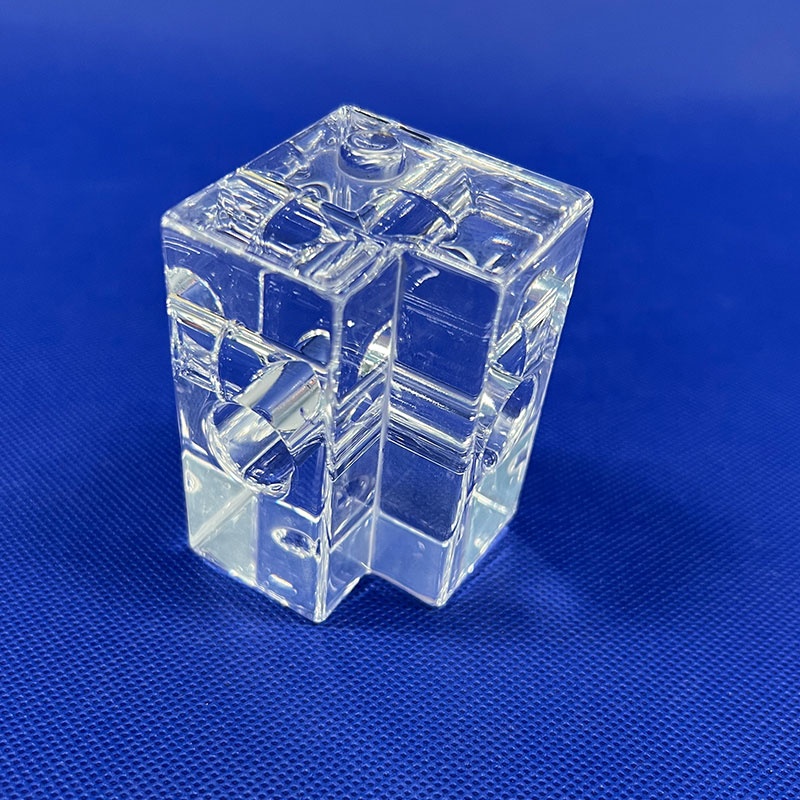
Precision-drawn, laser-cut, and polarization-tested quartz boats, plates, and thermal reactors designed for robust performance in corrosive and high-temperature operating conditions.
Why chemical inertness, low thermal expansion, and precision annealing dictate equipment longevity under severe thermal cycling.
In high-temperature and reactive laboratory or manufacturing environments, standard borosilicate glassware and structural ceramics routinely fall short. Fused quartz trays, crucibles, and wafer boats engineered by Lovri Quartz provide exceptional thermal, physical, and chemical resilience. With an extremely low coefficient of thermal expansion (α ≈ 5.5 × 10⁻⁷ / °C between 20°C and 300°C), our quartz trays resist thermal shock under immediate temperature deltas exceeding 1000°C. An engineer can withdraw a glowing quartz combustion boat from an 1150°C furnace directly into ambient air without risk of micro-fracturing or volumetric deformation.
Our raw material purification process removes trace transition metals—including iron (Fe), sodium (Na), potassium (K), and copper (Cu)—to yield a pure silica matrix of ≥ 99.99% SiO&sub2;. This level of chemical isolation prevents devitrification (the phase transition from amorphous silica to crystalline cristobalite) at elevated operating ranges, extending structural service lifetimes even during continuous calcination, metal smelting, and aggressive acid evaporation.
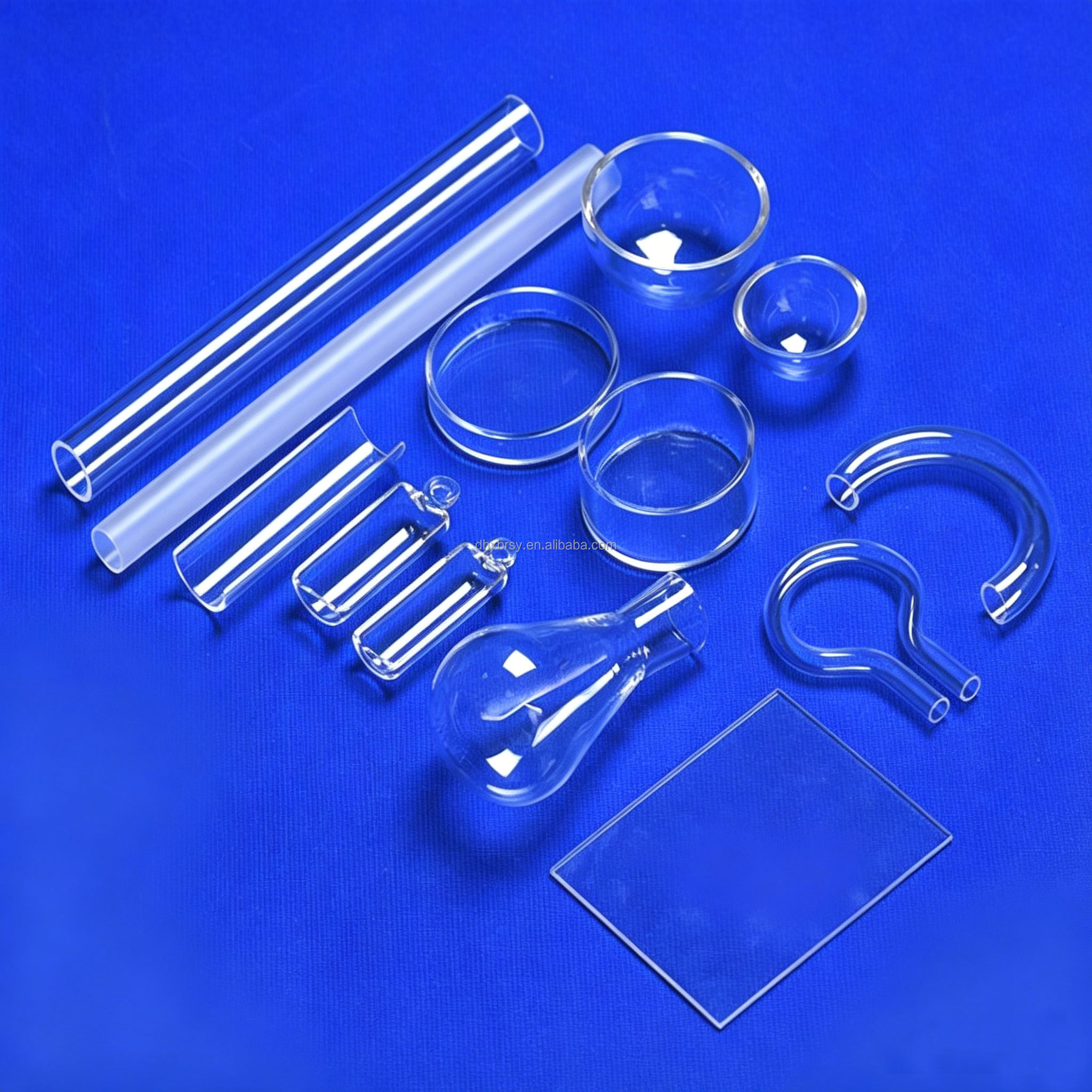
| Physical / Chemical Property | Technical Metric (SI) | Significance for Industrial & Lab Operations |
|---|---|---|
| Silica Purity (SiO&sub2;) | ≥ 99.99% (Optical / Semi Grade) | Eliminates sample contamination; protects furnace element life |
| Continuous Service Temperature | 1100°C to 1150°C | Ideal for high-heat tube furnaces, ash testing, and sintering |
| Short-Term Softening Point | ≈ 1730°C (Annealing ≈ 1215°C) | Prevents structural sagging or creep under high mechanical load |
| Coefficient of Thermal Expansion | 5.5 × 10⁻⁷ cm/cm·°C | Superior shock resistance; handles rapid heating and water quenching |
| Corrosion Resistance | Inert to HCl, HNO&sub3;, H&sub2;SO&sub4;, Aqua Regia | Zero leaching during trace-element digestions or acid calcination |
| Dielectric Strength | 25 – 40 kV/mm (at 20°C) | Functions as a reliable electrical insulator inside high-voltage reactors |
Solving unique regional environmental and manufacturing challenges with durable silica solutions.
Haitian agricultural distilleries and sugar processing facilities require rigorous quality control testing for sulfur residues, volatile acid profiles, and mineral ash content.
Potable water availability remains a critical priority in Port-au-Prince, Cap-Haïtien, and municipal development initiatives requiring resilient ultraviolet treatment systems.
Medical pathology units, NGO clinical stations, and university research facilities in Haiti require durable, sterilizable vessels for analytical workflows.
Strategic transitions from disposable glassware to ultra-durable quartz equipment across regional supply networks.
Across the Caribbean, procurement directors are actively optimizing replacement life cycles. In Haiti, volatile supply chains, fluctuating customs clearance intervals, and elevated international shipping costs make fragile, short-lived borosilicate glass a costly liability. Laboratory and production operations are moving away from frequent glass re-orders in favor of high-durability fused quartz alternatives.
Additionally, independent solar installations and localized off-grid thermal arrays are driving demand for rugged heat-collection sleeves and quartz-sheathed infrared elements. Industrial plants in the Ouanaminthe and Caracol industrial parks are upgrading to high-purity quartz carriers for precision annealing and component coating lines. Working directly with an SGS-verified manufacturer allows Haitian facilities to order customized tray geometries that integrate seamlessly into their current production setups, avoiding costly modifications to imported machinery.
End-to-end quality control, from raw silica preparation to certified cleanroom export packaging.
We process natural quartz lumps in-house through crushing, sizing, and multi-stage acid pickling to maintain strict control over metallic impurity levels.
Our machining workshop features multi-axis CNC milling, diamond cutting, precision drilling, and automated fire-polishing to produce complex geometric forms.
Fragile quartz equipment requires reliable packaging for international sea and air transit to Caribbean entry points like Port-au-Prince and Cap-Haïtien.
Clear guidance on shipping logistics, custom engineering, material grades, and payment options for Haitian businesses.
Every fabricated quartz item is cleaned, sealed in shock-absorbing bubble envelopes, and set within bespoke high-density PE cutouts inside export-grade wooden cases. Our packing workflows are optimized for multi-leg air freight to Toussaint Louverture International Airport (PAP) or containerized sea freight entering Port-au-Prince / Lafito ports, ensuring zero-breakage delivery.
JGS1 is synthetic fused silica offering superior deep ultraviolet transmission down to 185 nm, making it essential for UV curing, analytical spectroscopy, and laser systems. JGS2 is flame-fused silica serving general optical and sight-glass needs (220–2500 nm). JGS3 is electrically fused quartz with extended infrared transmission up to 3500 nm, commonly used in high-efficiency thermal shields and IR heating arrays.
Yes. Our engineering department regularly works with dimensional drawings in PDF, AutoCAD (DWG/DXF), and SolidWorks (STEP/IGES) formats. We provide free manufacturability reviews, suggest tolerance adjustments for thermal stress relief, and manufacture small-batch prototypes with an accessible 1-piece minimum order quantity.
Fused silica exhibits exceptional chemical stability, remaining inert to almost all organic and mineral acids—including boiling sulfuric, nitric, and hydrochloric acids. The only chemical exceptions are hydrofluoric acid (HF) and concentrated phosphoric acid at sustained temperatures above 300°C, making it a reliable material choice for acid digestions and industrial chemical processing.
We routinely work with Caribbean partners under FOB, CIF Port-au-Prince, and DDU/DAP delivery arrangements via verified air couriers (DHL, FedEx, UPS) and commercial sea freight carriers. Standard export payments are settled via international telegraphic transfer (T/T) and documentary Letters of Credit (L/C), accompanied by SGS material inspections and full customs clearance paperwork.
Send our applications engineering team your custom dimensions, operating temperature criteria, or technical component drawings. We will deliver a complete manufacturability assessment and competitive factory-direct quote within 24 hours.
Contact Us