Certified Fused Quartz Apparatus & Specialized Vials
Supplying research laboratories, photonics developers, and industrial manufacturing plants throughout Valencia, Paterna, and Sagunto with tested, stress-annealed fused quartz components.
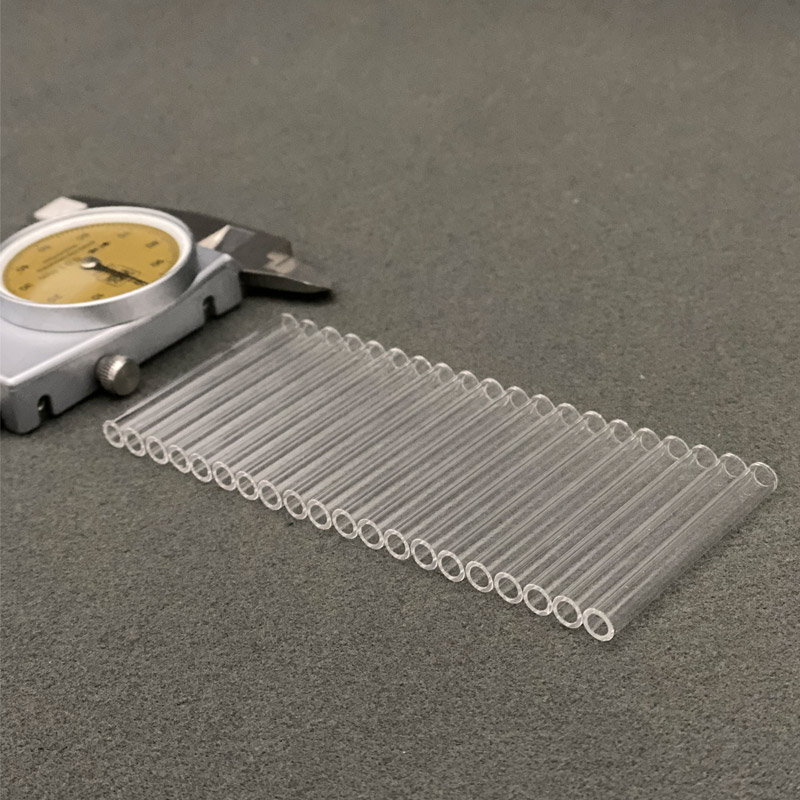
BAO RAN 419 Fused Quartz Capillary Tube (SiO2 99.99% 200 Mesh 75m Annealed 1200C ROHS Certified) Laser Machinery
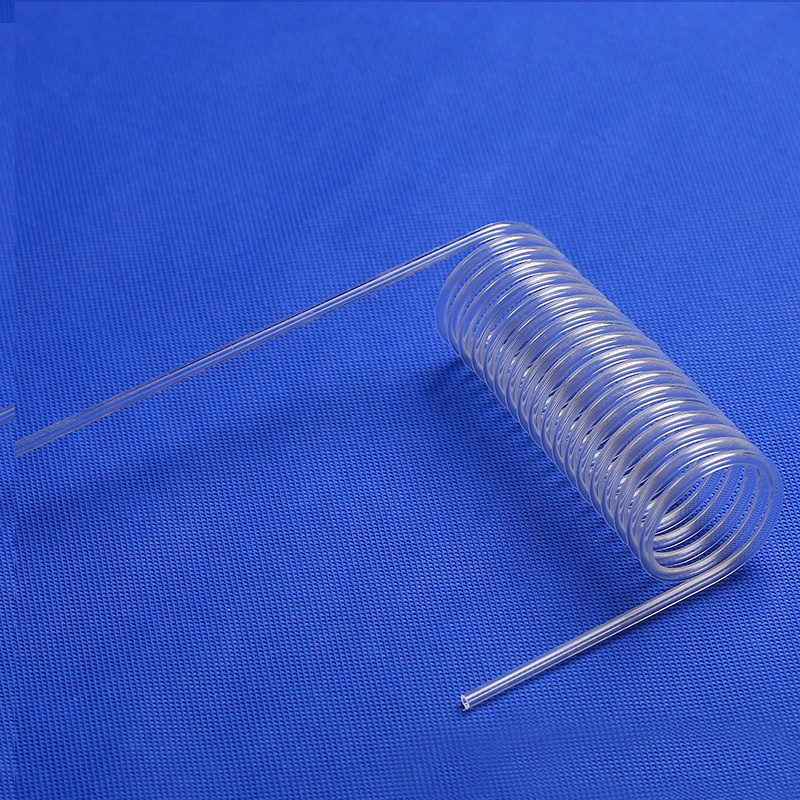
Yellow Clear High Purity Fused Quartz Spiral Tube for Laser Beauty Equipment Bending/Welding/Cutting Services ROHS Certified
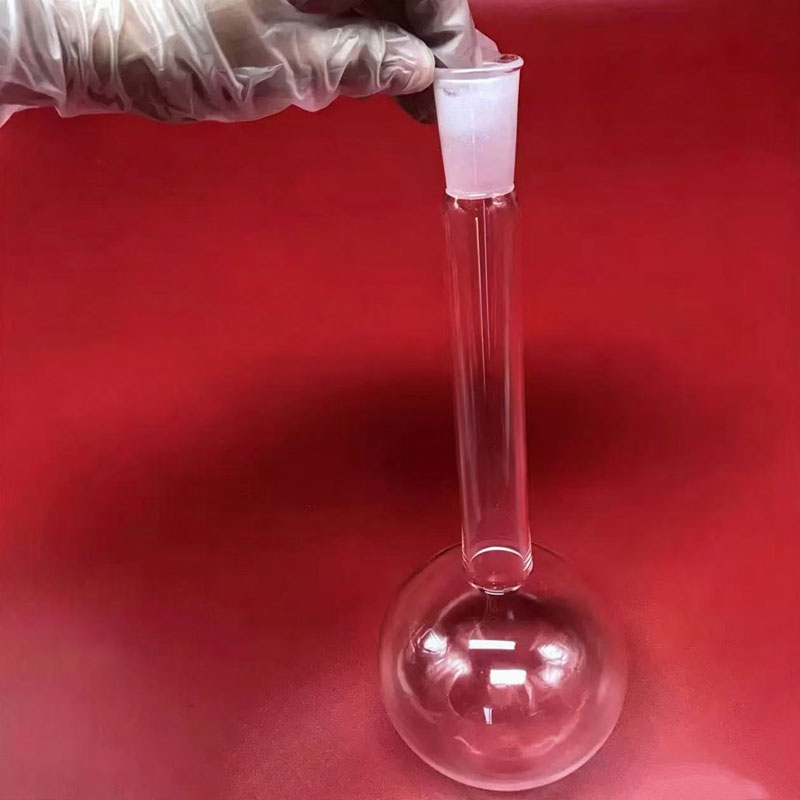
99.99% High-purity SiO2 High-temperature Resistant 1200-degree Corrosion-resistant ROHS Certified Quartz Glass Long-neck Flask
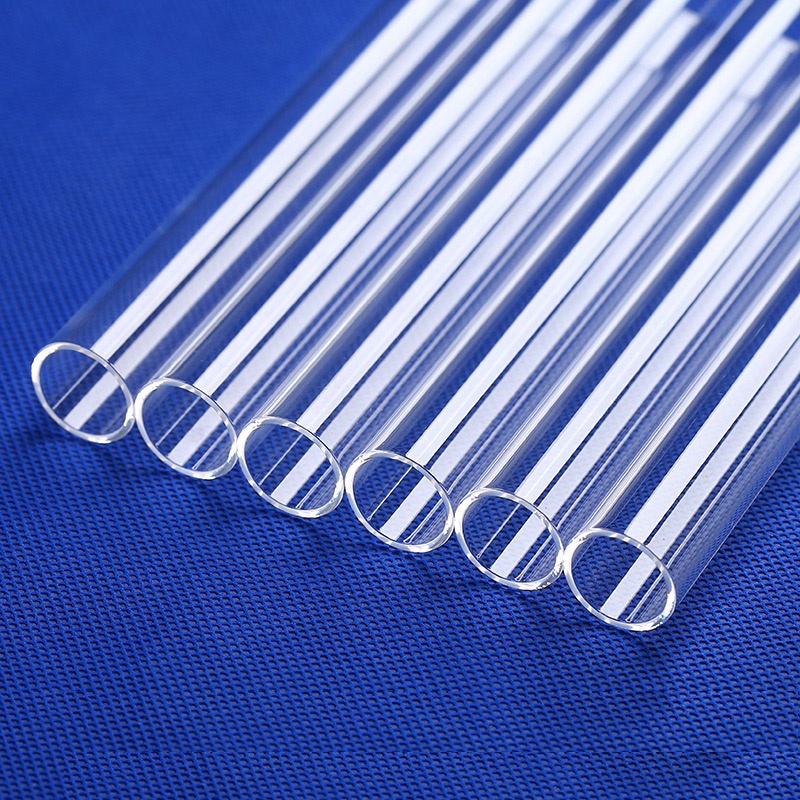
High Precision Clear Quartz Glass Tubing OD 10mm/14mm/20mm Heat Resistant Semiconductor Cleaning Pipeline Welding Bending
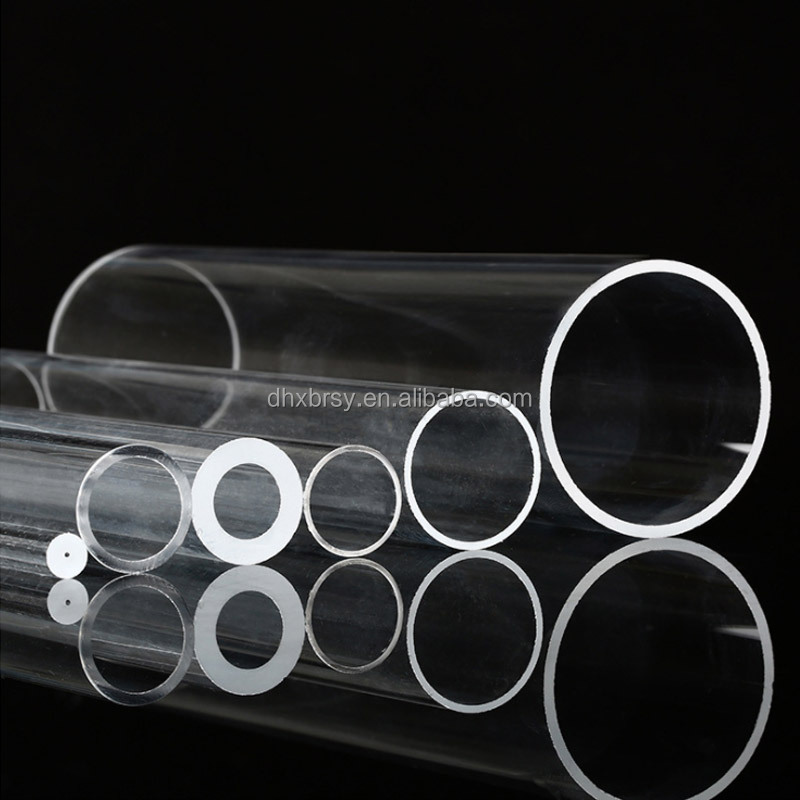
BAO RAN SiO2 Heating Quartz Tube for Disinfection Cabinets Small Industrial Drying & Cavity Use Coffee Makers Water Dispensers
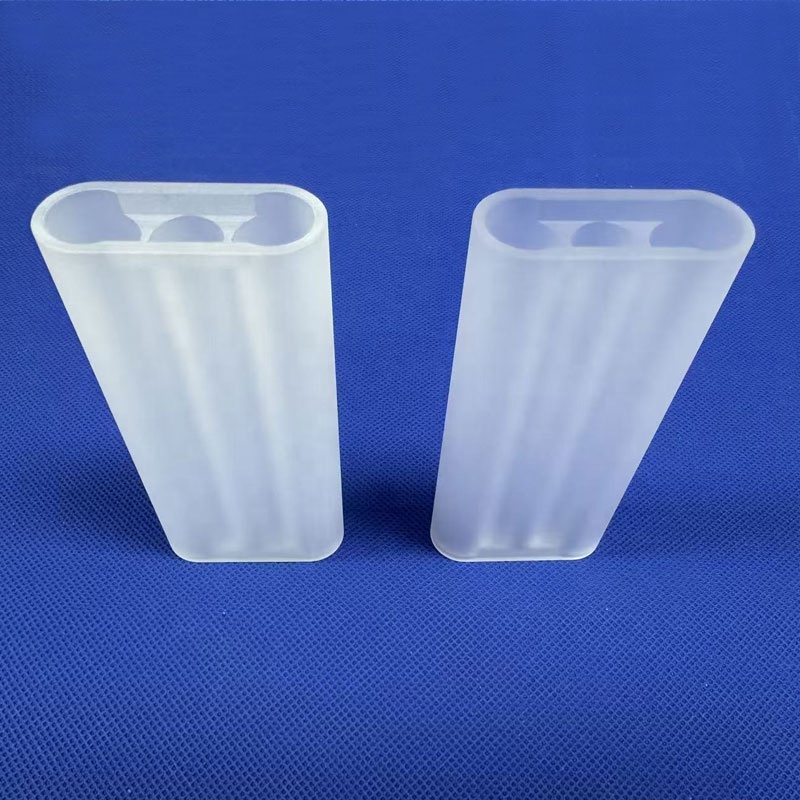
BRO RAN High Precision Triple Bore Quartz Glass (SiO2) 200 Mesh Laser Cavity Flow Tube for GentleYag/GentleMax Hair Removal

Customized Clear Quartz Glass Tube Fused Silica Test Tube One End Closed Bottom Premium Quality SiO2 Semiconductor Manufacturing
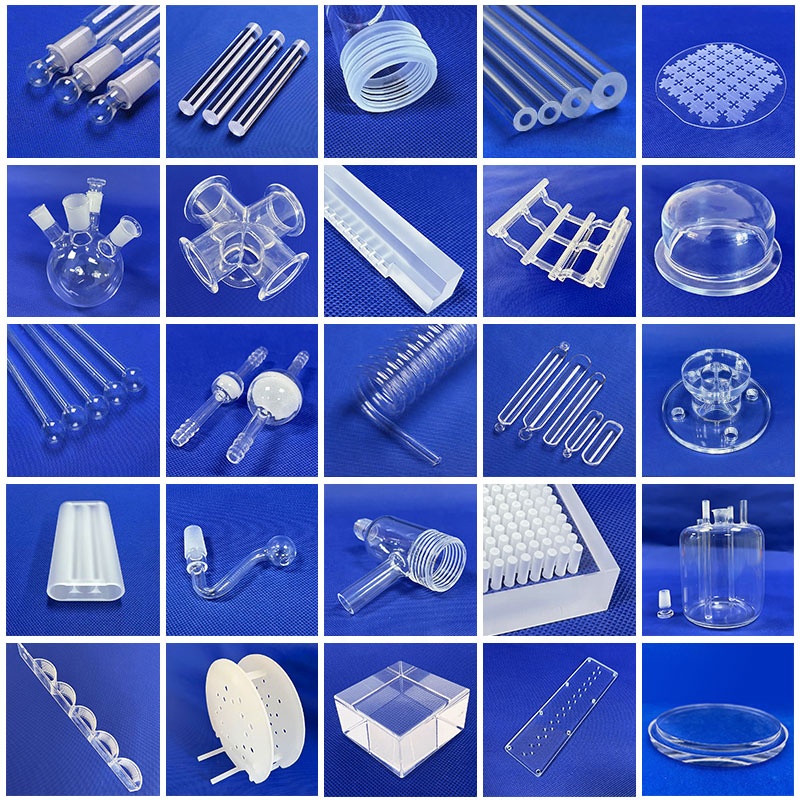
BAO RAN 419 Corrosion Resistant High Light Transmittance Double Sided Polishing White Rim Fused Quartz Sheet 99.99% SiO2 Content
Engineering Fused Silica & High-Purity Quartz Vials for Valencia's Advanced Industries
In analytical chemistry, biopharmaceutical synthesis, and high-frequency photonic processing, sample containment materials are not passive vessels—they are active determinants of experimental and commercial success. Standard borosilicate glassware, while historically ubiquitous, frequently compromises high-precision workflows due to alkali ion leaching (specifically Na⁺ and B³⁺ ions), low softening temperatures (∼820 °C), and profound optical absorption beneath 310 nm. For analytical laboratories and advanced manufacturing operations across the Valencian Community (Comunitat Valenciana), switching to ≥99.99% SiO₂ fused quartz vials and custom fused silica vessels solves severe contamination and thermal failure vectors.
Fused quartz represents an amorphous silica matrix formed by melting pure natural crystalline quartz sand at temperatures exceeding 2000 °C. The macroscopic result is an inorganic polymeric network dominated by tetrahedral silicon-oxygen linkages (Si-O-Si). This structure yields extraordinary structural stability: an ultra-low coefficient of linear thermal expansion (α ≈ 5.5 × 10⁻⁷ /°C between 20 °C and 300 °C), an exceptional continuous operational threshold of 1100 °C (intermittent up to 1300 °C), and a transformation softening point at roughly 1730 °C. For laboratory facilities situated within the Parc Científic de la Universitat de València (PCUV) or the industrial biopharma corridors of Paterna, these physical constants ensure zero deformation under extreme flash pyrolysis, thermal desorption spectrometry, and autoclave sterilization.
Trace Metal Purity Control
Controlled acid pickling and multi-stage rescreening reduces alkali and transition metal contaminants (Fe, Al, Ti, Cu, Li, Na, K) to sub-ppm thresholds, ensuring no leachables compromise trace chromatographic mass spectrometry (ICP-MS, HPLC, GC-MS).
Deep-UV & Broadband Optical Clarity
Offering JGS1 synthetic silica, JGS2 flame-fused quartz, and JGS3 electrically fused quartz grades. Transmission spans 185 nm deep-UV into the near-infrared spectrum (3500 nm), optimizing fluorescence analysis, UV curing, and laser excitation.
Near-Zero Thermal Expansion
Operating reliably at thermal-shock transitions exceeding 1000 °C without structural crazing or micro-cracking. Vials, cuvettes, and reaction tubes can be rapidly quenched from high temperatures directly into chilled solvent baths without stress failure.
Grade Selection Matrix: JGS1 vs. JGS2 vs. JGS3 in Analytical Containment
Purchasing agents and chief scientists in the Spanish Mediterranean corridor face critical optical tradeoffs when sourcing quartz vials and vessels:
1. JGS1 (Synthetic Fused Silica): Manufactured through synthetic chemical vaporization (typically SiCl₄ oxidation). It features negligible bubble counts, practically zero metallic impurities, and extreme transmission in the deep ultraviolet band (down to 185 nm). This grade is non-negotiable for UV spectrophotometer cuvettes, laser excitation chambers, and biopharmaceutical DNA/RNA purification monitoring where zero background autofluorescence is required.
2. JGS2 (Optical Flame-Fused Quartz): Sourced from natural high-purity quartz crystal sand melted in an oxy-hydrogen flame. Transmits continuously from roughly 220 nm to 2500 nm. JGS2 is the standard industry workhorse for HPLC autosampler vials, high-temperature reaction tubes, observation windows, and specialized laboratory flasks where budget-efficiency balances high thermal and optical tolerances.
3. JGS3 (Electrically Fused Quartz): Melted under electrical vacuum furnaces, dramatically depressing the structural hydroxyl (OH⁻) content (typically below 5 ppm). This structural absence eliminates the dominant 2.73 μm absorption band, allowing transmission deep into the infrared spectrum up to 3500 nm. Preferred for IR thermography sight glasses, pyrometer protection sleeves, and infrared catalyst diagnostics.
Localized Application Scenarios in the Valencia Metropolitan & Industrial Hubs
Valencia has established itself as an innovative Mediterranean nexus encompassing biopharmaceuticals, agrotechnological validation, advanced photonics, and chemical processing.
Biopharma & Oncology Research
Institutes like the Instituto de Investigación Sanitaria La Fe (IIS La Fe) and commercial labs in Paterna utilize fused quartz vials for cryogenic preservation, peptide synthesis, and HPLC fraction collections where zero plasticizer or borate ion leaching can be tolerated.
Agri-Food & Trace Contaminant Testing
Valencia’s agricultural export infrastructure relies on pesticide screening and mycotoxin detection via LC-MS/MS and GC-MS. Fused quartz autosampler vials prevent organophosphorus pesticide adsorption onto wall surfaces, guaranteeing raw data repeatability.
Ceramic & Tile Glaze R&D (Castellón Corridors)
Bordering the Valencian cluster, the ceramics capital utilizes our high-temperature quartz long-neck flasks and one-end closed digestion tubes for high-heat flux dissolution, heavy mineral assays, and molten glass frit thermal profiling reaching 1200 °C.
Valencia’s Emerging Demand Trends for High-Purity Quartz Vessels
Analyzing procurement flows across the Comunitat Valenciana reveals three fundamental shifts accelerating quartz vessel integration across manufacturing and experimental ecosystems:
1. Transition to Micro-Volume Flow & Photochemistry
Traditional batch reaction vessels are being replaced by continuous flow microreactors and capillary tubes in chemical synthesis hubs around Sagunto and Silla. Fused quartz flow cells and capillary conduits ensure 100% UV-C transmission during photocatalytic organic synthesis, which is impossible with standard borosilicate channels.
2. The Rise of Power Semiconductor & Battery R&D
With major regional investments surrounding electromobility and microelectronics across the Mediterranean corridor (such as gigafactory battery initiatives), the demand for CVD quartz reaction cylinders, wafer boats, and cleaning pipelines capable of resisting HF etching baths and aggressive furnace cycles has escalated sharply.
3. Strict European Pharmacopoeia Compliance
Regulatory scrutiny under EU GMP Annex 1 has highlighted particulate leaching from glass matrixes into parent drug formulations. Valencian sterile manufacturing facilities increasingly switch critical API validation to synthetic fused silica vials to eliminate elemental impurities and comply with ICH Q3D guidelines.
Why European Importers Rely on Our Manufacturing Plant
Headquartered in Tuofeng Industrial Park, Lianyungang—China's primary quartz industrial cluster—we maintain an end-to-end proprietary supply chain verified onsite by the SGS Group.
Raw Material Integration
We perform raw lump cutting, pulverization, 200-mesh rescreening, and chemical acid pickling in-house. We do not source unknown secondary ingots, ensuring guaranteed 99.99% SiO₂ baseline purity.
Polarization Stress Inspection
Residual stresses induced during hot-working cause catastrophic fractures. Every batch undergoing drawing, flange fusion, or closed-end sealing is fully annealed at 1215 °C and checked via polarization stress instruments.
CNC Machining to Drawing
Operating dedicated CNC machining centers for micro-drilling, precision slotting, multi-bore extrusion, and optical-grade double-sided grinding. Tolerances can be maintained down to ±0.02 mm.
Export Engineered Packaging
Fragile quartz shipments to Spain (Valencia Port, Manises Airport VLC) are packaged in shock-isolated custom molded EPE foam chambers, reinforced triple-wall cartons, and fumigated international wooden crates.
Frequently Asked Questions by Valencian Procurement Teams
Addressing regulatory alignment, shipping transit, minimum order quantities, and technical drawings for Spanish industrial operations.
What are typical shipping lead times and routes for quartz shipments to Valencia?
Can you supply custom quartz vials according to our CAD or STEP files?
Do your quartz products comply with European Union RoHS and REACH mandates?
How do you guarantee that high-aspect quartz tubes and vials arrive unbroken?
What is the Minimum Order Quantity (MOQ) for custom-shaped quartz glassware?
Optimize Your Containment Workflows with Certified Fused Quartz
Whether you require precision optical quartz vials, capillary laser tubes, or heavy-wall thermal CVD furnace chambers delivered to Valencia, our engineering team is ready to analyze your technical requirements.
Inquire Now