FABRICATED BOAT
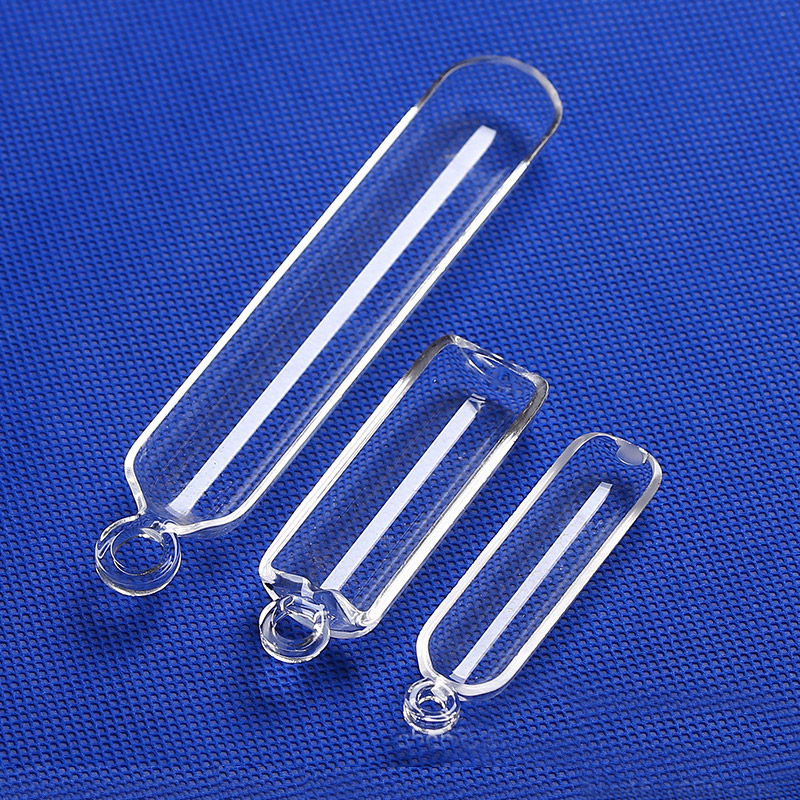
High-thermal-stability quartz ware manufactured in strict compliance with RoHS and SGS quality assurance frameworks, engineered for precision industrial deployment.
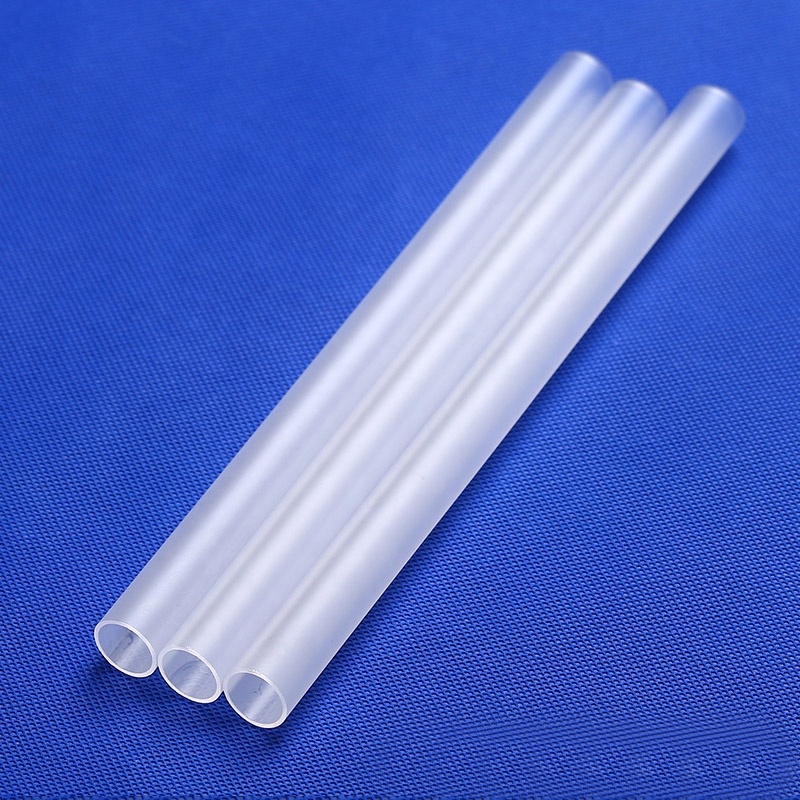
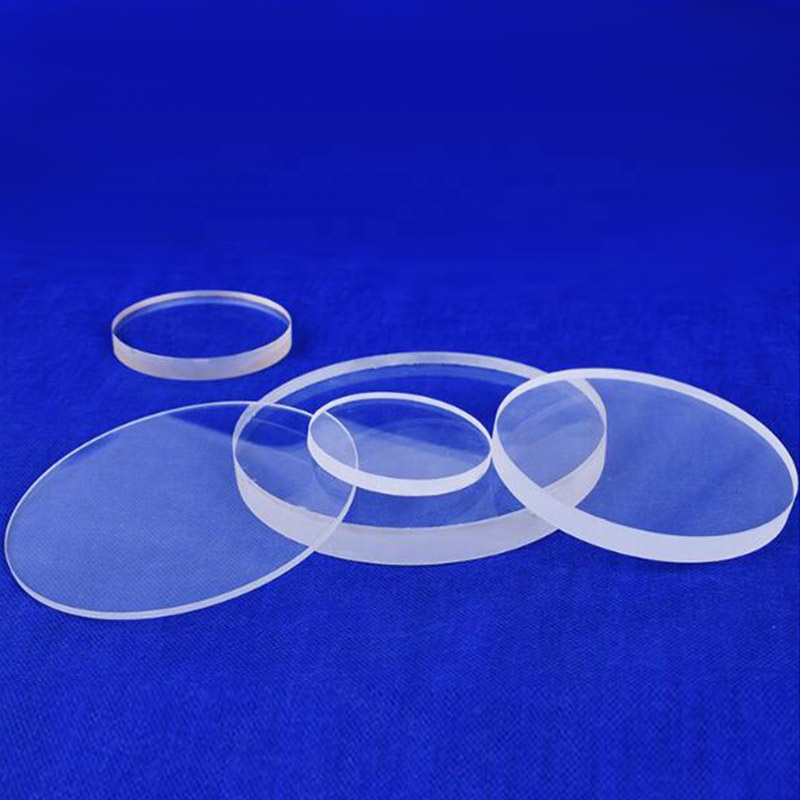
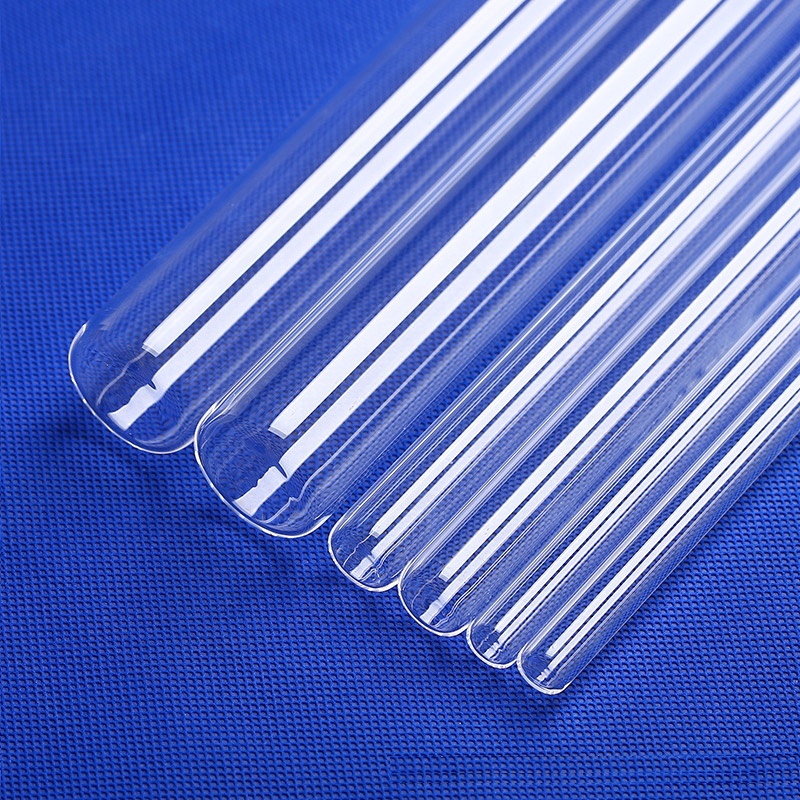
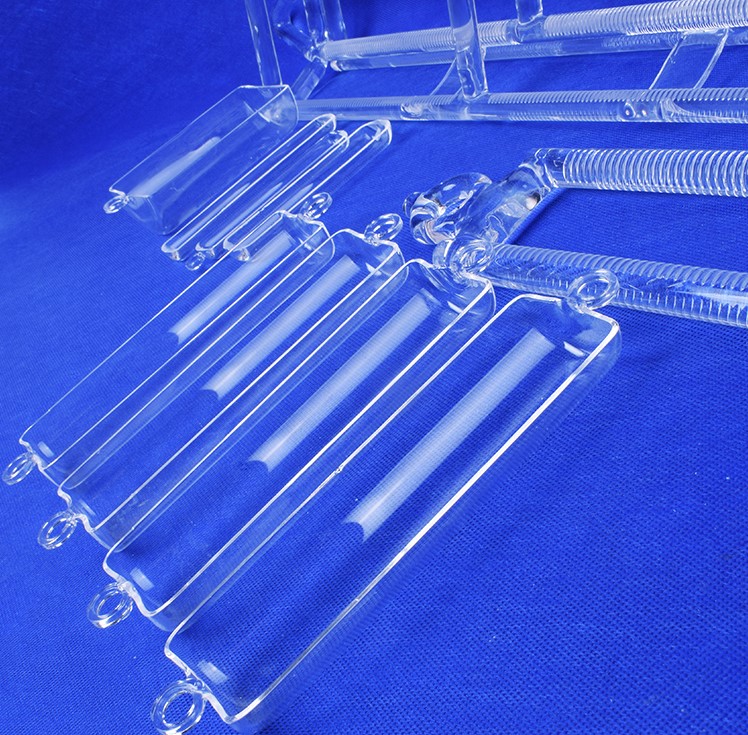
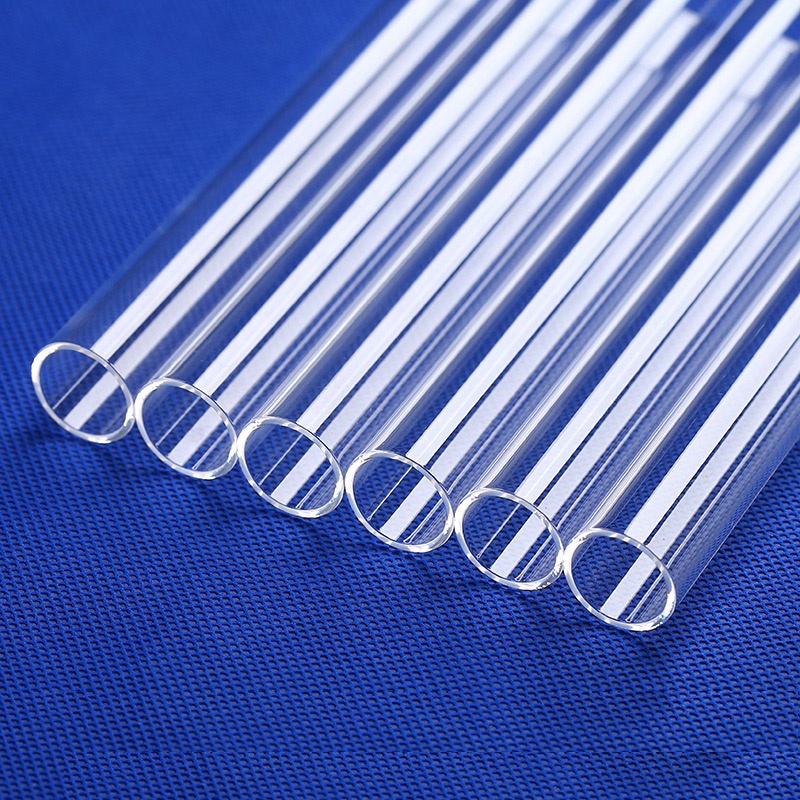

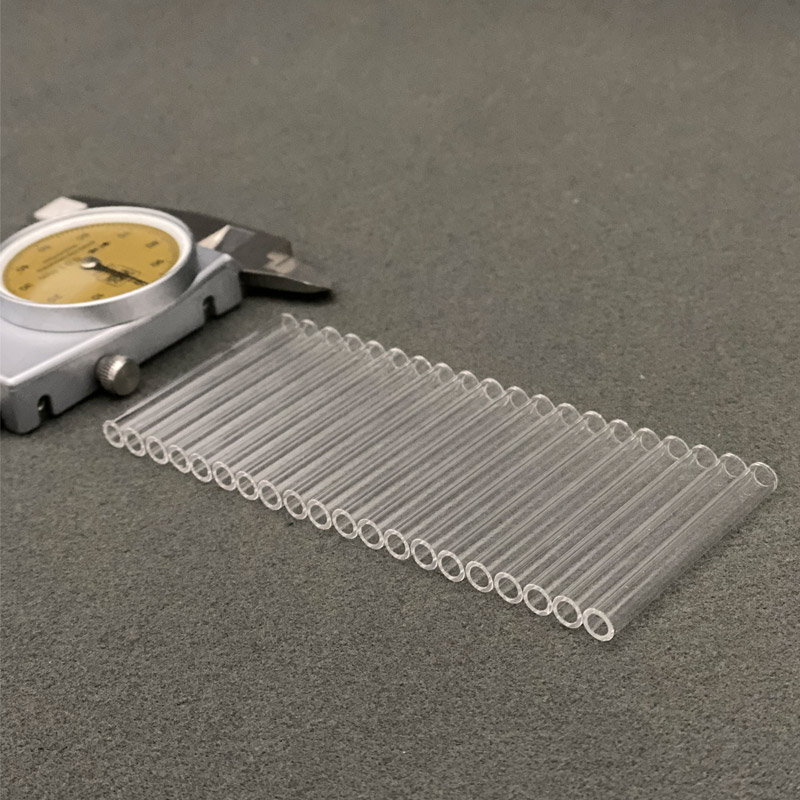
Direct supply paths for the specialized cleanrooms, OSAT semiconductor facilities, and solar cell manufacturing hubs driving Perak's modern manufacturing corridor.
Facilities across the Kinta Valley and Ipoh's industrial estates (including Kinta Free Industrial Zone and Jelapang) require thermally stable wafer carriers. Our fused quartz wafer boats eliminate lattice mismatch, withstand repetitive wafer loading during chip-scale packaging (CSP), and minimize thermal expansion discrepancies in die-attach curing furnaces.
In response to Perak's expansive solar module component suppliers, our quartz boats provide chemical resilience against corrosive phosphorus oxychloride (POCl₃) vapors during high-temperature n-type/p-type wafer doping, offering up to 1,200 °C continuous service without devitrification or sagging.
Handling ultra-aggressive hydrofluoric (dilute) or SC-1/SC-2 acid cleaning cascades, our quartz vessels, tanks, and custom carrier apparatus protect delicate sub-micron silicon structures from trace heavy metal leach-out (Fe, Cu, Ni < 0.1 ppm), safeguarding electrical yields in local microelectronic lines.
Collaborating with regional institutions such as Universiti Tunku Abdul Rahman (UTAR Kampar) and local R&D spin-offs, our small-batch prototyping enables bespoke furnace geometry, specialized capillary optics, and slotted multi-bore flow vessels configured precisely to customer STEP/DWG drawings from single-piece quantities.
Ipoh's mineral processing, water remediation, and high-spec coating plants rely on our heavy-wall quartz tubes and ozone generator sleeves. Engineered with uniform optical transmission and extreme thermal shock tolerance (ΔT > 1000 °C water quench), they deliver extended service life under intensive plant duty.
As northern Malaysia solidifies its role in the global electronics value chain, the state of Perak—anchored by the historical manufacturing center of Ipoh and the Kinta Valley—is undergoing an industrial pivot. Expanding beyond its heritage in mineral extraction and mechanical metallurgy, Ipoh is now an integral satellite for high-density semiconductor assembly, test solutions, discrete electronic devices, and renewable photovoltaic components. As thermal margins tighten and wafer sizes migrate toward finer geometries with thinner substrates, consumable high-purity thermal ware—specifically fused quartz wafer boats—becomes a critical determinant of cleanroom line reliability, thermal uniformity, and overall wafer yield.
Fused silica and natural fused quartz represent unique allotropic forms of silicon dioxide (SiO₂), distinguished by an amorphous, non-crystalline network. In high-temperature horizontal and vertical LPCVD, atmospheric diffusion, and oxidation furnaces operated by advanced assembly suppliers in Ipoh, wafer boats are subjected to relentless thermal cycling between room temperature cleanroom transfers and furnace soaking phases exceeding 1,150 °C.
The primary advantage of our fused quartz components lies in an exceptionally low mean coefficient of thermal expansion (CTE ≈ 5.5 × 10⁻⁷ /°C from 20 °C to 320 °C). This low expansion rate grants fused quartz thermal shock resilience far beyond that of standard borosilicate or aluminosilicate glasses, allowing operators to rapidly ramp and cool batch stages without micro-fissuring. However, at temperatures above 1,000 °C, amorphous SiO₂ tends toward devitrification, nucleation, and re-crystallization into high-temperature cristobalite. Devitrification is heavily catalyzed by alkali trace contaminants (Na, K, Li) and surface scratches.
To eliminate this failure mode, our Lianyungang production process incorporates deep multi-stage acid pickling (hydrofluoric-nitric leaching regimes) directly applied to crushed, pulverised 200-mesh silica grains. This ensures aggregate alkali impurity concentrations remain below 1.5 ppm, pushing continuous working boundaries safely up to 1,100 °C, with short-term operational tolerances reaching 1,300 °C. The chart below contrasts critical physical thresholds relevant to cleanroom equipment engineers:
| Physical / Chemical Property | High-Purity Fused Quartz (Lovri Standard) | Commercial Grade Quartz Tube | Borosilicate Glass 3.3 |
|---|---|---|---|
| SiO₂ Content (%) | ≥ 99.99% (Optical/Semiconductor Grade) | 99.5% – 99.8% | ≈ 80.5% |
| Coefficient of Thermal Expansion (20–300 °C) | 5.5 × 10⁻⁷ K⁻¹ | 5.8 × 10⁻⁷ K⁻¹ | 33 × 10⁻⁷ K⁻¹ |
| Softening Point (°C) | ≈ 1,730 °C | ≈ 1,650 °C | ≈ 820 °C |
| Annealing Point (°C) | ≈ 1,215 °C | ≈ 1,150 °C | ≈ 560 °C |
| Trace Alkali Content (Na, K, Li total) | ≤ 1.5 ppm | ≤ 15 ppm | > 40,000 ppm |
| Resistance to Thermal Shock (ΔT Water Quench) | > 1,000 °C without crack | 800 °C | ≈ 150 °C |
A critical engineering failure in semiconductor assembly lines is wafer rattling or pinching, which induces chipping during high-speed robotic end-effector wafer transfer. Our high-precision wafer boats are manufactured with custom CNC diamond grinding and multi-axis slotting machinery capable of maintaining slot width tolerances within ± 0.02 mm and slot depth uniformity within ± 0.01 mm. Furthermore, every machined carrier undergoes torch flame polishing or vacuum furnace thermal annealing at 1,215 °C. This dual treatment releases subsurface micro-cracks induced during cold diamond sawing while smoothing slot radii to prevent particle shed inside cleanroom environments (ISO Class 4/5 compatible).
Historically known as the "City of Elms" and the heart of the world's tin trade, Ipoh has evolved its foundational industrial strengths into advanced high-value engineering. Supported by state initiatives such as the Perak Sejahtera 2030 blueprint and spillover developments from the Penang-Kulim semiconductor cluster down the North-South Expressway, the Kinta Valley is attracting major investments in electronics manufacturing services (EMS), automotive sensor fabrication, and testing operations. As multinational and domestic chip-makers establish facilities in industrial zones such as Pengkalan, Bemban, and Kanthan, the need for direct, responsive manufacturers of quartz consumables—offering factory-direct pricing without distributor overhead—has become a clear competitive priority.
Operating from Lianyungang, Jiangsu—the premier high-purity silica center in China—Lovri Quartz maintains complete chain control from raw rock beneficiation to CNC final inspection.
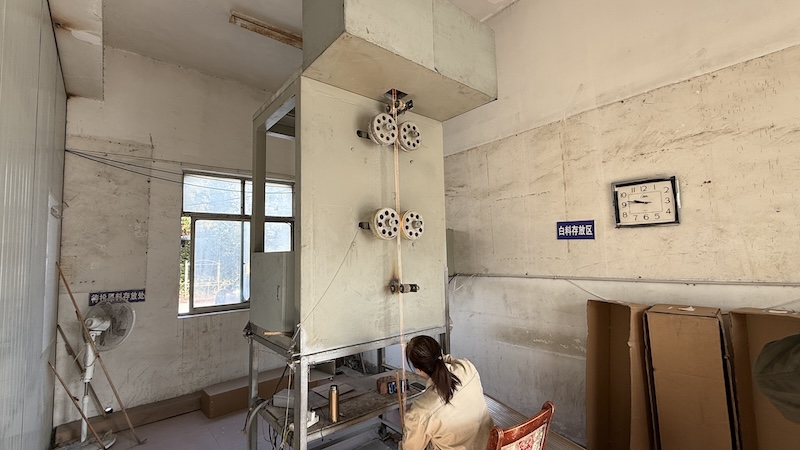 14,271 m² Assessed Facility
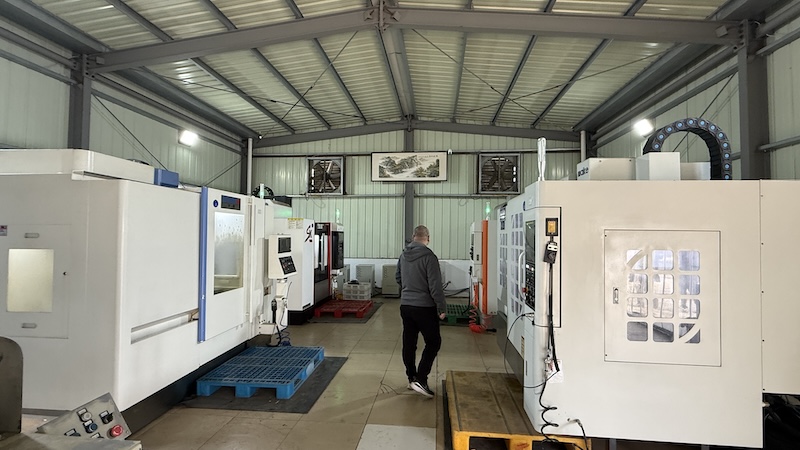 Precision Multi-Axis CNC Center
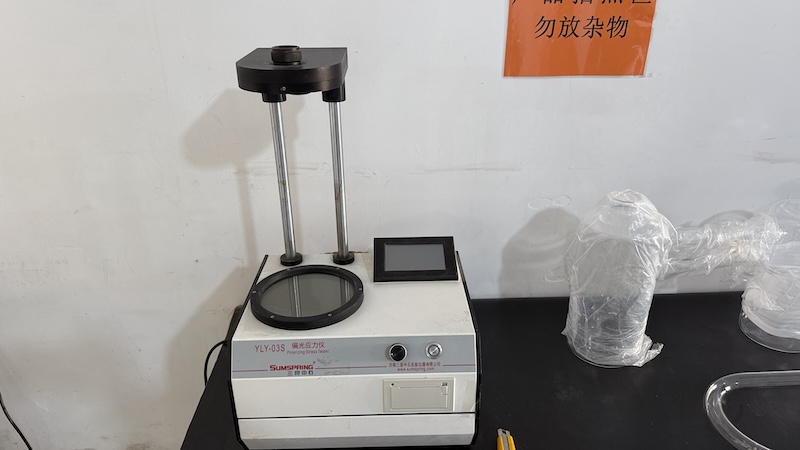 Polarization Stress Tester
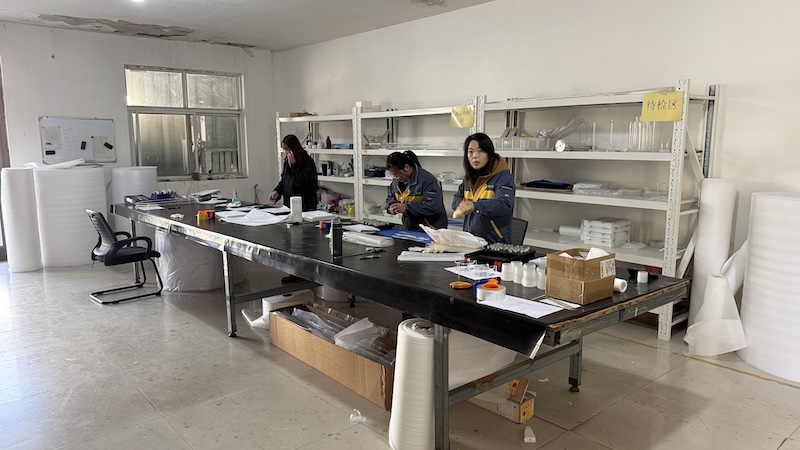 Reinforced Export Packing Line
Our workshop covers 14,271 m² of verified production space. Certified on-site by SGS Group, every facet of our operations—including acid handling, cold work machining, and hot glass blowing—meets strict international safety, environmental, and workflow standards.
Unlike secondary converters who source intermediate glass tubing from third parties, we process silica from the ground up: rock pulverizing, acid leaching, drawing, and high-temp annealing. Every batch is evaluated under polarization stress analyzers to guarantee zero residual internal strain before export.
We provide full-spectrum logistics documentation (Certificate of Origin, material purity assay sheets, RoHS compliance files). High-value, fragile quartz boats are vacuum-sealed in dust-free PE bags, cushioned with multi-density closed-cell EPE foam, and crated in heavy-duty plywood cases for safe arrival via Penang Port or KLIA.
Key technical, logistical, and commercial considerations addressed for cleanroom managers, procurement officers, and process integration engineers.
Whether you require standard wafer boats, high-temperature diffusion tubes, or custom-machined optical quartz flanges, our engineering team will evaluate your technical specifications and provide a competitive quote within 24 hours.