High-Purity Quartz Tooling & Thermal Components
Direct-from-manufacturer fused silica products engineered for chemical vapor deposition (CVD), low-pressure CVD (LPCVD), plasma-enhanced CVD (PECVD), and thermal oxidation furnaces.
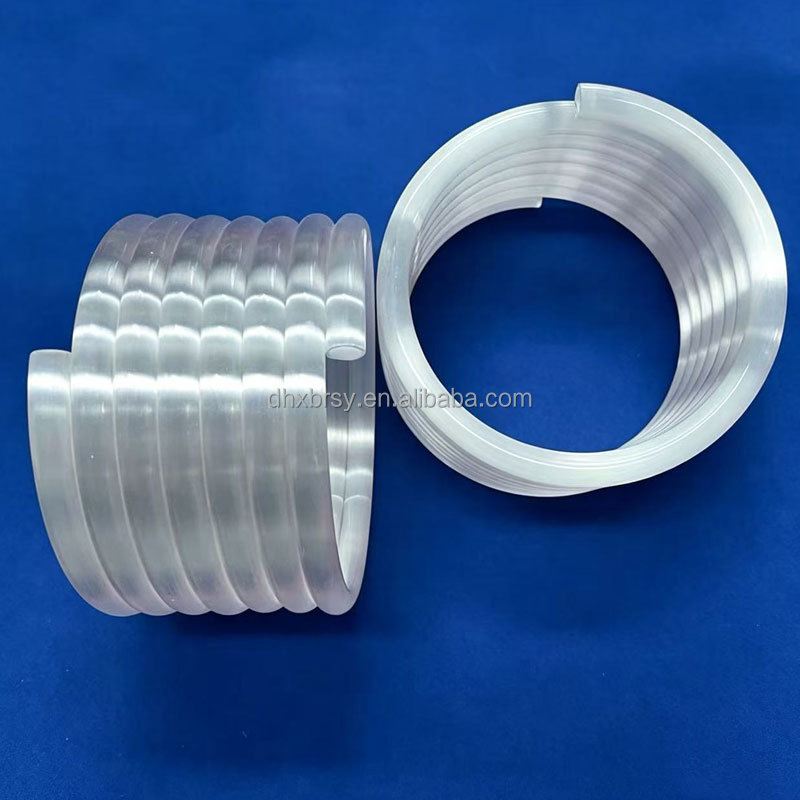
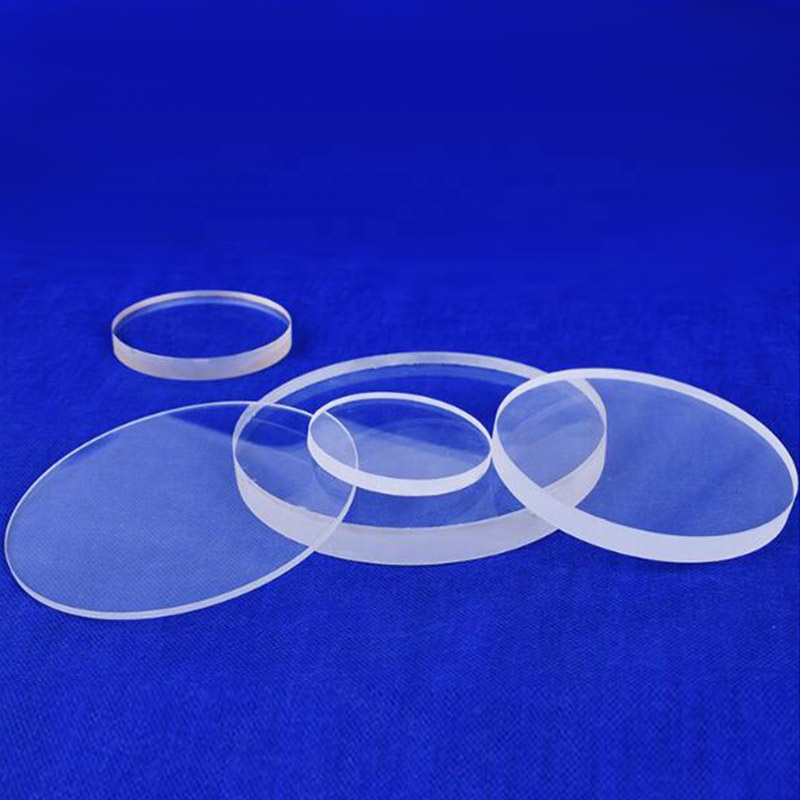
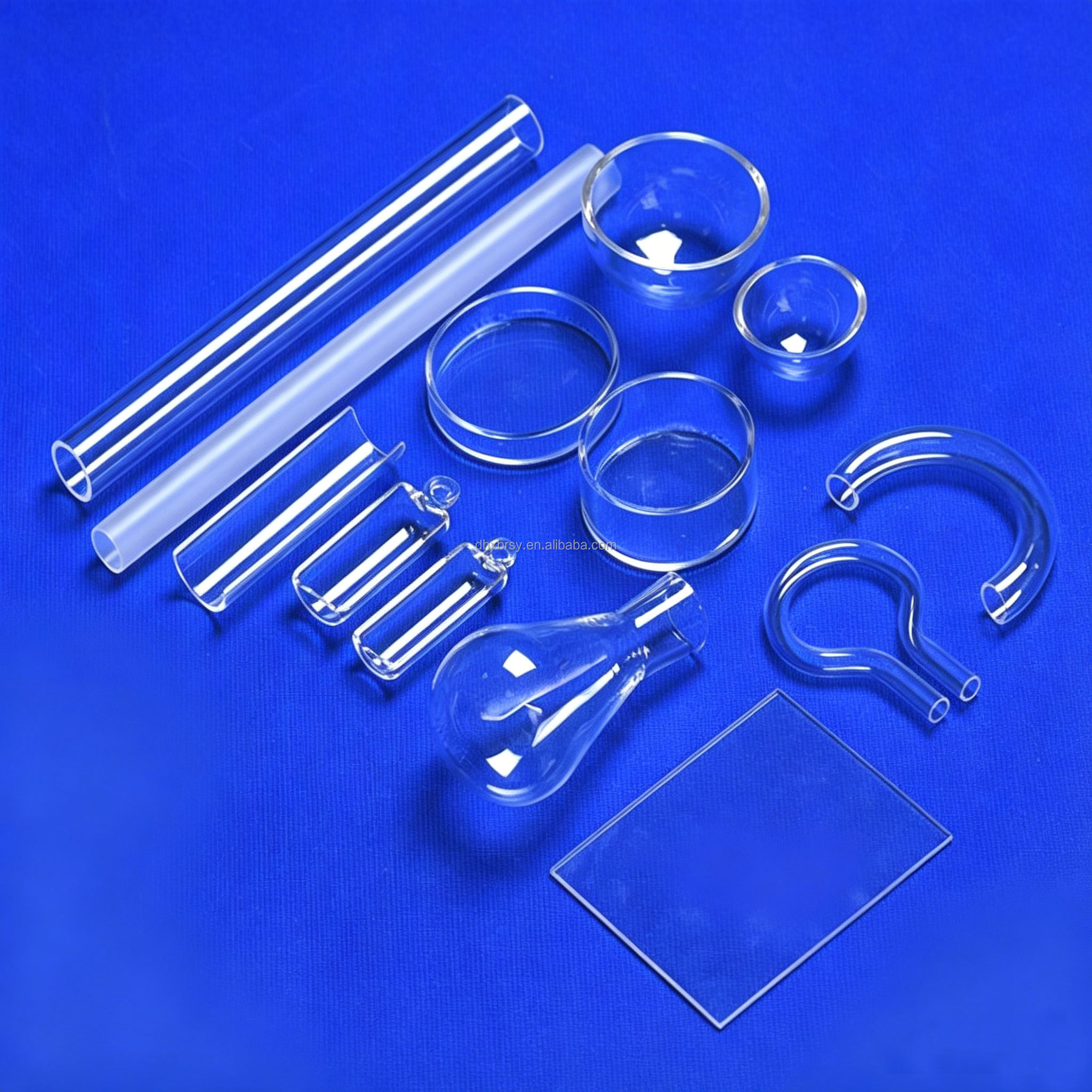
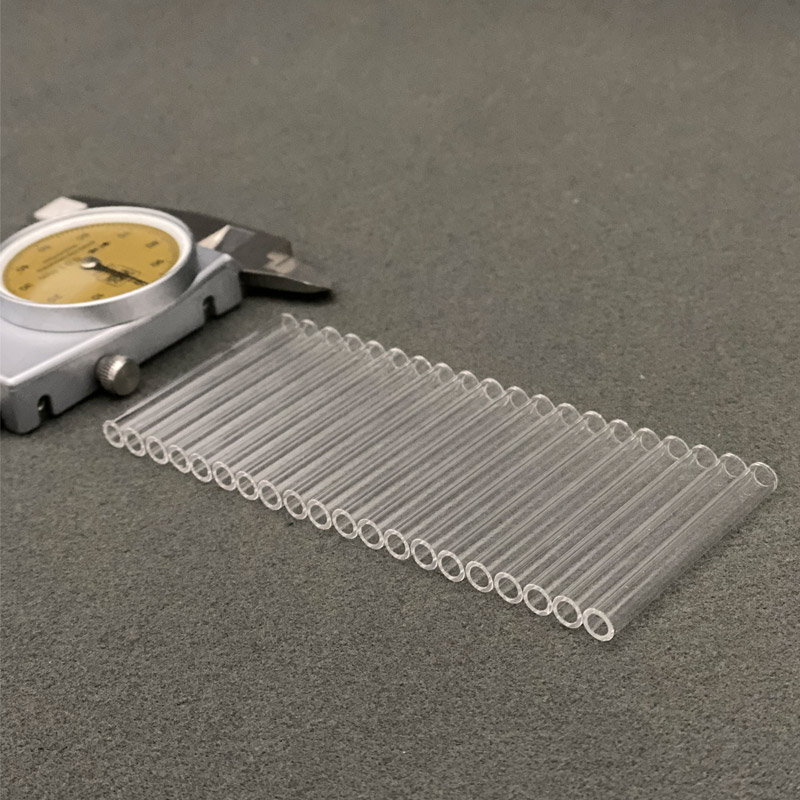
The Role of Fused Silica in Sub-7nm CVD & Epitaxy Environments
In the advanced semiconductor processing architecture defining modern wafer fabrication, chemical vapor deposition (CVD) equipment operates under aggressive multi-physics challenges. Within wafer fabs located across Greater Phoenix—from Chandler to North Phoenix—process chambers must support atomic layer deposition (ALD), low-pressure CVD (LPCVD), plasma-enhanced chemical vapor deposition (PECVD), and rapid thermal chemical vapor deposition (RTCVD). Fused quartz cylinders act as the primary structural boundary, thermal insulator, and reactive precursor containment wall. At process temperatures ranging from 450°C to well above 1150°C, the chemical purity, structural homogeneity, and mechanical stability of fused silica determine overall wafer yield, defect counts, and mean time between cleans (MTBC).
Thermodynamic Integrity and Devitrification Kinetics
Fused quartz is a non-crystalline, vitreous form of silicon dioxide. Under extreme thermodynamic driving forces present inside 300mm diffusion chambers, fused silica is meta-stable. The presence of trace alkaline impurities—specifically sodium (Na), potassium (K), and lithium (Li)—acts as a potent catalyst for devitrification. Devitrification causes the amorphous glass matrix to nucleate into crystalline beta-cristobalite at elevated temperatures. When the process tube cycles down below 275°C, beta-cristobalite converts to alpha-cristobalite, accompanied by a sudden 5% volumetric shrinkage. This phase transformation leads to microscopic surface crazing, micro-fracturing, flaking of quartz particulate onto product wafers, and catastrophic vacuum vessel implosion.
| Trace Element | Lovri Ultra-High Purity (PPM) | Standard Commercial Grade (PPM) | Semiconductor Fab Impact |
|---|---|---|---|
| Aluminium (Al) | 12.0 – 16.0 | 25.0 – 40.0 | Controls glass viscosity; excess alters high-temp creep behavior |
| Iron (Fe) | < 0.15 | < 1.0 | Deep-level metallic contaminant causing minority carrier degradation |
| Sodium (Na) | < 0.5 | > 1.5 | Primary mobile ion causing threshold voltage shifts and devitrification |
| Potassium (K) | < 0.4 | > 1.2 | Catalyzes phase transformation into cristobalite crystallization nuclei |
| Lithium (Li) | < 0.2 | > 0.8 | Alkali network modifier lowering softening point and viscosity |
| Copper (Cu) | < 0.05 | < 0.5 | High diffusivity transient element; induces gate oxide breakdown |
| Hydroxyl (OH⁻) | < 15.0 – 30.0 | > 150.0 | Low OH prevents optical sag and thermal deformation at 1200°C |
Geometric Machining Precision & Stress Relief Annealing
Precision quartz cylinders for modern CVD equipment require stringent geometric tolerances. Diametric run-out and ovality must be maintained within ±0.3mm across tube lengths extending up to 2500mm to guarantee an hermetic vacuum seal with liquid-cooled stainless steel flanges. Lovri Quartz employs dedicated high-precision glass-blowing lathes combined with multi-axis CNC diamond grinding machinery. Following hot-flame reshaping, welding, and ground flange generation, components undergo an extended annealing sequence in computerized electric resistance furnaces held at 1215°C for multiple soaking cycles. This process dissipates internal strain down to <10 nm/cm (measured via cross-polarization polariscopes), shielding the cylinder against spontaneous mechanical fracturing under cyclical plasma fluorination cleans (NF₃/CF₄).
Localized Applications Across the Phoenix Semiconductor Hub
Supporting the mission-critical needs of Tier-1 semiconductor device manufacturers, advanced packaging fabs, and wafer tool maintenance centers in Maricopa County.
LPCVD Silicon Nitride & Poly-Si Deposition
In low-pressure chemical vapor deposition systems, process tubes endure extended runs at 700°C–900°C exposed to silane (SiH₄) and ammonia (NH₃). Our heavy-wall CVD quartz cylinders resist dimensional thermal creeping, wall-thinning, and cyclic thermal stress fractures, maintaining tight process gas pressure control.
Epitaxial Silicon Growth Chambers
High-temperature single-wafer epitaxy furnaces operate above 1150°C using hydrogen, silicon tetrachloride, and corrosive dopants. Lovri Quartz manufactures high-purity bell jars and quartz domes featuring pristine optical clarity, allowing uniform infrared pyrometer temperature feedback and clean crystalline growth.
Rapid Thermal Processing (RTP) Liners
Rapid thermal annealing and rapid thermal oxidation demand instant heat transitions up to 100°C/second. Fused silica's coefficient of thermal expansion (5.5 × 10⁻⁷ /°C) enables rapid thermal ramping without thermal-shock cracking, providing the ultimate isolation barrier for 300mm wafer stages.
Plasma Ashing & Etch Chamber Shields
During reactive-ion etching and photoresist stripping, fluorinated and oxygen plasmas aggressively bombard chamber components. Our flame-polished quartz liners and cylinder sleeves provide a homogeneous, micro-pore-free surface that limits particle generation and optimizes maintenance intervals.
Advanced Packaging & Substrate Curing
Beyond the front-end cleanroom, Phoenix's expanding advanced packaging corridors in Chandler and Mesa deploy heavy-duty quartz vacuum cylinders for die-attach fluxless vacuum reflow, wafer-level fan-out bake processes, and high-temp polyimide thermal cure cycles.
The Phoenix "Silicon Desert" Semiconductor Boom: Macro Trends & Supply Resilience
The Greater Phoenix metropolitan area has solidified its standing as one of the world's primary semiconductor mega-clusters. Spurred by federal funding under the US CHIPS and Science Act and multi-billion-dollar private capital deployment, leading multi-national foundries and integrated device manufacturers (IDMs) are actively commissioning 300mm fabs in North Phoenix and Chandler. This rapid industrial escalation has catalyzed a proportional surge in demand for consumable quartz furnace wares, CVD reactor cylinders, replacement quartz chambers, and precision wafer carrier boats.
Arizona fab procurement directors are aggressively de-risking single-source vulnerabilities by qualifying qualified overseas quartz exporters with verified source sand control.
Transitioning toward Gate-All-Around (GAA) nanosheet transistors demands zero-tolerance for sodium and iron migration from high-temperature diffusion tubes.
Direct freight handling into Phoenix Sky Harbor International Airport (PHX) ensures ultra-fragile, high-value quartz components bypass multi-port inland rail vibrations.
Direct manufacturer engagement enables tier-1 fabs to curtail consumable replacement expenditures by 30–45% compared to legacy tool OEM markups.
Phoenix Semiconductor Procurement FAQ
Addressing the technical, operational, and commercial criteria raised by tool equipment engineers and cleanroom supply managers.
How do your CVD cylinders comply with SEMI standards for purity?
Our raw silica undergoes intensive hydrofluoric/nitric multi-stage acid leaching, ensuring that total heavy metal and mobile ionic impurities (Na, K, Li, Fe, Cu, Ni, Cr) remain strictly below 20 ppm cumulative, conforming with SEMI F63 and global ultra-pure wafer production benchmarks.
What dimensional tolerances can you hold on custom CVD reactor cylinders?
Using diamond CNC cylindrical grinding and precision optical laser micrometers, we reliably maintain outer diameter (OD) and inner diameter (ID) tolerances to ±0.2mm, wall-thickness uniformity within 0.15mm, and sealing flange flatness to <0.05mm across large formats up to 450mm OD.
How is thermal shock resistance verified prior to export?
Every fabricated batch is fully thermal-annealed at 1215°C followed by a 100% polarization stress examination to ensure residual optical path difference is <10 nm/cm. Random destruct samples undergo rapid water quenching cycles from 1100°C to verify zero catastrophic failure.
Can you manufacture quartz parts from third-party tool drawings (OEM equivalents)?
Yes. We regularly produce direct replacement quartz wear parts, bell jars, gas injectors, quartz boats, and furnace tubes based on customer-provided STEP, DWG, DXF, or PDF engineering prints, supporting second-source cost-reduction initiatives without compromising fab yields.
How are delicate quartz cylinders protected for air freight to Phoenix (PHX)?
Components receive an ultrasonic DI water wash, cleanroom dust removal, and are sealed in heavy anti-static dual-vacuum bags. They are packed in custom-contoured high-density shock-absorbing foam molds encased in heavy plywood shipping containers with shock and tilt sensor monitoring.
What is the typical lead time for custom engineered CVD quartz ware?
Prototypes and emergency fab replacement cylinders are typically processed within 10–14 business days from drawing approval. Regular batch shipments take 3–4 weeks, with prioritized air freight delivery direct to Phoenix Sky Harbor (PHX) within 4–6 days transit time.
Request Fab-Grade Quartz Cylinder Quotations & Engineering Review
Submit your CAD models, technical drawings, or process specifications. Our quartz glass specialists provide complete manufacturability feedback, material purity certifications, and competitive FOB/DDP Phoenix pricing.
Get Catalog