Featured Semiconductor & Laser Quartz Solutions
Factory-direct thermal process glassware, plasma etch vessels, and precision laser flow assemblies manufactured to sub-millimeter tolerances with full batch annealing.
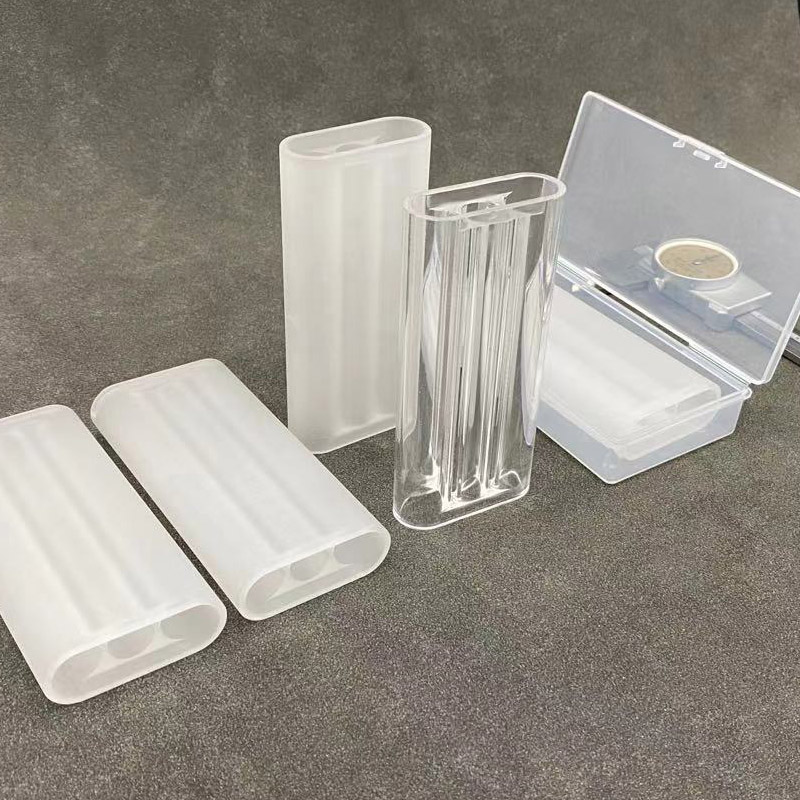
Quartz Candela Triple Bore Fused Quartz
99.98% SiO₂ | High UV-IR Transmission | Flame Polished Flawless Bores | Custom OD/ID
View Specifications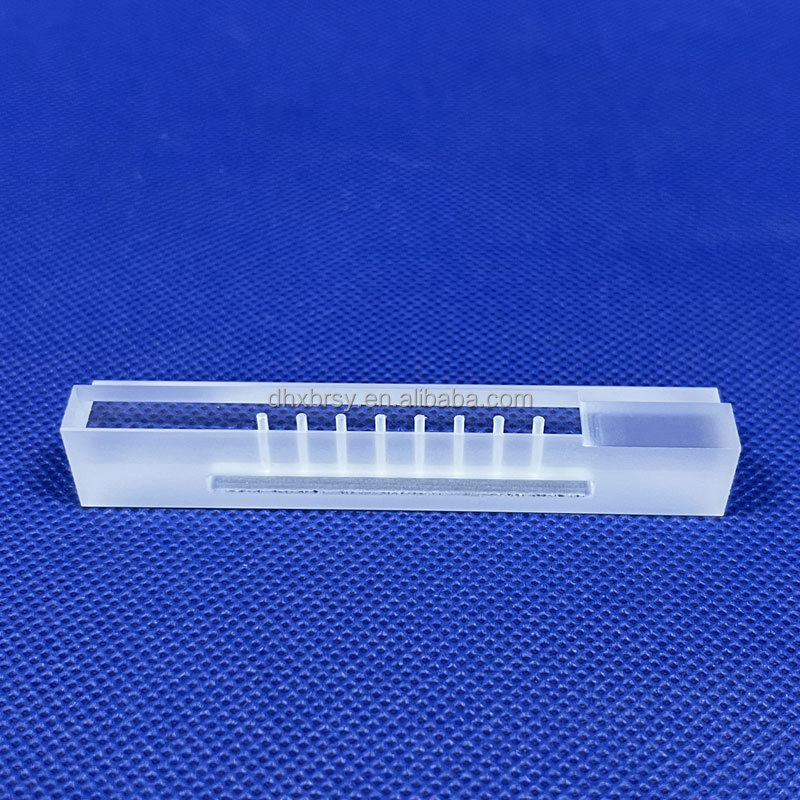
High-Purity Fused Quartz V-Groove Fixture
99.99% Silica Content | Sub-Micron CNC Slotting | Fiber Array Alignment Carrier
View Specifications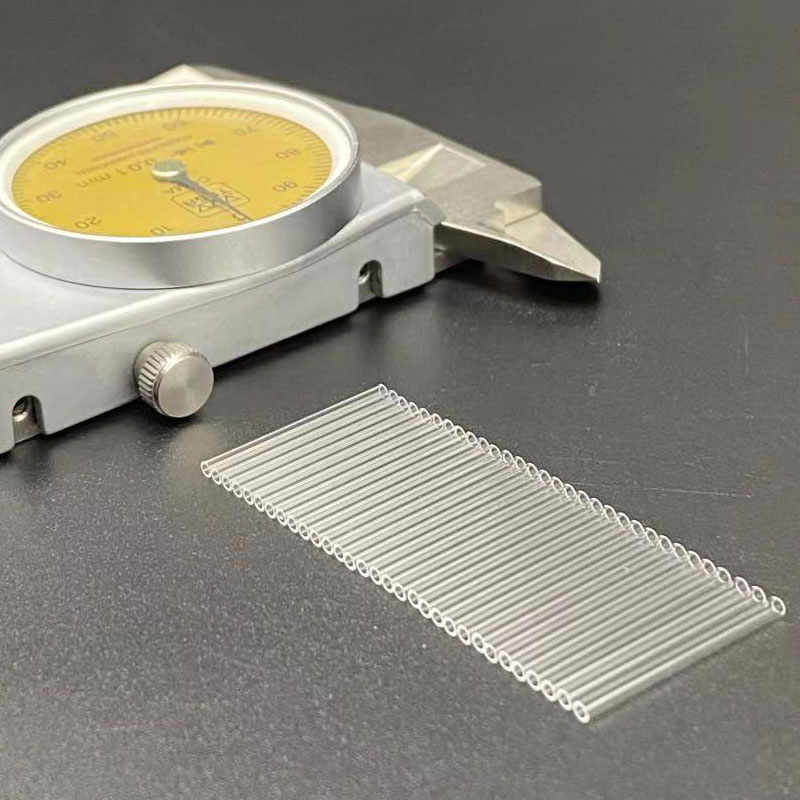
Ultra-Thin High-Purity Quartz Sheet (0.1–0.5mm)
99.99% Purity | Parallelism < 30 arcsec | ROHS Compliant Optical Surface
View Specifications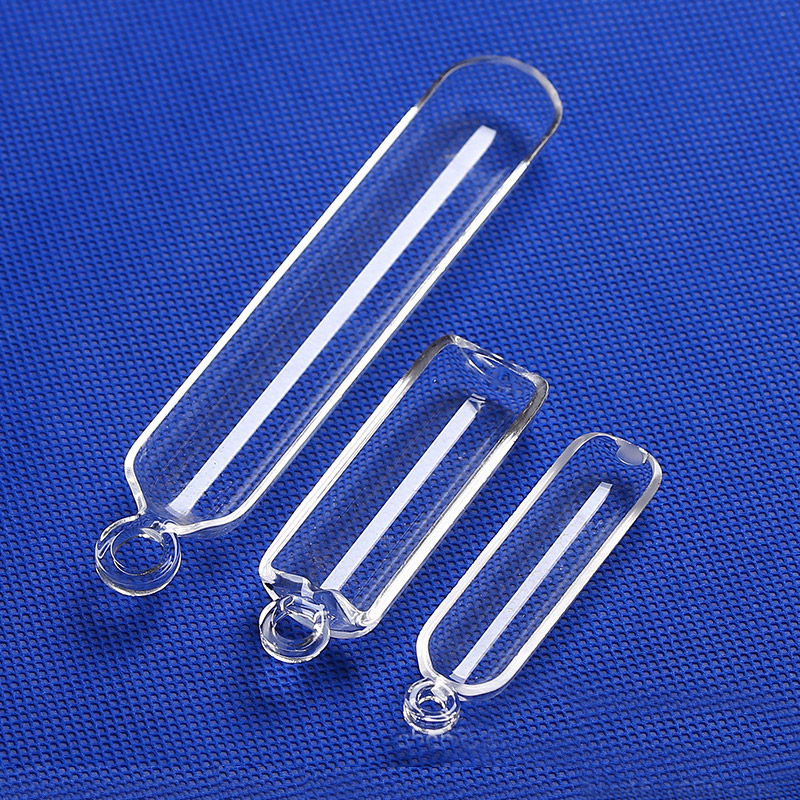
High-Temperature Semiconductor Wafer Boat
Continuous Duty at 1150°C | Low Defect Diffusion Slots | Thermal Shock Resilient
View Specifications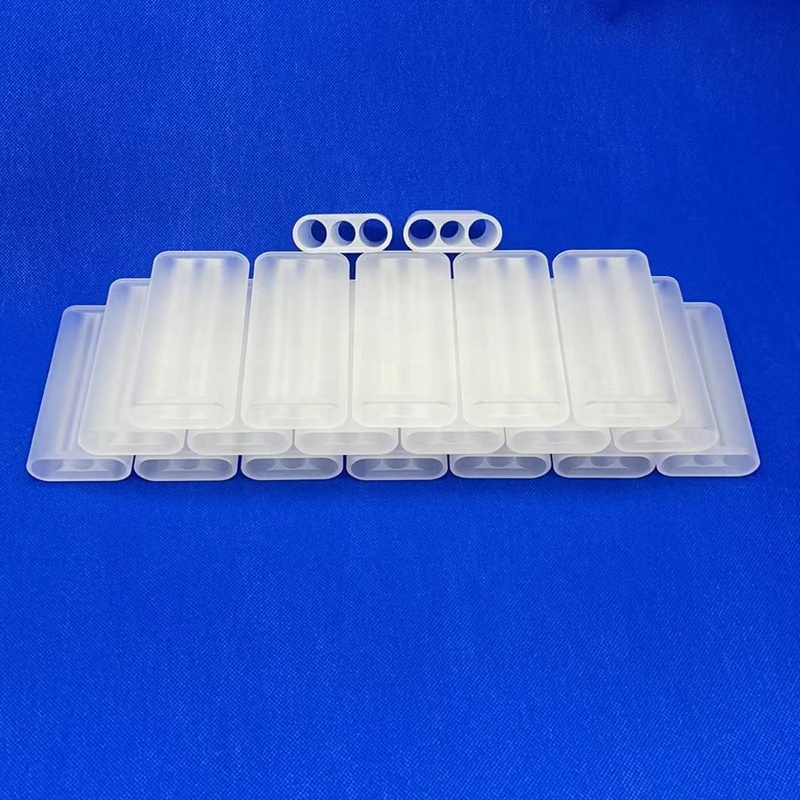
C-Shape Triple-Bore Laser Cooling Tube
Precision Flow Dynamics | Anti-Solarization Silica | Precision Bent & Gas Welded
View Specifications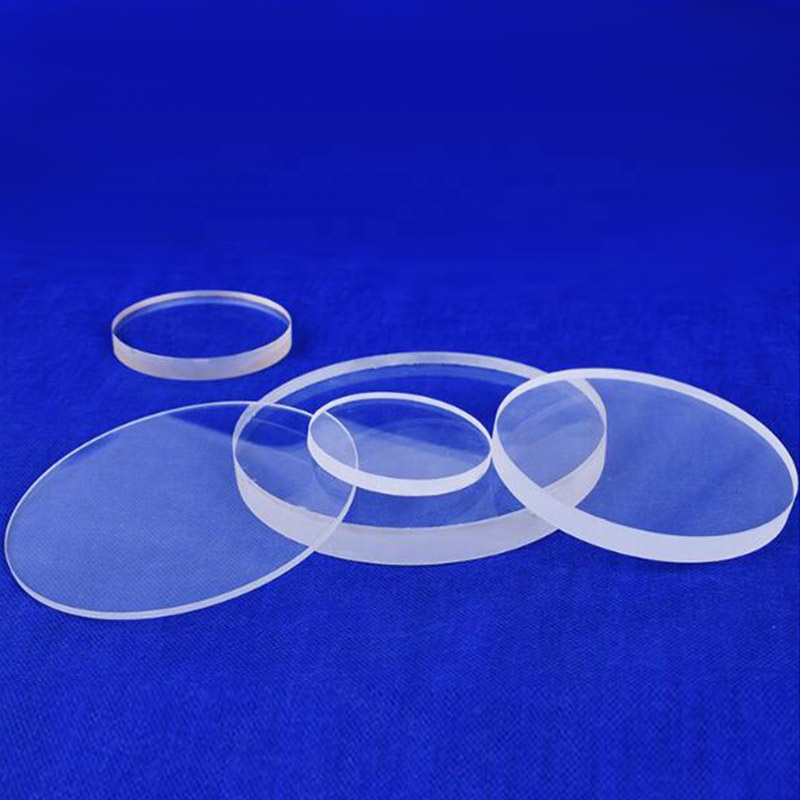
Optical-Grade Polished Fused Quartz Disc
Surface Roughness Ra < 0.5nm | 40/20 Scratch-Dig | Vacuum Viewport Compatible
View Specifications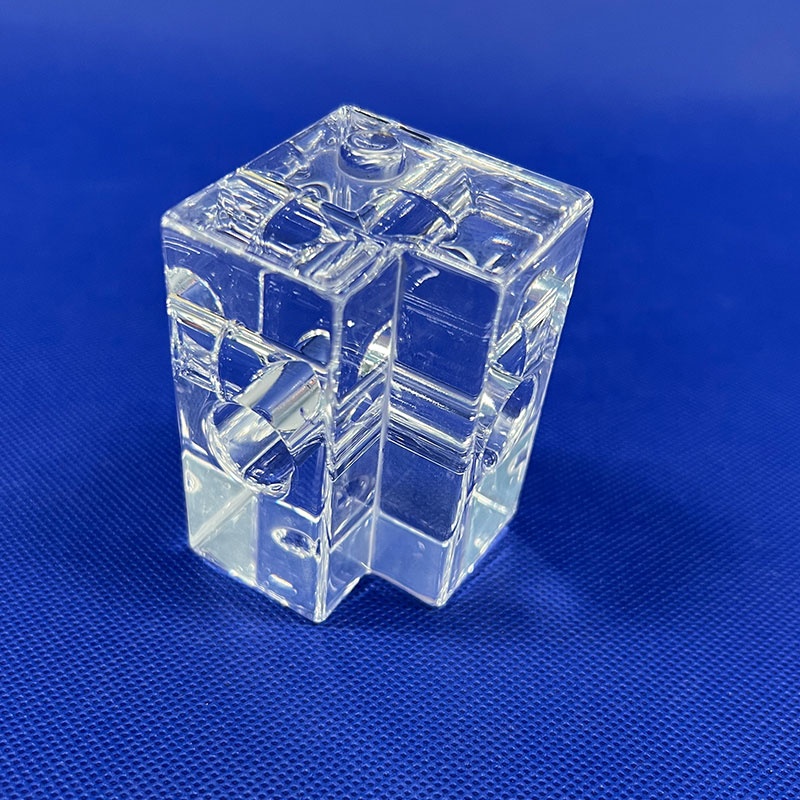
Custom Annealed Fluidic Quartz Reactor Block
1200°C Full Cycle Annealing | Stress Birefringence Inspected | Microfluidic Precision
View Specifications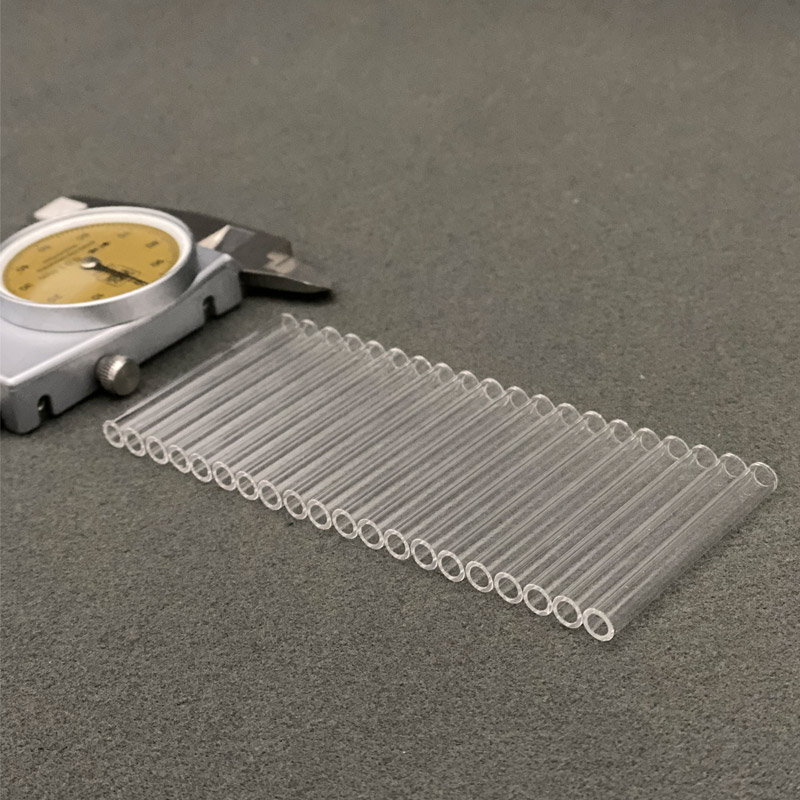
Precision Micro-Capillary Quartz Tubes
Sub-Millimeter ID Uniformity | High Dielectric Breakdown | Semiconductor Dosing
View SpecificationsLocalized Application Scenarios Across Granada's Tech Ecosystem
Granada is undergoing a deep industrial transformation. Once known primarily as an academic and cultural landmark, the metropolitan corridor—from Parque Tecnológico de la Salud (PTS) to the strategic development zones in Escúzar—demands semiconductor-grade quartzware engineered to withstand extreme thermal and corrosive chemical environments.
IFMIF-DONES & Particle Fusion Research
At the forefront of global materials research in Escúzar, experimental vacuum beamlines and fusion containment systems require massive fused quartz reaction cylinders and RF viewports. Our quartz vessels feature negligible trace alkali elements (Fe < 0.2 ppm, Li < 0.1 ppm), ensuring optical transparency under heavy gamma irradiation and ultra-high vacuum stability down to 10⁻⁸ Torr.
PTS Granada Photonics & Biosensors
Granada's Health Sciences Technology Park pioneers microfluidics, biosensors, and integrated photonic devices (PICs). Our high-aspect ratio quartz cylinders act as PECVD/LPCVD reactors for depositing silicon nitride (Si₃N₄) waveguide channels, guaranteeing flawless layer thickness without metallic particle contamination that impairs photonic circuit fidelity.
Aerospace & Defense Thin-Film Epitaxy
Andalusian aerospace suppliers and localized cleanrooms utilize custom dual-flanged quartz cylinders for Metal-Organic Chemical Vapor Deposition (MOCVD). These cylinders operate reliably during long thermal ramp cycles between 400°C and 1100°C, providing exceptional resistance to thermal shock and hydrochloric acid (HCl) vapor etching cycles during chamber cleaning.
Semiconductor & Advanced Materials Trends in Granada
Analyzing the macroeconomic and scientific shift towards the "Granada Technology & Science City" initiative through 2030.
The "Silicon Valley of Southern Spain"
Supported by the EU Chips Act (PERTE Chip initiative in Spain), Granada is aggressively building infrastructure for fabless design hubs, pilot packaging fabs, and advanced materials testbeds. This movement escalates the local demand for customizable CVD quartz chambers, replacing standard borosilicate setups with synthetic fused silica designed for high wafer yield.
Transition to High-Density CVD & ALD
Local research clusters at the University of Granada (UGR) and affiliated spin-offs are pushing beyond conventional planar microchips into Atomic Layer Deposition (ALD) for 2D materials (graphene, MoS₂). Chamber cylinders must achieve internal wall cylindricity within 0.08 mm to guarantee balanced gas flow vectors and eradicate turbulent flow dead zones.
Direct Source Factory Procurement
Engineering departments in Andalusia are systematically abandoning intermediaries in northern Europe. Sourcing directly from an SGS-certified primary manufacturer like Lovri Quartz eliminates markups of 40–60% and grants Granada engineers direct interaction with our technical team for custom CNC slotting, precision flange welding, and custom bore geometries.
Technical Comparison: Fused Quartz Grades for CVD Reactors
Review critical physical, optical, and thermal boundaries before specifying cylinder chambers for Granada lab installations.
| Property Parameter | High-Purity Electrically Fused | Flame-Fused Synthetic (JGS1) | Standard Laboratory Glassware |
|---|---|---|---|
| SiO₂ Content (Purity) | ≥ 99.99% | ≥ 99.999% | ≈ 80–81% (Borosilicate) |
| Hydroxyl (OH⁻) Content | < 5 – 20 ppm | < 1 ppm (Dry) to 1200 ppm | Non-applicable |
| Softening Point (°C) | 1,730 °C | 1,780 °C | 820 °C |
| Max Working Temp (Continuous) | 1,150 °C | 1,250 °C | 490 °C |
| Thermal Expansion (20–300°C) | 5.5 × 10⁻⁷ K⁻¹ | 5.2 × 10⁻⁷ K⁻¹ | 33 × 10⁻⁷ K⁻¹ |
| Thermal Shock Resistance | Drop from 1100°C into 20°C H₂O without cracking | Drop from 1200°C into 20°C H₂O without cracking | Fails at ΔT > 150°C |
| Typical CVD Suitability | LPCVD, Oxidation, Annealing Tubes | Ultra-clean ALD, Excimer Laser, Deep UV | Unsuitable for High-Temp Semiconductor |
End-to-End Control: From Raw Crystal to Granada Cleanroom
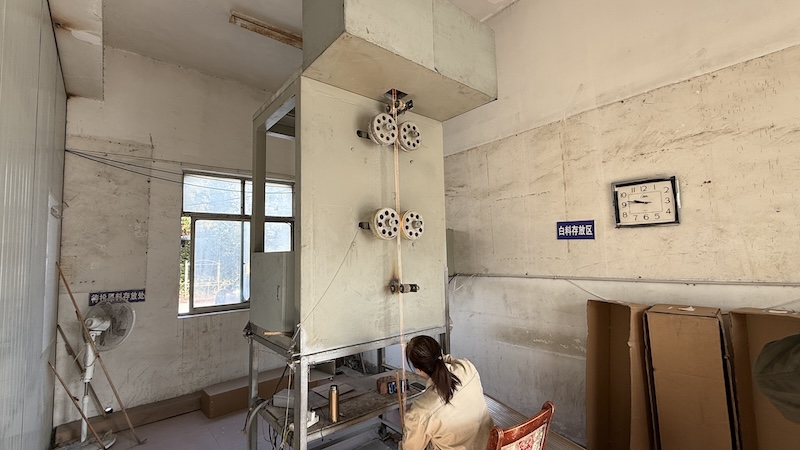
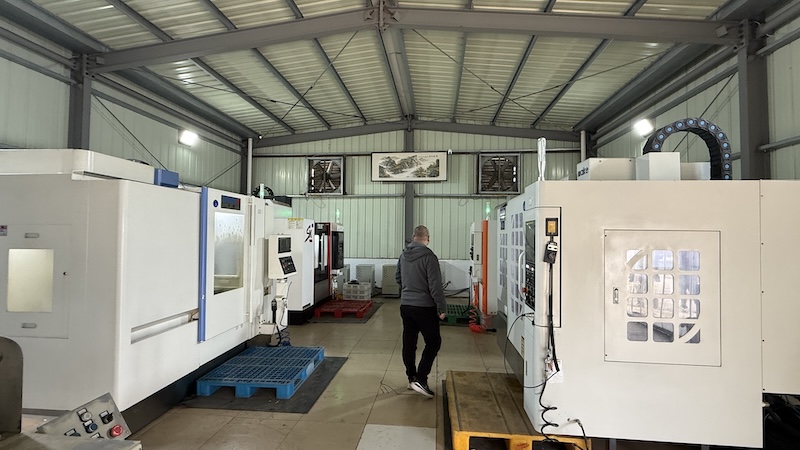
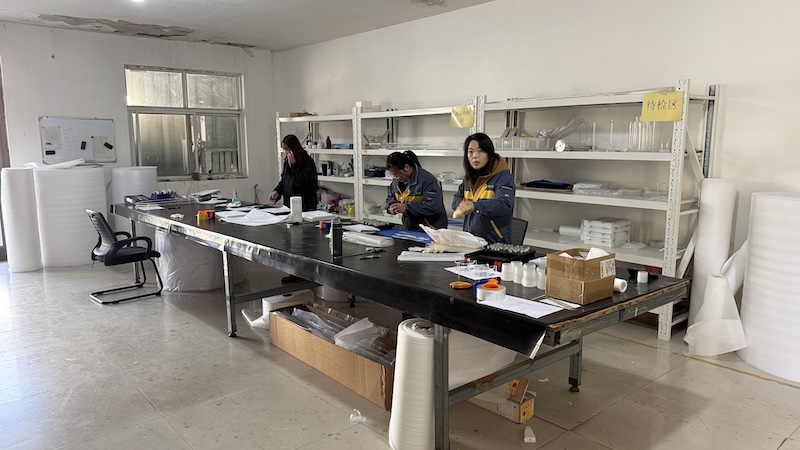
Based in Lianyungang—the silicon capital of China—Lovri Quartz maintains complete chain control. We do not purchase commercial blank tubes to re-weld; we refine, cast, draw, machine, and inspect within our 14,271 m² production facility.
Why Leading European Foundries Source from Lovri
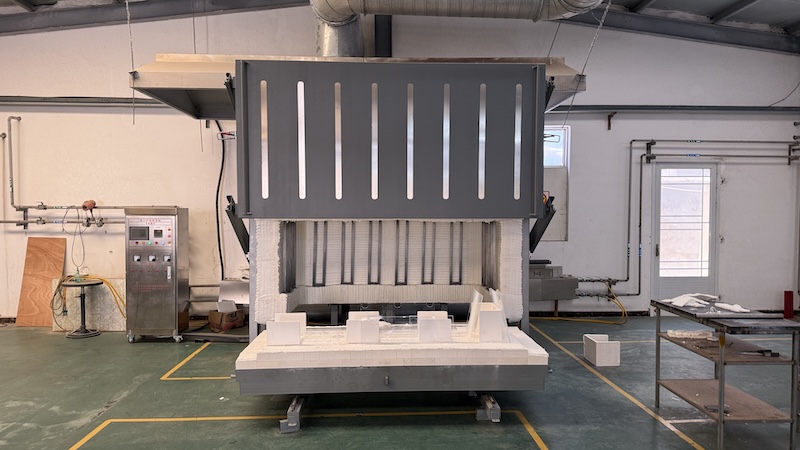
CVD cylinders for semiconductor processing cannot tolerate residual stress or internal crystalline micro-bubbles. When subjected to recurrent cycles from 200°C to 1100°C, unevenly annealed quartz undergoes devitrification, leading to premature cracking, hazardous vacuum breaches, and costly wafer contamination.
Lovri Quartz integrates full 12-step vertically integrated manufacturing. By acid pickling selected quartz sands and utilizing proprietary high-temperature drawing lines, we keep trace iron, aluminum, and sodium ions under strict parts-per-billion (ppb) thresholds.
Every semiconductor cylinder ships with comprehensive batch documentation: polarization stress birefringence inspection, optical wall consistency mapping, and third-party certified SGS / RoHS chemical declarations.
Granada Procurement & Engineering FAQ
Key answers addressing logistical, technical, and compliance considerations when importing semiconductor quartz components to Andalusia.
How do you guarantee that CVD quartz cylinders reach Granada without transit breakage?
Can you machine bespoke CVD quartz cylinders to match legacy furnace drawings (ASMI, TEL, Kokusai)?
What certifications and quality inspection documents are provided with our order?
What is the typical lifespan of Lovri quartz cylinders under continuous LPCVD and oxidation conditions?
Optimize Your Granada Semiconductor Line Today
Whether you are engineering next-generation particle physics experiments for IFMIF-DONES, establishing a microfluidics foundry at PTS, or refurbishing an academic cleanroom furnace, discuss your requirements with Lovri's senior glass technicians.
Contact Us