Engineered Silica Glass Products for Berlin Innovators
From synthetic JGS1 UV optical windows to thermal quartz wafer boats and CNC laser fluid flow cells, our factory-direct products comply with stringent DIN EN ISO tolerances and RoHS compliance metrics.
Localized Silica Glass Integration Across Berlin-Brandenburg
Berlin has transformed into one of Europe's most vibrant deep-technology clusters. Our engineered fused silica materials match the exacting technical criteria demanded by the region’s key technology parks.
Berlin-Adlershof Photonics & Laser Clusters
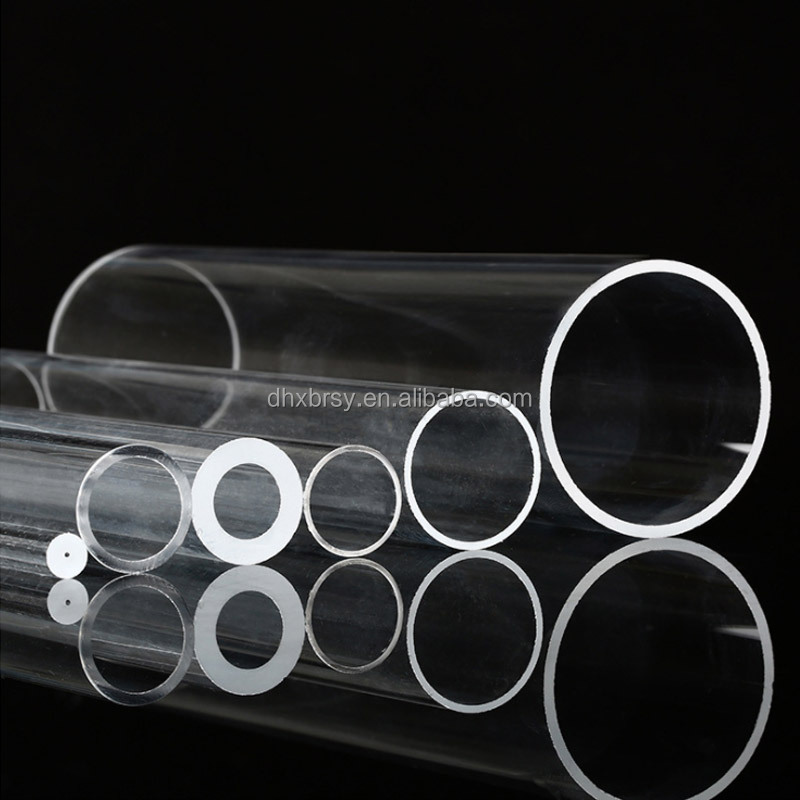
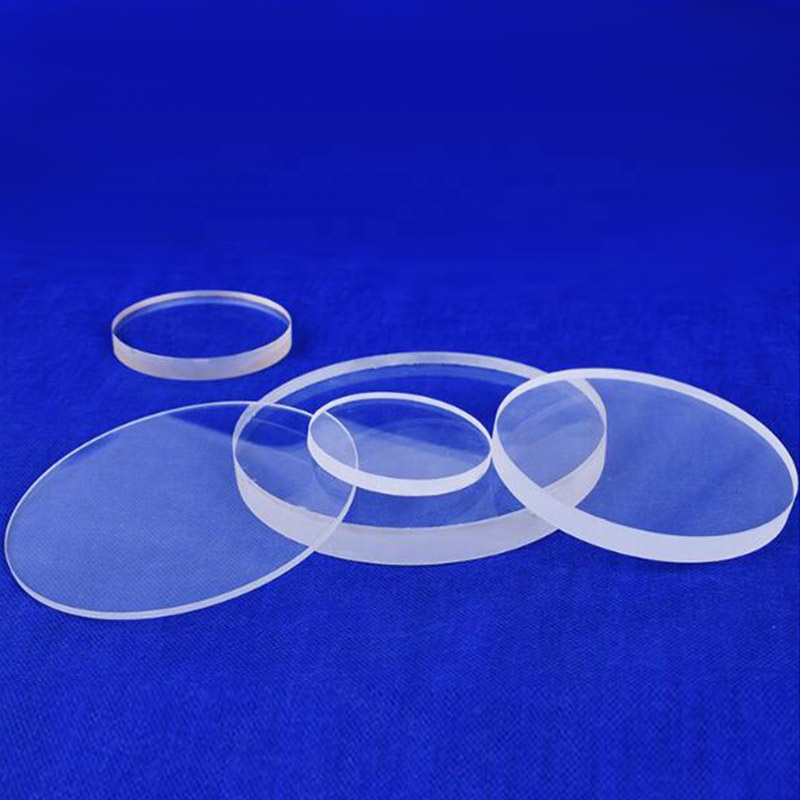
Adlershof hosts over 400 institutes and enterprises specializing in laser tech and optical sensors. Our JGS1 synthetic silica plates, multi-bore laser flow tubes, and custom fiber V-groove arrays provide high laser damage thresholds (LDT > 10 J/cm² at 1064 nm) to eliminate wavefront distortions in ultra-fast laser systems.
Semiconductor R&D & Frankfurt (Oder) Silicon Corridor
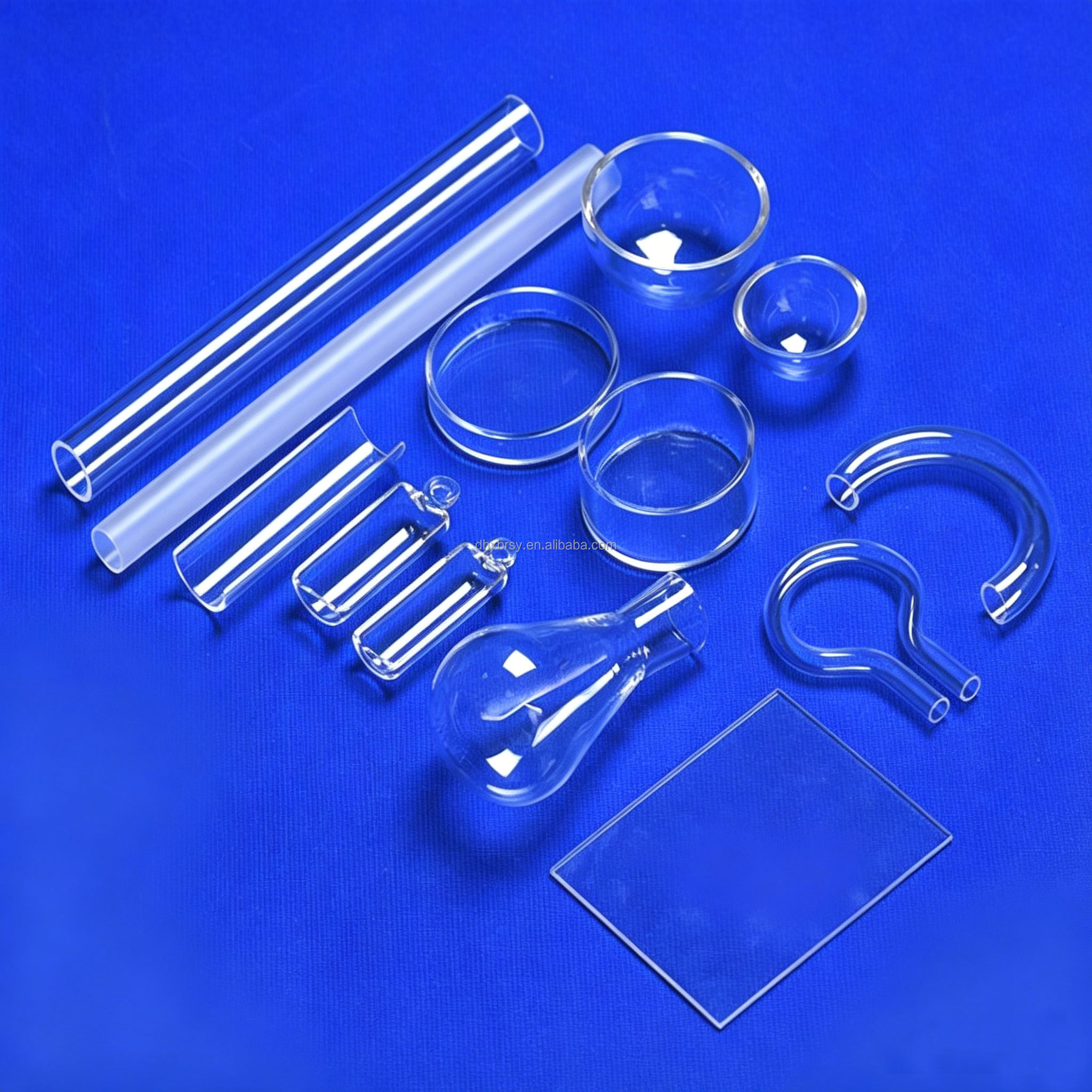
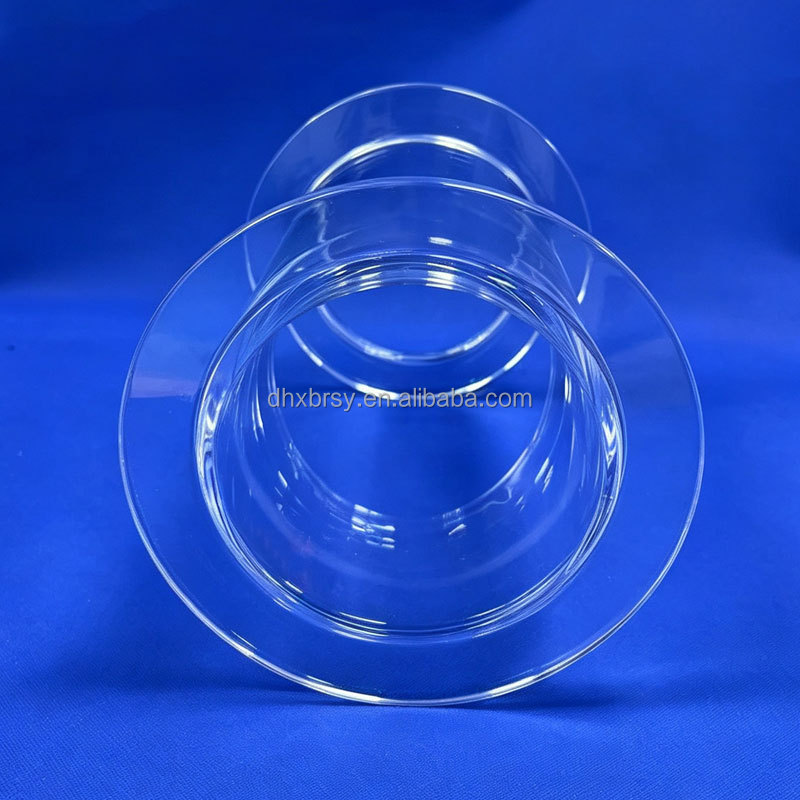
Supplying high-purity wafer boats, diffusion tubes, and double-flanged CVD quartz reaction chambers to microelectronics facilities along the Spree. Featuring trace metal impurities (Al, Fe, Ti, Na, K) strictly below 15 ppm, eliminating toxic dopant cross-contamination in thermal oxidation processes.
Biotechnology & Life Sciences in Berlin-Buch
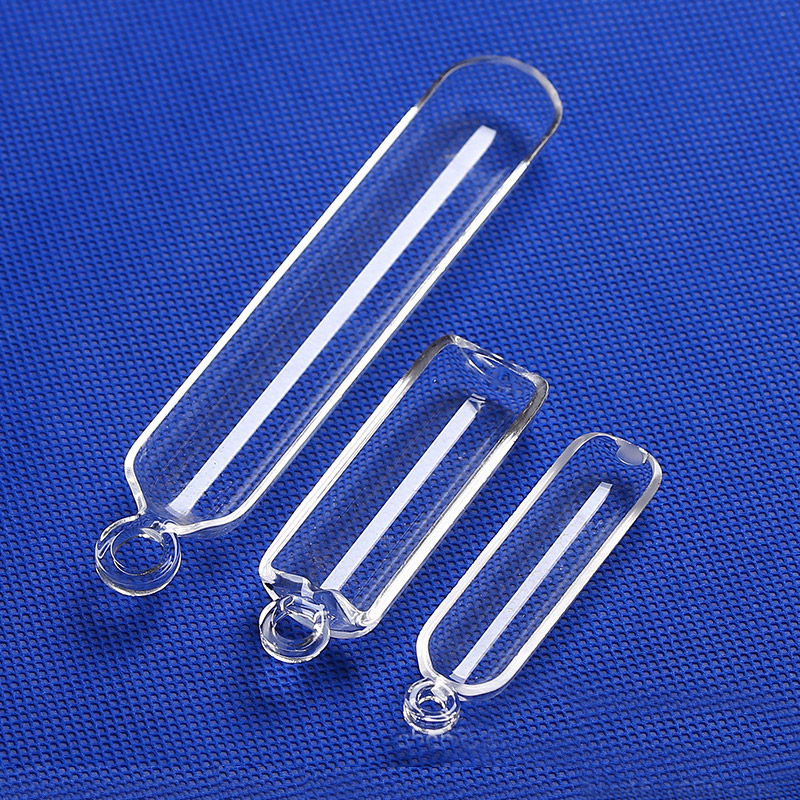
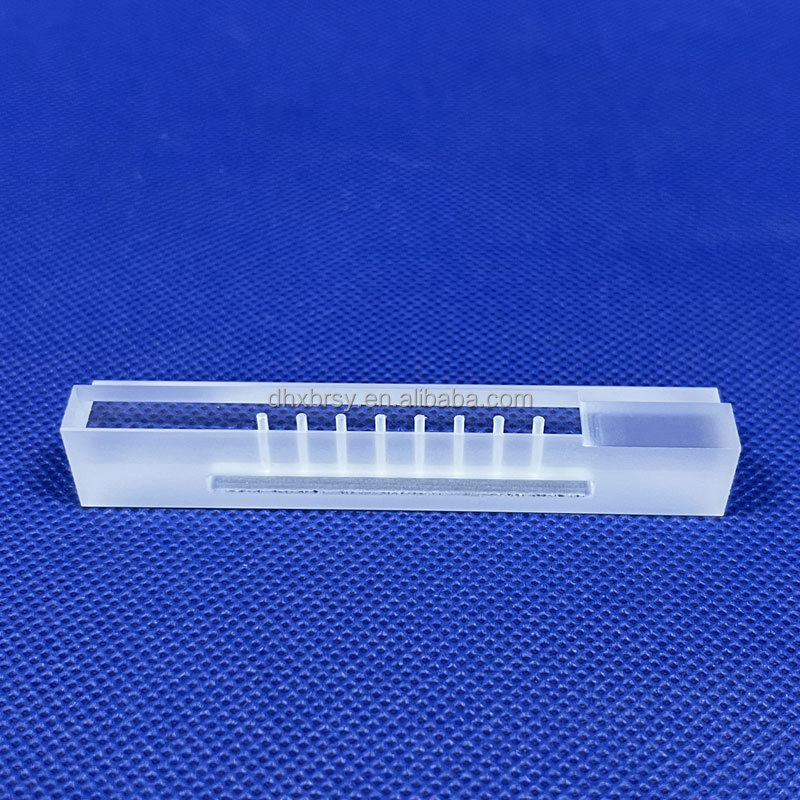
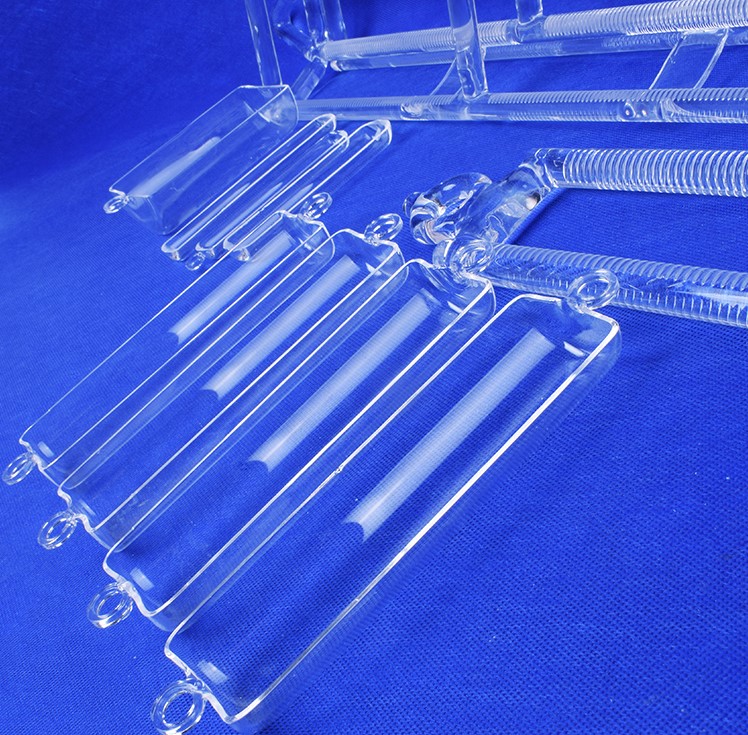
Medical diagnostics and biochemical research hubs require high UV transmittance for spectral photometry. Our precision-drilled 96-well quartz microplates, spectrophotometer flow-through cuvettes, and capillary tubes withstand autoclaving cycles without surface leaching or optical degradation.
Silica Glass Market & Technology Trends in Germany
Analysis of shifting raw material dynamics, EU regulatory pressures, and supply chain strategies influencing German technical glass buyers through 2026.
Procurement directors and laboratory heads in Germany are shifting away from traditional European distributor middle-tiers toward verified original equipment manufacturers (OEMs). Rising energy tariffs across Central Europe have increased the production cost of regional glassblowers. Simultaneously, demand for synthetic silica and optical fused quartz is surging due to heavy federal investments in quantum communication networks, renewable hydrogen thermal monitors, and EU-backed semiconductor fabs.
To balance project lead-time constraints and cost targets, Berlin technology enterprises enforce strict quality verification before acceptance. Key technical requirements focus heavily on:
Supply Chain Resilience
German engineering teams require comprehensive documentation, including batch-specific raw quartz chemical assays, SGS inspection certificates, and RoHS compliance to satisfy CE machinery regulations without import hold-ups at Berlin Brandenburg Airport (BER) cargo hubs.
CNC Micro-Machining Accuracy
Complex experimental setups demand multi-axis CNC processing on brittle fused silica. We machine custom dimensional tolerances within ±0.01 mm, diamond-drilled micro holes from 0.3 mm diameter, and optical edges without mechanical micro-cracking.
Energy-Efficient Thermal Elements
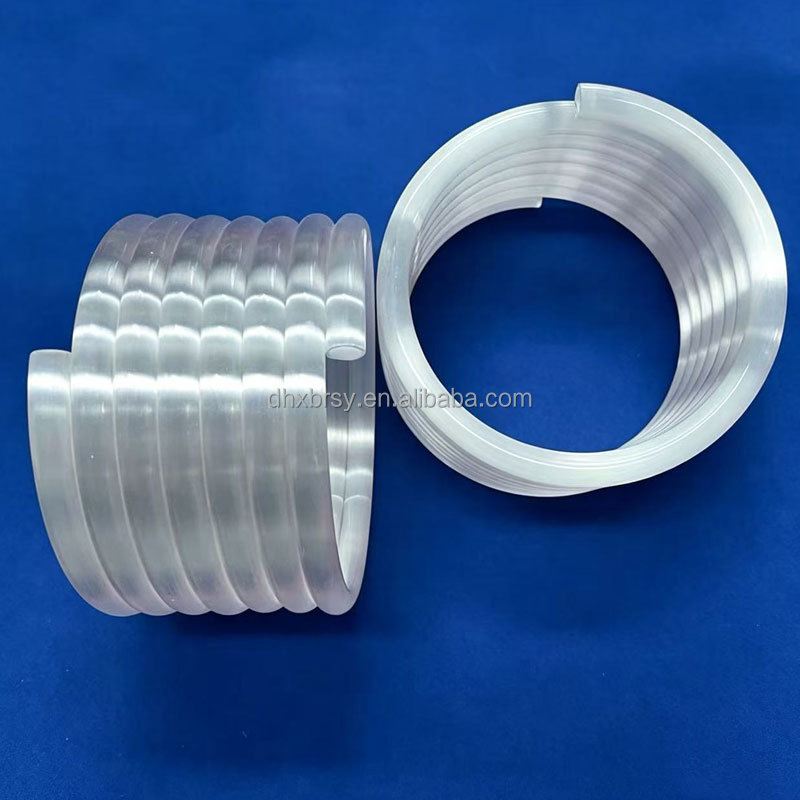
With high local electricity rates, manufacturing plants in Brandenburg demand opaque and spiral quartz infrared heaters that maximize directional heat reflection and operate continuously up to 1,100 °C without sagging or devitrification.
| Material Grade | SiO₂ Content | Optical Spectral Band | Max Working Temp | Recommended Berlin Applications |
|---|---|---|---|---|
| JGS1 (Synthetic Fused Silica) | ≥ 99.999% | 185 nm – 2500 nm (Deep UV) | 1100 °C (Continuous) | Excimer lasers, semiconductor lithography masks, UV optics |
| JGS2 (Fused Quartz) | ≥ 99.99% | 220 nm – 2500 nm (Standard Optical) | 1150 °C (Continuous) | Adlershof optical windows, sight glasses, solar cell test rigs |
| JGS3 (Electrically Fused Quartz) | ≥ 99.99% | 260 nm – 3500 nm (Infrared Transmissive) | 1200 °C (Continuous) | IR heating viewports, pyrometer windows, furnace sight glasses |
| Opaque Silica Glass | ≥ 99.9% | Diffuse / Thermal Reflector | 1100 °C (Continuous) | High-temperature insulation flanges, thermal baffles, spiral tubes |
Why Berlin Procurement Teams Partner with Our Factory
Integrated control over the entire supply chain—from high-grade natural silica sand refining to precision multi-axis CNC finishing—delivering German-tier tolerances with original factory pricing.
Raw Material Source Hub
Situated in Lianyungang, China's premier silica hub. We crush, rescreen, and acid-pickle silica sand in-house to guarantee consistent 99.99% purity and eliminate raw material markups.
SGS Onsite-Verified Facility
Our 14,271 m² plant undergoes on-site assessments by SGS Group. We provide genuine material inspection sheets, dimensional reports, and RoHS declarations with each shipment.
Stress Annealing & QA
Every tube, plate, and custom apparatus undergoes slow, controlled cycle annealing followed by polarization stress testing to prevent thermal shock fractures in customer furnaces.
Export-Grade Shockproof Crating
Fragile quartz requires tailored packaging. We utilize custom high-density PE foam padding, vacuum-sealed barrier foils, and fumigated timber crates designed for global air and multimodal freight.
Frequently Asked Questions for Berlin Buyers
Common queries regarding tariffs, DIN compliance, minimum orders, drawing submissions, and international freight directly to Berlin and Brandenburg industrial zones.
We offer flexible Incoterms including DAP and DDP directly to your facility in Berlin, Potsdam, or Frankfurt (Oder). We handle full export customs documentation, commercial invoices with exact HS codes (e.g., 7002.31 for quartz tubes), and certificates of origin. Air shipments typically arrive at BER Airport within 4–7 business days.
Yes. German clients routinely supply engineering drawings in PDF, DXF, DWG, or STEP format. Our technical engineering division assesses dimensional tolerances, recommends suitable quartz grades (JGS1, JGS2, JGS3), and flags tight bend radii or thin-wall weld junctions before CNC cutting or flame-polishing commences.
We understand that research institutes like the Max Planck Society, Fraunhofer, and TU Berlin frequently require pilot-scale validation. For standard quartz tubes, optical plates, and custom-welded apparatus, our minimum order quantity starts from just 1 piece, scaling up to batch production once your prototype is validated.
Our export packaging is engineered for long-distance transport. Individual components are sealed in antistatic dust wraps, encased in custom-cut high-density EPE foam cavities, and secured inside double-wall corrugated cartons or fumigated export wooden crates. In the rare event of transit damage, verified claims receive immediate priority replacement.
While borosilicate 3.3 softens at approximately 820 °C and has a thermal expansion coefficient around 3.3 × 10⁻⁶ /°C, transparent fused quartz withstands continuous temperatures up to 1100 °C (short peaks to 1300 °C) with an ultra-low expansion of 5.5 × 10⁻⁷ /°C. Fused quartz also provides deep UV optical transmission down to 185 nm, where borosilicate is completely opaque.
We supply certified polarization stress test data and raw silica glow discharge mass spectrometry (GDMS) or ICP-OES elemental analysis sheets upon request. Our testing confirms that residual internal stress remains safely below DIN safety limits and alkali impurities (Na, K, Li) stay under trace ppm levels.