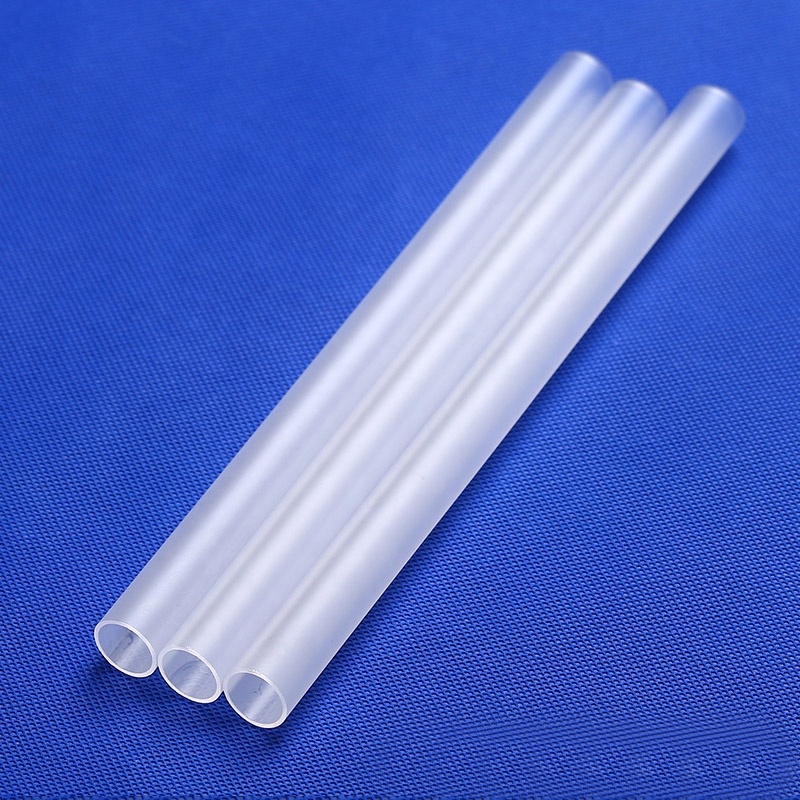
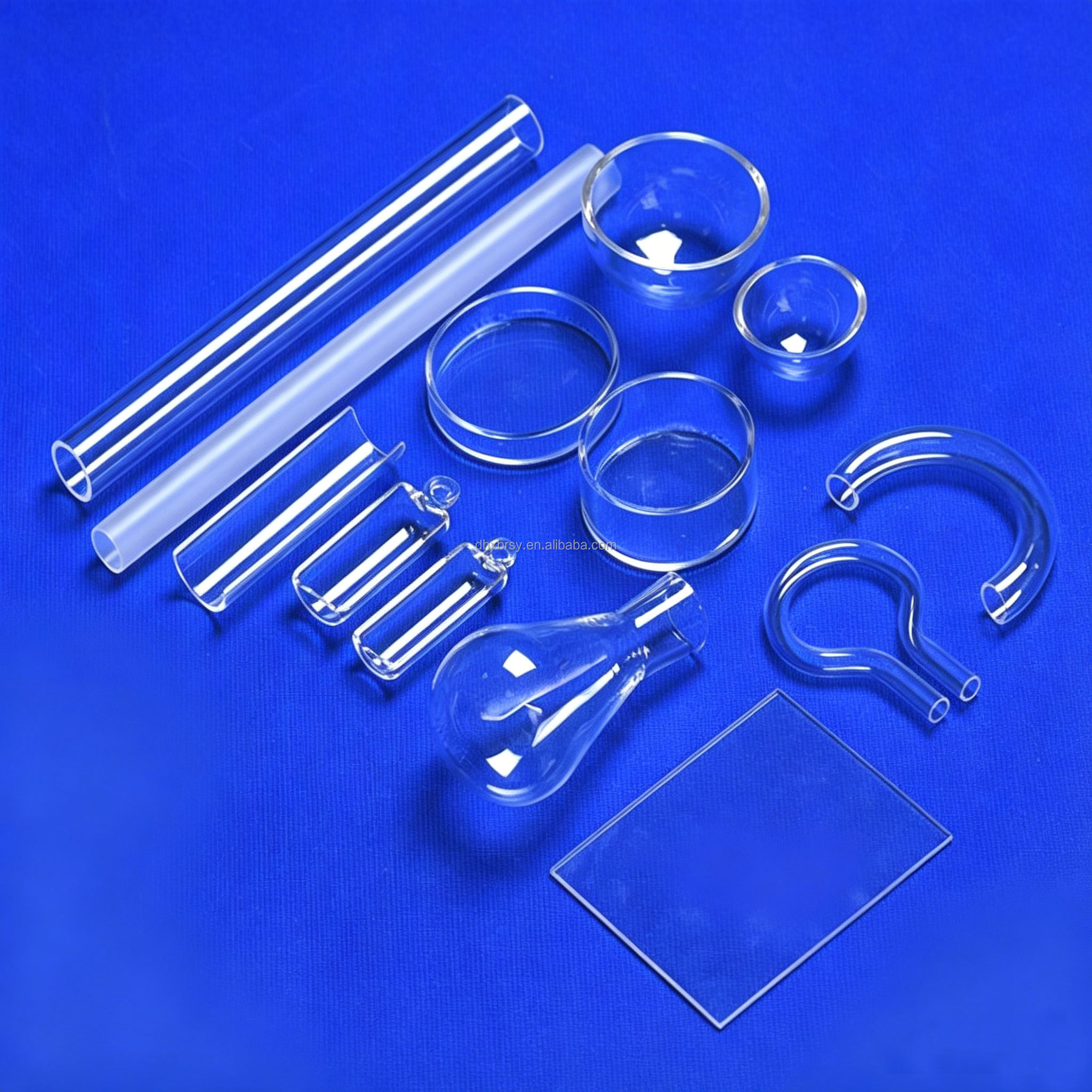
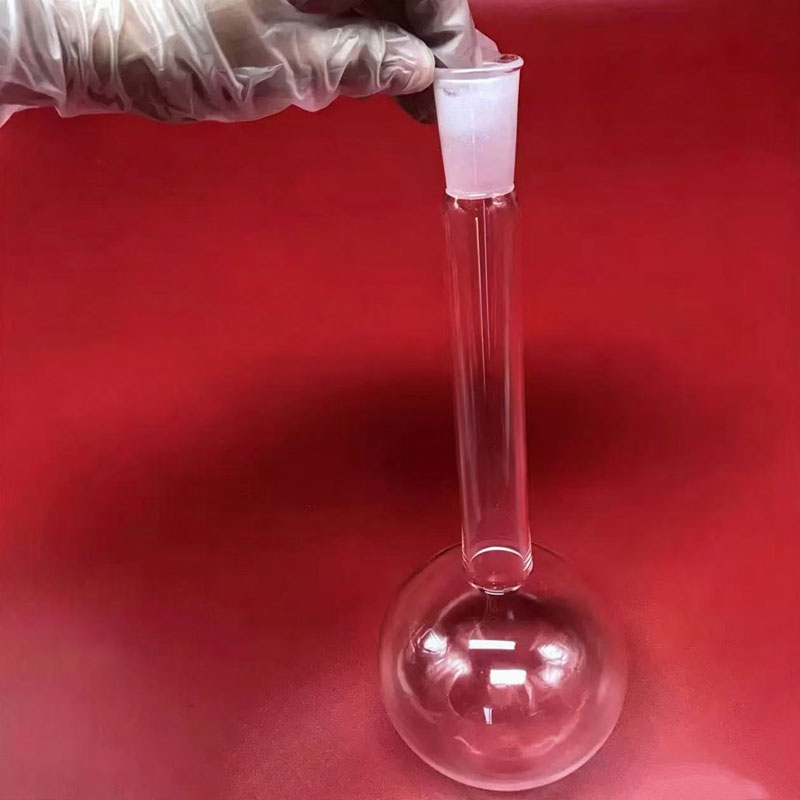
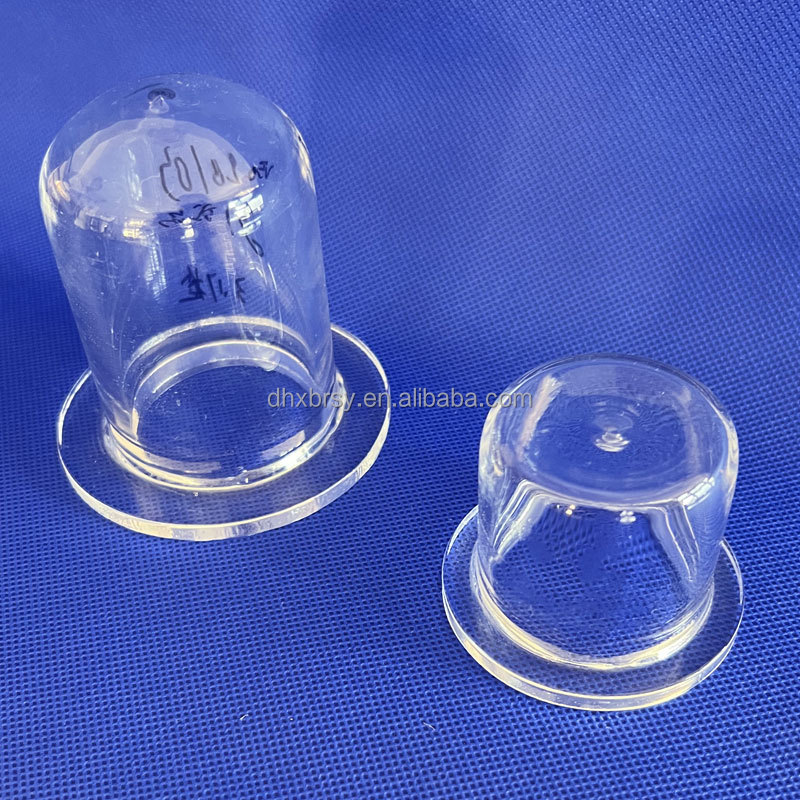
Specialized Fused Quartz Components for High-Stress Applications
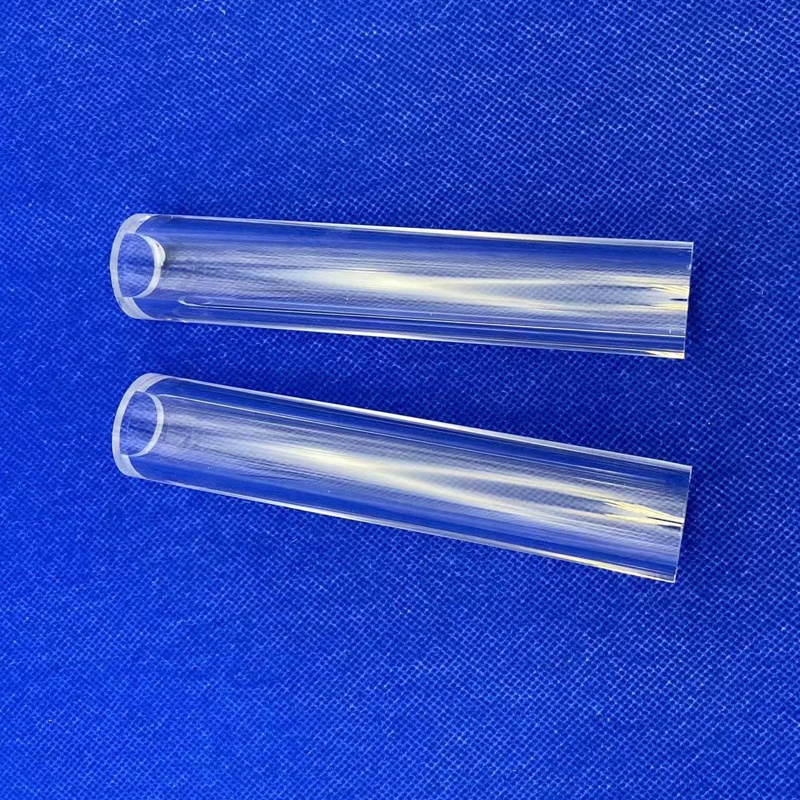
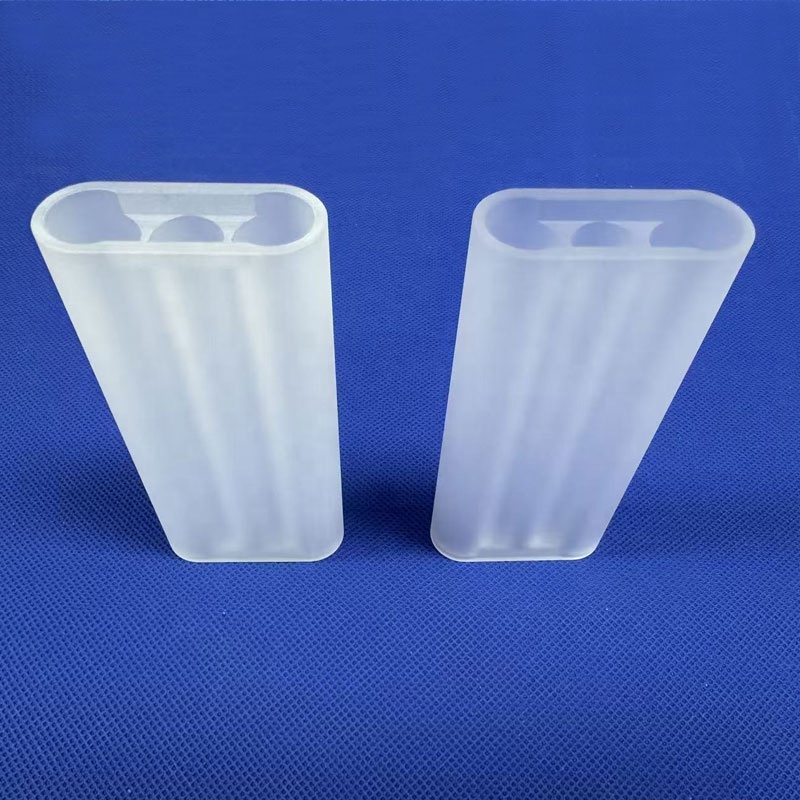
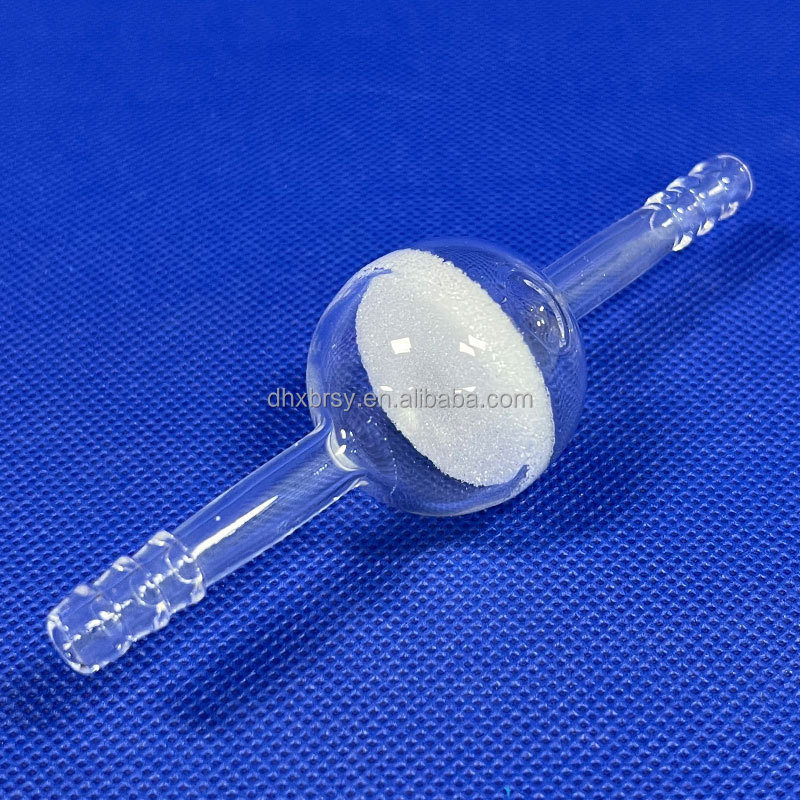
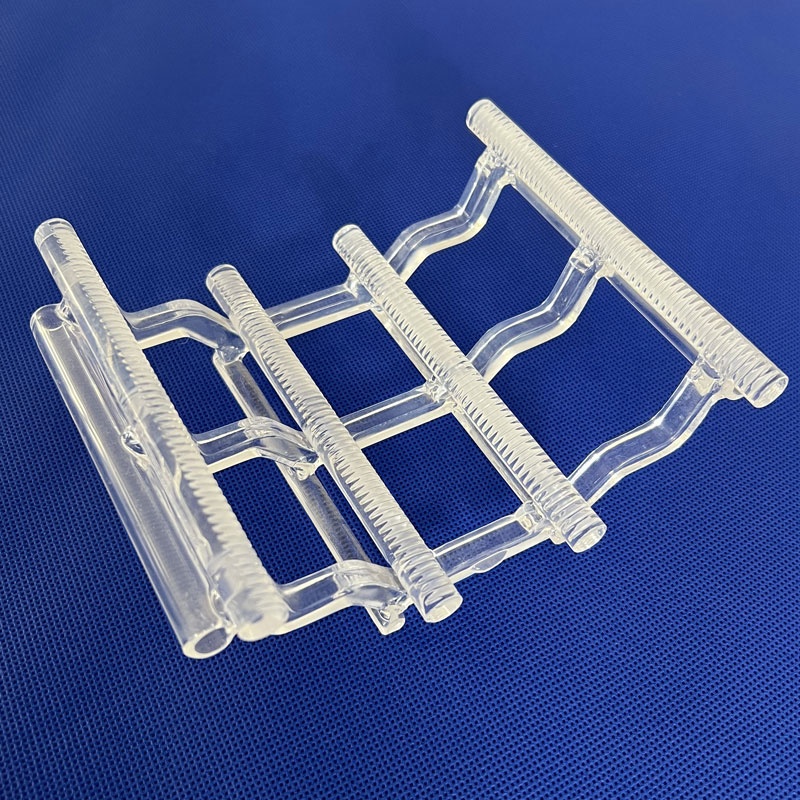
Engineered from 99.99% SiO₂ raw silica, stress-annealed and diamond CNC polished to guarantee extreme thermal resilience, mechanical accuracy, and ultra-wide spectral transparency.
High-Purity Quartz Plates in the Baltic Industrial Corridor: An Engineering Evaluation for Klaipėda
In the contemporary European industrial matrix, the port city of Klaipėda, Lithuania, serves as a vital logistics, energy, and precision-engineering hub. As Western Lithuania intensifies its capital investment into advanced clean energy installations, marine engineering systems at the Klaipėda Free Economic Zone (FEZ), and Baltic photonics clusters linked with Vilnius and Kaunas, the demand for refractory and high-transmittance optical materials has undergone a structural transformation. Fused quartz plates and synthetic fused silica windows are no longer treated as generic labware; they represent mission-critical components operating under combined thermal, chemical, and mechanical stress.
Procurement engineers and mechanical designers operating in Klaipėda encounter acute environmental challenges: the aggressive marine atmosphere of the Baltic Sea, stringent cryogenic monitoring parameters at LNG bunkering hubs, and demanding requirements for laser-cutting and optical testing assemblies. Sourcing directly from premier Chinese quartz manufacturing clusters—specifically from Lianyungang, Jiangsu, where 80% of high-purity natural silica synthesis and processing takes place—bridges the gap between extreme technical tolerances and capital cost rationalization.
1. The Material Science of Fused Quartz: Optical Purity & Structural Dynamics
Fused quartz plates manufactured by Lovri Quartz Products Co., Ltd. are derived from pure silicon dioxide (>99.99% SiO₂). The primary functional differentiator of fused silica over ordinary borosilicate or aluminosilicate glasses lies in its amorphous, highly stable tetrahedral structure. With a virtually negligible coefficient of thermal expansion (CTE) of approximately 5.5 × 10⁻⁷ /°C within the 20°C to 320°C spectrum, fused quartz plates can withstand immediate thermal gradients that would instantly fracture crystalline or soda-lime alternatives.
When selecting a quartz plate or window for specialized Baltic maritime or industrial equipment, understanding the grade distinctions—JGS1, JGS2, and JGS3—is mathematically imperative to ensure correct optical path efficiency:
- JGS1 (Synthetic Fused Silica): Synthesized via chemical vapor deposition of pure silicon halides. It possesses an exceptionally low metallic impurity profile (<1 ppm) and an absence of bubble inclusion. JGS1 exhibits outstanding transmission in the deep ultraviolet (DUV) band, maintaining >90% internal transmittance down to 185 nm, making it the benchmark for Baltic laser optics, excimer systems, and UV spectroscopic photometers.
- JGS2 (Optical Grade Fused Quartz): Smelted from natural high-purity quartz crystal sand using an oxy-hydrogen flame. JGS2 covers an optical transmission range of 220 nm to 2500 nm. It combines cost-effective manufacturing with superior mechanical strength, widely employed in sight glasses for chemical reactors, thermal viewport flanges, and UV curing arrays.
- JGS3 (Infrared Fused Quartz): Electrically fused in a vacuum furnace to eliminate hydroxyl ions ([OH⁻] typically <5 ppm). Because the water absorption band at 2730 nm is suppressed, JGS3 guarantees high transmission across the near-to-mid infrared spectrum up to 3500 nm, providing optimal service life in industrial infrared heating, pyrometric thermal sensors, and high-temp sight tubes.
99.99%
SiO₂ Chemical Purity
1100°C
Continuous Operating Temp
±0.005mm
CNC Dimensional Precision
14,271 m²
SGS Audited Facility
2. Material Comparison: Technical Specifications of Quartz vs Alternate Glasses
To assist Klaipėda design engineers in mechanical modeling and FEA (Finite Element Analysis) simulations, the table below consolidates physical, thermal, and optical properties verified in our certified materials testing laboratory:
| Engineering Property | Lovri Fused Quartz (JGS1 / JGS2) | Borosilicate 3.3 Glass | Sapphire Substrate (Al₂O₃) |
|---|---|---|---|
| Chemical Composition | >99.99% SiO₂ | 81% SiO₂, 13% B₂O₃, 4% Na₂O | 99.99% Single Crystal Al₂O₃ |
| Density (g/cm³) | 2.20 | 2.23 | 3.98 |
| Coeff. of Thermal Expansion (20-300°C) | 5.5 × 10⁻⁷ /°C | 32.5 × 10⁻⁷ /°C | 58.0 × 10⁻⁷ /°C |
| Maximum Continuous Temp (°C) | 1100°C | 450°C | 1600°C |
| Short-Term Softening Point (°C) | 1730°C | 820°C | 2040°C |
| Dielectric Strength (kV/mm at 20°C) | 25 - 40 | 15 - 20 | 48 |
| Thermal Shock Tolerance | 1100°C quenching into cold water | Max ΔT ≈ 150°C | Max ΔT ≈ 200°C |
| Useful Spectral Range | 185 nm - 3500 nm | 350 nm - 2500 nm | 150 nm - 5500 nm |
| Refractive Index (Nd at 589 nm) | 1.458 | 1.473 | 1.768 |
3. Specialized Applications in the Klaipėda Regional Cluster
The operational landscape around the Curonian Lagoon, the Klaipėda Seaport, and the Western Lithuanian hinterland exhibits targeted use-cases where standard technical glass fails prematurely:
Cryogenic LNG Viewports & Marine Thermal Barriers: Klaipėda's role as the Baltic gatekeeper for liquefied natural gas via the "Independence" FSRU terminal requires monitoring windows that resist acute thermal shock. Transitioning from ambient air conditions to cryogenic methane pipelines (-162°C) or flare stack combustion monitoring demands quartz plate viewports that experience neither micro-cracking nor dielectric breakdown. Lovri provides circular, chamfered quartz observation discs with helium-leak-tested flange seatings.
Marine Exhaust Scrubbers & Ballast Water Disinfection: With IMO emission caps strictly enforced in Baltic waters, retrofitting container carriers and bulk freighters with desulfurization scrubbers and ultraviolet ballast water treatment systems (BWTS) has intensified. Ballast water treatment utilizes high-power amalgam UV lamps enclosed within heavy-wall quartz sleeves and optical control windows. The quartz glass must deliver uninhibited 254 nm germicidal transmission while remaining totally inert to hot sulfurous washdown acid (pH 1.5–3.0) and high-salinity marine slurries.
Clean Energy, Photovoltaics & Heat Treatment: Western Lithuania's aggressive deployment of solar park manufacturing and wind turbine auxiliary electronics creates continuous need for wafer diffusion carriers and sintering furnace plates. Lovri manufactures high-transmittance carrier boats and flat furnace hearth plates that operate indefinitely at 1150°C without devitrification or structural warpage.
Cryogenic & LNG Handling
Thermal-gradient-resistant quartz observation ports for liquid nitrogen, cryogenic methane storage, and high-temperature burner visual inspections in Klaipėda marine facilities.
Optics & Laser Systems
Precision synthetic JGS1 substrates for Baltic laser cutting equipment, beam splitters, collimation optics, and UV optical bench sensors polished to 20/10 scratch-dig.
Chemical & Agro-Fertilizer
Corrosion-proof sight glass for chemical reactors, digesting columns, and synthesis vessels resistant to nitric, sulfuric, and hydrochloric acid fumes common in Baltic process plants.
Photovoltaic & Thermal
Wafer boats, flat sintering trays, and diffusion quartz plates maintaining mechanical planarity and ultra-low metal contamination (<5 ppm) during solar cell production.
Direct Sourcing from Lianyungang to Klaipėda: Eliminating Broker Markup
Lovri Quartz Products Co., Ltd. operates an integrated, SGS-verified 14,271 m² manufacturing complex located in the Tuofeng Industrial Park, Lianyungang. Rather than acquiring third-party blanks of uncertain provenance, our facility handles the entire lifecycle: natural crystal lump crushing, acid pickling, furnace drawing, thermal annealing, precision diamond cutting, and 5-axis CNC grinding.
Procuring directly from the source enables Lithuanian enterprises to achieve complete batch traceability, critical dimensional tolerances (down to ±0.005 mm), and full compliance with EU REACH and RoHS environmental directives.
- Full Polarization Stress Testing: Every quartz plate is systematically examined under cross-polarized light to guarantee extinction uniformity and eliminate latent cracking.
- Comprehensive Optical Metrology: Interferometer wavefront validation, spectrophotometer transmission reports (190–3200 nm), and tactile surface profilometry (Ra < 0.5 nm).
- Dedicated Baltic Maritime Logistics: Seamless door-to-port and door-to-door transit via direct ocean freight to the Port of Klaipėda, accompanied by customized export wooden crating with foam-in-place shock protection.
Emerging Trends Driving Quartz Consumption in the Baltic Sea Basin
Technological diversification across Lithuania, Latvia, and regional maritime trading lanes is fundamentally transforming quartz material procurement priorities.
Semiconductor & Micro-Machining Nearshoring
As the European Union expands regional microchip packaging and electronics assembly in Central and Eastern Europe, demand for high-purity etching baths, quartz wafer cassettes, and UV photolithography alignment masks has experienced sustained double-digit growth.
Green Hydrogen & Offshore Power Systems
Klaipėda's development of green hydrogen pilot plants demands sight glass assemblies capable of resisting high-pressure hydrogen permeation while allowing real-time flame ionization and spectroscopic gas composition analysis under elevated temperatures.
Stringent Environmental Monitoring in the Baltic
Continuous marine water and air quality telemetry utilizes quartz cuvettes and absorption tubes for in-situ spectrophotometric analysis of trace nitrates, phosphates, and marine contaminants without optical degradation from saline salt crusting.
Frequently Asked Questions for Klaipėda Industrial Buyers
Direct technical and commercial answers regarding lead times, logistics, international customs classification, and tolerance validation.
What is the typical shipping transit time from your Lianyungang factory to the Port of Klaipėda?
How do you ensure zero transit breakage for fragile quartz plates shipped over sea?
Can you manufacture quartz plates with complex CNC counterbores, bevels, and step holes?
What documentation is provided to satisfy EU customs and Lithuanian quality audits?
What is your Minimum Order Quantity (MOQ) for custom-engineered quartz components?
Partner with China's Premier Fused Quartz Manufacturer
Accelerate your engineering workflow. Upload your technical drawings, specify quartz grade requirements, and receive a comprehensive manufacturability review and factory-direct quotation within 12 hours.
Send an Inquiry