LAB & SEMI
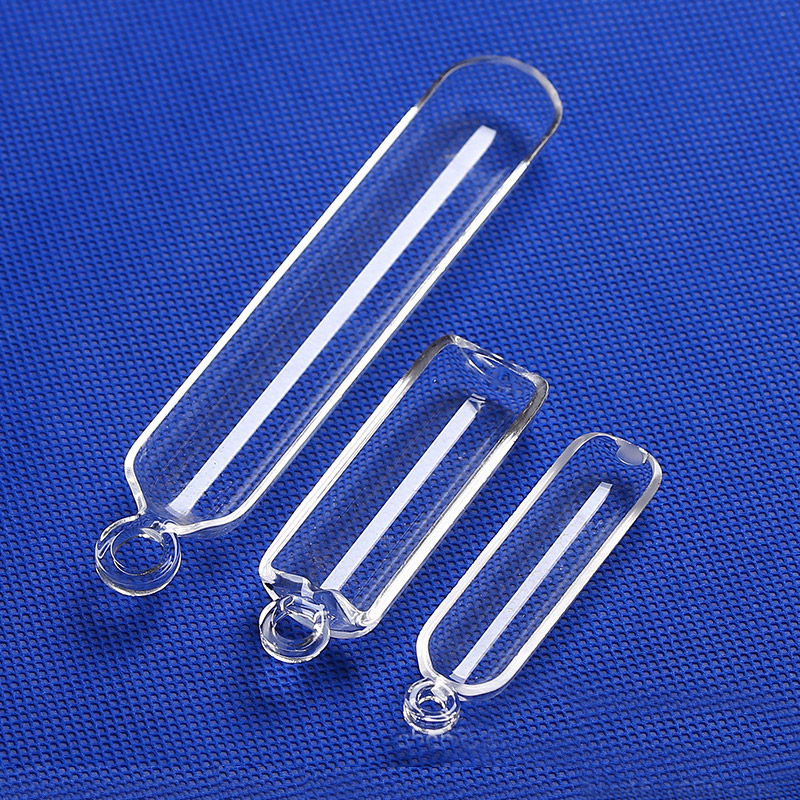
High Quality Fused Quartz Custom Made Boat Laboratory Apparatus
Welding & cutting services · 99.98% Silica · RoHS certified · Extreme thermal stability for chemical calcination.
As Germany advances its high-tech sovereignty across Silicon Saxony (Dresden), Baden-Württemberg optical clusters, and North Rhine-Westphalia chemical corridors, procurement teams require an uninterrupted direct-from-factory source for high-purity (≥ 99.99% SiO₂) custom-machined quartz. Lovri Quartz delivers high thermal shock endurance, near-zero thermal expansion, and precision CNC grinding to exact customer blueprints.
Welding & cutting services · 99.98% Silica · RoHS certified · Extreme thermal stability for chemical calcination.
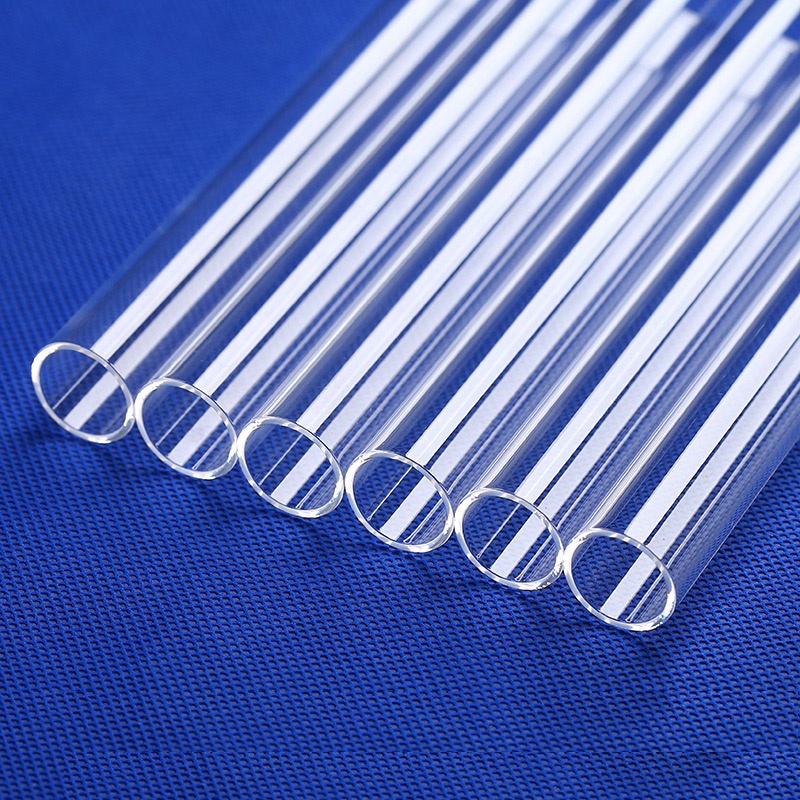
Heat resistant · Semiconductor cleaning pipeline · Precision hot-bending & seamless fusion welding.
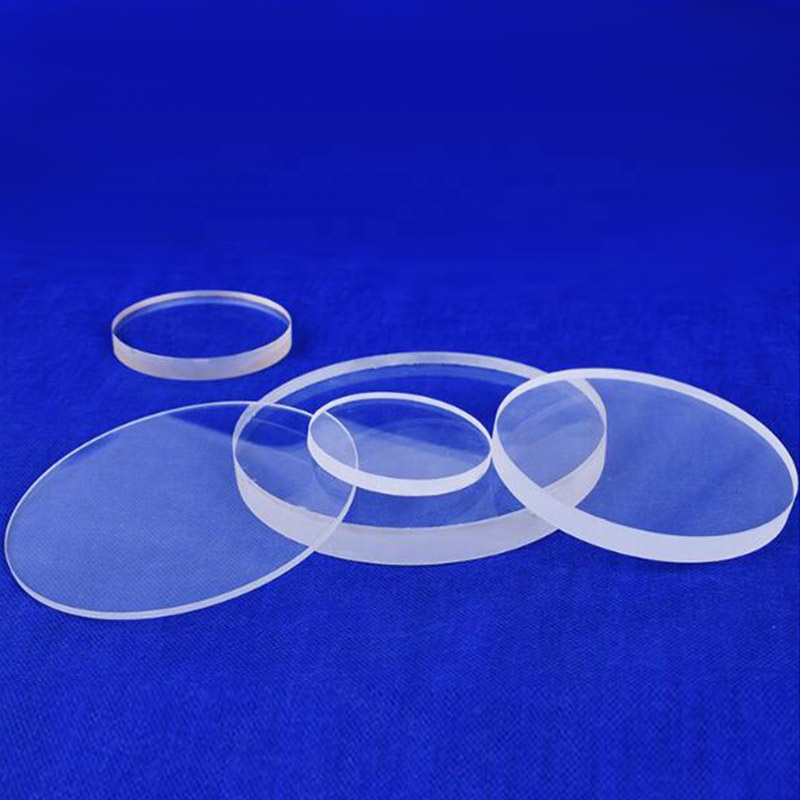
99.99% SiO₂ content · RoHS certified · BAO RAN optical grade for UV laser systems and beam splitters.
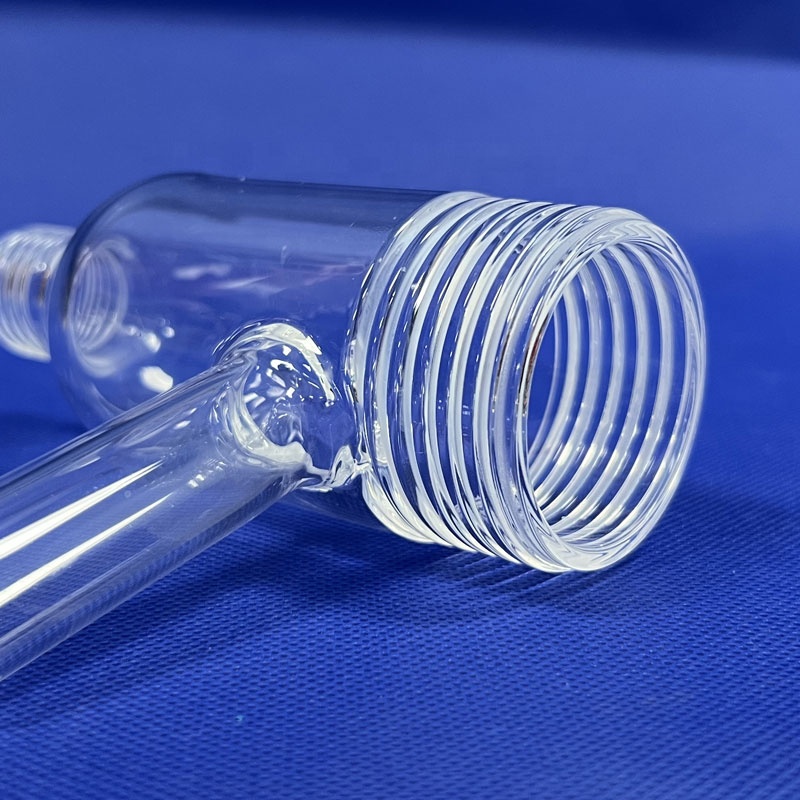
Side arm lab vessel · Precision screw threads · Hermetic sealing for aggressive chemical synthesis.
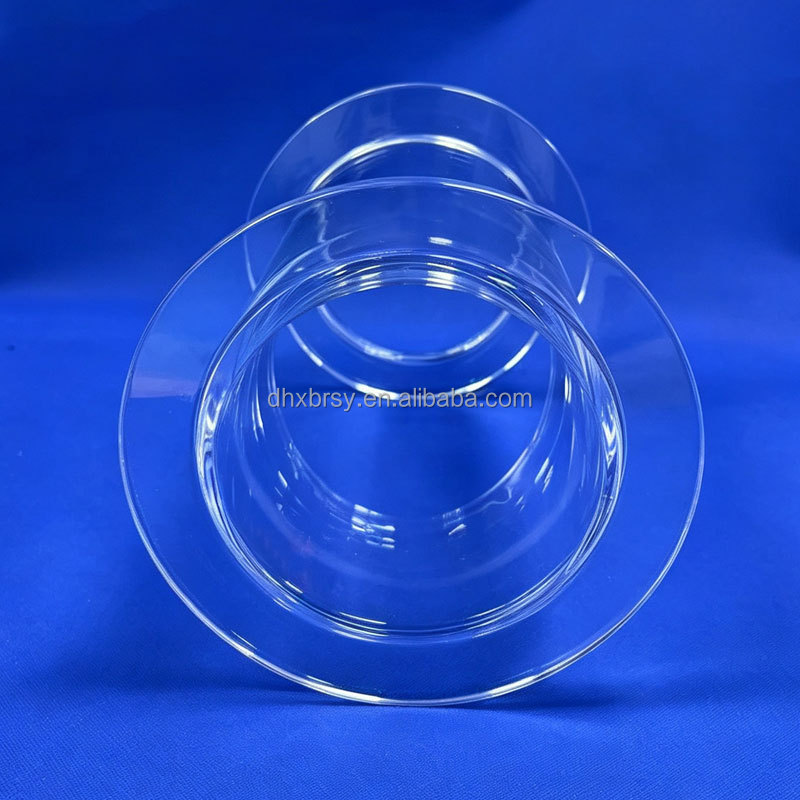
RoHS certified · Semiconductor CVD reaction chamber · Precision ground double-flange mating faces.
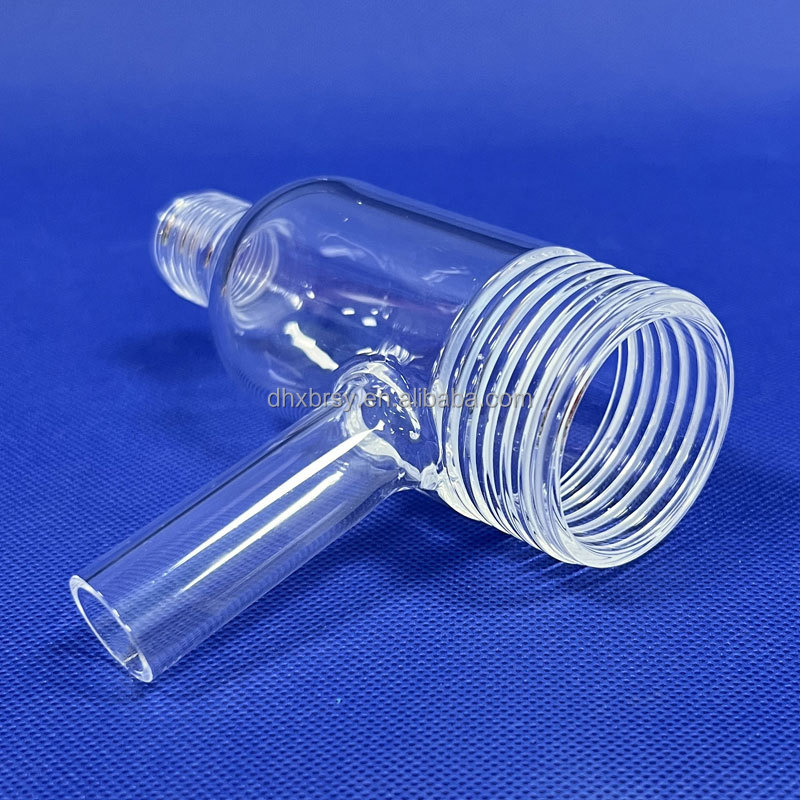
Corrosion-resistant · Threaded SiO₂ 99.99% · Flame-polished finish · Suitable for industrial furnace viewports.
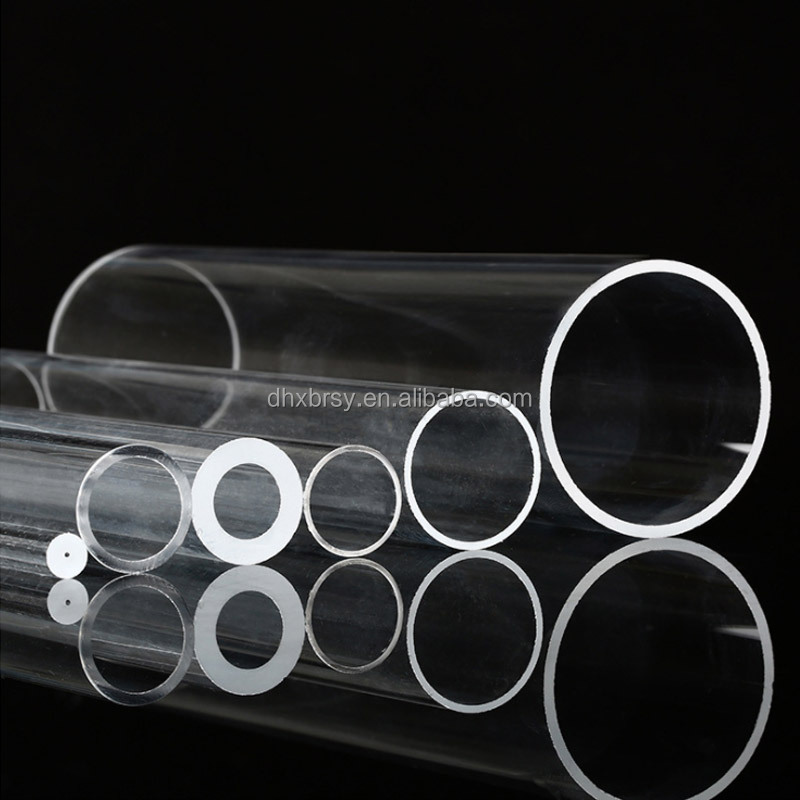
Small industrial drying · Coffee makers & dispensers · Rapid thermal response with infrared wave transmission.
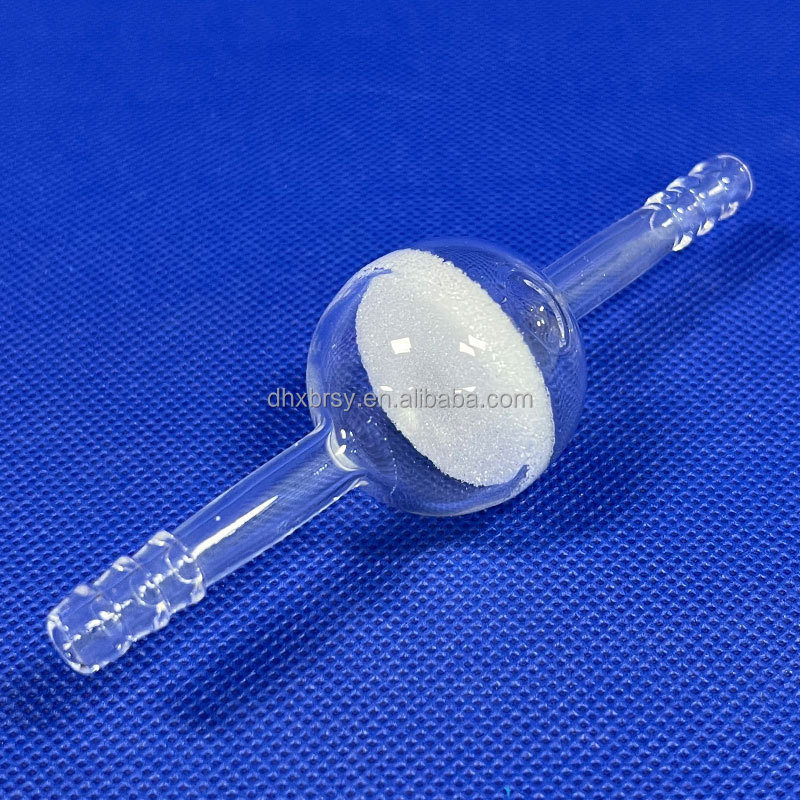
High light transmittance · High heat resistance · RoHS certified · Trace-metal digestion and spectroscopy.
Unlike trading entities that broker quartz stock, Lovri Quartz controls the complete vertical cycle in Donghai/Lianyungang—China’s primary quartz mining and processing hub. We bridge German engineering rigor (Industrie 4.0) with localized Asian raw material economics.
In-house pulverizing, multi-stage magnetic separation, and dedicated acid pickling eliminate trace metallic contaminants (Fe, Al, Ti, alkali metals) down to parts-per-billion thresholds, yielding optical and semiconductor-grade synthetic and fused quartz.
Uncontrolled internal stress causes unexpected shattering during wafer processing. Every specialized component undergoes extended programmable thermal annealing followed by polarization stress optical examination to eliminate optical retardance.
Our facility pairs 4-axis and 5-axis ultrasonic CNC milling centers with veteran lamp-working glassmiths for seamless hydrogen-oxygen flange fusion, multi-bore hole drilling, thread grinding, and polished optical viewing ports.
Shock-tested custom vacuum molds, high-density polyethylene foams, and reinforced fumigated timber crates ensure custom quartz boats, CVD tubes, and thin discs reach Frankfurt, Hamburg, and Munich airports intact with full RoHS & material test reports (MTR).
German quality audits emphasize repeatability and documented provenance. The 12-stage manufacturing sequence maintained in our 14,271 m² production facility guarantees that every special-shaped part performs predictably under vacuum and cyclic heat:
Lump grading, crushing, and high-frequency rescreening to tight mesh distributions.
Hydrofluoric/nitric acid bath pickling, continuous vacuum electric fusion drawing, and thermal soaking.
End doming, lathe-welded precision flanges, ground quartz joints, and vacuum testing.
Diamond profile grinding, CMM dimensional verification, polarization stress scan, and clean-wrap.
Precision-shaped quartz glass fulfills a critical role where borosilicate glass, technical ceramics, and specialty polymers fail due to excessive temperature, thermal shock, or chemical aggression. German engineering relies on our components across four strategic corridors:
In wafer fabs across Dresden, Freiberg, and Erfurt, quartz apparatuses operate inside 1,050 °C diffusion furnaces, rapid thermal processing (RTP) chambers, and plasma etch modules. Products like our Double-Flange Quartz Cylinders and Wafer Boats offer ultra-low particulate contamination and resist devitrification during extended silane and nitrous oxide exposures.
Germany’s photonics hubs require synthetic JGS1 and fused JGS2 optics with deep-UV transparency down to 185 nm. Our Triple-Bore Flow Tubes and Polished Quartz Plates serve as flashlamp water-cooling jackets, excimer laser cavities, and laser beam windows, maintaining flat wavefront distortion and high laser damage thresholds (LDT).
Industrial giants in Leverkusen, Ludwigshafen, and the Ruhr Valley rely on quartz threaded reaction vessels and Digestion Tubes for elemental trace analysis (ICP-MS, AAS) where chemical leaching must not distort parts-per-billion detections. Quartz remains chemically inert against concentrated hot acids, including aqua regia and sulfuric acid.
Designers and Einkaufsleiter (procurement leads) need transparent data to specify the right silica grade. The following table provides engineering benchmarks validated by our in-house spectrometry and thermal analysis equipment:
| Property Parameter | JGS1 (Synthetic Fused Silica) | JGS2 (Optical Fused Quartz) | JGS3 (Infrared Fused Quartz) | Borosilicate Glass 3.3 |
|---|---|---|---|---|
| SiO₂ Content (%) | ≥ 99.999% | ≥ 99.99% | ≥ 99.98% | ≈ 81% |
| Optical Transmission Band | 185 nm – 2,500 nm (Deep UV) | 220 nm – 2,500 nm (Standard Optical) | 260 nm – 3,500 nm (Near-to-Mid IR) | 320 nm – 2,000 nm |
| Coeff. of Thermal Expansion (CTE) | 5.5 × 10⁻⁷ / °C | 5.5 × 10⁻⁷ / °C | 5.5 × 10⁻⁷ / °C | 33 × 10⁻⁷ / °C (6× Higher) |
| Max Working Temp (Continuous) | 1,150 °C | 1,100 °C | 1,050 °C | 450 °C |
| Short-Term Max Temperature | 1,350 °C | 1,300 °C | 1,250 °C | 500 °C |
| Dielectric Strength (kV/mm at 20°C) | 25 – 40 | 25 – 35 | 25 – 30 | ≈ 15 |
| Hydroxyl (OH⁻) Content | < 5 ppm to 1,200 ppm (Grade-dep.) | ≈ 150 – 200 ppm | < 5 ppm (Water-free IR) | N/A |
* Note: All values are standard laboratory reference figures. Custom component certificates of analysis (CoA) and dimensional CMM inspection reports are provided with each production lot dispatched to Europe.
Procurement within the German Mittelstand and multinational enterprises is experiencing structural changes driven by geopolitical realignments, energy cost pressures, and technological evolutions:
1. Dual-Sourcing Strategies to Counter High Domestic Energy Costs: Energy-intensive thermal glass drawing in Central Europe has faced steep cost escalations. German Tier-1 engineering firms are increasingly mitigating single-supplier risks by qualifying direct Chinese manufacturing partners who own integrated silica sand sources and on-site electric melting infrastructure, ensuring cost resilience without sacrificing ISO-level precision.
2. Increased Demand for Custom, Low-Volume Complex Geometries: With the rise of advanced quantum optics research, localized hydrogen electrolyzer pilots, and specialized micro-reactors, standard catalog tubes no longer suffice. German design engineers require immediate CAD-to-part capability (STEP/DWG files converted into 5-axis CNC paths), demanding agile prototypes in batches of 1 to 10 units before scaling.
3. Strict Supply Chain Due Diligence (LkSG Compliance): German buyers must comply with the Lieferkettensorgfaltspflichtengesetz (Supply Chain Due Diligence Act). Lovri Quartz fulfills these statutory expectations by operating out of verified facilities evaluated on-site by SGS, documenting environmental compliance (RoHS/REACH), and maintaining full raw material traceability from mine to finished carton.
Below are authentic technical and procedural queries routinely addressed by our application engineers during technical review meetings with German procurement teams:
Submit your STEP, DWG, or PDF specifications directly to our engineering desk. We conduct an instant DFM (Design for Manufacturability) review and provide technical quotes within 24 hours.
Contact Us