Optical Plate
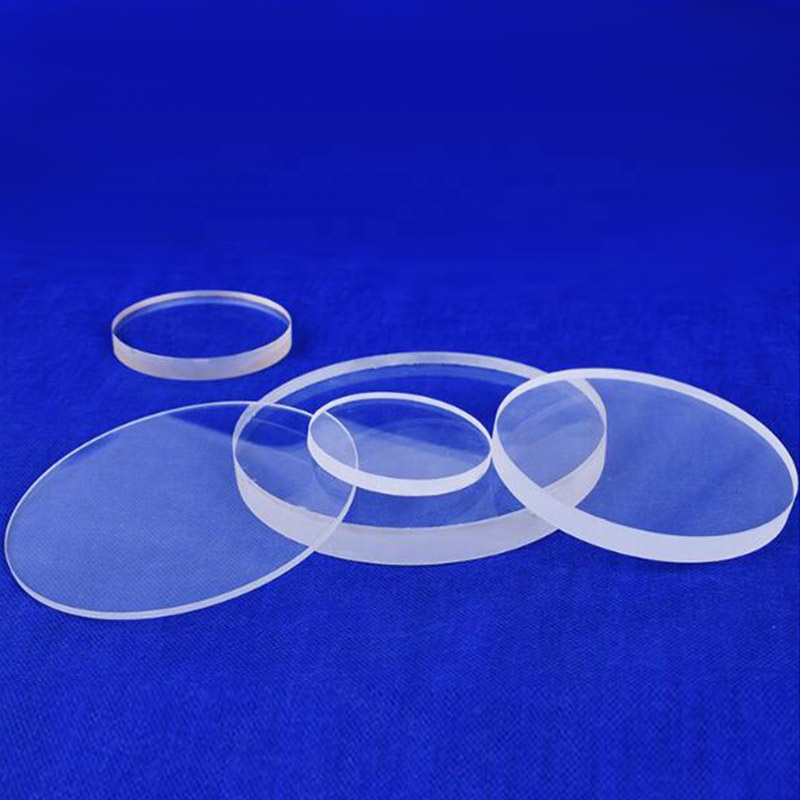
Explore our core selection of optical plates, precision laser bores, furnace tubes, and semiconductor carriers engineered to meet stringent European laboratory and fabrication tolerances.
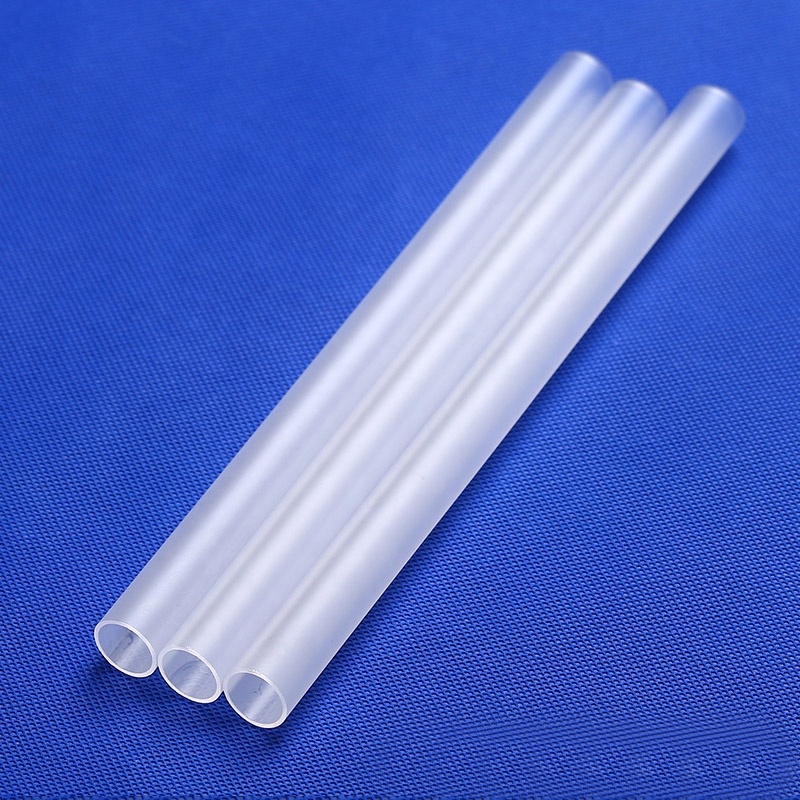

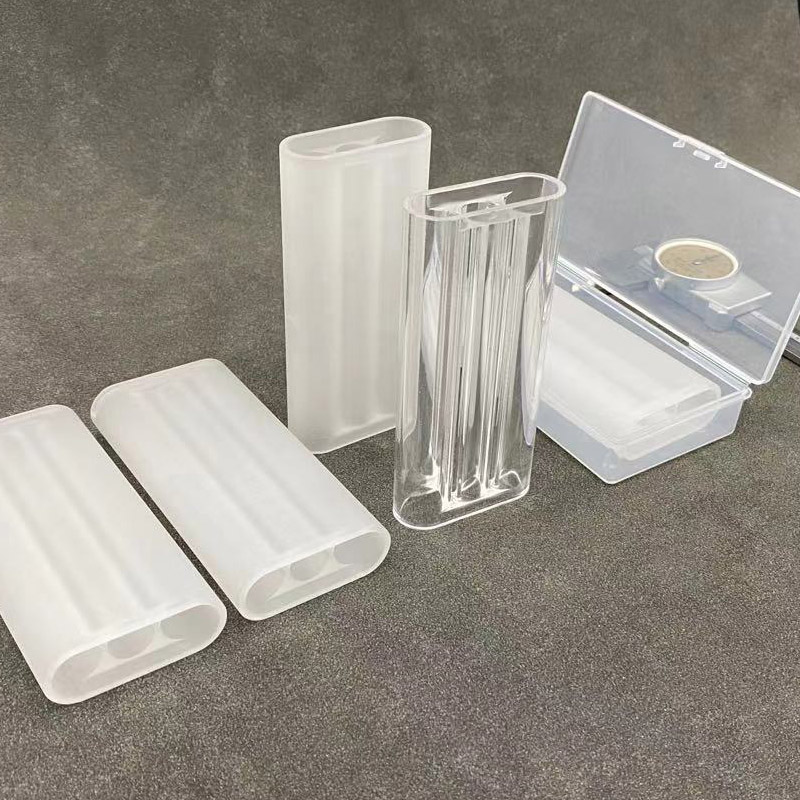
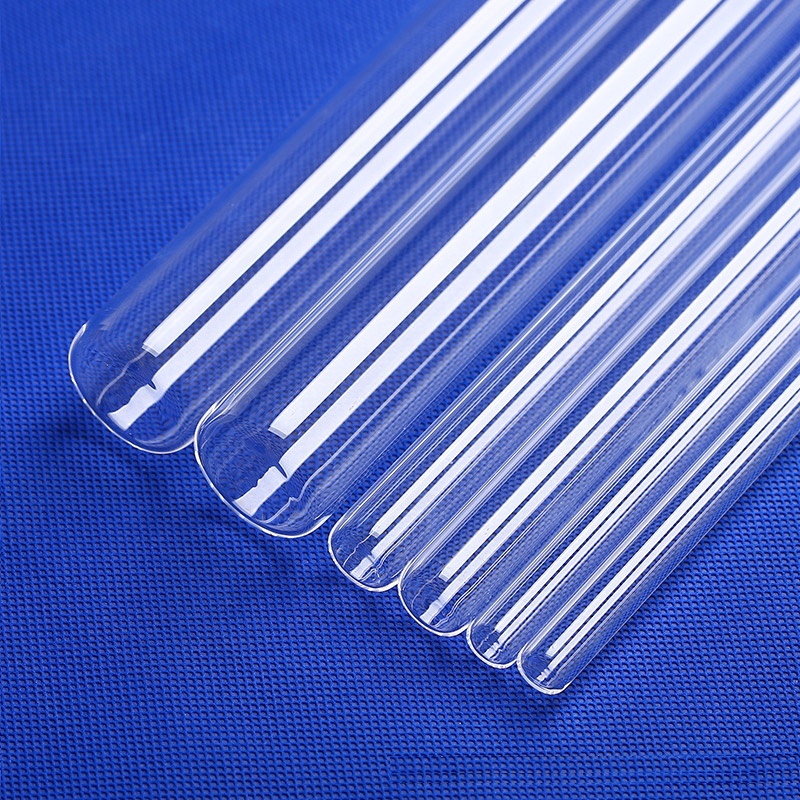
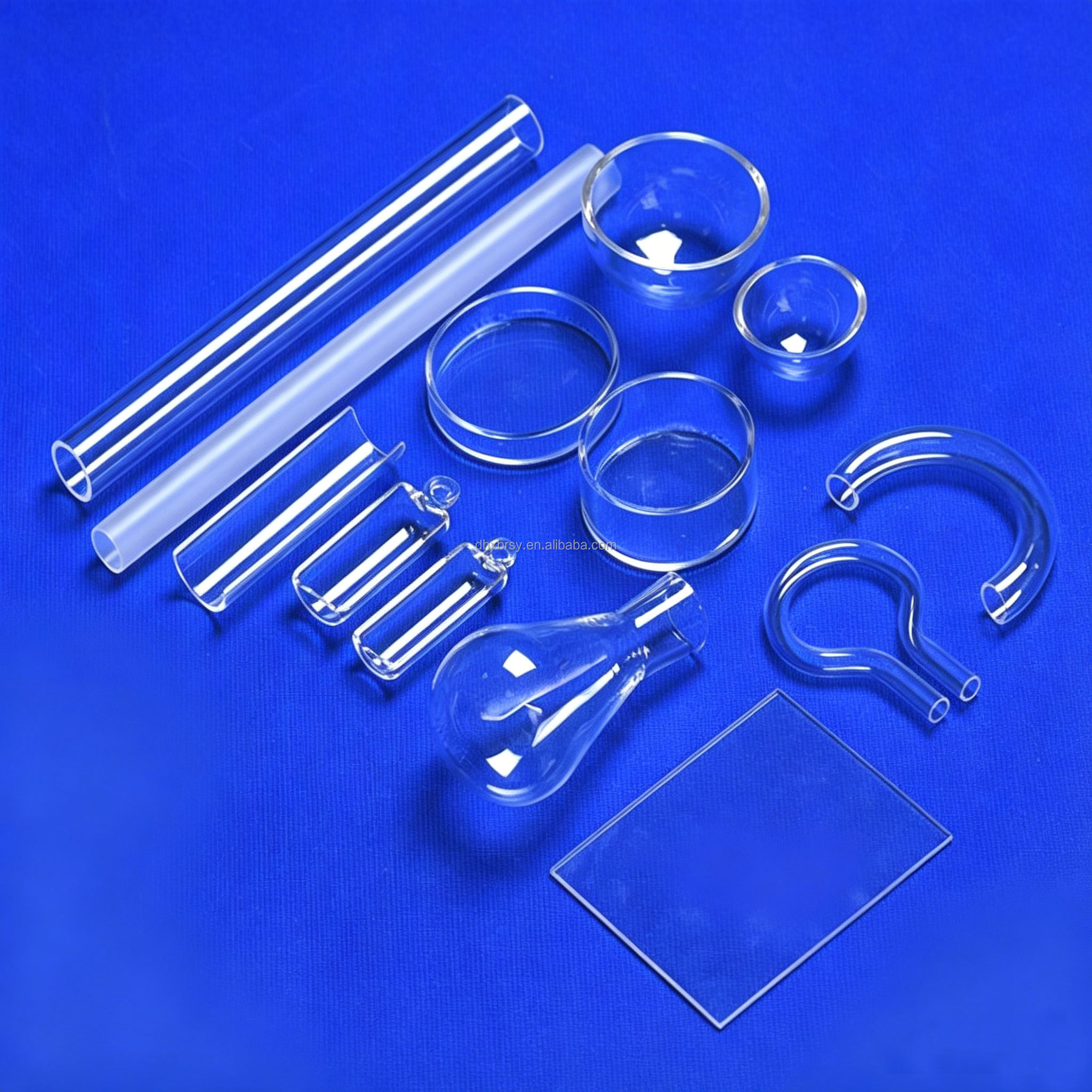
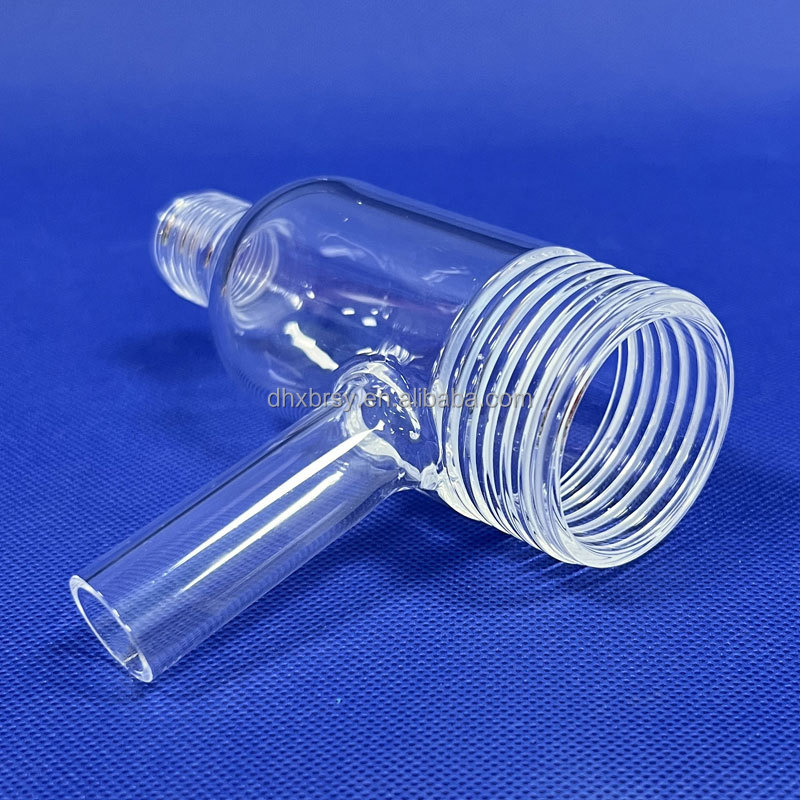
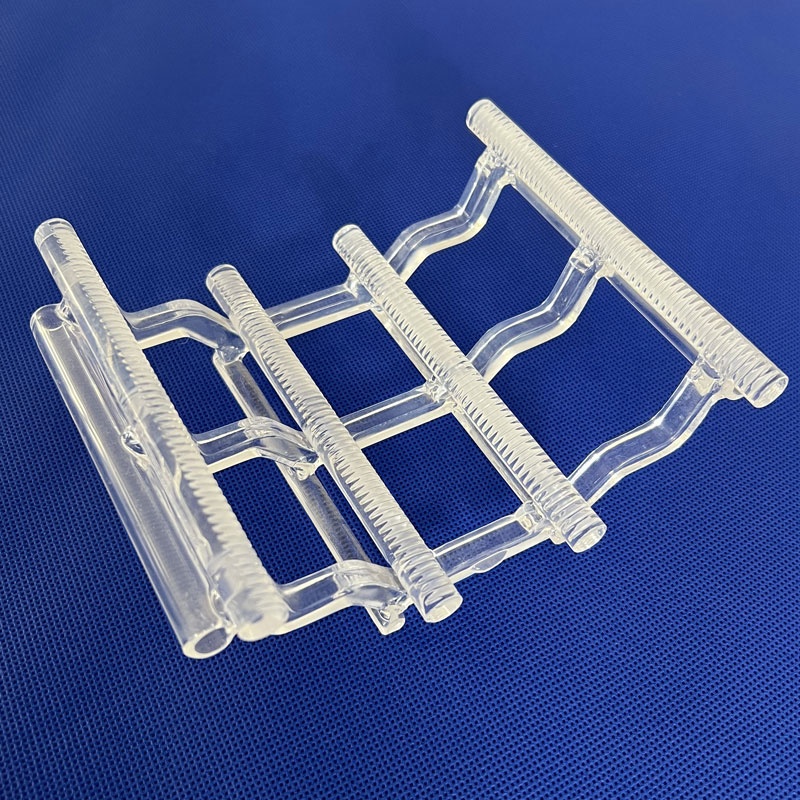
As Serbia expands its footprint as a manufacturing and technology center in Southeastern Europe, fused quartz optical plates and engineered silica components play a mission-critical role across key industrial corridors.
With major Tier-1 and Tier-2 automotive suppliers establishing manufacturing plants in Vojvodina, Niš, and Kragujevac, precision quartz optical plates serve as protective covers, collimator substrates, and optical alignment fixtures for automated optical inspection (AOI) machines and LiDAR sensor testing benches.
Serbia’s heavy metal fabrication, machining workshops, and steel processing operations rely on high-power fiber and Nd:YAG laser systems. Our JGS1 fused silica debris shields and protective laser windows offer exceptional thermal damage thresholds, protecting sensitive focal lenses from spatter and extreme thermal shock.
Institutes such as the Vinča Institute of Nuclear Sciences and technical university laboratories in Belgrade and Novi Sad deploy our 99.99% SiO₂ optical discs, flow cuvettes, and vacuum sight ports for spectroscopic research, plasma physics experimentation, and chemical synthesis under aggressive thermal environments.
Serbia’s established pharmaceutical production sector (in Vršac and Belgrade) demands certified UV-transparent optical quartz cells and sight glasses. JGS1 plates ensure unhindered UV absorption measurement in the 190–380 nm range, facilitating exact HPLC detection and high-purity chemical reaction monitoring.
As investments in renewable solar energy infrastructure surge across the Western Balkans, specialized quartz diffusion boats, quartz carrier plates, and sintering furnace sight tubes provide the zero-contamination, trace-metal-free environments essential for photovoltaic wafer calcination.
Municipal water upgrades and beverage bottling facilities throughout Serbia utilize high-transmittance clear quartz sleeves and optical windows for high-output germicidal UV-C (254 nm) disinfection reactors, resisting continuous solarization and chemical scale accumulation.
Serbia has rapidly evolved from a traditional manufacturing outpost into an emerging hub for specialized electronics, automotive robotics, and R&D-intensive projects. This industrial pivot requires advanced material inputs that can sustain harsh operating parameters without performance degradation.
Traditionally, Serbian engineering firms procured specialized fused quartz components through Western European distributors at significant markup rates and with 8-to-12-week lead times. Today, modern procurement managers in Belgrade, Novi Sad, and Kragujevac are increasingly bypassing intermediaries, choosing direct-from-source manufacturers capable of fulfilling European standard tolerances, RoHS/CE compliance, and precision CNC custom machining.
Key drivers accelerating this transition include:
| Optical Grade | Spectral Bandwidth | Key Feature | Serbian Industrial Fit |
|---|---|---|---|
| JGS1 (Synthetic Silica) | 185 nm – 2,500 nm | Zero bubble clusters, deep-UV cutoff | Excimer lasers, HPLC cuvettes, UV inspection |
| JGS2 (Optical Quartz) | 220 nm – 2,500 nm | High thermal stability, cost efficiency | Laser protective windows, sight glasses |
| JGS3 (Infrared Quartz) | 260 nm – 3,500 nm | OH- content <5 ppm, broad NIR transmission | Infrared pyrometry, furnace observation |
| Opaque Silica | Diffuse / Low Transmittance | Thermal barrier, high heat reflection | Sintering cradles, IR heating baffles |
Operating from Lianyungang, China—the epicentre of global silica refining—our SGS onsite-verified plant eliminates middleman delays and delivers uncompromising component-level purity.
Unlike secondary glass processors, we operate our own raw material crushing, screening, and chemical acid pickling lines. This vertical integration guarantees consistent raw feed containing ≥99.99% SiO₂ with total metallic impurities below 20 ppm, ensuring superior thermal resistance and optical clarity.
Residual internal stresses induced during flame cutting or drawing are catastrophic in pressure-sealed environments. Every single optical plate and tube undergoes programmatic electric annealing, followed by 100% individual inspection under polarization stress testers to guarantee zero internal mechanical fracture risks.
Our workshop is equipped with specialized ultrasonic-assisted CNC centers, precision surface grinders, and multi-spindle polishers. We execute intricate custom geometries, bevelled countersinks, laser-drilled flow micro-channels, and mirror double-side optical polishing (surface roughness Ra < 0.5 nm) strictly aligned with customer STEP/DWG drawings.
Whether you need a single 1-piece custom optic for proof-of-concept testing in an academic laboratory or volume deliveries of 10,000 pieces for OEM manufacturing lines, we accommodate rapid CAD verification, low initial MOQs, and tailored prototyping within 5 to 7 working days.
With decades of overseas export experience, we deploy vacuum shrink-wrapping, cleanroom dust removal, multi-layer high-density EPE shock foam, and reinforced fumigated export wooden crates. Our breakage rate on transatlantic and European air-freight routes is maintained below 0.05%.
We supply full product traceability packages with our shipments, including RoHS certification documentation, CE conformity declarations where applicable, dimensional CMM inspection certificates, and spectrophotometer transmission curve charts across 190–3200 nm bands.
Direct technical answers addressing customs clearance, temperature boundaries, dimensional precision, and material grades for Serbian industrial purchasers.
JGS1 is synthetic fused silica made from SiCl₄, offering top UV transmission down to 185 nm without bubble inclusions—vital for laser optics and spectroscopy. JGS2 is flame-fused natural quartz, performing optimally between 220–2500 nm, representing the most cost-effective choice for sight glasses and standard UV fixtures. JGS3 is electrically melted quartz with near-zero hydroxyl (OH⁻) content (<5 ppm), granting exceptional infrared transparency up to 3500 nm.
We regularly ship to Serbian industrial clients via expedited air express (DHL/FedEx/UPS directly to Belgrade or Niš) and consolidated air/sea freight. We provide full export customs documentation including commercial invoices, packing lists with precise HS Codes (such as 7002.31 or 7006.00), Certificate of Origin, and RoHS test reports to facilitate smooth clearance via Serbian customs authorities (Uprava carina).
Our transparent fused quartz has an ultra-low coefficient of thermal expansion (5.5 × 10⁻⁷ /°C). It functions continuously at 1100°C and can endure peak intermittent operational cycles up to 1300°C. Red-hot quartz plates can be plunged into room-temperature water without shattering, making them far superior to standard borosilicate glassware.
Yes. We accept engineering files in STEP, IGES, DWG, DXF, and standard PDF formats. Our multi-axis CNC machines maintain tight machining tolerances (up to ±0.02 mm for planar dimensions, ±0.05 mm for thickness) and achieve optical edge bevels, complex stepped holes, threading, and polished slot profiles.
Each optical plate is individually sealed in lint-free protective film within a cleanroom environment, placed into compartmentalized high-density EPE foam cassettes, and packed into heavy-duty corrugated cartons or custom-built plywood cases. In the rare event of transit damage, our guaranteed export replacement policy dispatches immediate replacements without logistical delay.
Standard size quartz plates, discs, and raw tubes are typically in stock and ready to ship within 48 to 72 hours. Custom CNC-machined components and optical-polished windows generally require 7 to 15 working days depending on geometrical complexity. Air express transit to Serbia takes an average of 4 to 6 business days.
Reference physical, optical, mechanical, and thermal parameters for research and design engineers configuring quartz optical components for mission-critical installations.
| Property Parameter | Reference Value (Metric) | Test Standard / Conditions | Technical Implications |
|---|---|---|---|
| Purity (SiO₂) | ≥ 99.99% | ICP-OES Spectrochemical Assay | Zero discoloration, virtually trace metal-free |
| Density | 2.20 ± 0.02 g/cm³ | At 20°C | Lightweight structural integrity for vacuum viewports |
| Refractive Index (nd) | 1.4585 | At λ = 589.3 nm (Sodium D-line) | Low optical dispersion across working spectra |
| Softening Point | ≈ 1730 °C | Thermal dilatometry | Maintains rigid geometry far beyond standard borosilicates |
| Annealing Point | ≈ 1215 °C | Controlled cooling gradient | Stress-relieved crystal matrix preventing micro-cracks |
| Coefficient of Thermal Expansion | 5.5 × 10⁻⁷ cm/cm·°C | 20°C to 300°C | Exceptional thermal shock and gradient resistance |
| Dielectric Constant | 3.80 | 1 MHz at 25°C | Superior high-frequency electrical insulation |
| Chemical Durability | Class 1 Acid Resistance | Inert to HCl, HNO₃, H₂SO₄ (Attacked by HF) | Unmatched lifespan in harsh semiconductor acid baths |
Send your dimensional drawings, target quartz grade (JGS1/JGS2/JGS3), surface polish specifications, and estimated quantities. Our senior technical glass engineers will respond with a full DFM analysis and competitive pricing within 24 hours.