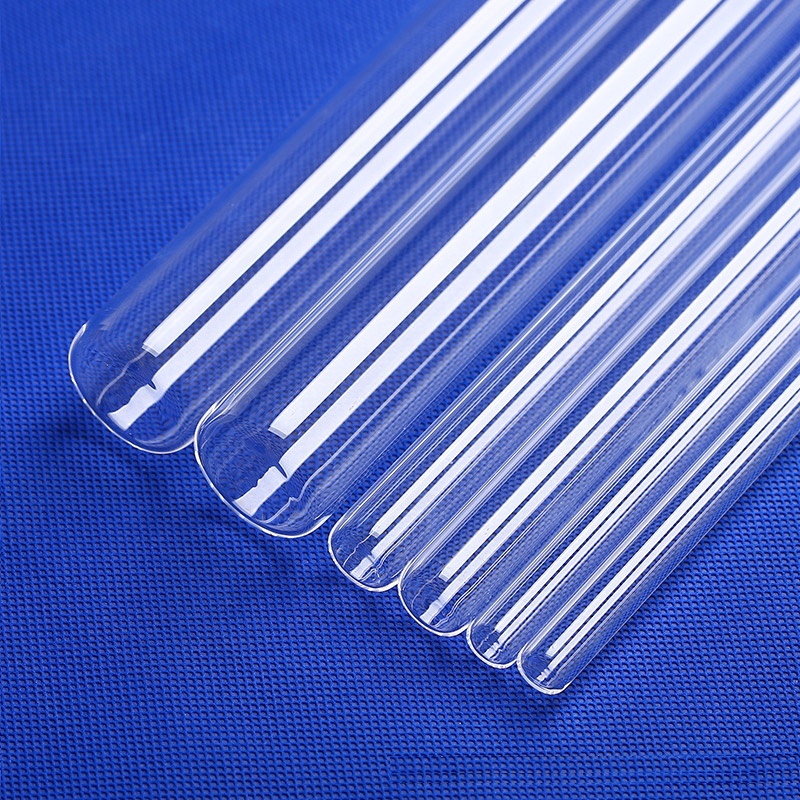
Direct Export Portfolio
Precision Semiconductor Quartz Components
Engineered to withstand aggressive chemical etch chemistries, rapid thermal processing (RTP), and high-temperature oxidation cycles in advanced electronics fabrication.
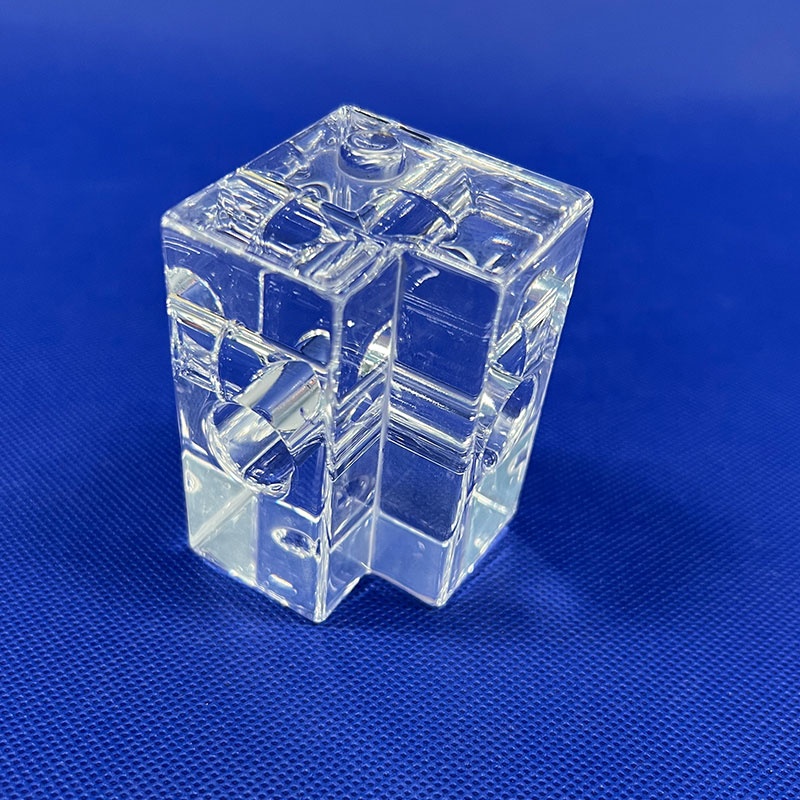
420 BAO RAN Custom-processed Fused Quartz High-purity 99.99% SiO2 Annealed 1200°C
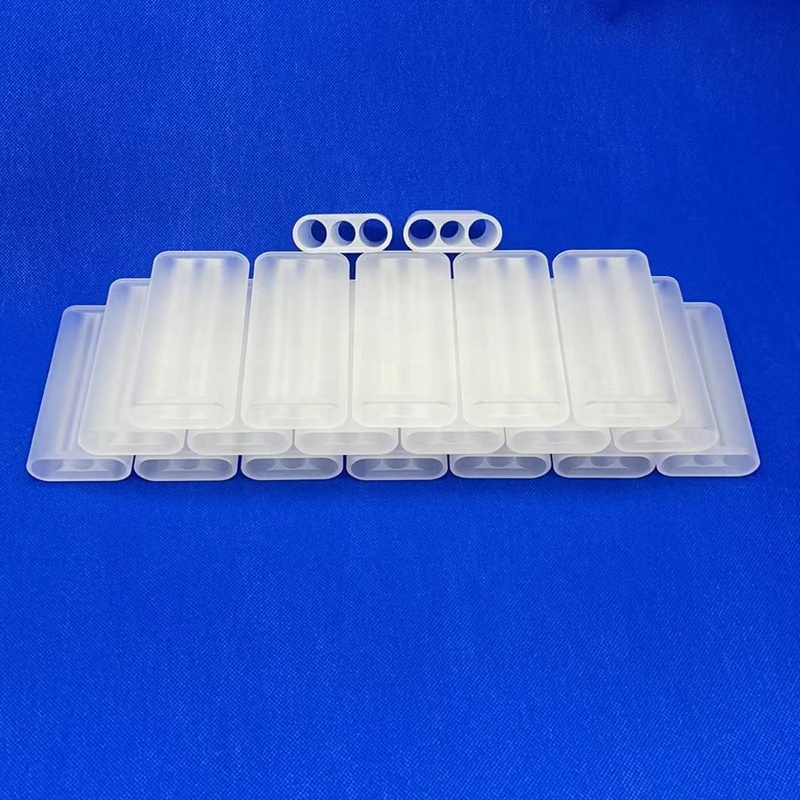
Quartz Triple Bore Flow Tubes Laser C-Shape Fused Quartz Custom Machined
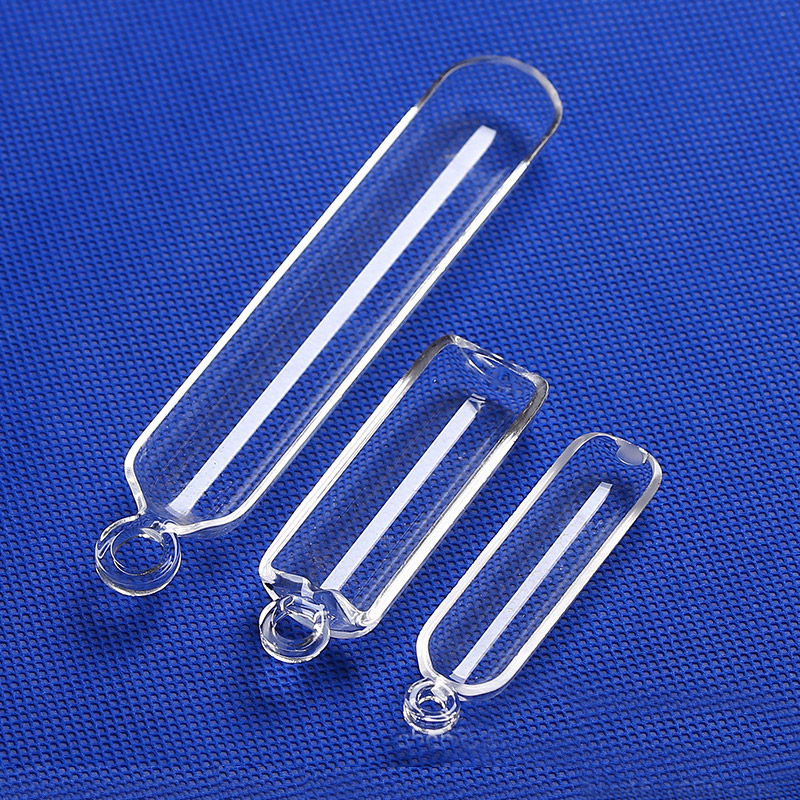
High Quality Fused Quartz Custom Made Boat Wafer Carrier Apparatus
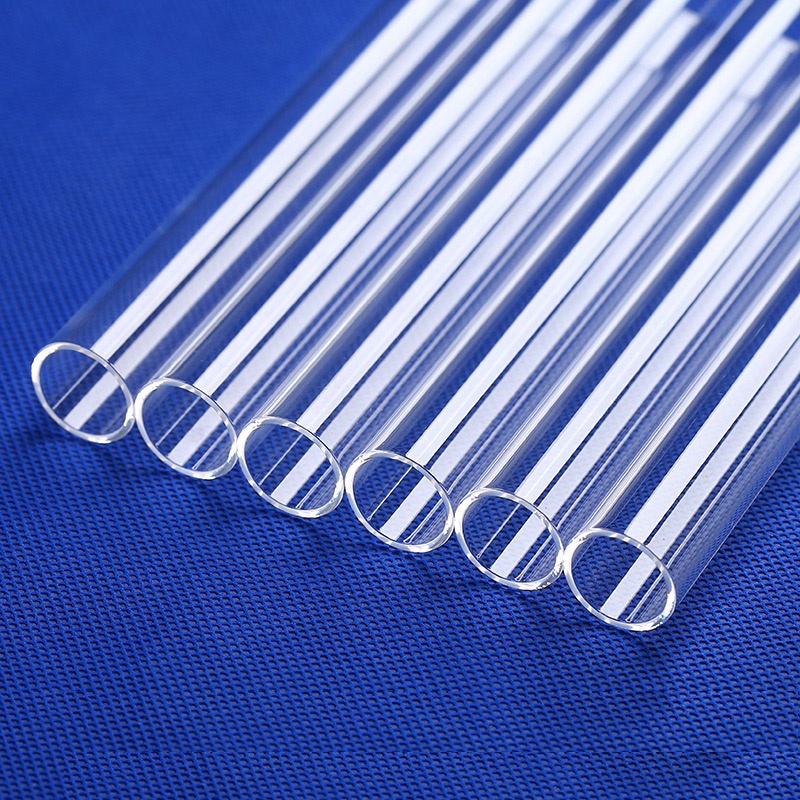
High Precision Clear Quartz Glass Tubing OD 10mm/14mm/20mm Heat Resistant
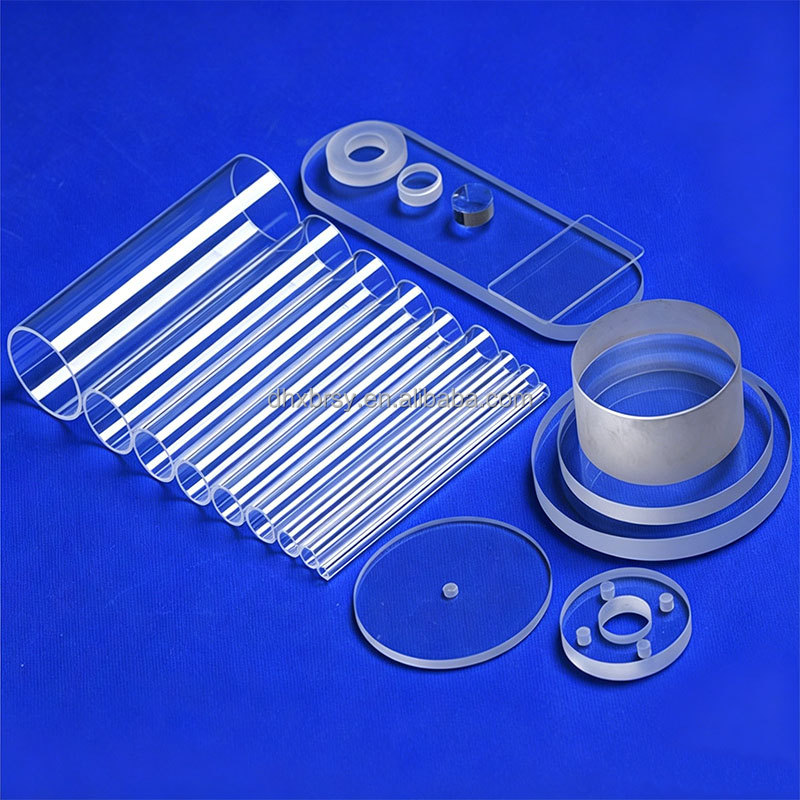
BAO RAN JGS1 High-purity 99.99% Optical Semiconductor Quartz Jig CNC Machined
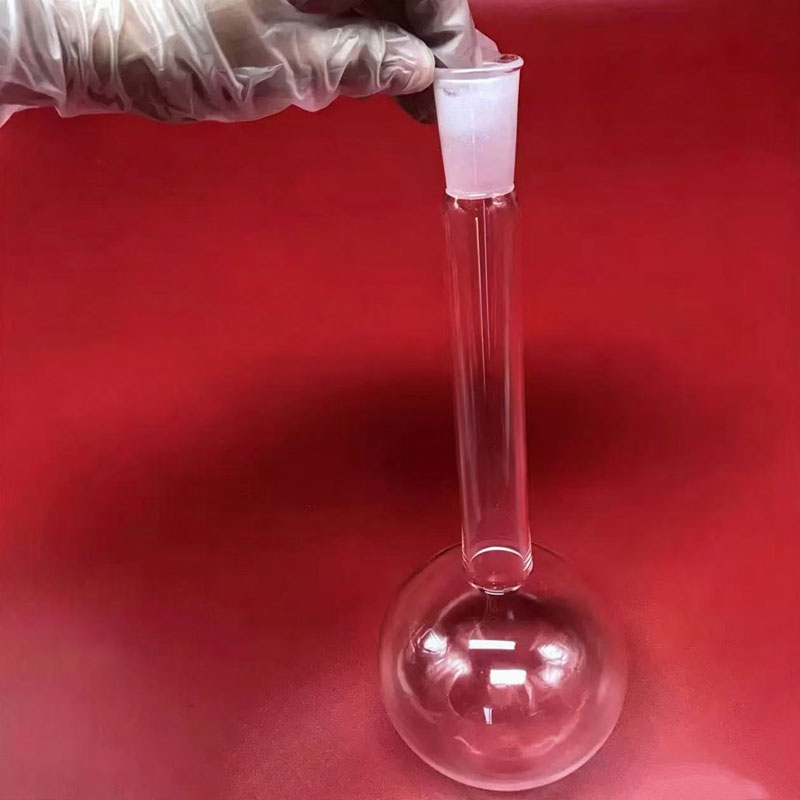
99.99% High-Purity SiO2 High-Temperature Corrosion-Resistant Quartz Long-Neck Flask

JGS1 BAO RAN High Purity Fused Quartz Glass Sheet UV Transparent Laser Plate
99.99%
Guaranteed SiO₂ Purity
14,271 m²
SGS Assessed Floorspace
±0.005 mm
CNC Dimensional Accuracy
48-72 hrs
Tijuana Direct Customs Dispatch
Strategic Technical Report
Semiconductor Quartz Supply Dynamics in the Tijuana Manufacturing Corridor
A rigorous examination of high-purity fused silica performance requirements, cross-border supply chain integration, and precision material characteristics for Baja California's electronics sector.
The manufacturing ecosystem of Tijuana, Baja California, has experienced an accelerated evolution from low-cost consumer electronic assembly toward high-reliability microelectronics, advanced medical diagnostic hardware, automotive power electronics, and aerospace sensor fabrication. As Tier-1 contract manufacturers (EMS) and original equipment manufacturers (OEMs) expand cleanroom operations across industrial parks like Parque Industrial El Florido, Otay Mesa Industrial District, and Valle Bonito, the operational demand for component-level manufacturing materials has shifted toward extreme purity thresholds. High-purity semiconductor quartz glass (fused silica) represents the fundamental material backbone across thermal diffusion, wet chemical etching, chemical vapor deposition (CVD), and UV-driven photolithographic processes.
1. Material Science Specifications & Chemical Integrity
In modern semiconductor micro-fabrication, unmonitored ionic contamination is catastrophic to silicon wafer yield. Trace alkali metals like Sodium (Na), Potassium (K), and Lithium (Li), along with heavy transition metals like Iron (Fe), Copper (Cu), and Nickel (Ni), quickly migrate into silicon substrates under high furnace temperatures, causing gate oxide degradation and deep-level electronic traps.
Lovri Quartz addresses this constraint by anchoring its fused silica fabrication inside our integrated raw-material processing center in Lianyungang, Jiangsu. Natural high-purity quartz lumps undergo crushing, rescreening, and rigorous multiple-stage acid pickling using semiconductor-grade reagent blends. This process eliminates surface and interstitial metallic impurities before thermal drawing or electrical fusing occurs.
| Impurity Element | Commercial Grade Quartz (ppm) | Lovri Semiconductor Grade (ppm) | Operational Impact in Cleanroom Diffusion |
|---|---|---|---|
| Aluminium (Al) | 15.0 – 25.0 | < 6.0 | Prevents structural crystallization at 1150°C+ thermal regimes. |
| Iron (Fe) | 1.0 – 3.0 | < 0.15 | Suppresses electron recombination centers and dark current loss. |
| Sodium (Na) | 2.0 – 4.0 | < 0.3 | Prevents high-mobility drift under gate dielectric voltage stress. |
| Potassium (K) | 1.5 – 3.0 | < 0.2 | Eliminates alkali-driven premature surface devitrification. |
| Lithium (Li) | 0.5 – 1.2 | < 0.1 | Inhibits volatile lattice dislocation under rapid thermal cycles. |
| Hydroxyl Group (OH⁻) | < 150 (Standard) | < 5 to < 30 (Grade Dependent) | Controls high-temperature viscosity and vacuum sag resistance. |
2. Localized Industrial Application Scenarios Across Baja California
The manufacturing requirements of the Tijuana-San Diego cross-border mega-region (CaliBaja) present distinct engineering challenges across three primary industries:
Discrete Semiconductor & Power Modules
Fabrication plants producing MOSFETs, rectifiers, and high-frequency power switching devices in Tijuana require horizontal diffusion quartz tubes, slotted wafer boats, and cantilever paddles that maintain mechanical stability up to 1250°C without bowing or generating particulate flaking.
Medical Device Diagnostic Cartridges
Tijuana holds North America's dense medical device manufacturing cluster. Laser micro-welded flow cells, multi-bore capillary tubes, and optical-grade quartz windows (JGS1) serve critical fluid handling, UV sterilization, and in-vitro optical spectrometry platforms that demand zero fluorescence interference.
Industrial Laser & Precision Optics
Contract tooling centers use high-power Nd:YAG, fiber, and excimer lasers for hermetic packaging and wafer dicing. Our triple-bore flow cooling tubes and precision CNC-milled protective aperture shields ensure thermal stability and low coefficient of thermal expansion (5.5 × 10⁻⁷ /°C).
3. Macro Trends: Nearshoring and the Expansion of Tijuana's Tech Ecosystem
Under the USMCA (United States-Mexico-Canada Agreement) frameworks and the CHIPS and Science Act, North American semiconductor supply chains are reshoring component support structures. While front-end silicon wafer foundries continue high-capital expansions across Arizona and Texas, back-end assembly, testing, wafer sub-assembly cleaning, and secondary processing are concentrating directly along the US-Mexico border.
Historically, Tijuana-based production engineers relied on distributor networks situated across the border in Southern California, adding multiple middleman markups, extended delivery windows, and poor technical feedback loops for custom-machined drawings.
Lovri Quartz delivers an export model focused on agility: Direct-to-plant quartz fabrication with custom CNC machining from CAD/STEP files, fully compliant with IMMEX bonded manufacturing guidelines. By eliminating supply intermediation, maquiladoras achieve 25% to 40% component acquisition savings, combined with transparent material traceability backed by third-party SGS factory verification.
4. Manufacturing Capabilities & In-House Engineering Strengths
Our facility spans 14,271 square meters, housing comprehensive in-house quartz fabrication technologies:
- Thermal Lathe Glassblowing & Induction Sealing: Precision welding of ground joints, multi-port quartz reactor heads, ISO and KF vacuum flanges, and flat-bottomed furnace enclosures.
- Multi-Axis CNC Machining: Ultra-sonic core drilling, slot cutting for high-density wafer cassettes (pitch accuracy down to ±0.01 mm), blind hole counterboring, and dimensional chamfering.
- Thermal Stress Annealing & Polarization Inspection: Every machined component undergoes cycle-controlled annealing in our automated 1200°C electric furnaces to eliminate micro-twinning and internal mechanical stress, verified 100% on dual-field polarization polariscopes.
- Optical Surface Polishing: Precision double-sided planetary lapping yielding optical surface finishes up to 20/10 Scratch-Dig, λ/4 wave flatness, and deep-UV transmission rates exceeding 90% at 200 nm (JGS1 synthetic fused silica).
Accelerate Your Semiconductor Quartz Project
Send your custom specifications, PDF drawings, or STEP solid models to our engineering team. We deliver rapid manufacturability assessments, volume quotation tiering, and dedicated Tijuana cleanroom export packing within 24 hours.
Get a Quote5. Tijuana Cleanroom Procurement & Engineering FAQ
Practical answers to technical questions raised by operations directors, cleanroom managers, and procurement specialists across Baja California's industrial parks:
How do you guarantee cleanroom delivery without particulate contamination? +
Every semiconductor quartz component undergoes a final ultra-pure water (UPW) deionized ultrasonic rinse, followed by forced hot nitrogen drying. Components are vacuum-sealed inside antistatic, particulate-free cleanroom double-polyethylene bags. Outer shipments are secured using shock-absorbent non-crosslinked polyethylene (EPE) foam housings and custom reinforced, export-grade plywood crates compliant with international ISPM-15 phytosanitary norms.
What is the standard procedure for shipping quartz components directly to Tijuana maquiladoras under IMMEX? +
We provide full commercial invoices, packing lists with Harmonized System (HS) classifications (such as HS 7002.31 for fused quartz tubes and 7017.10 for quartz laboratory and industrial apparatus), and Certificates of Origin. Goods can clear through Mexican customs via standard import pedimentos (A1) or temporary imports under IMMEX programs through customs brokerages operating at Otay Mesa or Tijuana International Airport.
Can you replicate or customize quartz boats and CVD chambers from legacy OEM equipment? +
Yes. We regularly fabricate replacement, retrofitted, and custom quartz consumables compatible with systems from major furnace and CVD equipment manufacturers. Provide your legacy part number, physical drawing, or send a worn sample component for coordinate measuring machine (CMM) reverse engineering by our design team.
What is the functional difference between JGS1, JGS2, and JGS3 quartz in electronics manufacturing? +
JGS1 is synthetic fused silica synthesized from silicon tetrachloride; it features zero bubble inclusion and superior deep-ultraviolet (DUV) optical transmission (185 nm – 2500 nm), making it critical for lithography windows and excimer lasers. JGS2 is electric-arc or flame-fused natural quartz suited for standard viewports, UV lamps, and furnace tube applications (220 nm – 2500 nm). JGS3 is electrically fused under vacuum, virtually free of hydroxyl ions (OH⁻ < 5 ppm), delivering high transmission deep into the infrared spectrum (260 nm – 3500 nm) with maximum viscosity and heat sag resistance up to 1300°C.
How do your fused silica parts prevent premature devitrification under rapid thermal cycling? +
Devitrification (transformation from amorphous silica to crystalline cristobalite) is primarily catalyzed by trace surface alkali contamination (Na, K) and localized residual stress points. Lovri Quartz ensures ultra-low trace alkali content (< 0.5 ppm total alkalis), applies rigorous controlled thermal annealing profiles, and chemically polishes contact surfaces, extending furnace cycle life by up to 35% compared to commercial alternatives.
What is the minimum order quantity (MOQ) for custom-machined CNC quartz jigs? +
Our manufacturing facility accommodates low-volume prototype verification runs with an MOQ of just 1 to 5 pieces for custom parts. Once functional performance is validated inside your Tijuana cleanroom line, volume scale-up is seamless, backed by dedicated production scheduling and fixed annual framework agreements.
Factory-Direct Quality Assurance
Connect with an Application Engineer
Whether you need replacement furnace process tubes, CNC carrier boats, or customized optical viewports, our technical staff will help optimize your production yield.