TRIPLE-BORE
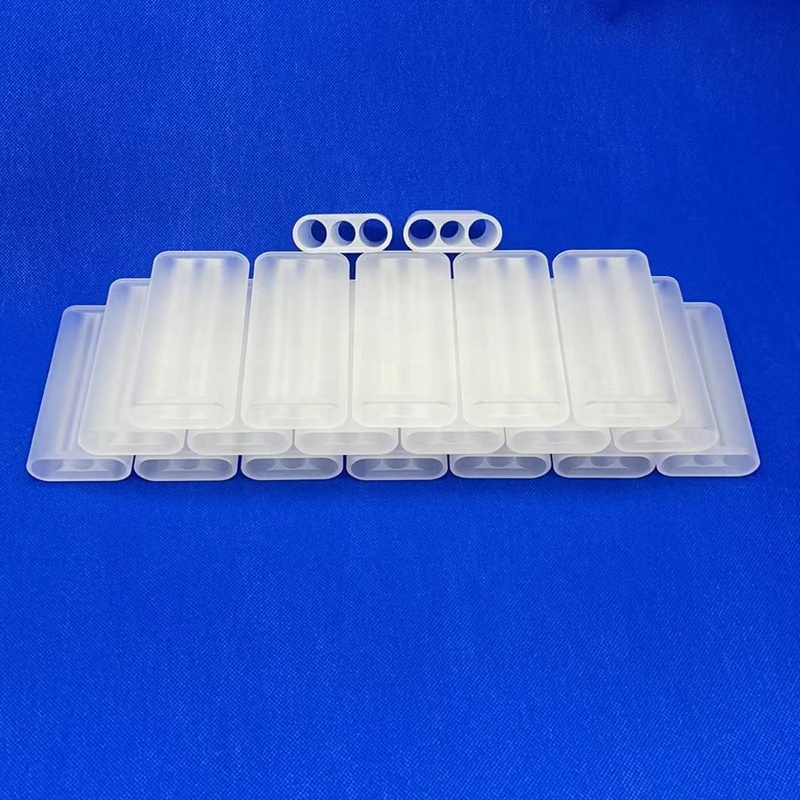
Manufactured from ≥99.99% high-purity silica sand, strictly annealed to eliminate residual stress, and calibrated to withstand rigorous laboratory, geothermal, and high-intensity optical environments.
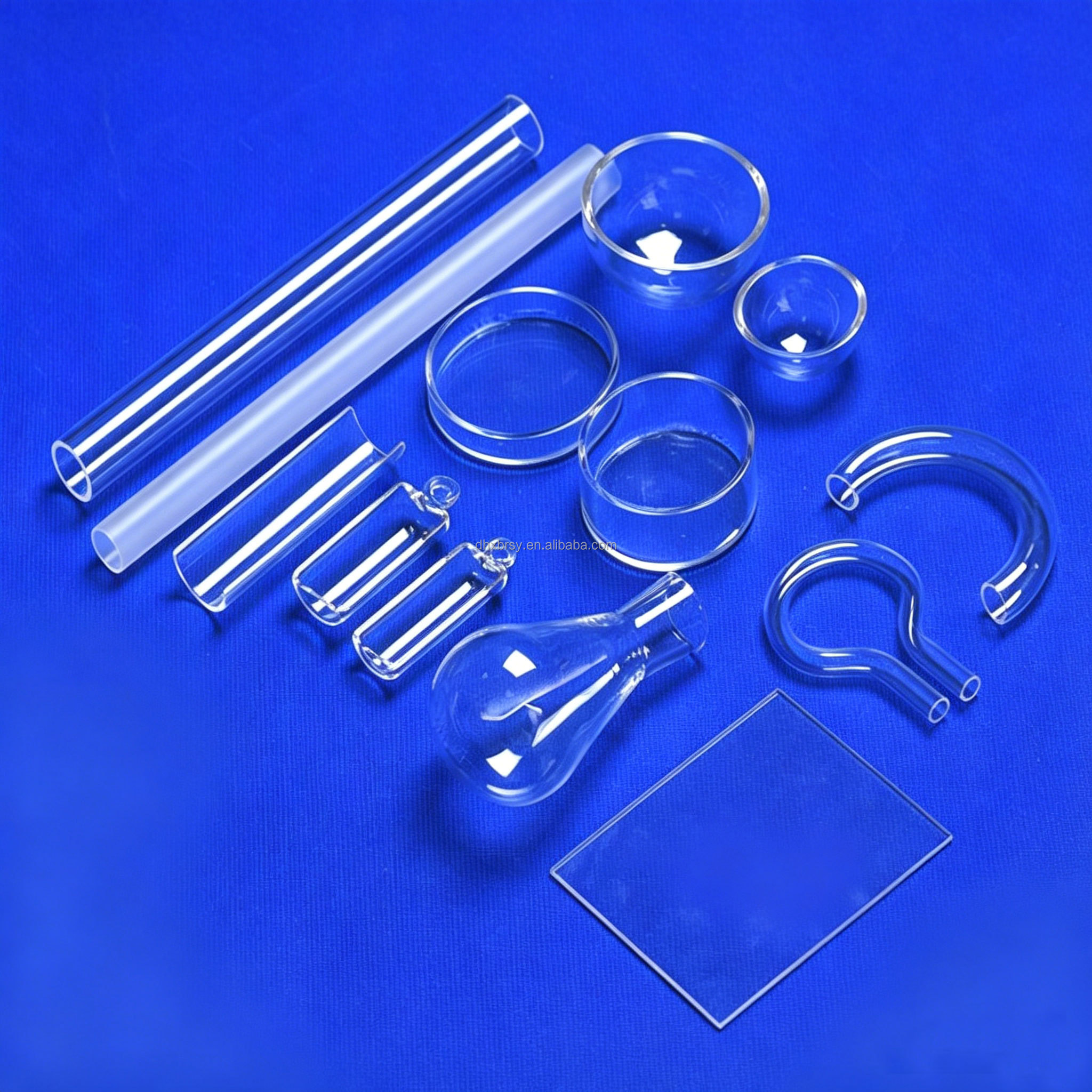
Iceland represents one of the world's most demanding natural proving grounds for advanced materials. Operating at the boundary of the Mid-Atlantic Ridge, the country's extensive network of high-temperature geothermal wells (such as those in Hellisheiði, Krafla, Reykjanes, and Nesjavellir) encounters downhole fluids exceeding 300°C to 450°C under pressures topping 150 to 220 bar. In these high-enthalpy volcanic reservoirs, standard borosilicate glass components and alkali-rich silicate formulations suffer severe catastrophic failure due to alkaline hydrolysis, selective leaching, and thermal shock induced by sudden cold-water reinjection cycles.
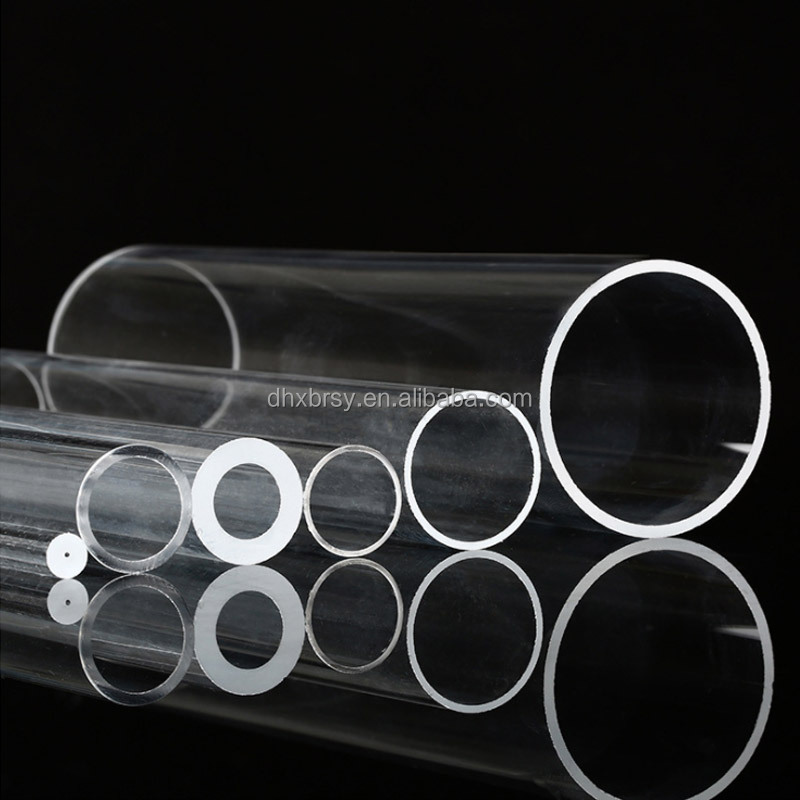
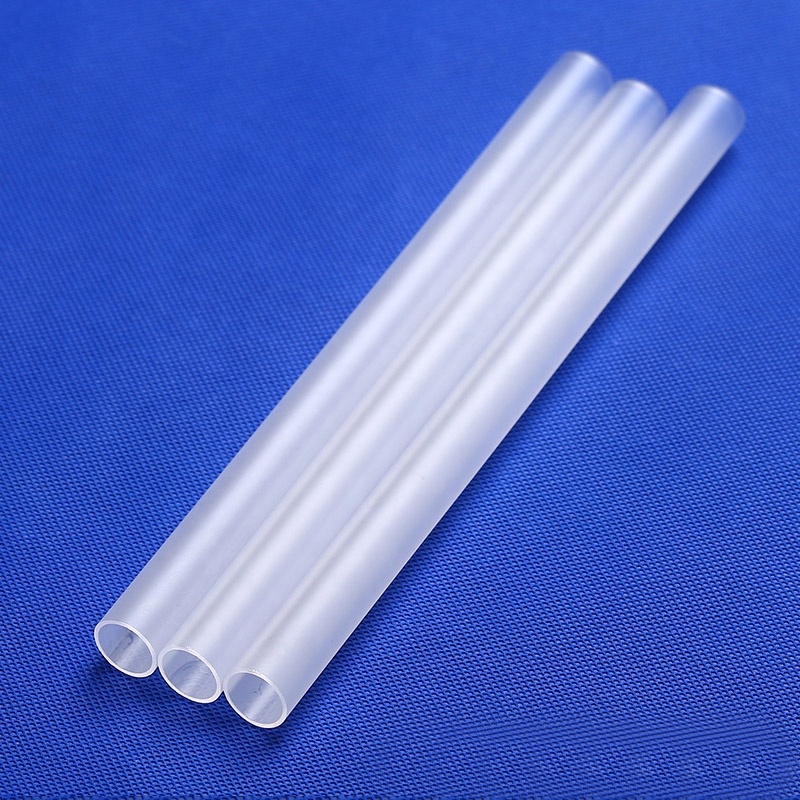
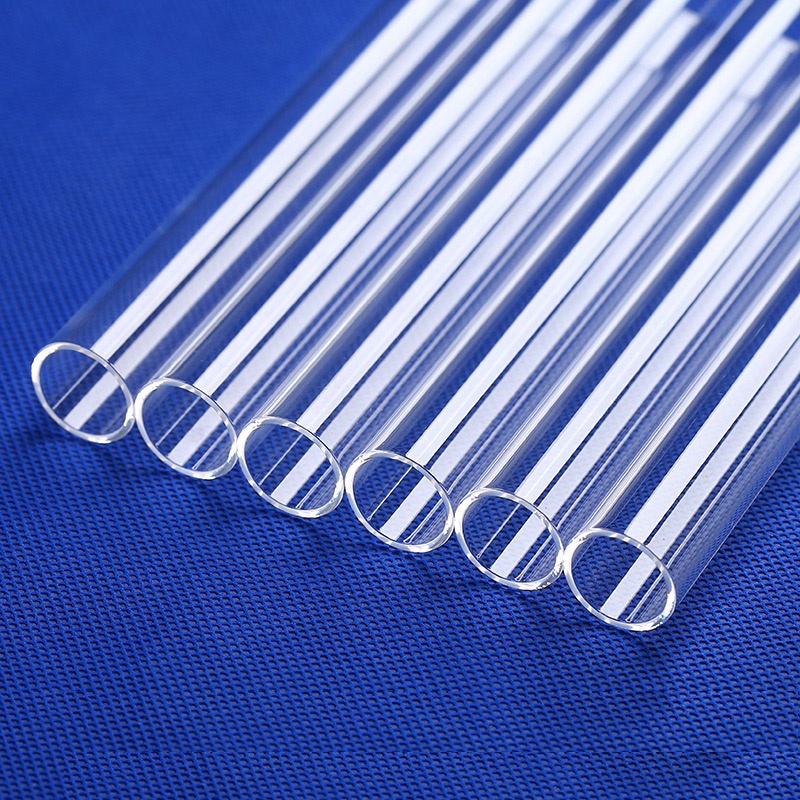
Procurement teams, research geologists, and pipeline engineering contractors in Iceland require transparent fused quartz tubing with exceptional silica purity (≥99.99% SiO2) to maintain optical clarity, structural integrity, and chemical passivity. Because pure fused silica is an amorphous network consisting entirely of silicon-oxygen tetrahedra without added metallic fluxing agents, it displays an extraordinarily near-zero coefficient of thermal expansion (). This enables transparent quartz flow tubes, downhole sensor claddings, and visual sight ports to be plunged from a 1100°C thermal envelope directly into ice water without structural fracturing.
Icelandic deep-drilling projects (IDDP) probe superheated reservoirs where corrosive acidic gases (H2S, CO2, SO2, and HF traces) coexist with dissolved minerals. Transparent quartz tubes serve as isolated optical and electrical protective sleeves for downhole fiber-optic Distributed Temperature Sensing (DTS) lines and spectroscopic flow cells, resisting acid pitting while keeping optical signals pure.
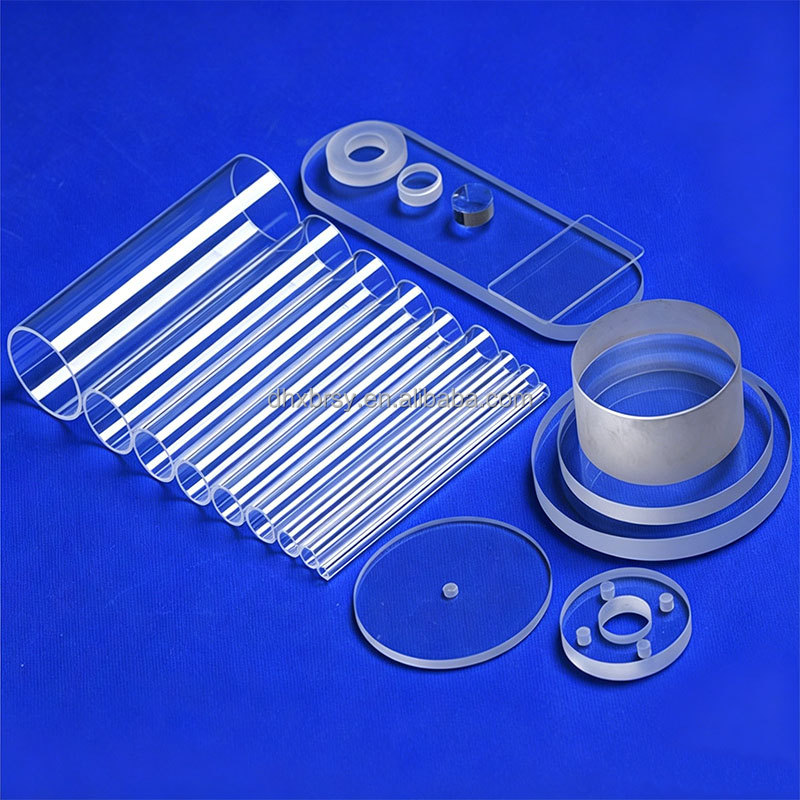
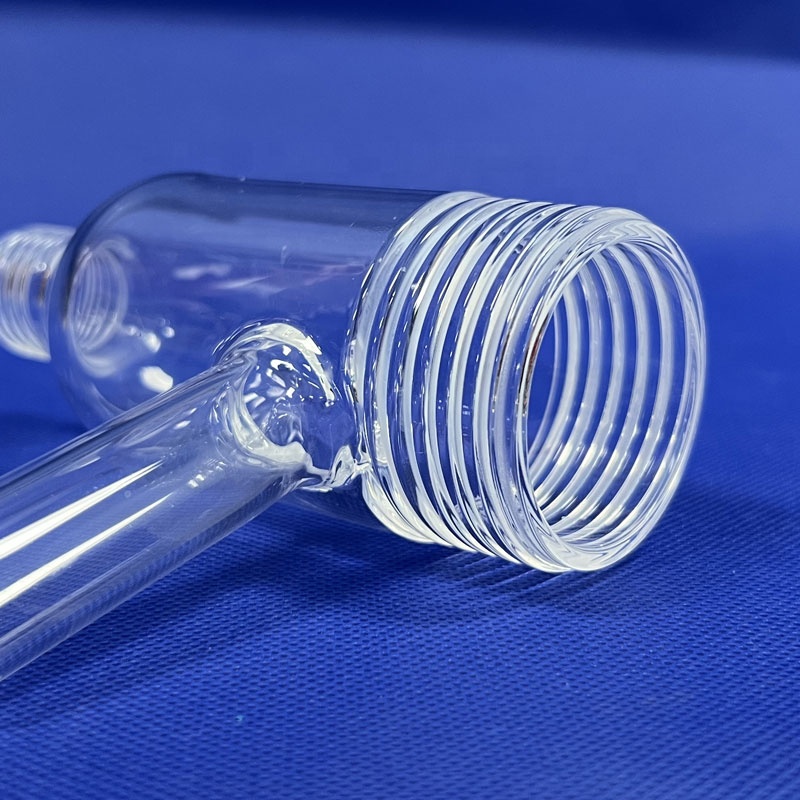
Pioneered in Iceland, direct CO2 and H2S mineral storage into basalt formations demands precise bench-scale and pilot-scale continuous reaction flow assemblies. Our threaded fused quartz reaction vessels (e.g., BAO RAN 515) allow non-destructive optical monitoring of carbonate precipitation mechanisms under high pressure and variable temperature fields.
Iceland's clean land-based salmon farming, volcanic microalgae cultivation, and pharmaceutical biotechnology rely on continuous closed-loop water treatment. High-transmittance JGS1 and JGS2 transparent quartz sleeves deliver superior 254nm ultraviolet dosage while resisting mineral scaling from geothermal tap inputs.
| Physiochemical Property | High-Purity Fused Quartz (Our Standard) | Borosilicate Glass 3.3 | Synthetic Sapphire (Al2O3) |
|---|---|---|---|
| SiO2 Content | ≥ 99.99% | ≈ 81% | 0% (Single Crystal Alumina) |
| Continuous Safe Operating Temp | 1100 °C | 450 °C | 1600 °C |
| Thermal Expansion (20–300°C) | 5.5 × 10⁻⁷ / °C (Zero Shock Risk) | 33 × 10−7 / °C | 58 × 10−7 / °C |
| Softening Point | ≈ 1730 °C | ≈ 820 °C | 2040 °C |
| Deep UV Transmittance (254 nm) | > 90% (JGS1 Grade) | Near Zero (< 5%) | > 85% |
| Resistance to Geothermal H2S & CO2 | Virtually Chemically Inert | Susceptible to Surface Leaching | Inert (Extremely Cost Prohibitive) |
From Reykjavik's scientific clusters to remote South Peninsula geothermal plants, technological shifts dictate stricter material tolerances and bespoke glass components.
Iceland is pushing boundaries with projects targeting direct magma contact temperatures (>500°C). Downhole instrument casings can no longer utilize composite polymers or ordinary glasses. Thick-walled transparent fused quartz tubes with uniform cross-sectional geometry are chosen for visual logging cameras and optical pressure barriers.
Using baseload geothermal electricity to produce green hydrogen and synthetic fuels requires ultra-pure proton exchange membrane (PEM) and high-temperature solid oxide electrolyzer cells (SOEC). Transparent quartz piping eliminates the danger of alkali ion extraction (Na+, Ca2+, Fe3+) that ruins expensive catalytic membranes.
With Iceland's unique sub-arctic island supply chain, plant shutdowns carry punishing demurrage and maintenance costs. Plant directors are substituting multi-piece borosilicate assemblies with single-piece, CNC-ground fused quartz assemblies to boost component service life by over 300%.
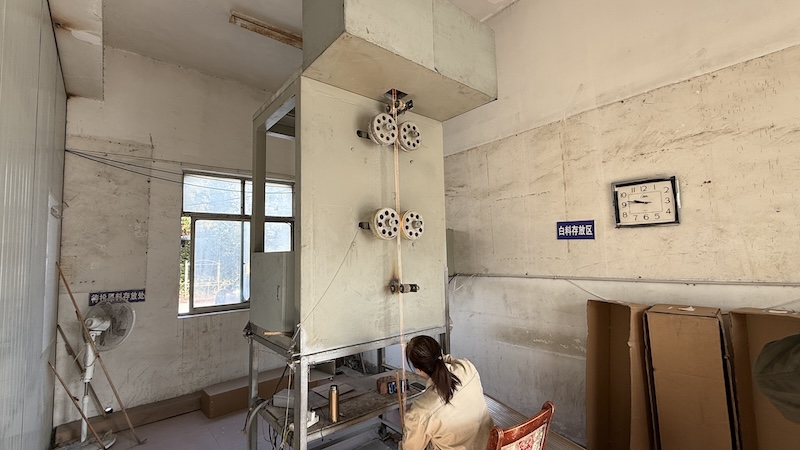
As an SGS-verified manufacturer based in Lianyungang (the epicenter of global high-purity silica raw material refining), we integrate every critical stage under one roof: from raw quartz crushing and acid pickling to proprietary thermal drawing, vacuum annealing, and multi-axis diamond CNC machining.
Key technical answers for engineering leads, procurement specialists, and university researchers importing quartz glass into Iceland.
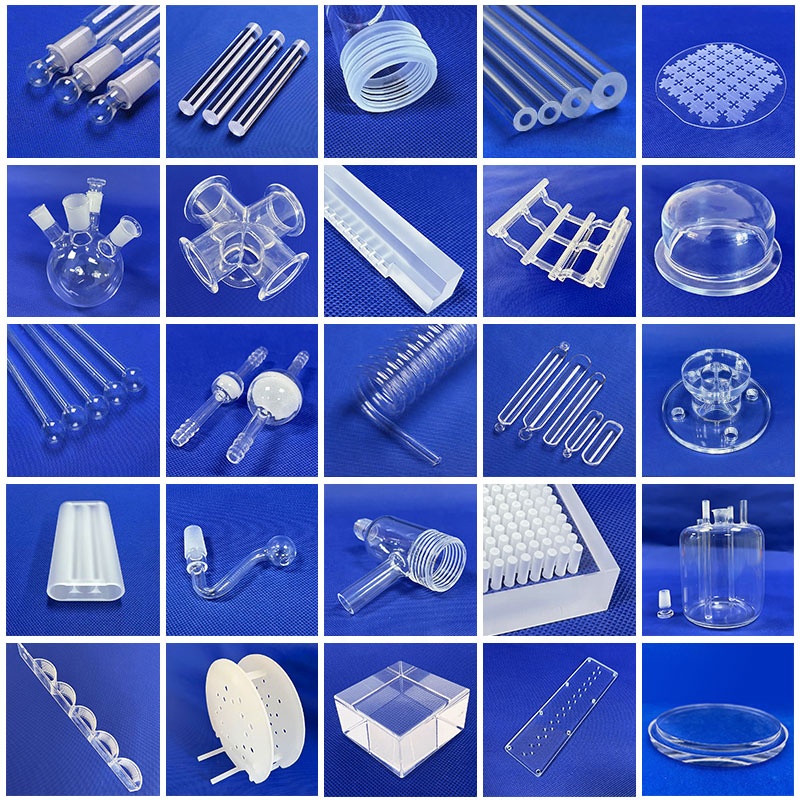
Whether you need high-precision quartz capillary tubes, high-enthalpy geothermal sleeves, or fully customized reaction vessels, our engineering team is ready to evaluate your CAD drawings, match chemical tolerances, and furnish immediate factory-direct pricing.