1400°C Rated
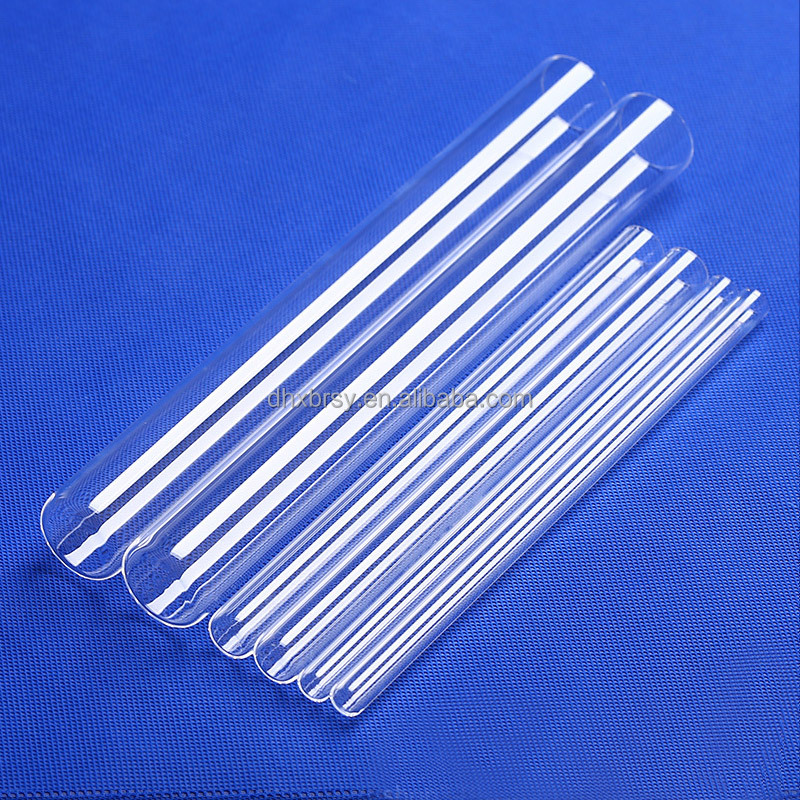
Engineered for low insertion loss, high thermal-shock resistance, and high geometric repeatability. Certified 99.99% SiO₂ standard.
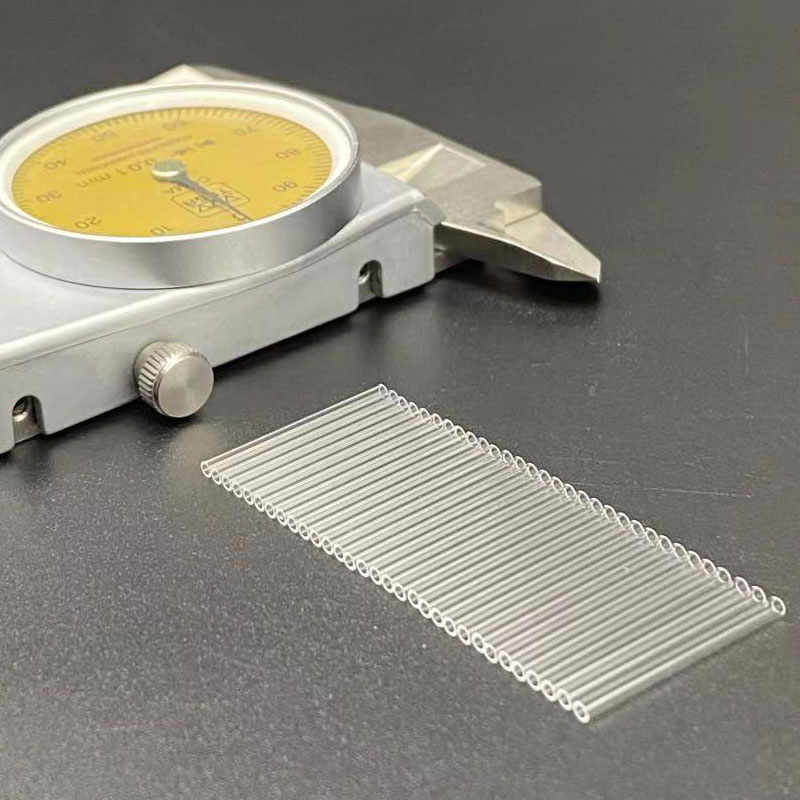
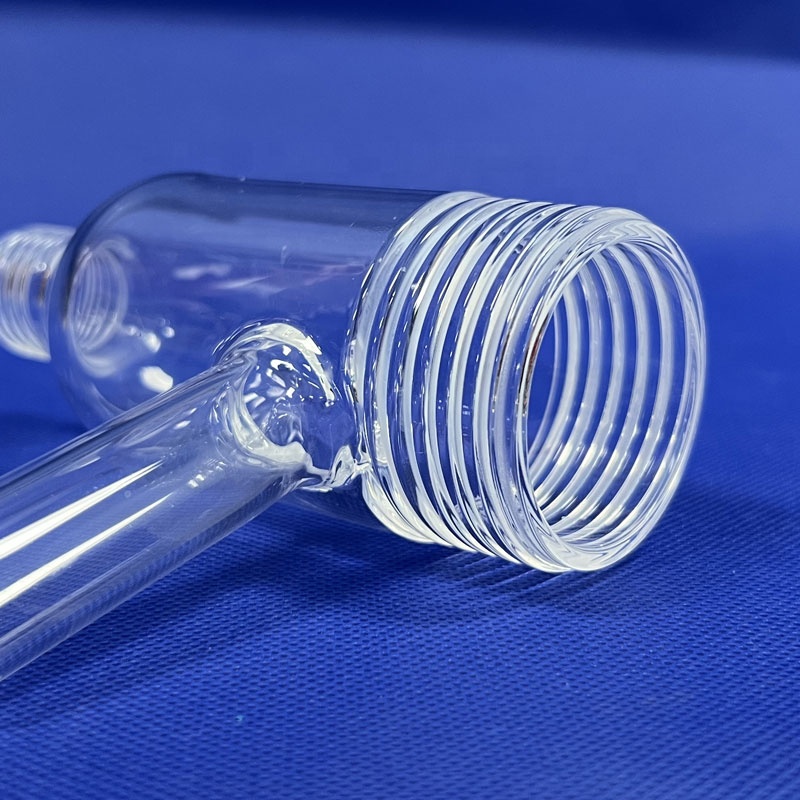
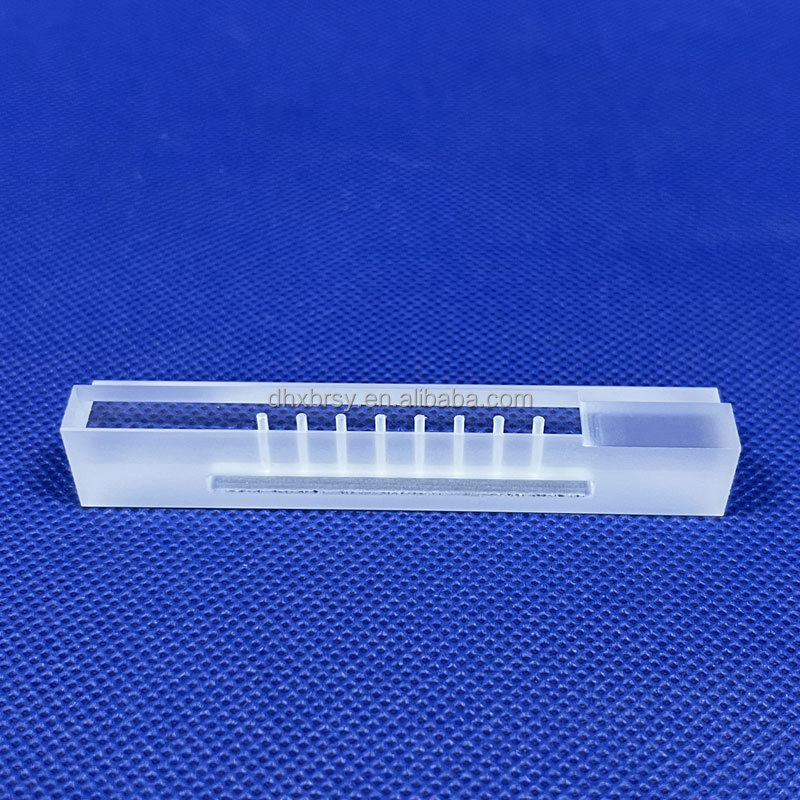
A comprehensive examination of hydrodynamic laminar flow, chromatic filtering, and thermal boundary layers in laser resonator assemblies serving industrial and scientific facilities in Mogilev.
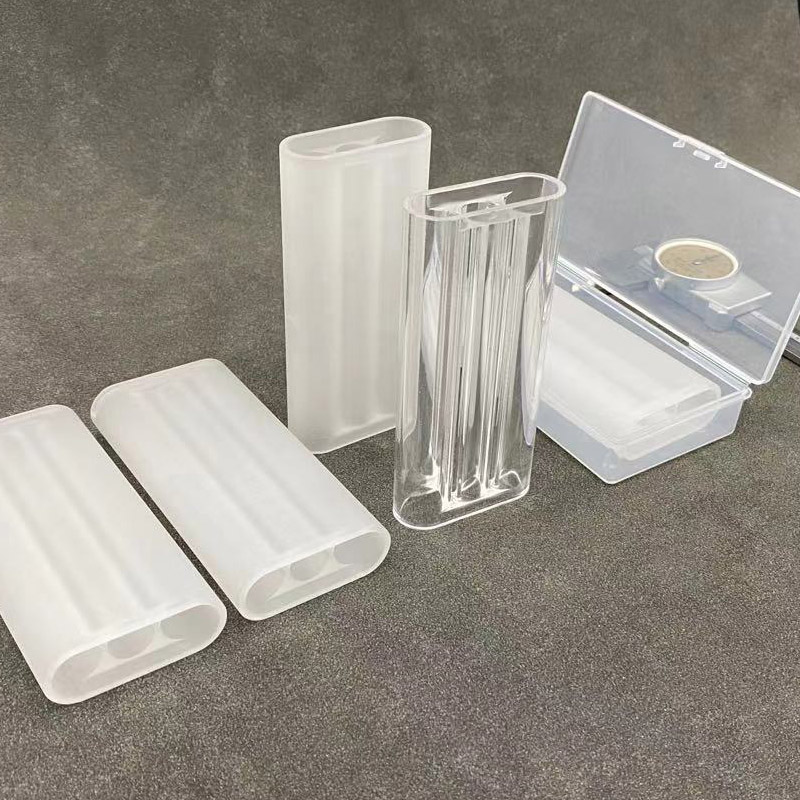
In high-power solid-state laser systems—particularly flashlamp-pumped Nd:YAG, Alexandrite, and ruby laser resonators—the continuous generation of waste heat within both the gain medium and the excitation lamp poses severe limitations on output energy, beam quality (M² parameter), and optical bench repeatability. A triple bore quartz flow tube functions as an integrated, hermetically balanced hydraulic housing. By arranging the laser crystal rod alongside single or twin flashlamps within a monolithic fused quartz profile, these tubes facilitate parallel liquid deionized (DI) cooling while maintaining precise coaxial alignment under thermal cycling.
Traditional configurations utilizing separate, discrete quartz jackets often suffer from turbulence, flow vortexing, and inconsistent thermal resistance gradients across the gain crystal circumference. This uneven heat dissipation triggers asymmetric thermal lensing, causing wave-front distortions and premature damage to optical coatings.
Our factory utilizes multi-axis CNC drilling and ultrasonic core-drilling directly into synthetic (JGS1) or electrically fused quartz ingots to fabricate seamless triple-bore geometries. By optimizing the inner bore surface finish to an optical polish (Ra < 0.2 μm), surface drag is significantly minimized. This allows deionized coolant to flow in a fully laminar regime, eliminating bubble nucleation and maintaining temperature uniformity across Mogilev's demanding industrial processing facilities.
A critical engineering consideration for photonics engineers in Eastern Europe is optical aging and solarization caused by high-intensity ultraviolet (UV) emission below 380 nm. When flashlamps fire, high-energy UV radiation degrades synthetic coolant additives, induces solarization color-centers in the quartz substrate, and creates harmful parasitic heating in Nd:YAG rods.
To eliminate this degradation pathway, our factory formulates custom-doped quartz variants:
Specifically engineered to suppress the 1064 nm amplified spontaneous emission (ASE) and block UV radiation under 400 nm, while maintaining superior transparency across the neodymium pump bands (750–850 nm). Ideal for Q-switched laser resonators.
Provides complete cut-off of harmful UV radiation under 380 nm without sacrificing pump conversion efficiency. It shields DI cooling loops from free-radical ozone formation and prevents photochemical solarization of internal optical surfaces.
Delivers the industry's lowest optical absorption coefficients down to 185 nm. Utilized predominantly for excimer, UV, and ultra-high pulse energy laser platforms demanding pristine dielectric consistency and negligible bubble inclusions.
Engineers specifying components for manufacturing, laboratory instrumentation, and high-temperature vacuum apparatus require verifiable physical data. Below is our comparative physical property matrix demonstrating why high-purity fused silica (SiO₂) outperforms classical borosilicate glass in severe operational environments:
| Property Parameter | High-Purity Fused Quartz (Lovri) | Borosilicate Glass 3.3 | Engineering Benefit |
|---|---|---|---|
| SiO₂ Content | ≥ 99.99% | ≈ 80.5% | Negligible metallic trace impurities (< 20 ppm total) |
| Softening Point | 1,730 °C | 820 °C | Maintains geometric stiffness in high-energy plasma zones |
| Continuous Operating Temp | 1,100 °C | 450 °C | Immune to failure during flashlamp thermal runaway |
| Thermal Expansion (20–300°C) | 5.5 × 10⁻⁷ /°C | 3.3 × 10⁻⁶ /°C | 6x lower thermal expansion; superior thermal shock limit |
| Dielectric Strength (20°C) | 25–40 kV/mm | 10–15 kV/mm | High insulation resistance prevents lamp arc discharge |
| UV Transmission (254 nm, 10mm) | > 90% (JGS1 Grade) | < 5% (Opaque) | High optical efficiency for photochemical excitation |
Mogilev represents an established center of heavy industrial equipment manufacturing, precision chemical synthesis, synthetic fiber development, and advanced metal surface engineering in Belarus. The integration of high-grade triple-bore quartz flow tubes and specialized fused silica optics corresponds directly to several key modernization pathways in the regional manufacturing ecosystem:
Mogilev’s machinery and metallurgy facilities increasingly rely on multi-kilowatt pulsed Nd:YAG laser systems for turbine refurbishing, die-mold re-manufacturing, and hardening heavy machine tools. Our precision-ground triple-bore tubes provide reliable hydraulic thermal control for high-duty-cycle factory environments.
Regional chemical plants synthesize technical fibers and specialized resins that demand continuous, in-line spectroscopic monitoring. High-pressure quartz reaction vessels and multi-bore flow cells allow Mogilev's quality laboratories to run aggressive, acidic spectroscopic analyses without quartz leaching or tube clouding.
Regional medical laser clinics throughout Mogilev utilize dual-wavelength aesthetic equipment (such as 755nm Alexandrite and 1064nm Nd:YAG). Our drop-in replacement triple-bore flow chambers match original equipment specifications for Candela, Cynosure, and Fotona devices, ensuring long life and consistent fluence.
As industrial automation across Eastern Europe adapts to modern supply chain requirements, three prominent trends are reshaping quartz optics consumption:
1. Shift from Discrete Component Assembly to Integrated Monolithic Quartz: Industrial OEMs are actively transitioning away from mechanical metal housings that sandwich multiple glass parts with elastomer O-rings. Monolithic triple bore tubes manufactured from high-purity fused silica eliminate leak paths, equalize compressive stress, and streamline maintenance overhauls.
2. Higher Pulse Repetition Rates in Additive Refurbishing: With local metal manufacturing centers adopting directed energy deposition (DED) and laser hardening to extend the service life of railway, agricultural, and petrochemical equipment, solid-state lasers are pushed to elevated repetition rates. This operational shift demands coolant channels with tight geometric tolerances (±0.02 mm) to prevent micro-boiling across the lamp envelope.
3. Strict Material Traceability & Stress Testing: Procurement managers in the Mogilev region increasingly mandate documented optical polarization stress verification. Micro-strains introduced during improper hot flame bending or insufficient annealing cycles will cause abrupt explosive fracturing when subjected to high-pressure DI water cooling. Factory-level polarization validation has therefore evolved into a mandatory purchase requirement.
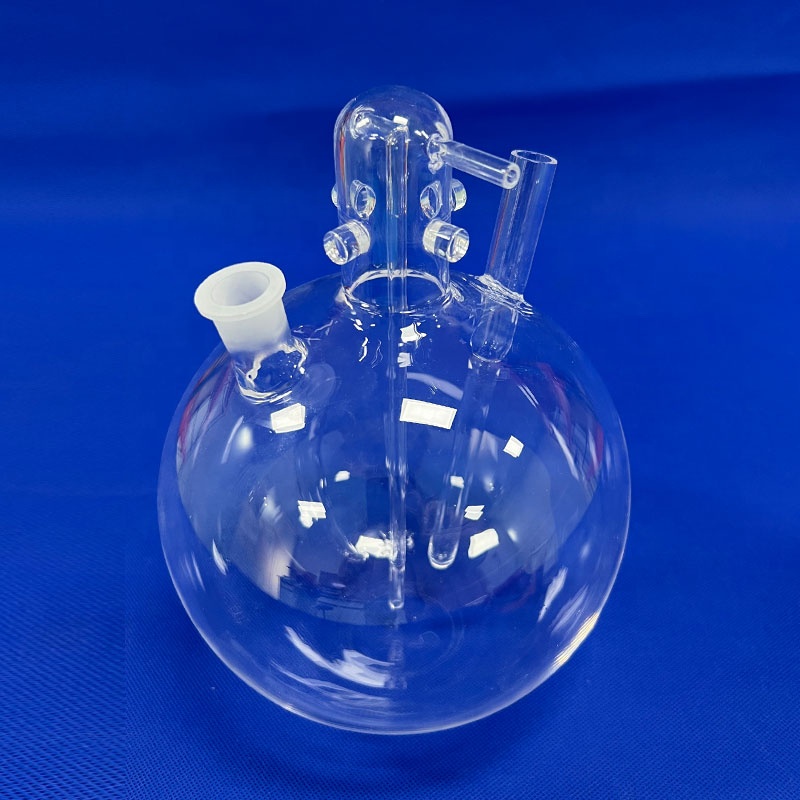
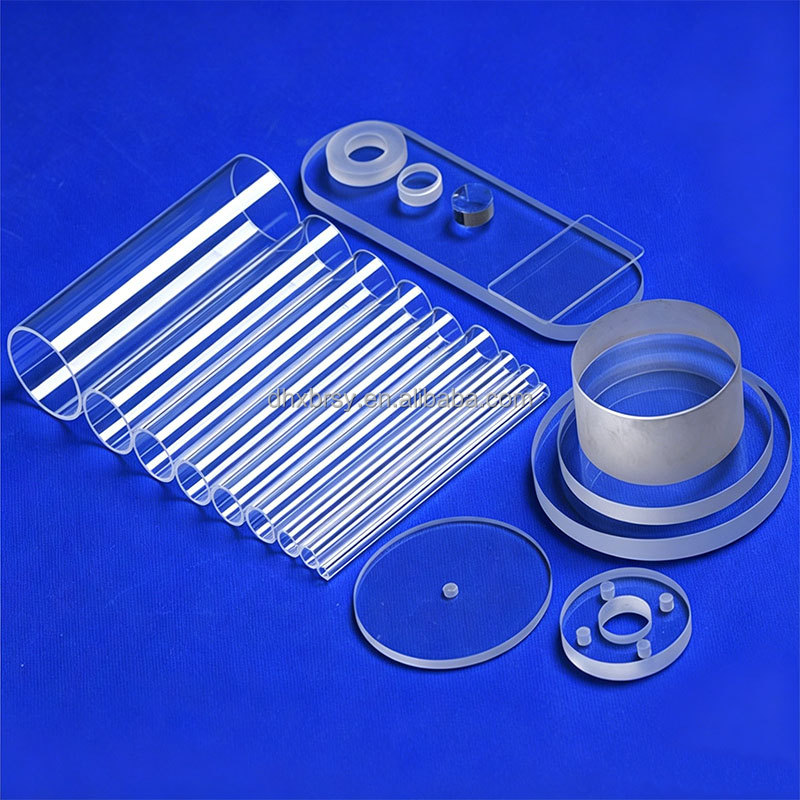
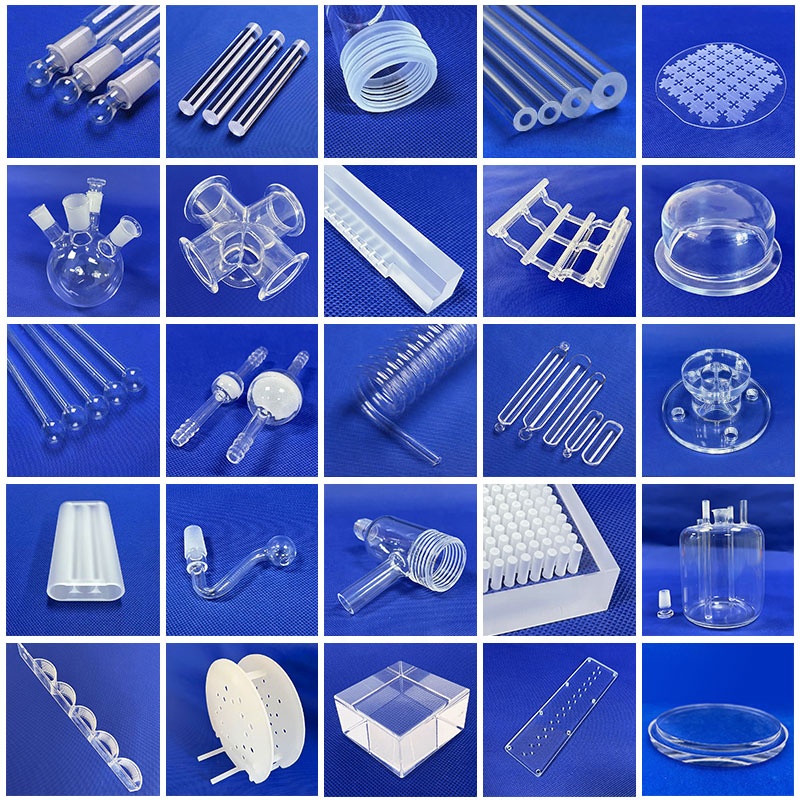
By keeping raw quartz pulverizing, acid pickling, thermal tube drawing, high-precision CNC multi-bore machining, and automated polarization stress annealing within our SGS-verified facilities, Lovri Quartz eliminates third-party markups while safeguarding structural integrity. Every custom triple-bore flow tube, JGS1 optical window, and threaded reaction tube is verified to your production drawings.
Submit your CAD drawings, optical requirements, or replacement equipment part numbers. Our technical team responds within 12 hours with manufacturability feedback and transparent factory pricing.