99.99%
SiO₂ Chemical Purity
14,271m²
Certified Facility Scale
1300°C
Peak Thermal Tolerance
SGS Verified
On-Site Industrial Audit
High-Performance Quartz Solutions & Products
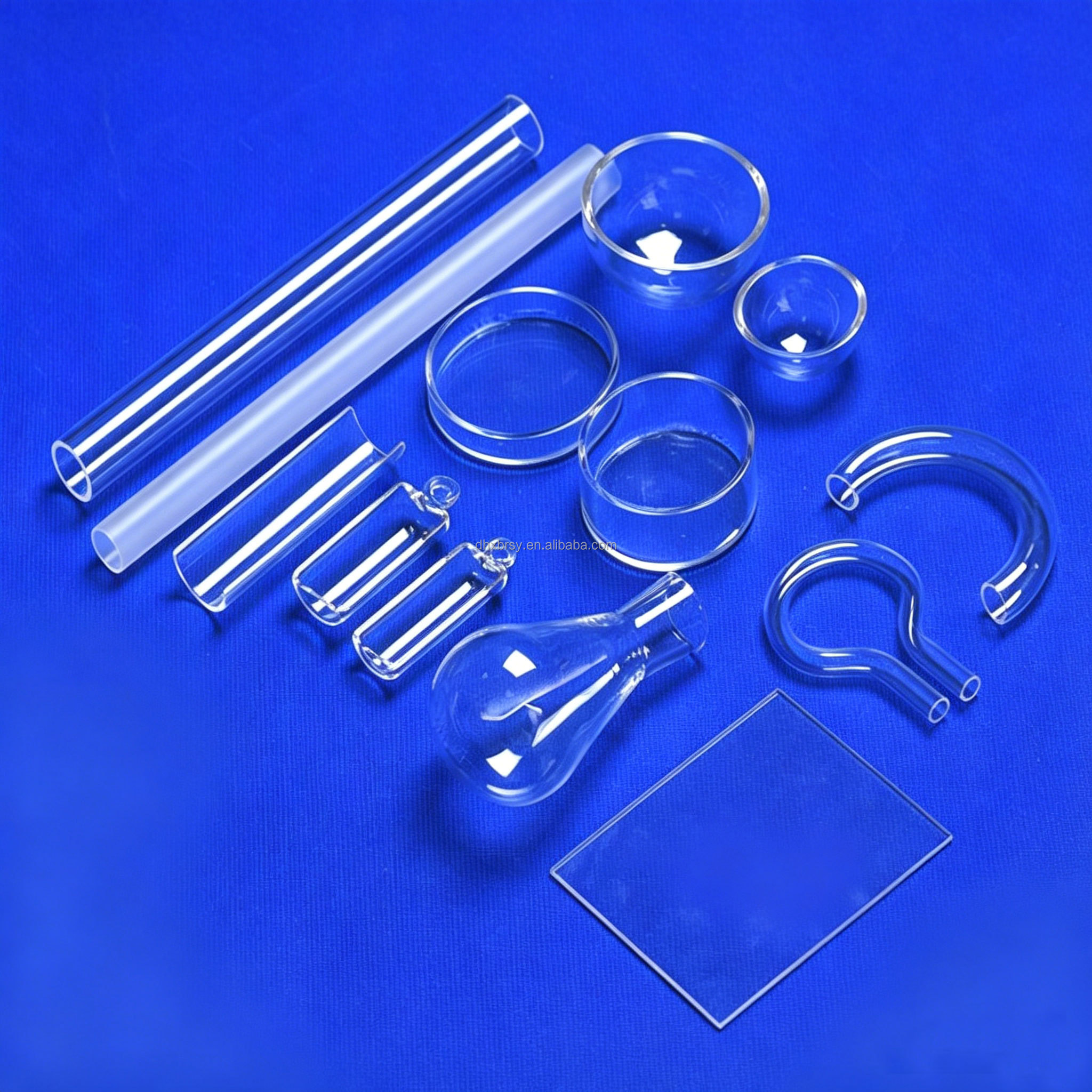
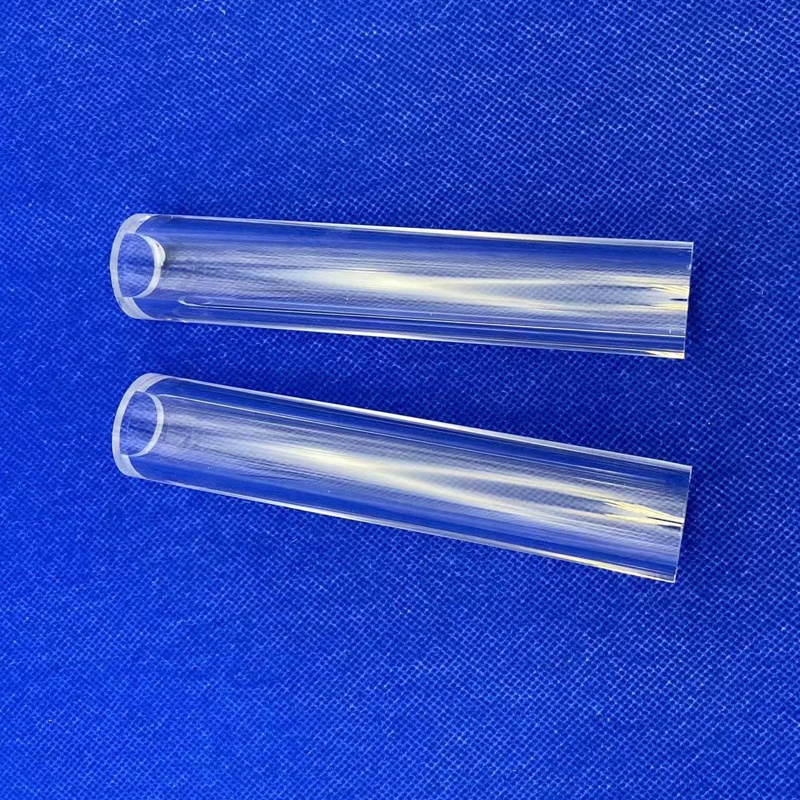
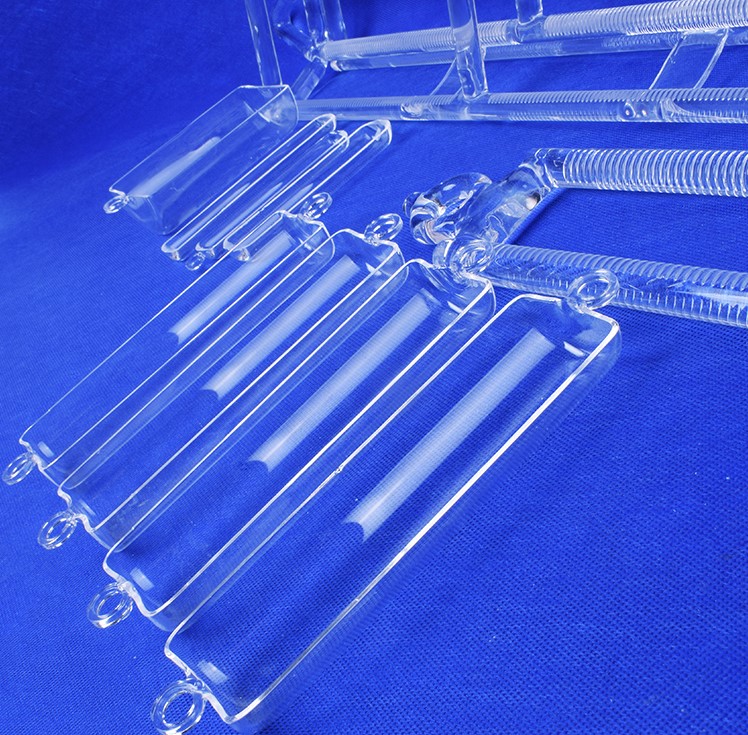
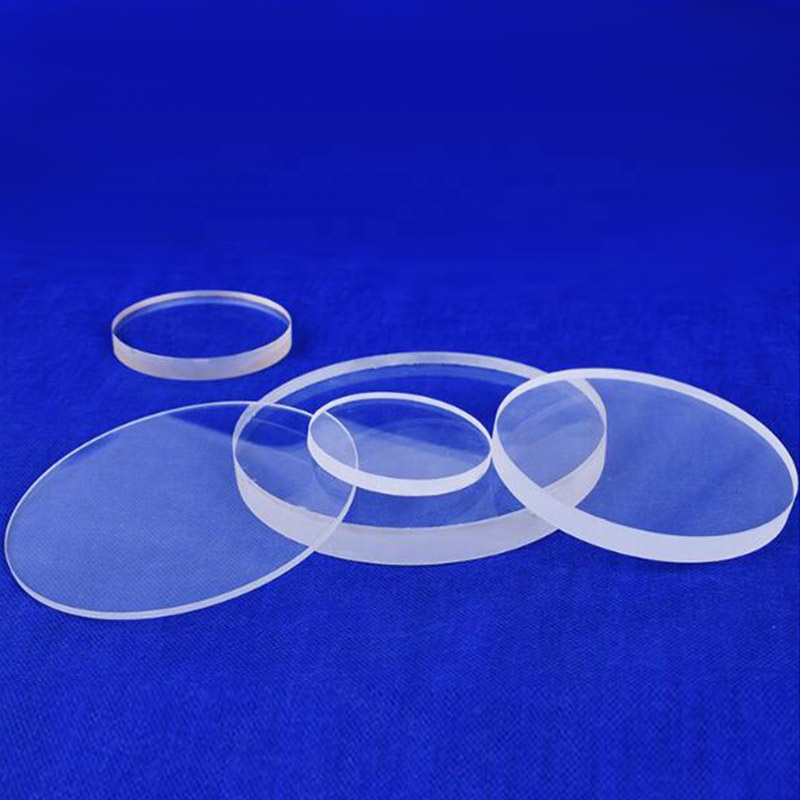
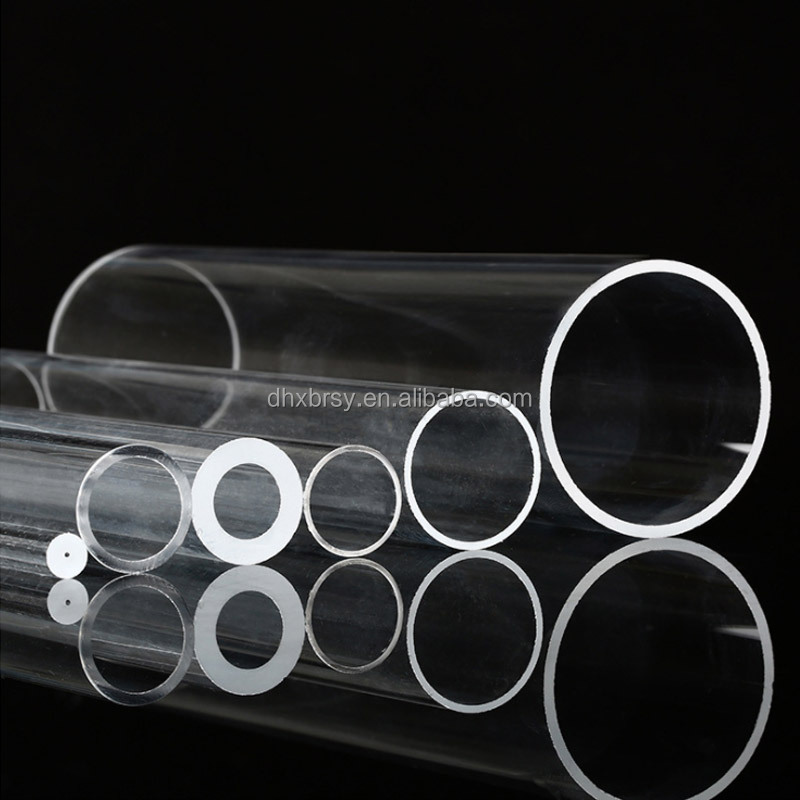
Precision-engineered fused quartz products certified under global ROHS regulations, designed for semiconductor carriers, laser instrumentation, and thermal processing chambers.
🔬 High-Purity Fused Quartz Engineering: Physics, Thermodynamics, and Purity Dynamics
In modern semiconductor manufacturing, advanced chemical vapor deposition (CVD), atomic layer deposition (ALD), and photovoltaic wafer diffusion lines, the quartz furnace tube operates not simply as a passive vessel, but as an active, critical process chamber. High-temperature thermal processes spanning 900°C to 1250°C demand structural integrity, resistance against molecular sag, micro-crystallization (devitrification) mitigation, and total absence of metallic ion diffusion into sensitive substrate interfaces.
Material Truth: When operating at elevated thermal thresholds, structural failure in quartz tubes is almost entirely governed by trace transition alkali elements (such as Na+, K+, and Li+). Trace quantities down to parts-per-billion (ppb) act as nucleation catalysts, dramatically driving devitrification from amorphous silica into cristobalite phases, causing thermal stress-induced mechanical fracturing.
Natural quartz synthesized and purified down to an exceptional 99.99% (4N) to 99.999% (5N) SiO₂ content eliminates unwanted outgassing in vacuum operations. Thermal shock resistance is mathematically facilitated by the remarkably ultra-low coefficient of linear thermal expansion, measured consistently at approximately 5.5 × 10⁻⁷ /°C from 20°C up to 300°C. This specific thermodynamic attribute enables immediate transition through extreme thermal gradients without undergoing structural spallation, deformation, or mechanical breakdown.
| Thermal & Physical Property |
Nominal Measured Value |
Operational Relevance in Thermal Furnaces |
| Silica Concentration (SiO₂) |
≥ 99.99% (Specialized 4N5 available) |
Mitigates parasitic ion cross-contamination into silicon crystal lattices. |
| Density |
2.20 g/cm³ |
Ensures dimensional stability across high-vacuum environments. |
| Coefficient of Thermal Expansion |
5.5 × 10⁻⁷ /°C (20°C - 300°C) |
Immunity to rapid ramp-up and cool-down cycles without catastrophic shear failure. |
| Softening Point |
Approx. 1730°C |
Maintains rigid chamber architecture under continuous thermal loads. |
| Annealing Point |
Approx. 1215°C |
Relieves residual glass-blowing and machining stresses for fatigue mitigation. |
| Continuous Working Temperature |
1100°C - 1150°C |
Optimal standard threshold for multi-zone industrial and oxidation runs. |
| Short-Term Thermal Peak |
1300°C |
Withstands rapid thermal annealing (RTA) and spike thermal processing spikes. |
📈 Global Procurement Trends in Industrial Quartz Furnace Components
The global semiconductor supply chain and next-generation TOPCon/heterojunction solar cell capacity expansions have restructured technical requirements for furnace chamber procurements. Procurement teams are moving decisively away from generic commercial-grade tubes toward highly customized, OEM-specified turn-key quartz solutions. Three macroscopic trends define current procurement behaviors:
Large-Bore Diameter Scaling
Next-generation processing tools require extended diameter tubes exceeding 300mm to 500mm OD. Maintaining wall uniformities (concentricity under ±0.15mm) across entire spans of 2000mm to 3500mm without wall sagging is now a critical prerequisite.
Tight Hydroxyl (OH⁻) Regulation
Hydroxyl control determines high-temperature viscosity. Demanding high-temperature applications require low-OH quartz chemistry (< 5–20 ppm) to significantly elevate the annealing point, extending operating lifespan in 1200°C environments.
Direct Integrated Assemblies
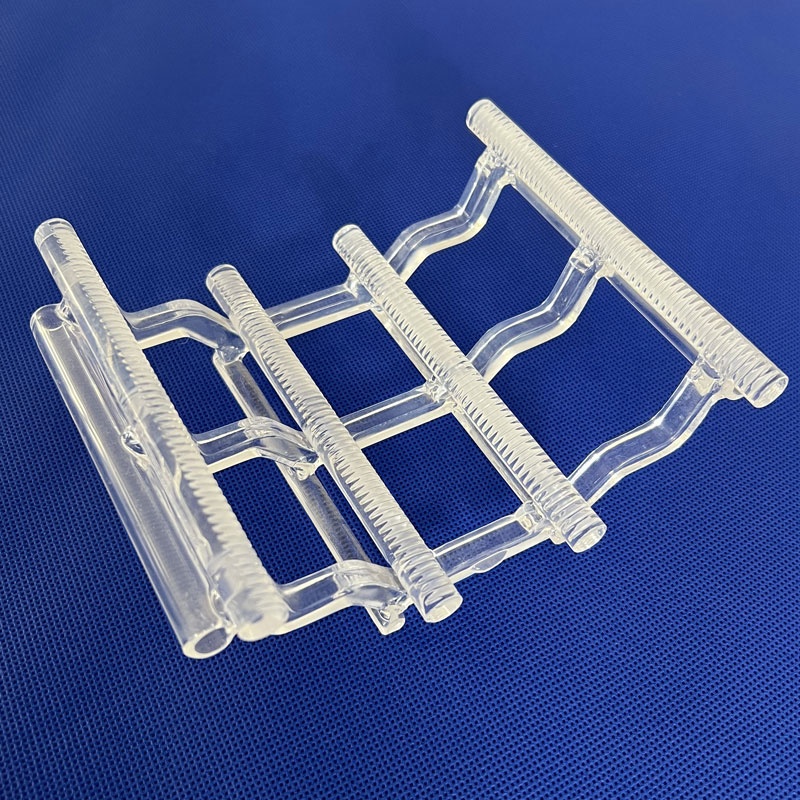
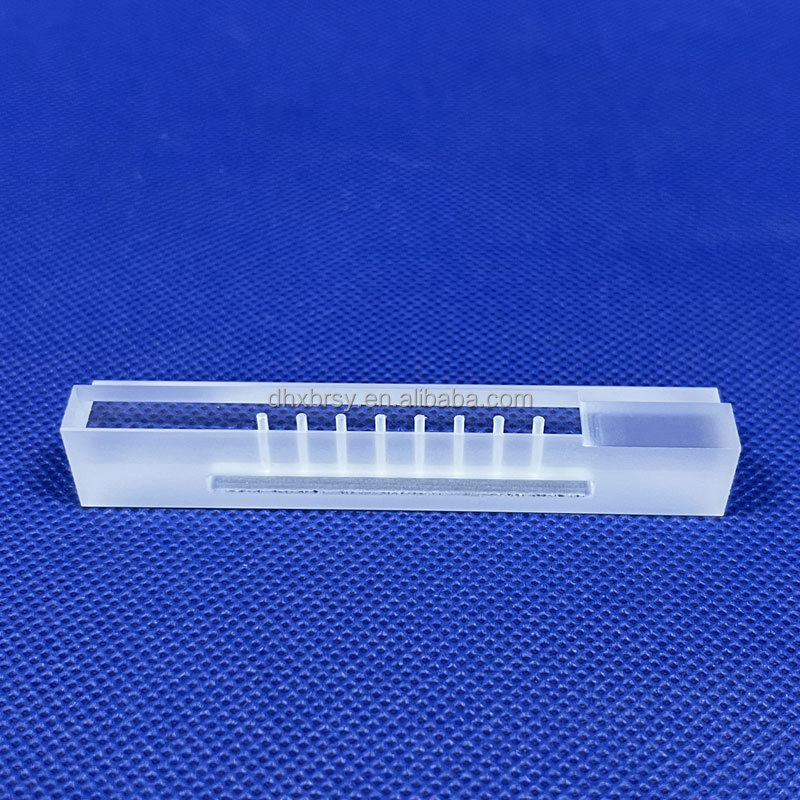
Rather than procuring loose raw tubing, buyers demand fully fabricated architectures: integrated ball/socket vacuum joints, precision CNC machined O-ring sealing flanges, welded injector lines, and high-tolerance wafer carrier systems directly pre-assembled.
Furthermore, escalating supply chain traceability audits require original batch certificate verifying raw source purity, full polarization stress profiles to verify complete residual annealing, and ROHS compliance certification for global distribution.
⚙️ Technological Advances: Precision Machining, Flame-Fusion & CNC Integrity
Historically, hot-working quartz glass relied heavily on traditional manual blow-pipe manipulating, which inevitably generated micro-dimensional variances, local thickness inconsistencies, and internal thermal memory stresses. Today, industry leadership is defined by combining precision multi-axis CNC cold diamond machining with high-temperature computer-monitored planetary glass lathes.
Manufacturing Precision Matrix: Modern quartz tube end preparation uses advanced ultrasonic milling and diamond surface grinding. This delivers absolute surface squareness, sealing facet planarities within light-band tolerances, and surface finishes reaching Ra < 0.2 μm on sealing lips.
At our primary production center in Lianyungang, every single quartz furnace tube undergoes specialized hydrogen-oxygen flame stabilization followed by mandatory computer-controlled annealing cycles. This process thoroughly removes internal stress concentrations (measured via quantitative cross-polarization inspection). The finished parts exhibit uniform structural transmission, high optical integrity, and maximum mechanical resilience against catastrophic fracture under high-vacuum differential pressures.
🏢 Enterprise Advantages: Direct Source Factory in Lianyungang's Quartz Epicenter
Positioned strategically in Tuofeng Industrial Park, Lianyungang, Jiangsu, our operational footprint commands raw quartz supply chains and localized specialist infrastructure. Having our manufacturing ecosystem integrated from mineral refinement to advanced CNC machining translates into uncompromising production stability:
14,271 m² Verified Facility
Independently verified and on-site audited by SGS Group, providing certified manufacturing capabilities, comprehensive factory floorspace, and standardized industrial cleanliness controls.
End-to-End Vertical Supply
Complete control from initial natural silica lump selection, crushing, and high-acid purification, through high-precision horizontal tube drawing, down to final specialized CNC milling and slotting.
Comprehensive Testing Infrastructure
Polarization stress measurement rigs, coordinate measuring machines (CMM), optical spectrophotometer transmission tests, and precision ultrasonic thickness monitoring integrated across all stages.
OEM & Engineering Prototypes
Rapid prototyping framework supporting low-MOQ engineering validation batches (from 1-5 pieces) up to high-volume recurring multi-container semiconductor production series.
Request Technical Drawing Review & RFQ
❓ Industry Whitepaper: Frequently Asked Questions in Quartz Procurement
Critical technical insights compiled by our manufacturing engineers to assist procurement managers, equipment designers, and fab engineers during quartz component qualification:
1. What differentiates natural fused quartz from synthetic fused silica for furnace tubes?
Natural fused quartz is produced from high-purity natural quartz sand (SiO₂ ≥ 99.99%). It features high viscosity, superior structural resistance to high-temperature sag at >1100°C, and exceptional economic viability for high-volume diffusion operations. Synthetic fused silica (such as JGS1) is synthesized from silicon tetrachloride precursors, yielding zero metallic impurities and superior deep-UV transmission, making it standard for high-end optical components and specialized sub-nanometer lithography tools.
2. What causes premature devitrification in thermal furnace tubes?
Devitrification is the phase conversion of amorphous quartz glass into crystalline cristobalite. It is triggered by two main factors: operation at sustained high temperatures (>1150°C) and surface ionic contamination. Trace alkali metals (sodium, potassium) or handling with un-gloved hands leave alkaline residues that accelerate crystallite growth. Proper acid pickling, thermal ramping procedures, and strict clean-room cleaning protocols minimize this risk.
3. How do you inspect and prevent internal stresses in fabricated components?
Welding nozzles, cutting, and flange joins inevitably generate local thermal stress gradients. We subject every piece to comprehensive furnace annealing cycles holding temperatures at the annealing point (~1215°C) before slowly stepping down. Finished components pass through dual-polarized light stress analyzers to verify that residual stress birefringence falls below 10 nm/cm optical path length.
4. What dimensional specifications are required for quoting custom OEM tubes?
A complete drawing or RFQ should specify Outer Diameter (OD), Inner Diameter (ID), Wall Thickness (WT), Total Length (TL), end finishes (cut flat, fire-polished, ground flange, or closed end), permissible runout/bowing tolerance (e.g., < 0.1%), working temperature parameters, and gas interface configurations (such as threaded quartz joints or ground tapers).
5. How are high-fragility quartz products protected for international sea and air freight?
We deploy specialized multi-tier protective packaging: each piece is vacuum-shrink sealed or plastic enveloped, fully isolated by custom-cut high-density EPE shock-absorbent foam cores, enclosed in heavy-duty cardboard sleeves, and boxed within ISPM-15 compliant export fumigated wooden crates designed to absorb transit drop impacts and vibration frequencies.
6. What chemical cleaning standards apply to high-purity semiconductor tubes?
Before shipment, high-purity parts undergo ultra-pure nitric/hydrofluoric acid leaching to clear particulate residues and eliminate surface metal traces, followed by multi-stage cascade 18 MΩ·cm deionized (DI) water ultrasonic baths and Class 100 clean-room hot nitrogen drying.
Initiate Your Engineered Quartz Specification
Direct factory technical reviews. Send your CAD drawings (DWG, STEP, DXF) or OEM specifications directly to our engineering department for rapid manufacturability evaluations and comprehensive pricing models.