High-Purity Fused Quartz Components
Engineered with ≥99.99% pure silica feedstock, offering structural stability up to 1300°C, extreme optical clarity from deep UV to IR spectra, and micro-tolerance dimensional stability.
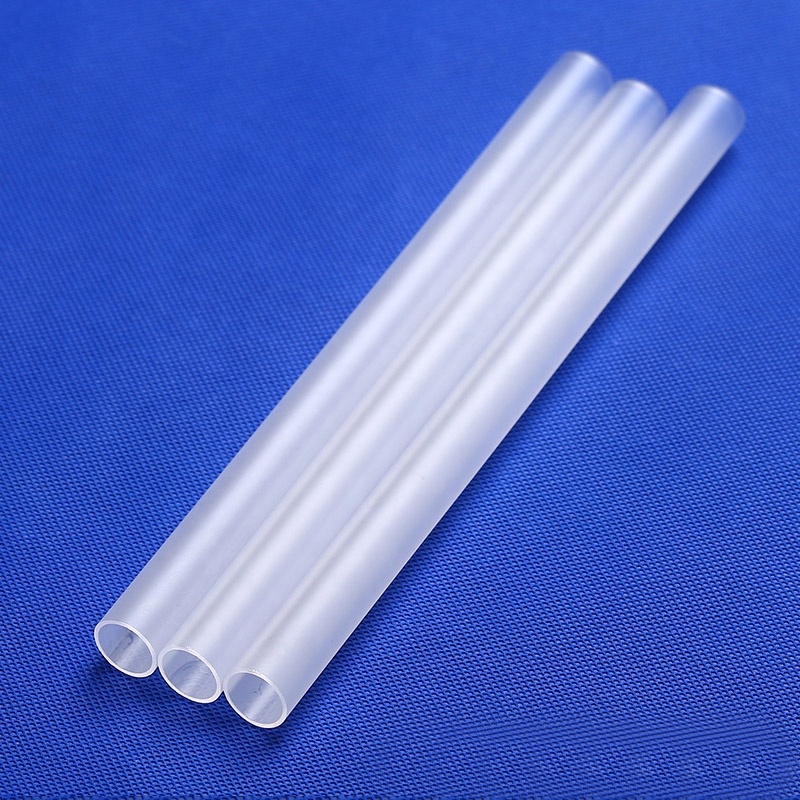
High Purity Polished Quartz Glass Tube
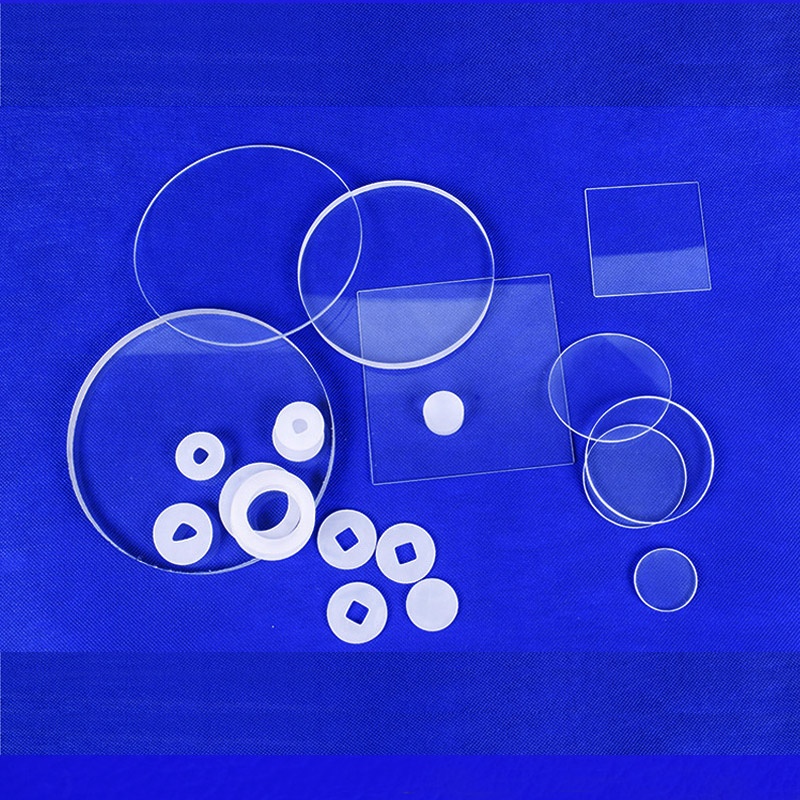
JGS1 High Purity Fused Quartz Sheet
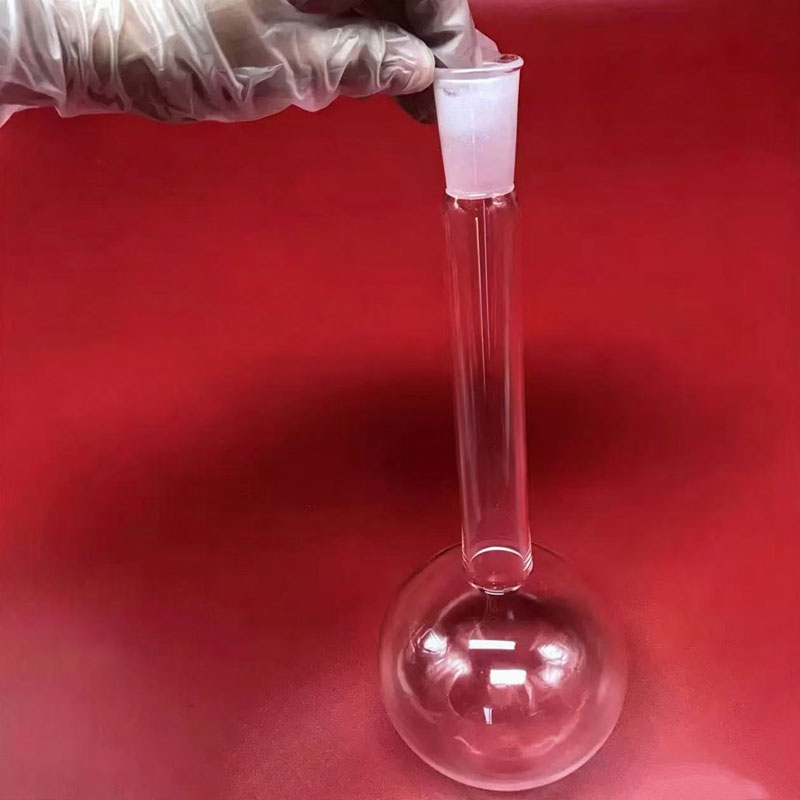
Quartz Glass High-Temp Long-Neck Flask
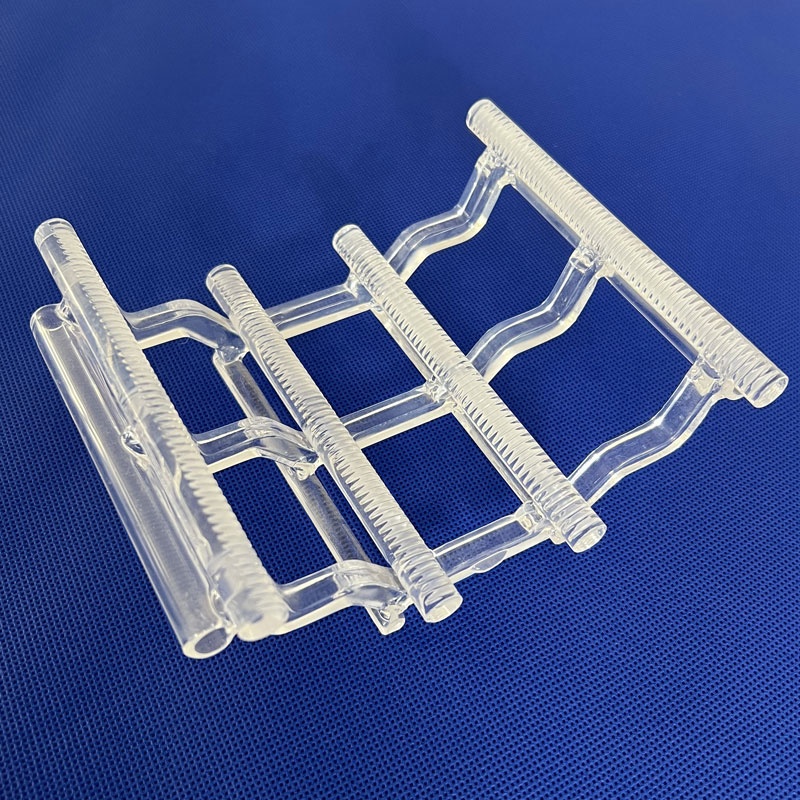
Fused Quartz Semiconductor Wafer Boat
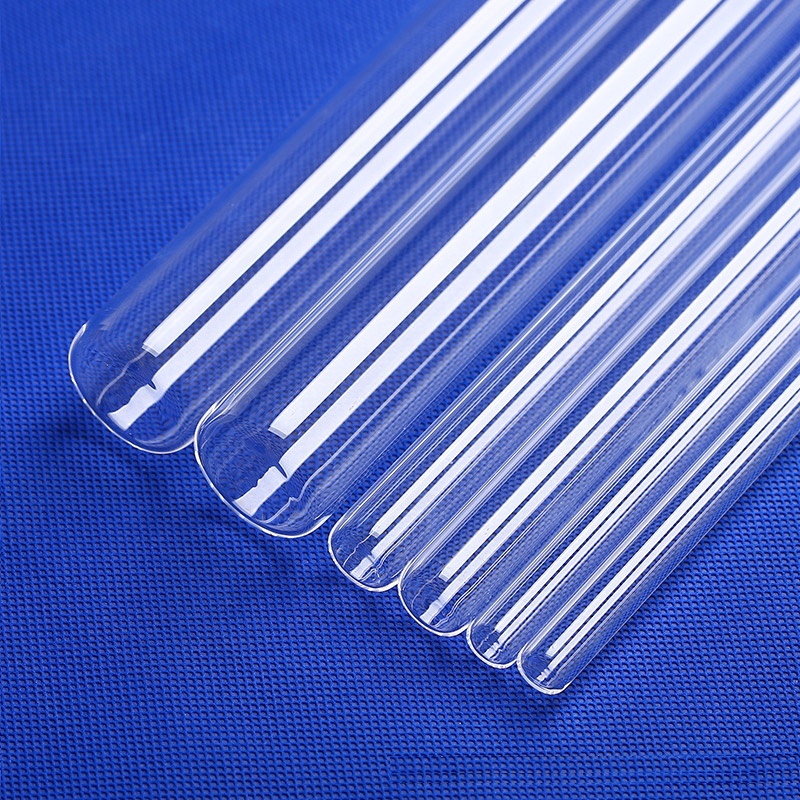
One-End Closed Fused Silica Quartz Tube
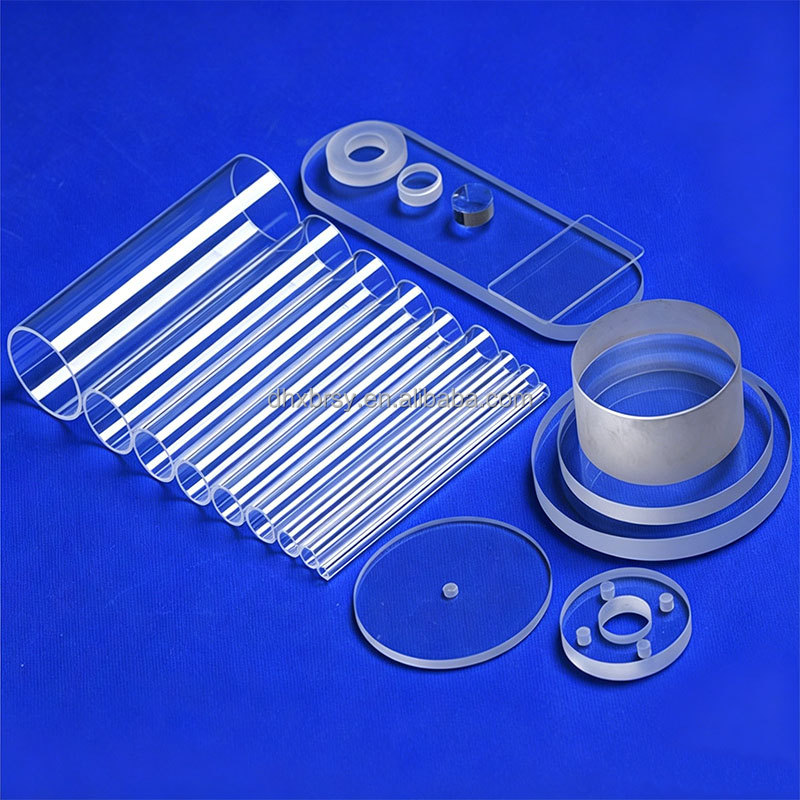
CNC-Machined JGS1 Fused Silica Window
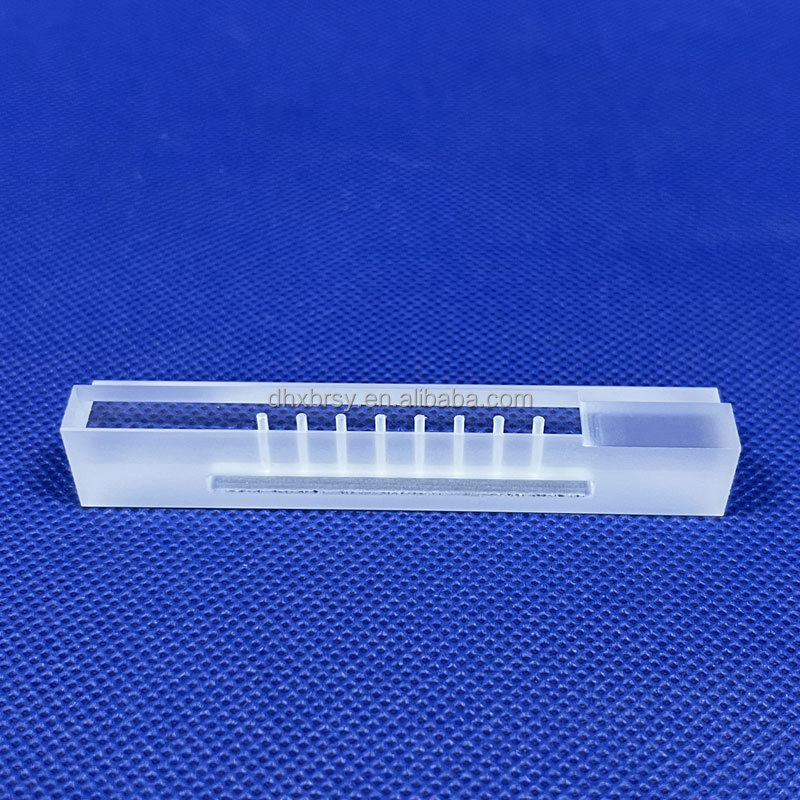
Fused Quartz V-Groove Fiber Array Holder
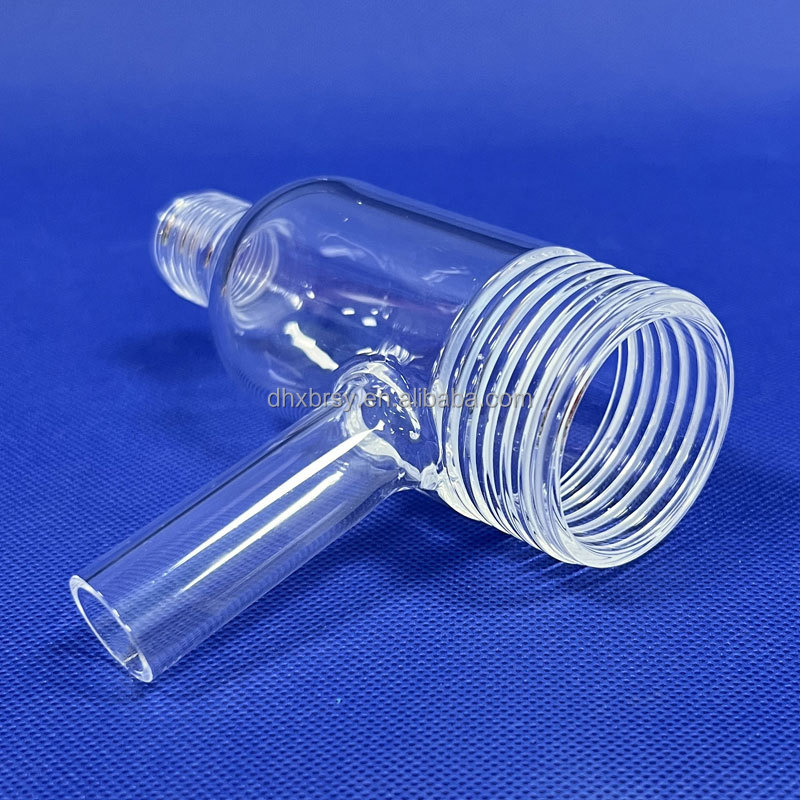
High-Temp Threaded Quartz Glass Tube
Integrated Engineering & Production Ecosystem
Headquartered in Lianyungang, Jiangsu—the epicenter of China's high-purity natural silica mineral reserves—Lovri Quartz delivers end-to-end quality sovereignty from raw ingot extraction to five-axis CNC sub-micron micro-machining.
Full In-House Cycle
We do not broker semi-finished tubes. Our 14,271 m² plant controls raw silica cutting, pulverizing, acid pickling, thermal furnace drawing, precision annealing, fire-welding, and packaging.
Polarization Stress Relief
Latent thermal stress creates spontaneous catastrophic shattering in vacuum chambers. Every single annealed batch is 100% verified using cross-polarization photoelastic analyzers prior to machining.
CNC Micro-Tolerances
Equipped with specialized diamond-tooled CNC machining centers, ultrasonic drilling stations, and chemical-mechanical planarizers achieving tolerances down to ±0.005mm for semiconductor carriers.
Zero-Transit Damage Packing
Fragile quartz tubing demands military-grade export packaging. We use multi-density shock-absorbing polyethylene foam inserts, hermetic vacuum bags, and heavy-duty steel-banded plywood export crates.
Engineering Guide: Fused Quartz vs. Fused Silica
Procurement engineers often confuse flame-fused natural quartz with synthetic fused silica. Choosing the incorrect metallurgical purity grade leads directly to solarization failure, thermal fracturing, or unneeded budget escalation.
UV, VIS, and IR Transmission Bands
Understanding wavelength transmission curves is mandatory for laser optical components, photolithography lamps, and infrared heating arrays:
- JGS1 (Synthetic Fused Silica): Transparent from 185nm to 2500nm. Free of OH- bubbles; ideal for deep UV excimer lasers, lithography, and medical laser flow tubes.
- JGS2 (Optical Grade Quartz): Transparent from 220nm to 2500nm. Produced from refined quartz crystal; excellent balance for UV sterilization and sight glasses.
- JGS3 (Infrared Fused Quartz): Transparent from 260nm to 3500nm. Water-free (OH < 5 ppm); critical for pyrometry observation, thermal vision, and CO2 laser chambers.
Thermal Expansion & Shock Resilience
Fused quartz exhibits one of the lowest coefficients of thermal expansion (CTE) of any commercial material on earth (5.5 × 10⁻⁷ cm/cm·°C between 20°C and 320°C):
- Near-Zero CTE: Approximately 1/20th that of borosilicate glass 3.3. It can be heated red-hot to 1150°C and plunged directly into ice-cold water without micro-fracturing.
- Annealing Dynamics: Internal stress relaxes at 1140°C–1215°C. Unannealed parts rapidly devitrify into cristobalite when subjected to prolonged thermal cycles.
- Structural Softening: The softening deformation threshold is ~1730°C, providing unmatched operational margins in semiconductor CVD furnaces.
Secondary Fabrication & Cold Working
Transforming drawn tubes and cast quartz ingots into functional industrial sub-assemblies requires synchronized hot flame and cold mechanical operations:
- Oxy-Hydrogen Glassblowing: Working temperature exceeds 2000°C. Skilled artisans weld quartz flanges, create multi-bore bends, and fuse ground glass joints.
- Diamond Ultrasonic CNC: Quartz is ultra-brittle (Mohs hardness 7.0). CNC milling requires diamond core tools under chilled fluid baths to prevent micro-chipping.
- Acid Decontamination: Finished parts undergo 10%–20% hydrofluoric (HF) acid etch to strip micro-fracture zones, followed by 18.2 MΩ deionized water cascades.
| Physical / Chemical Property | Testing Metric / Standard | High Purity Fused Quartz (Flame Fused) | Synthetic Fused Silica (Chemical Vapor) |
|---|---|---|---|
| SiO₂ Elemental Purity | ICP-OES Mass Spectrometry | ≥ 99.99% (Metals < 20 ppm) | ≥ 99.9999% (Metals < 0.1 ppm) |
| Density | Room Temp (20°C) | 2.20 g/cm³ | 2.201 g/cm³ |
| Refractive Index (nD) | λ = 589.3 nm | 1.4585 | 1.4584 |
| Max Working Temperature | Continuous / Peak Intermittent | 1100°C / 1300°C | 1150°C / 1350°C |
| Dielectric Strength | 20°C, 1 MHz frequency | 25–40 kV/mm | 30–45 kV/mm |
| Hydroxyl (OH⁻) Content | FTIR Spectrophotometer | < 30 ppm to 150 ppm (Grade dependent) | < 1 ppm (Dry grade) or ~1200 ppm (Wet) |
Fused Quartz Strategic Procurement Trends (2025–2030)
Global high-purity quartz procurement is experiencing profound structural transformations driven by semiconductor miniaturization, wafer diameter expansion, and solar TOPCon/Perovskite scaling.
Sub-3nm Contamination Controls
As semiconductor fabrication pushes past sub-3nm nodes, metal ionic contamination thresholds have dropped from parts-per-million (ppm) to parts-per-billion (ppb). Traditional flame-fused quartz is increasingly replaced or internally lined with ultra-pure synthetic fused silica to suppress alkali ion leaching (Na, K, Li) during atomic layer deposition (ALD) and high-density plasma etching.
Super-Sized Diffusion Furnace Tubes
Photovoltaic cell architectures are standardizing around rectangular wafer form factors (M10/G12), demanding diffusion quartz tubes with outer diameters exceeding 450mm to 600mm. Sourcing managers now prioritize Tier-1 manufacturers with specialized continuous-electric fusion drawing towers capable of sustaining concentricity and minimal wall-thickness variation across massive tube lengths.
Direct-from-Source Raw Sand Vertical Integration
Geopolitical export friction and bottlenecks in ultra-high purity quartz sand reserves (such as Spruce Pine deposits) have made integrated mineral processing an indispensable audit criterion for Fortune 500 procurement teams. Partnering with factories that control their own chlorination purification and acid-washing infrastructure protects buyers against critical supply interruptions.
Frequently Asked Questions on Quartz Sourcing
Clear, unhedged answers to the most common engineering and commercial queries encountered during fused quartz glass vendor evaluations.
What are the key differences between JGS1, JGS2, and JGS3 quartz plates?
What dimensional tolerances can your CNC quartz machining center achieve?
Can fused quartz glass withstand rapid thermal shock and extreme heating?
What CAD file formats do you accept for custom OEM/ODM quartz parts?
How do you guarantee that fragile quartz products do not arrive broken?
What is your Minimum Order Quantity (MOQ) and standard delivery lead time?
Accelerate Your Fused Quartz Production Run
Submit your CAD drawings, required purity grade, and operational tolerances. Our senior optical and glassblowing engineers will evaluate manufacturability and deliver a competitive factory-direct quote.
Send an Inquiry