Engineered Quartz Components & Reaction Vessels for Varna Importers
Fabricated from electro-fused natural quartz crystal sand and optical-grade synthetic fused silica, our components withstand harsh petrochemical digestion, photochemical excitation, and high-vacuum thermal processes.
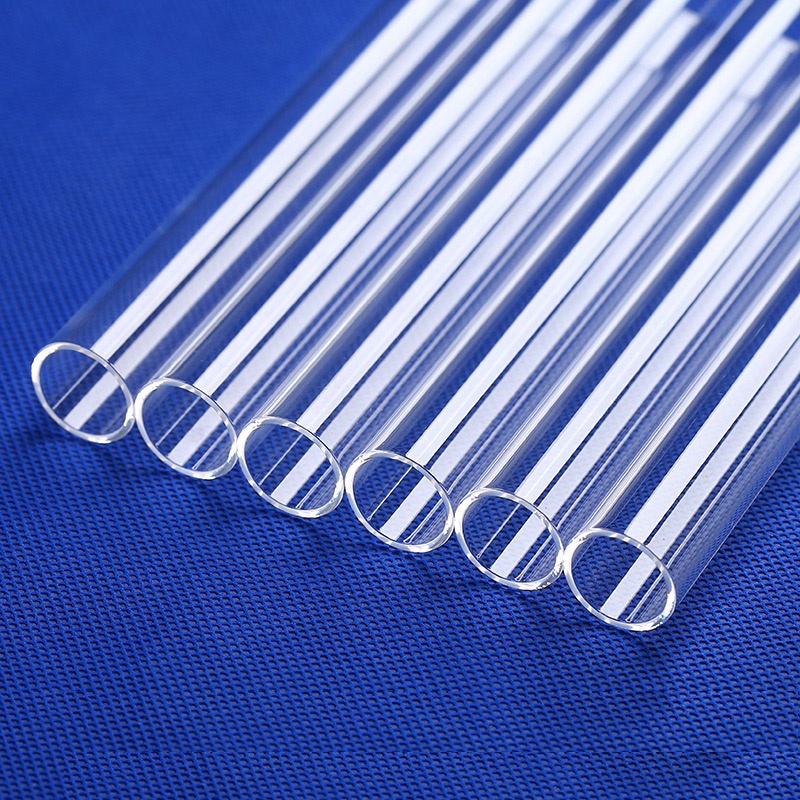
High Precision Clear Quartz Glass Tubing OD 10mm/14mm/20mm
View Specifications →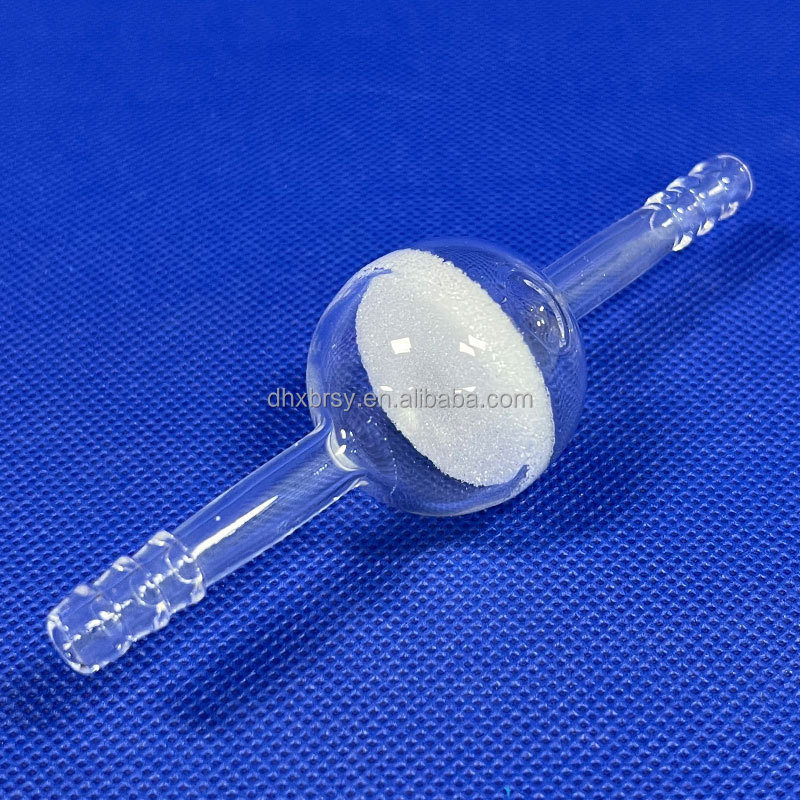
High Purity Transparent Fused Quartz Sheet & Digestion Tube
View Specifications →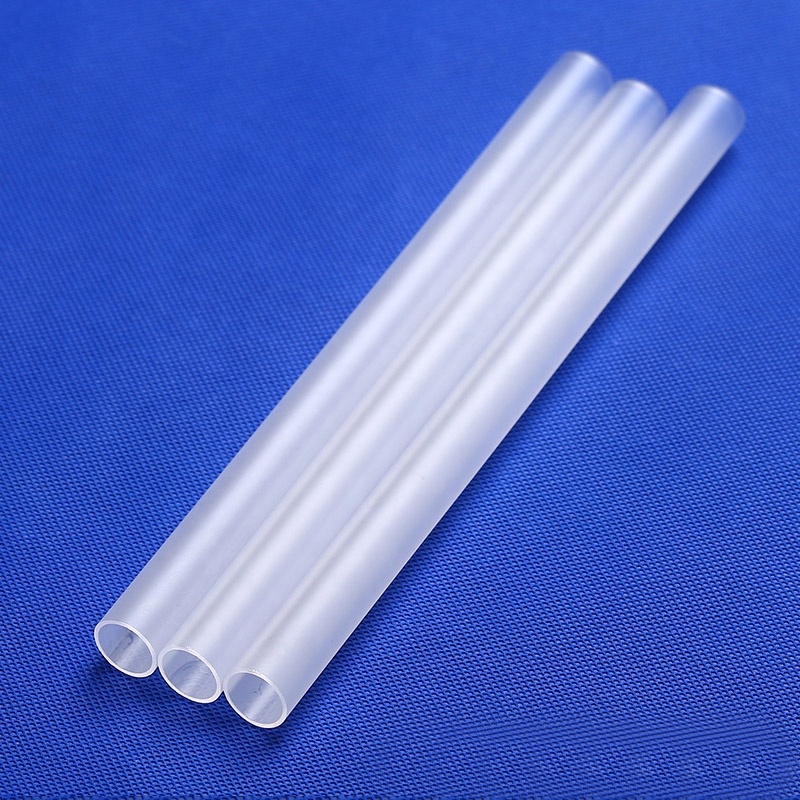
Translucent Polished Quartz Glass Tube for UV Ozone Reaction
View Specifications →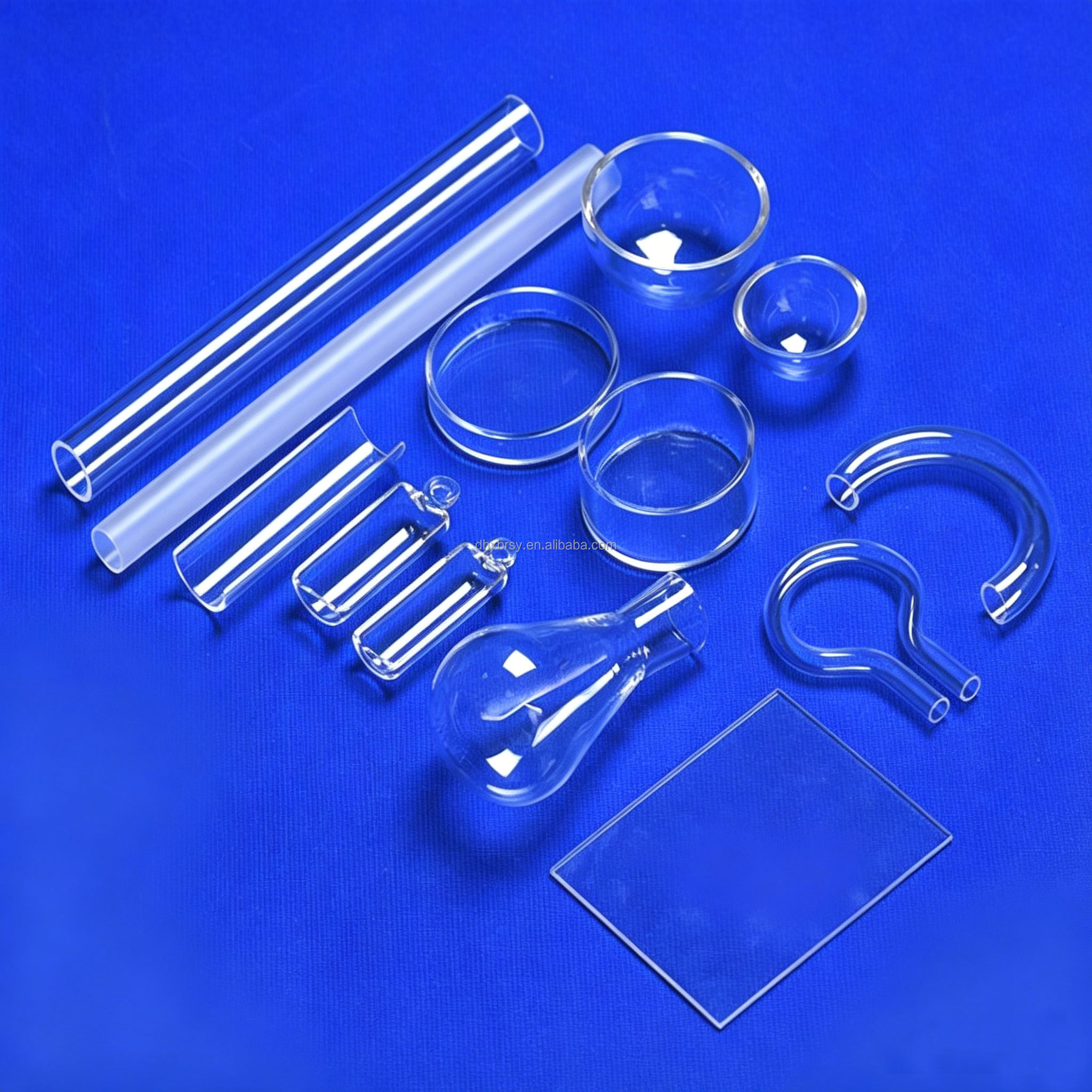
BAO RAN 99.99% SiO₂ Content Transparent Fused Quartz Sheet
View Specifications →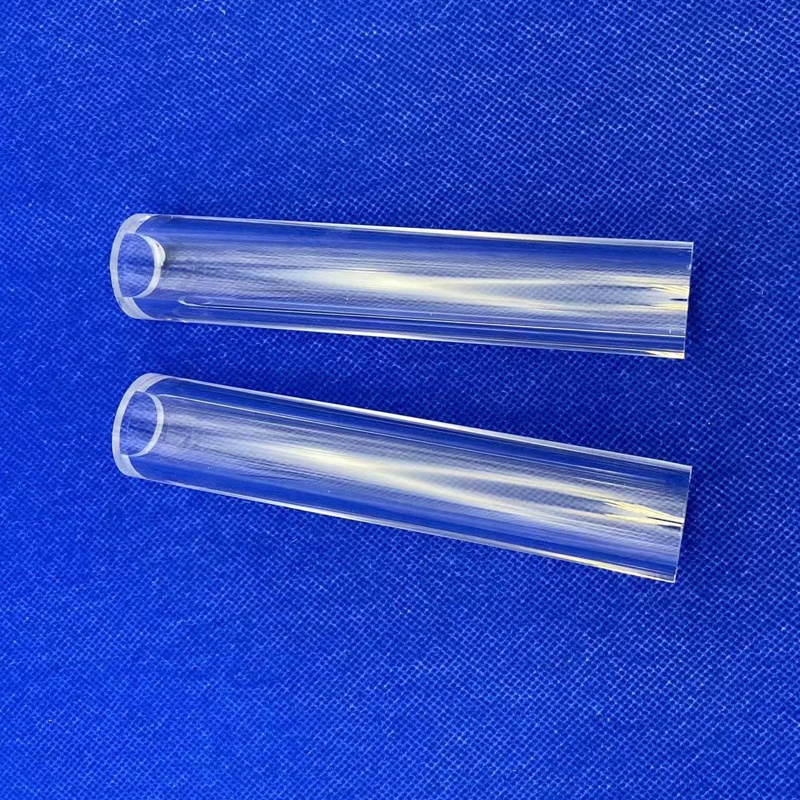
Clear Fused Silica Quartz Tube for Far-Infrared Heaters
View Specifications →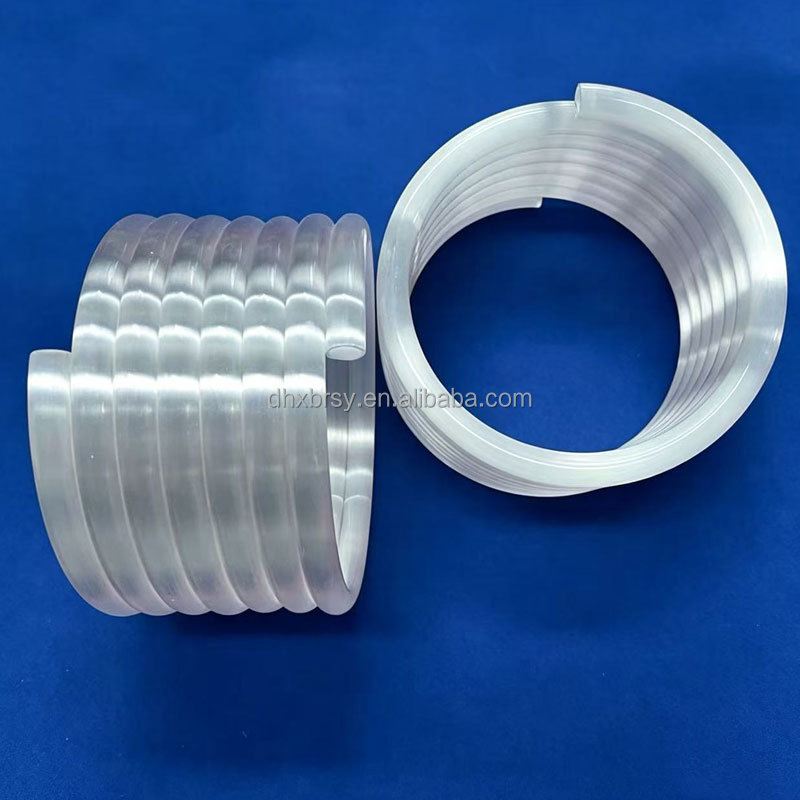
Custom Milky White Opaque Quartz Spiral Tube Helix Coil
View Specifications →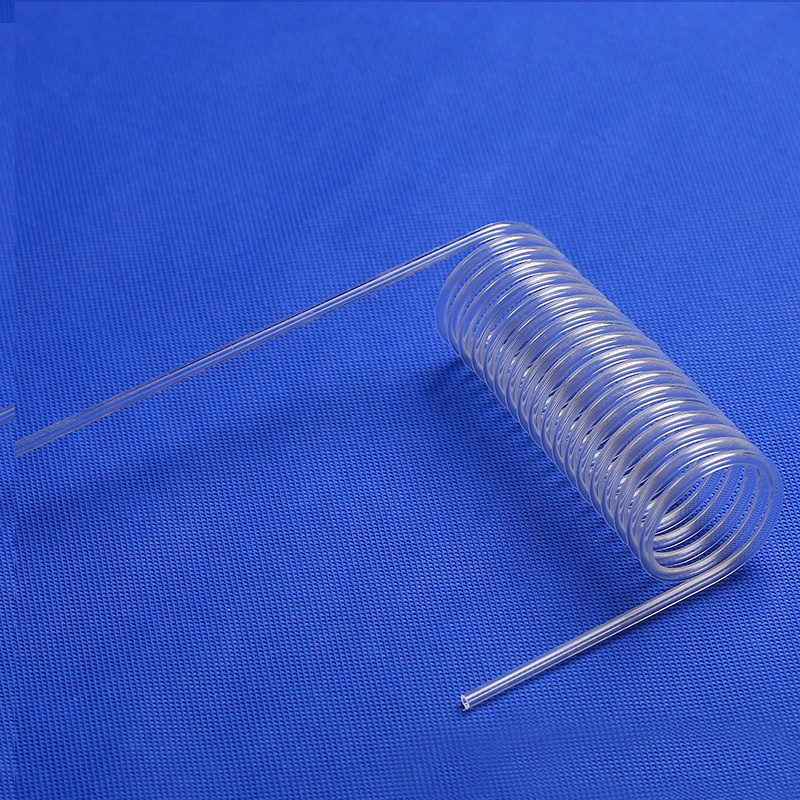
Yellow Clear High Purity Fused Quartz Spiral Flow Tube
View Specifications →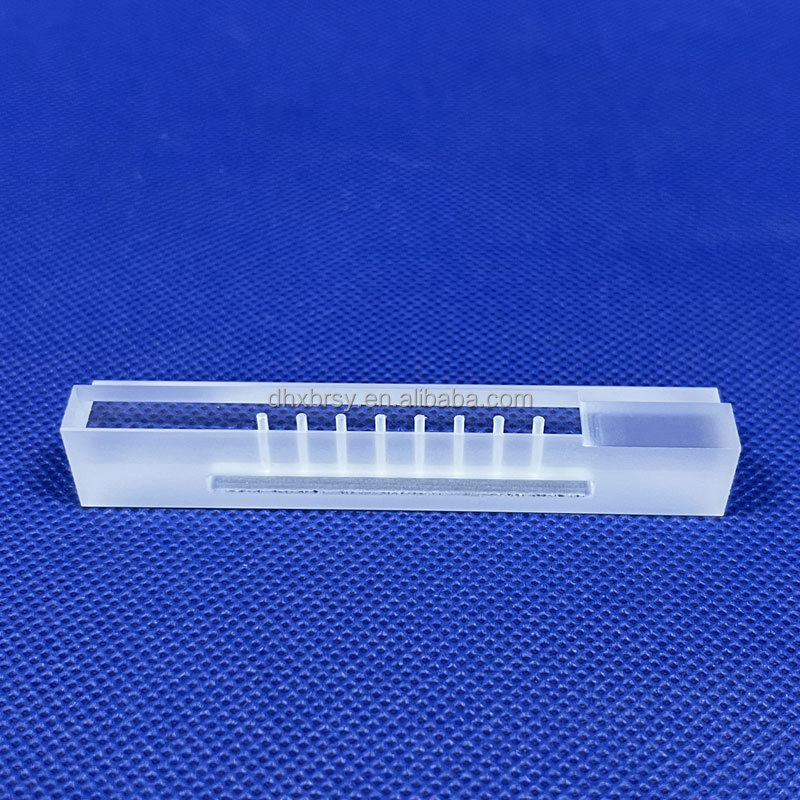
High Purity Fused Quartz V-Groove Fixture & Array Holder
View Specifications →Material Metallurgy: Why Fused Quartz Outperforms Borosilicate 3.3 in Varna's Heavy Chemical Synthesis
Evaluating thermodynamic stability, coefficient of thermal expansion (CTE), and hydroxyl content (OH⁻) across critical industrial reaction vessels.
| Physical / Chemical Parameter | Lovri High-Purity Fused Quartz (JGS1/JGS2) | Standard Borosilicate Glass 3.3 | Operational Significance in Synthesis |
|---|---|---|---|
| SiO₂ Concentration | ≥ 99.99% | ≈ 80.5% - 81.0% | Prevents metal ion leaching (Al, Na, B) into pharmaceutical precursors and battery electrolytes. |
| Thermal Expansion (20°C - 300°C) | 5.5 × 10&sup7; / °C | 33 × 10&sup7; / °C | Quartz allows instantaneous red-hot immersion into freezing water without catastrophic micro-fracture. |
| Continuous Working Temperature | 1,100 °C | 450 °C - 500 °C | Facilitates high-temperature gas-phase halogenation, carbonylation, and vacuum thermal cracking. |
| Softening Point | 1,730 °C | 820 °C | Maintains structural roundness and joint precision under extreme autoclave thermal runaways. |
| Optical Spectral Transmission | 185 nm - 2,500 nm (Deep UV to Near IR) | 310 nm - 2,200 nm (Cuts UV-C) | Critical for photocatalytic degradation, chlorination, and UV-excited radical polymerization. |
| Resistance to Molten Reagents | Inert to all acids except HF and H₃PO₄ >150°C | Moderate attack by alkaline and concentrated acids | Safeguards pure analytical stoichiometry in complex petrochemical cracking assays. |
In modern chemical kinetics, the reaction flask is never an idle container; it is an active thermodynamic interface. Standard borosilicate glassware fails when processes require heating beyond 500°C or when steep exothermic spikes occur during nitration, sulfonation, or halogenation. For industrial operators in Varna and the Devnya valley, switching to fused quartz reaction flasks eliminates stress-cracking risks, minimizes batch contamination caused by sodium or boron extraction, and supports real-time spectroscopic observation thanks to quartz's wide optical clarity from 185 nm up to 2500 nm.
Industrial & Research Applications Across Varna & Northeastern Bulgaria
Varna is Bulgaria’s chemical and maritime gateway. Our high-precision fused quartz reaction flasks, distillation apparatus, and manifold systems solve distinct engineering challenges across key regional sectors.
Devnya Chemical Valley Synergies
Situated merely 25 km west of Varna, Devnya constitutes one of Southeast Europe's most concentrated chemical complexes. Facilities dealing with heavy chlor-alkali synthesis, soda ash processing, nitrogen fertilizers, and organic polymers rely on fused quartz reaction flasks for pilot-scale catalytic evaluations. Our quartz flasks endure corrosive hot acid gas streams (including dry HCl and sulfur oxides) where standard borosilicate or alloyed vessels suffer pitting and surface delamination.
Maritime Marine Biotechnology & Desalination R&D
Anchored around the Bulgarian Academy of Sciences Institute of Oceanology and the research faculties at Technical University of Varna, researchers utilize our optical quartz reaction flasks for deep-UV photolysis, ballast water chemical neutralization testing, and Black Sea algae-derived biochemical extraction. The absolute optical transparency of JGS1 fused quartz permits maximum photon flux across germicidal UV-C wavelengths (254 nm), accelerating laboratory photo-oxidation rates.
Petroleum Refining & Asphalt Additive Testing
With convenient logistical connectivity along the Black Sea petrochemical transit routes, regional test facilities handle heavy crude distillates, bitumen cracking, and synthetic ester development. Quartz digestion flasks and round-bottom three-neck quartz vessels accommodate sustained operations at 800°C–1000°C, ensuring that thermal depolymerization trials run cleanly without thermal shock failure during flash cooling cycles.
Specialty Pharmaceutical Active Synthesis
Modern pharmaceutical manufacturers across the Varna-Shumen-Razgrad corridor demand ultra-trace purity. Conventional laboratory glass slowly leaches alkali ions into acidic solutions, compromising high-potency APIs. Our 99.99% SiO₂ quartz reaction vessels prevent elemental contamination, ensuring consistent batch records that comply strictly with European Pharmacopoeia (Ph. Eur.) and Good Manufacturing Practices (GMP).
Photochemical Solar Hydrogen Generation
Aligned with Bulgaria’s National Recovery and Resilience Plan and EU Clean Hydrogen initiatives, research teams at Varna’s academic institutes require optically pristine photoreaction vessels. Our multi-port quartz reactors allow seamless integration of quartz immersion wells, water-cooled jackets, and gas-tight GL45 screw threads, allowing direct UV/solar simulator radiation into the catalyst slurry with minimal attenuation.
Environmental Black Sea Water Monitoring
Environmental testing laboratories in Varna monitoring polycyclic aromatic hydrocarbons (PAHs), heavy metals, and agrochemical runoff depend on high-purity quartz digestion tubes and Kjeldahl reaction flasks. Our vessels endure aggressive aqua regia and microwave-assisted acid digestion at extreme pressures without risk of wall etching or trace boron leaching.
Northeastern Bulgaria's Chemical Re-Industrialization & Direct Chinese Sourcing Trends
Why procurement managers and laboratory heads in Varna are migrating from European multi-tier distributors directly to verified Chinese manufacturing plants.
Supply Chain Cost Normalization
Historically, Bulgarian firms sourced laboratory quartz through intermediate European brand houses, incurring markups of 180% to 320%. By purchasing directly from our factory in Lianyungang, procurement teams retain exact European specification compliance while reallocating operational budgets toward process scaling and plant automation.
Customized Reaction Apparatus
Off-the-shelf catalog glassware rarely aligns with customized synthesis lines. Our technical team works directly from AutoCAD, SolidWorks, or STEP drawings to fabricate quartz reaction flasks with non-standard ground joints (B14, B19, B24, B29, B34), flat-flange DN systems, thermowells, and baffle internals tailored to specific client kinetics.
Decarbonization & Green Transition
Under the EU Green Deal, chemical producers in Devnya and Varna are converting high-carbon processes to high-efficiency electrified and catalytic synthesis. Fused quartz infrared heater tubes, reactor linings, and distillation columns operate efficiently at extreme thermal gradients, supporting decarbonized continuous processing.
Port of Varna Logistics Advantage: Direct maritime shipping from Qingdao or Shanghai to the Port of Varna (Varna-West container terminal) combined with bonded air freight via Sofia/Varna Airports provides seamless customs clearance, minimizing transit delays for fragile quartz cargo.
Direct Source Factory: Lovri Quartz Products Co., Ltd.
Operating from Lianyungang, Jiangsu—China’s global epicenter for silica processing—we control raw crystal mining, chemical purification, thermal forming, and precision CNC grinding.
Fully Integrated Manufacturing Traceability
Unlike trading entities that buy generic tubes and outsource lamp-working, Lovri Quartz controls the complete metallurgical process. Beginning with high-grade natural silica quartz rock, our automated plants pulverize, rescreen, and acid-pickle raw silica to purge iron, aluminum, and titanium impurities, securing a verified SiO₂ purity of ≥ 99.99%.
Our glassblowing team combines seasoned master lathe hand-craftsmanship with multi-axis CNC glass machining centers. We execute precision quartz welding, ground-glass flange milling, vacuum sealing, and optical fire-polishing under rigorous clean-room standards.
- ✔ 14,271 m² Assessed Industrial Facility: Fully assessed on-site by SGS Group.
- ✔ Automated Annealing Furnaces: Relieves internal structural tension to prevent sudden thermal cracking.
- ✔ Polarization Stress Testing: 100% optical birefringence verification on each reaction vessel before packaging.
- ✔ CE & RoHS Compliance: Verified heavy-metal-free composition meeting strict EU laboratory safety regulations.
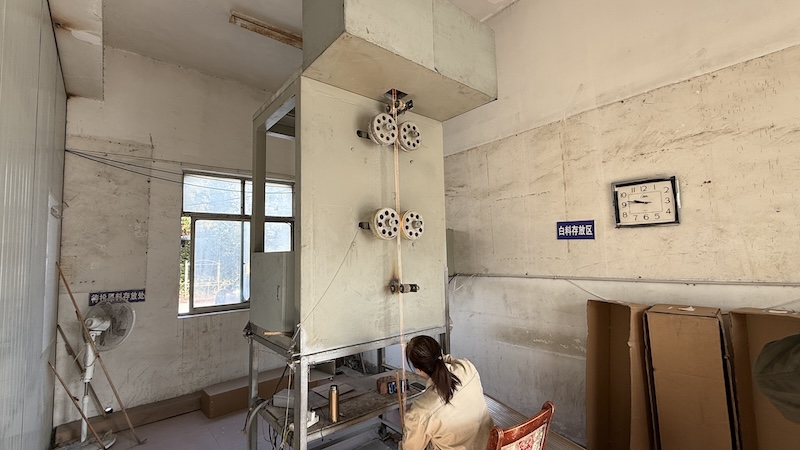
Tuofeng Industrial Park, Lianyungang, Jiangsu
12-Step Quality Control for Export-Bound Quartz Reaction Vessels
Every single quartz reaction flask built for Bulgarian and EU research facilities undergoes systematic mechanical, thermal, and optical validation.
Acid Pickling Purification
Crushed quartz lumps are immersed in hydrofluoric and nitric acid baths to extract trace metallic ions, achieving 99.99% SiO₂ baseline purity.
Thermal Drawing
Molten silica is drawn under electric vacuum furnaces into precision-bore tubing with uniform wall thickness and zero internal air bubbles.
CNC Glass Machining
Diamond-tooled high-speed CNC milling cutters shape multi-port neck openings, flange grooves, and precision-ground taper joints.
Hydrogen-Oxygen Welding
Experienced master glassblowers execute seamless neck joints, thermowells, and drain valves at temperatures above 2,000°C.
Controlled Annealing
Flasks dwell in computer-programmed annealing furnaces at 1,150°C–1,215°C followed by controlled cooling to eliminate all latent mechanical stresses.
Polariscopic Inspection
Each vessel is analyzed under polarized cross-light to ensure no residual stress concentrations exist near welded necks or bottom radiuses.
Vacuum & Pressure Validation
High-vacuum helium leak testing ensures joint hermeticity down to 10⁻⁶ mbar for high-vacuum distillation and Schlenk setups.
Export Shock Packaging
Individual custom high-density EPE foam envelopes, reinforced corner guards, and vacuum-sealed wrapping in drop-tested wooden export crates.
Frequently Asked Questions by Varna & Bulgarian Importers
Essential commercial, technical, and customs information for sourcing industrial quartz apparatus directly from China into the European Union.
Request Technical Evaluation & Factory-Direct Quotation for Varna Delivery
Whether you require standard 250ml–20L round-bottom three-neck quartz reaction flasks or custom engineered photochemical synthesis flow apparatus, our Lianyungang engineering team will review your technical drawings and provide a formal quotation within 24 hours.