Featured OEM Quartz Glass Fabrication Solutions
Engineered from synthetic and high-grade natural silica sand (≥ 99.99% SiO₂), each component undergoes precision fire-polishing, CNC optical grinding, and controlled-atmosphere annealing to deliver zero-failure reliability in critical Indianapolis industrial applications.
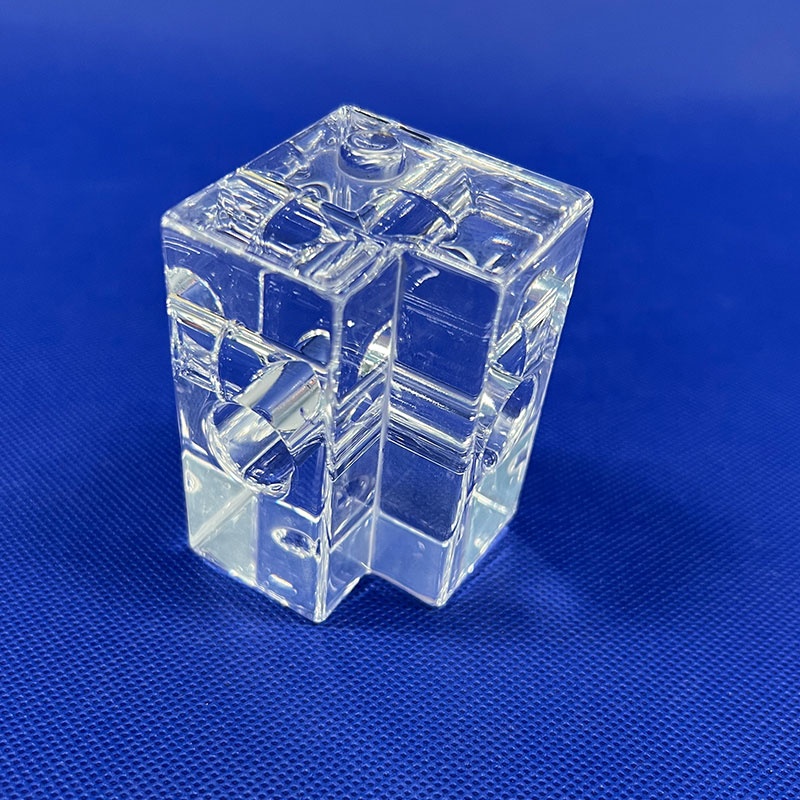
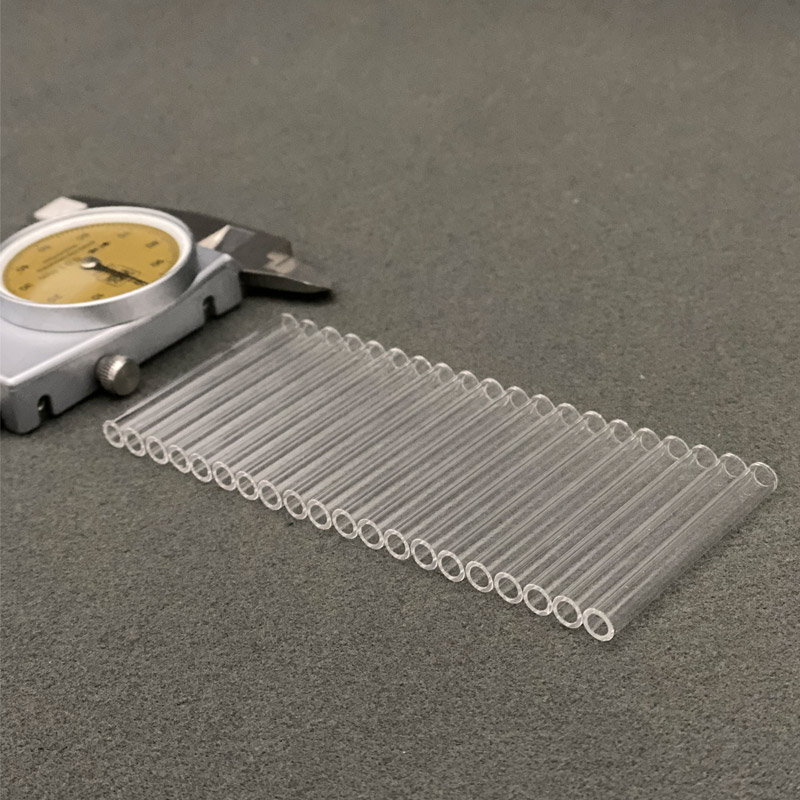
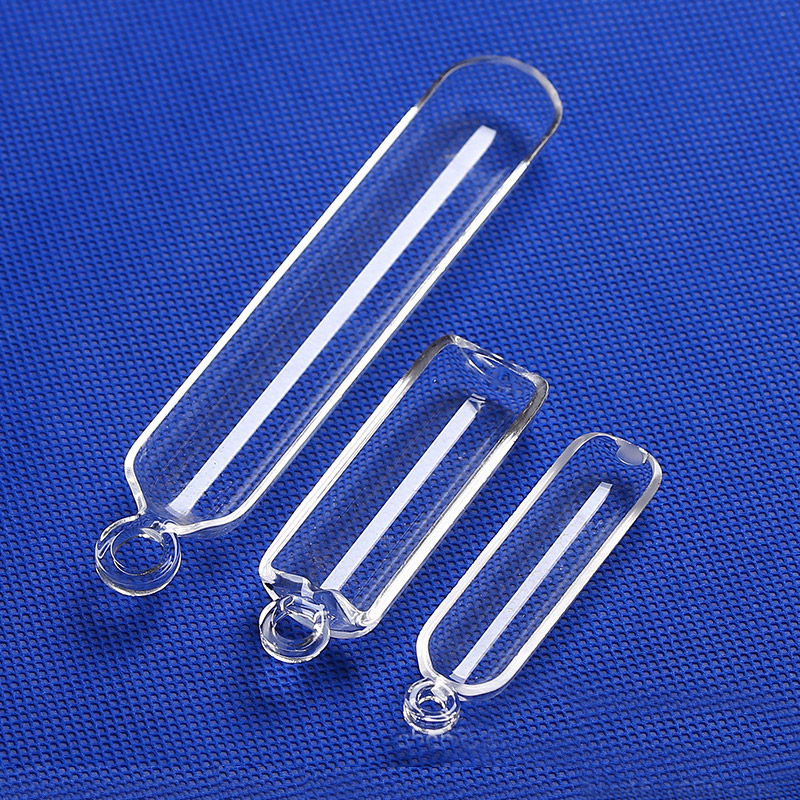
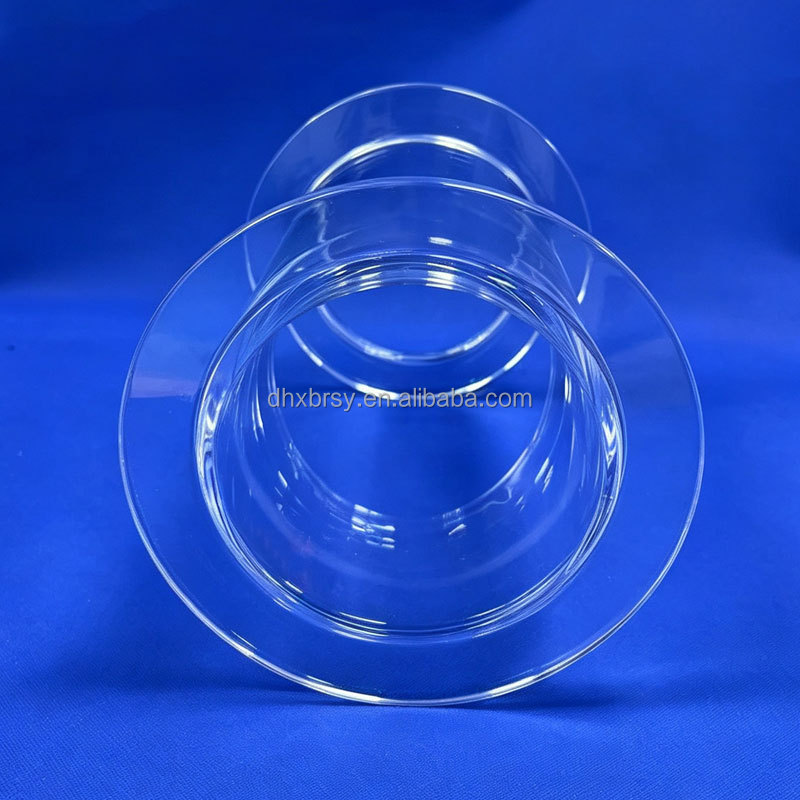
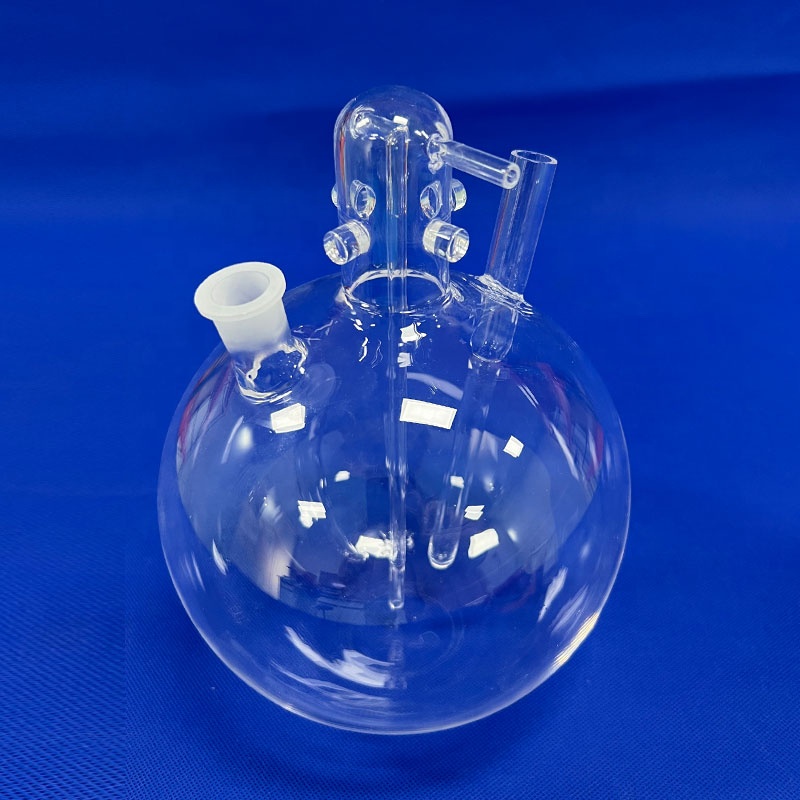
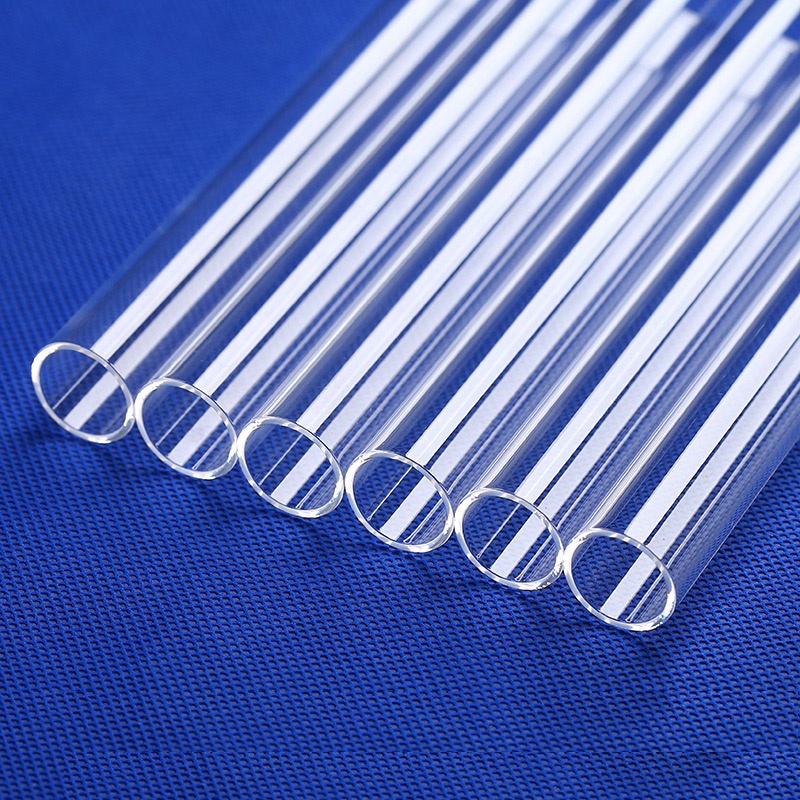
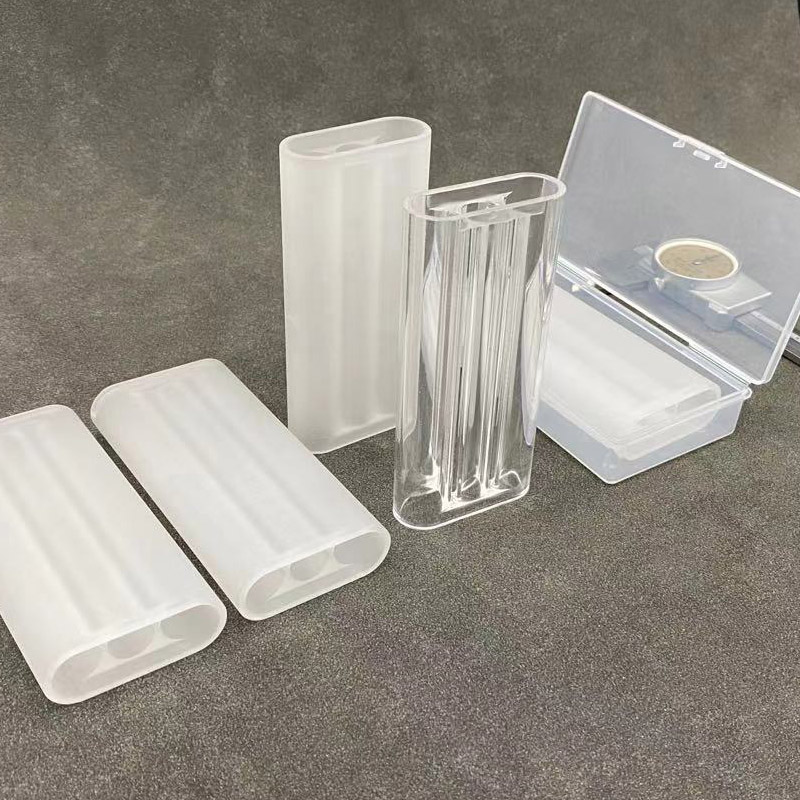
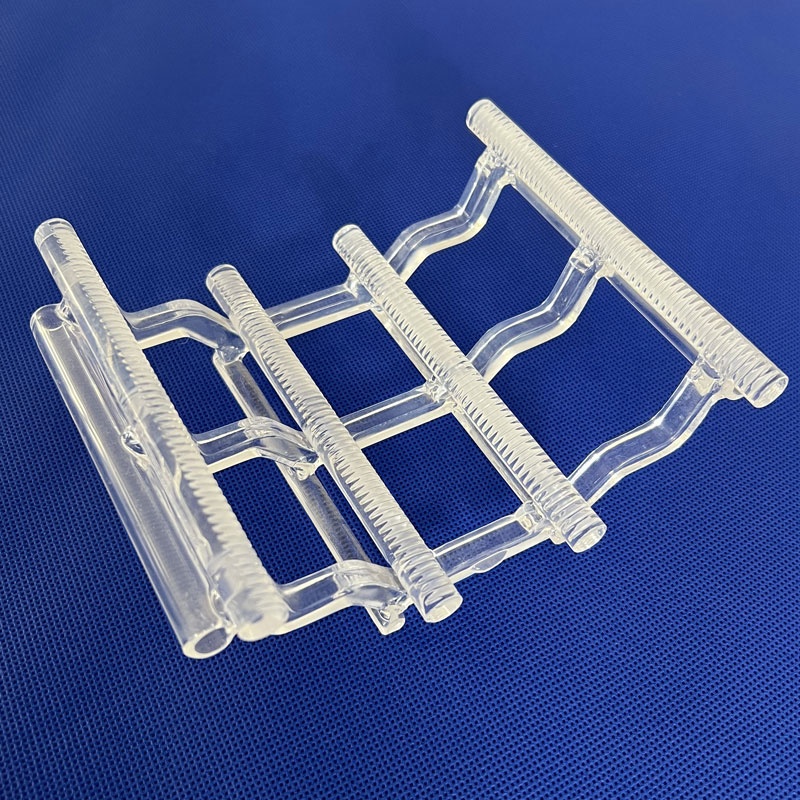
Localized Applications Across Indianapolis & Central Indiana's Tech Corridors
Indianapolis has emerged as one of the Midwest's most vital hubs for advanced manufacturing, biotechnology, and power systems engineering. Dubbed the Crossroads of America, Marion County and its adjacent industrial sectors—stretching from the downtown 16 Tech Innovation District to the burgeoning LEAP Research and Innovation District in nearby Lebanon—require ultra-high-specification quartz glass that survives aggressive thermal cycles, harsh plasma fields, and photochemical excitation.
Unlike standard borosilicate or aluminosilicate glasses, custom OEM fused silica manufactured by our facility delivers virtually zero thermal expansion ($\approx 5.5 \times 10^{-7}/\text{K}$ between 20°C and 300°C), near-zero trace heavy metal leaching, and broadband transmission from deep ultraviolet (185 nm) into near-infrared spectra. These distinct attributes directly support key Indianapolis vertical markets:
Biopharma & Diagnostic Optics
Home to global pharmaceutical giants like Eli Lilly and pioneering biotech firms along the I-65 and I-70 corridors, Indianapolis laboratories demand UV-grade JGS1 quartz flow-through cuvettes, high-purity microplates, and analytical digestion tubes that eliminate background fluorescence during spectrophotometry and high-throughput chromatographic screening.
Semiconductor & LEAP Fab Lines
With Indiana's state-backed semiconductor expansion via the LEAP Innovation District and Purdue-connected microelectronics research hubs, our double-flanged CVD reaction tubes, high-temperature wafer diffusion boats, and quartz plasma etch rings provide contaminant-free (sub-ppm alkali level) wafer handling at continuous operating temperatures up to 1100°C.
Aerospace Propulsion & Laser Testing
Supported by Marion County's deep aerospace defense footprint, including Rolls-Royce gas turbine test centers and advanced laser machining specialists, our multi-bore Candela flow tubes, pressure-rated quartz sight viewports, and optical laser reactors deliver extreme structural integrity under rapid thermal quenching from 1200°C directly down to room temperature.
By leveraging an unbroken in-house production chain—from raw silica rock sizing, milling, and high-temperature chemical acid pickling to 5-axis CNC diamond core drilling and optical fire-polishing—we provide Indianapolis procurement teams and mechanical engineers with rapid-turnaround OEM custom geometries that strictly respect tight geometric tolerances (down to ±0.01 mm).
Technical Whitepaper: Fused Quartz vs. Fused Silica Grade Selection Guide
For design engineers specifying thermal reaction chambers or precision sight viewports in Indianapolis, selecting the correct quartz grade governs optical transmission efficiency, OH-radical absorption behavior, and devitrification rates under sustained heat treatment. Below is an engineering comparison of the grades manufactured in our verified plant:
| Quartz Grade | Raw Material Source | Transmission Band | Hydroxyl (OH⁻) Content | Primary Indianapolis Applications |
|---|---|---|---|---|
| JGS1 (Synthetic Fused Silica) | High-purity SiCl₄ gas synthesis | 185 nm – 2500 nm (Deep UV to NIR) | < 5 ppm to 30 ppm (High Purity) | Excimer laser optics, DUV photolithography windows, spectrophotometer flow cells, fluorescence testing. |
| JGS2 (Optical Fused Quartz) | Refined natural crystal quartz | 220 nm – 2500 nm (Near UV to NIR) | < 30 ppm to 150 ppm | UV disinfection lamps, ozone generator dielectric tubes, semiconductor cleaning pipelines, high-temperature viewport sight-glasses. |
| JGS3 (Infrared Fused Quartz) | Electric vacuum-fused crystal | 260 nm – 3500 nm (Broadband IR) | < 5 ppm (Zero OH Absorption Band) | Industrial pyrometry windows, infrared furnace heaters, aerospace thermal barrier shields, gas chromatography instrumentation. |
| Opaque / Milky Quartz | Micro-bubble enriched silica melt | Diffuse Reflection / IR Trapping | Varies by application | Thermal diffusion baffles, semiconductor furnace end caps, radiant heating element jackets. |
Critical Thermomechanical & Dielectric Properties
Designers must account for the intrinsic boundary limits of amorphous silicon dioxide when configuring custom quartz apparatus for high-vacuum or thermal-shock duty cycles:
Thermal Integrity Limits
Softening Point: 1730°C
Annealing Point: 1215°C
Strain Point: 1120°C
Continuous Max Temp: 1100°C
Short-Duration Max: 1300°C
Chemical Purity & Inertness
SiO₂ Purity: ≥ 99.99%
Trace Alkali (Na, K, Li): < 1.5 ppm
Transition Metals (Fe, Cu, Ni): < 0.8 ppm
Resistant to: All acids except HF & hot H₃PO₄
Dielectric & Optical Limits
Dielectric Constant (1 MHz): 3.75
Dielectric Strength: 25–40 kV/mm
Refractive Index (nD): 1.4585
Thermal Expansion (CTE): 5.5 × 10⁻⁷ /°C
Emerging Trends Shaping Quartz Procurement in Central Indiana
Over the past five years, the supply dynamics for precision technical ceramics and fused silica across Indiana have pivoted dramatically. Industrial buyers in Indianapolis, Plainfield, Greenwood, and Speedway face three primary structural shifts:
1. Shift Toward Rapid Custom Prototyping (Low-MOQ R&D): Historically, quartz distributors imposed excessive minimum batch sizes (50+ units), penalizing start-ups and university labs conducting experimental wafer doping or custom fluidic trials. Our direct OEM factory model allows Indianapolis research teams to order from a 1-piece prototype threshold, validating CAD designs before authorizing high-volume serial runs.
2. Tightening Cleanliness & Particle Contamination Standards: Life science manufacturers and microelectronic packaging plants in Indiana are implementing stricter ISO Class 5 and Class 6 cleanroom incoming inspection benchmarks. Components must be precision acid-etched in hydrofluoric-nitric baths and cleanroom vacuum-sealed to prevent micro-particulate surface seeding before they ever enter the client's facility.
3. Resilience Against Domestic Supply Chain Bottlenecks: As domestic glassblowing shops in the American Midwest face generational talent shortages and multi-month fabrication backlogs, Indianapolis OEM buyers increasingly partner with large-scale, automated offshore quartz producers that possess deep in-house drawing lines, automated lehrs, and 5-axis CNC machining, ensuring reliable 2- to 3-week export fulfillment via air express to IND (Indianapolis International Airport).
Why Indianapolis Engineers Choose Our Direct Quartz Glassworks
Operating from our SGS onsite-assessed 14,271 m² production facility in Lianyungang—the silicon mineral capital of the world—we combine abundant high-purity natural quartz quartz sand with aerospace-grade CNC tooling. Here is how our structural advantages translate into lower total cost of ownership for Indianapolis enterprises:
Full Supply Chain Control
From lump crushing, 200-mesh pulverizing, and acid washing to continuous furnace drawing, we control the SiO₂ chemistry at step zero, ensuring total freedom from bubble clustering and striations.
Stress-Relieved Annealing
Every furnace tube, flange, and wafer boat is heat-treated in computer-governed annealing lehrs at 1215°C and validated on polarization stress meters to eliminate micro-fracturing risks under Indianapolis operational cycles.
Multi-Axis CNC Machining
Equipped with ultrasonic milling, CNC slotters, high-accuracy wafer boat slotting saws, and chemical-mechanical planarization (CMP) stations delivering surface roughness down to Ra < 0.5 nm.
Shockproof Export Crating
Fragile quartz apparatuses destined for Marion County are vacuum-bagged, foam-encapsulated, and secured inside reinforced multi-ply plywood export cases engineered to withstand intercontinental air and sea transit.
Whether you require a standard 200 mm OD clear quartz tube for a laboratory tube furnace or an intricate custom triple-bore Candela laser flow cell according to proprietary STEP/DWG drawings, our engineering team responds within 12 business hours with an engineering review and DFM (Design for Manufacturability) analysis.
Procurement & Engineering FAQ for Indianapolis Buyers
Essential guidance addressing lead times, international freight, drawing submissions, and material compliance for purchasing managers and mechanical engineers in Central Indiana.
How fast can custom-machined quartz parts be delivered to Indianapolis facilities?
What technical drawing file formats do you accept for quotation and fabrication?
How do you guarantee that high-temperature quartz components won't crack under thermal shock?
Can you provide certified documentation confirming RoHS compliance and raw material purity?
What is the standard Minimum Order Quantity (MOQ) for custom OEM geometries?
How are fragile quartz tubes and wafer boats protected against breakages during transit?
What optical surface finishes can you achieve on quartz viewports and sight glasses?
What are the tariff, import duty, and customs clearance procedures for shipping into Indiana?
Ready to Engineer Your Custom Quartz Glass Solution?
Connect with our technical glassworking engineers today. Submit your technical drawings, dimensional tolerances, and operating temperatures for a prompt DFM evaluation, custom price quotation, and direct manufacturing schedule.