99.99% SiO₂
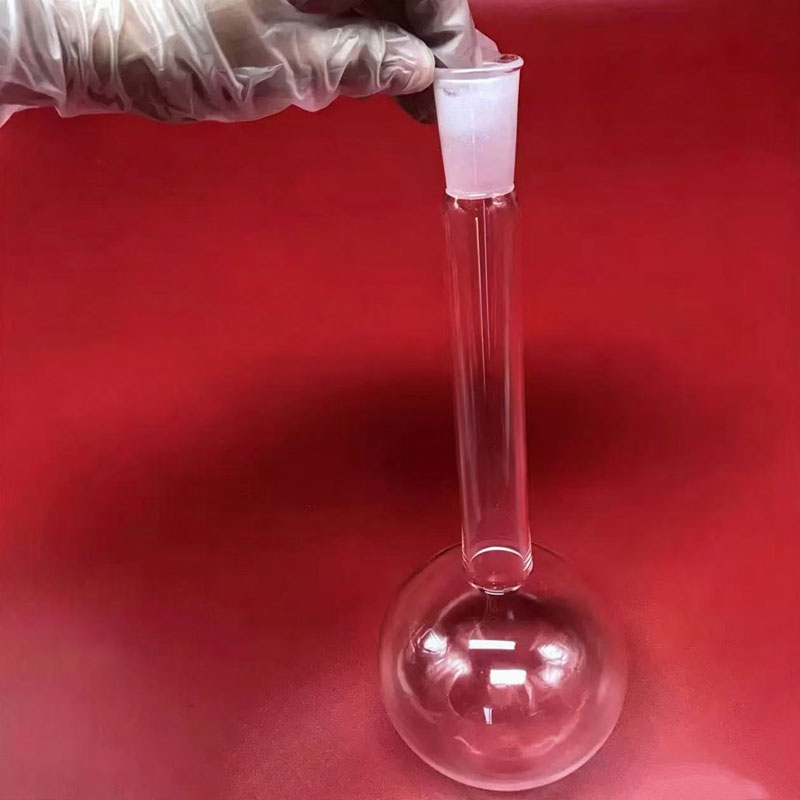
Quartz Glass Long-neck Flask
99.99% SiO₂ high-purity material, heat-resistant up to 1200°C continuous service, superior chemical corrosion resistance, ROHS certified.
View Details →Direct manufacturer supply for standard geometries and tailored OEM specifications. Each high-purity fused silica component is thermal-shock calibrated, ROHS compliant, and precision inspected before regional dispatch.
99.99% SiO₂ high-purity material, heat-resistant up to 1200°C continuous service, superior chemical corrosion resistance, ROHS certified.
View Details →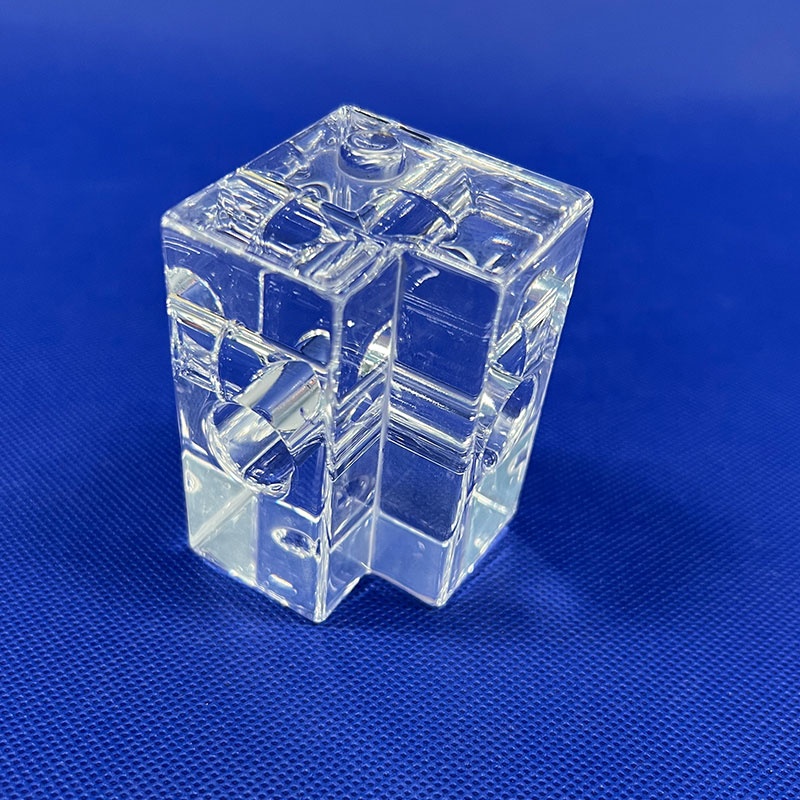
420 BAO RAN 200 mesh (75μm) annealed fluidic fused quartz, refined 1200°C thermal annealing, stable dielectric barrier performance.
View Details →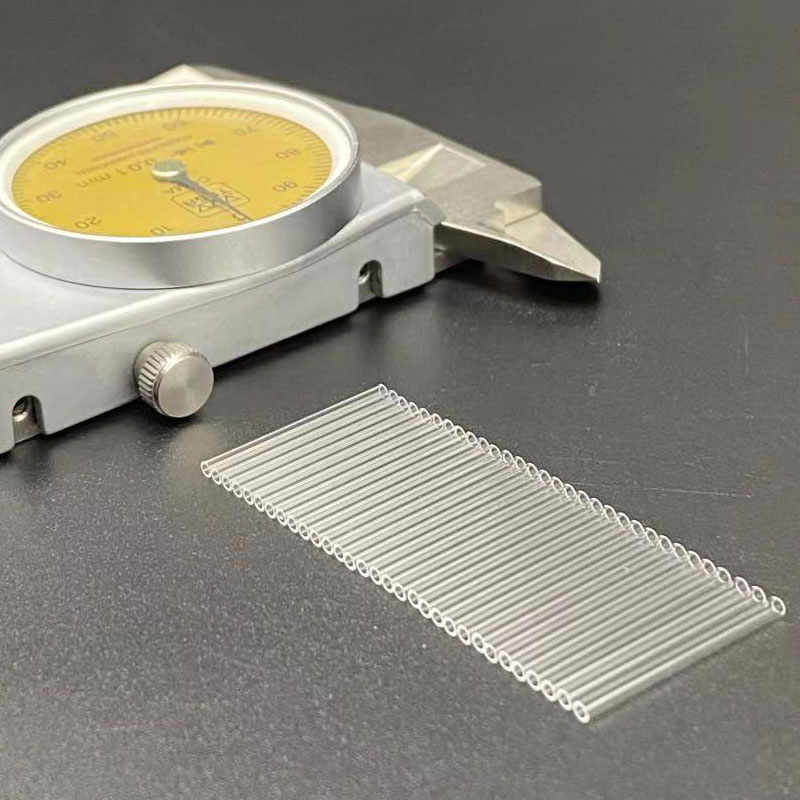
BAO RAN 419 ultra-thin optical fused silica wafer sheets, high optical transmission, low beam distortion, laser-grade surface polishing.
View Details →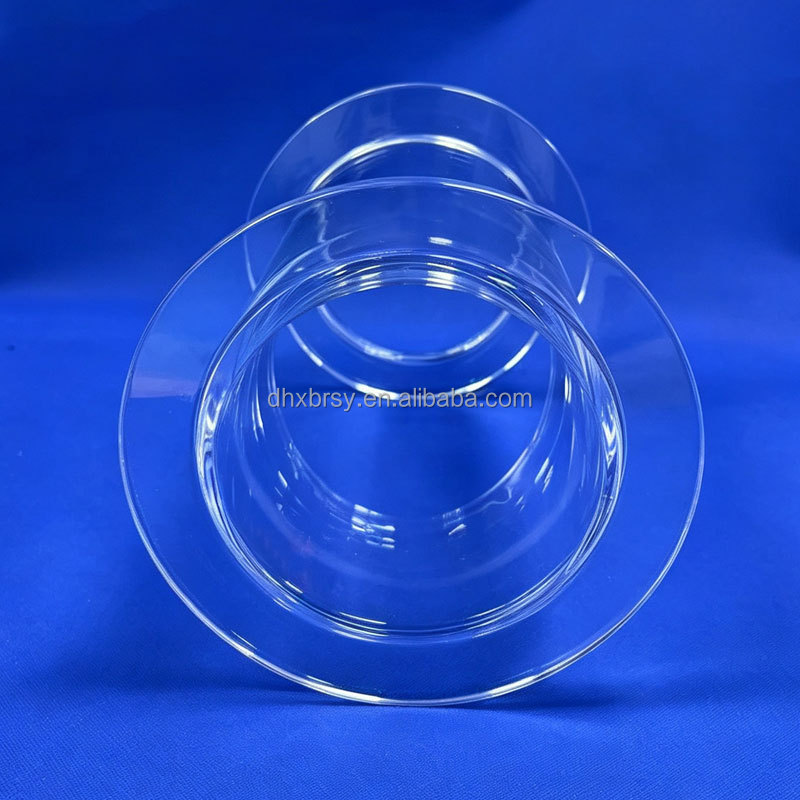
Custom high purity 99.99% CVD reaction chamber tube with dual ground flanges, vacuum-tight sealing, zero internal bubbles.
View Details →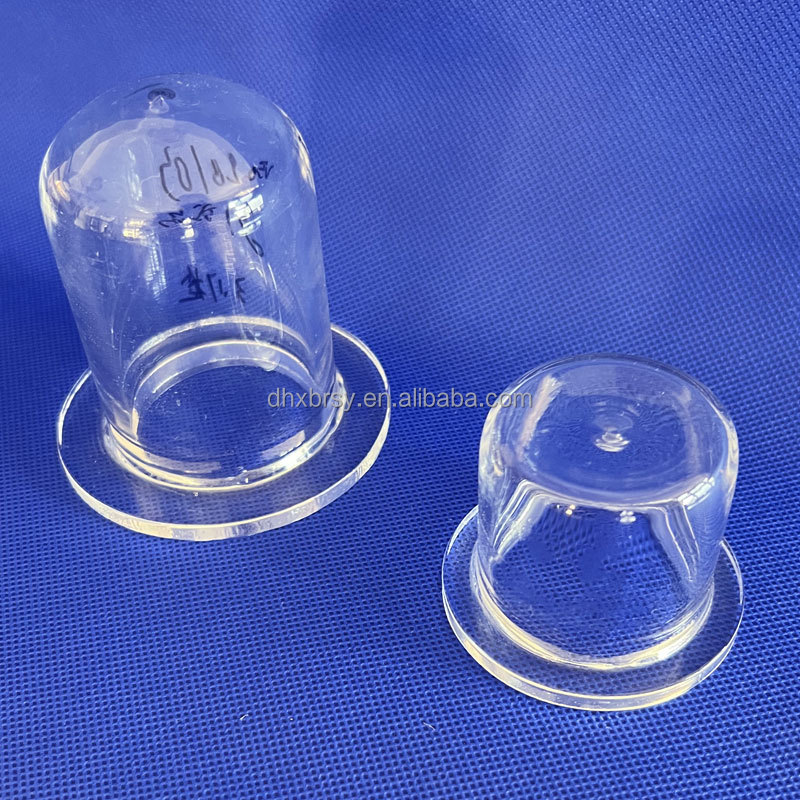
518 industrial grade fused quartz tube for solar cell diffusion and sintering furnaces, exceptional thermal conductivity and longevity.
View Details →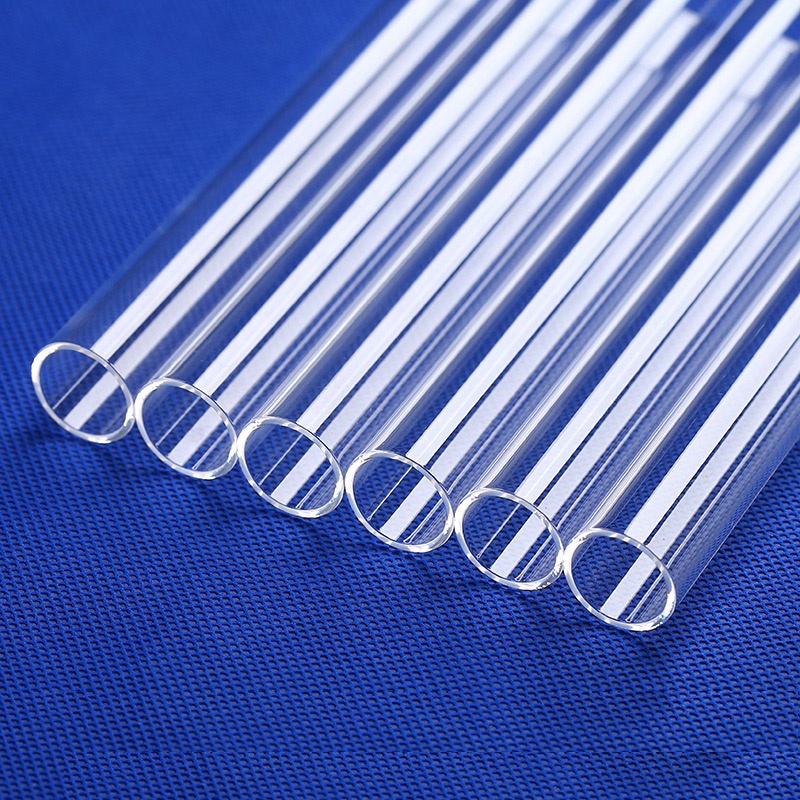
Bending and welding capable clear silica tubes, ideal for acid-base semiconductor cleaning pipelines, ozone channels, and lab apparatus.
View Details →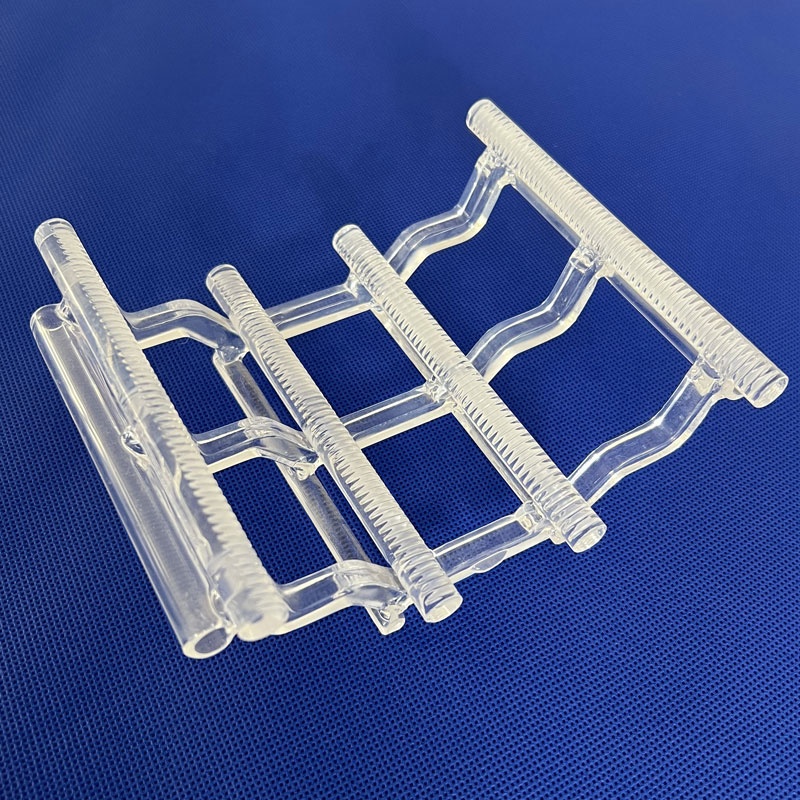
Custom-grooved semiconductor wafer carrier, 99.99% silica purity, zero sag deformation under sustained 1150°C diffusion processing.
View Details →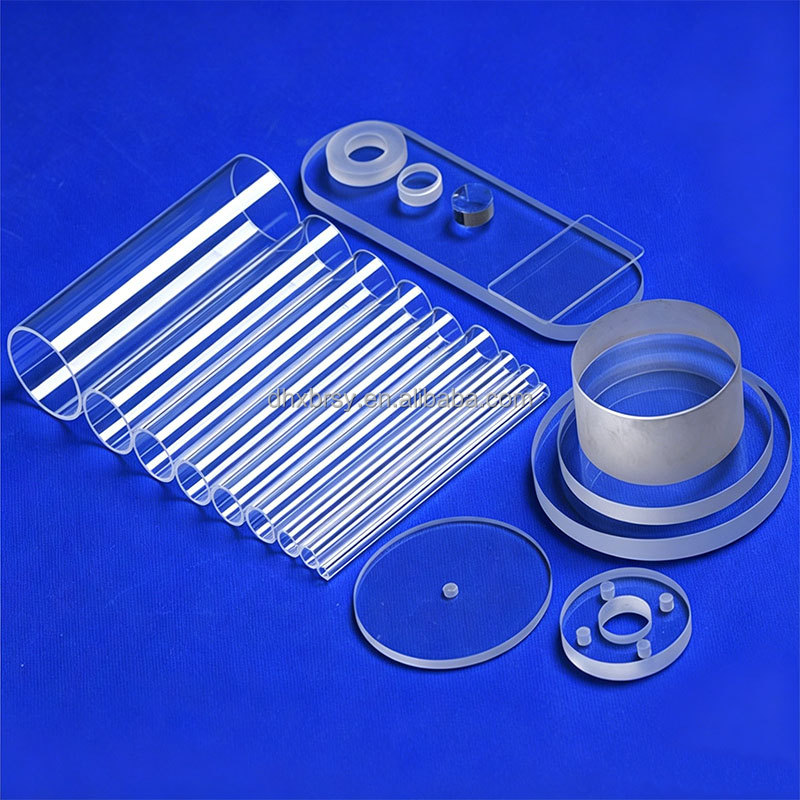
BAO RAN optical semiconductor grade JGS1 plate, deep-UV transmission from 185nm, sub-micron CNC milling, surface roughness Ra < 0.2nm.
View Details →A triple bore quartz flow tube (also known as a three-hole laser flow tube or multi-channel fluidic quartz sleeve) represents one of the most mechanically demanding configurations in precision vitreous silica fabrication. Engineered fundamentally to isolate or co-align multiple physical processes—such as liquid coolant flow, optical flashlamp discharge, and active laser gain medium excitation—these tubes eliminate cross-contamination while preserving high optical transmittance and uniform thermal dissipation.
In high-power solid-state laser systems (e.g., flashlamp-pumped Nd:YAG, Alexandrite, or Er:YAG lasers) and specialized microfluidic multi-analyte spectrometers, non-uniform thermal expansion creates extreme mechanical shearing forces. Fused silica, characterized by an exceptionally low coefficient of thermal expansion (5.5 × 10⁻⁷ /°C from 20°C to 320°C), provides the structural stability required to withstand sudden localized temperature shifts exceeding 900°C without mechanical rupture. In contrast to borosilicate glass, which degrades rapidly under concentrated actinic radiation and extreme thermal cycling, transparent synthetic and flame-fused quartz guarantees uncompromised dimensional consistency.
To manufacture a triple bore tube with tight coaxial symmetry, Lovri Quartz employs dedicated multi-axis CNC ultrasonic core drilling and computerized thermal reshaping lathes. The bore center-to-center distance (pitch) is maintained within a strict tolerance of ±0.02 mm, preventing asymmetrical coolant flow distribution that causes thermal lensing or non-uniform refractive index gradients in solid-state laser rods. Each bore interior undergoes optical fire-polishing to remove micro-scratches, subsurface lattice disruption, and micro-grooves, reducing surface roughness to Ra < 0.2 μm. This mirror-grade finish prevents turbulent boundary layering and minimizes particulate build-up when using recirculating deionized cooling water.
| Physical / Optical Parameter | JGS1 (Synthetic Silica) | JGS2 (Optical Quartz) | JGS3 (Infrared Quartz) |
|---|---|---|---|
| Primary Spectral Window | 185 nm – 2500 nm (Deep UV) | 220 nm – 2500 nm (Standard Optical) | 260 nm – 3500 nm (Near-to-Mid IR) |
| Hydroxyl (OH⁻) Content | < 2 ppm (or > 1200 ppm UV optimized) | < 30 ppm | < 5 ppm |
| Refractive Index (nd @ 589.3 nm) | 1.4584 | 1.4585 | 1.4584 |
| Knoop Hardness (HK) | 600 kg/mm² | 590 kg/mm² | 600 kg/mm² |
| Annealing Point | 1215°C | 1180°C | 1210°C |
| Dielectric Strength (20°C, 1MHz) | 25–40 kV/mm | 25–35 kV/mm | 25–40 kV/mm |
Mawlamyine, as the economic capital of Mon State and the logistical nexus of southeastern Myanmar, balances historical commerce with modernizing agro-industrial processing, estuarine environmental management, and expanding healthcare clinics.
Mon State produces a substantial portion of Myanmar’s natural rubber and processed agricultural exports. Modern quality-control testing centers in Mawlamyine utilize continuous-flow spectrophotometric detectors, Soxhlet extraction analyzers, and optical turbidimeters to evaluate raw latex purity, chemical coagulant residuals, and vulcanization accelerators.
Situated at the confluence of the Thanlwin (Salween), Gyaing, and Attayan Rivers opening into the Gulf of Martaban, Mawlamyine faces unique ecological challenges. Regional researchers require rugged flow-through fluorometers and optical absorption cells to measure sediment siltation, microplastic concentrations, and saline intrusion across dynamic tidal cycles.
The healthcare and aesthetic clinical sector in Mawlamyine has seen rising adoption of dermatological laser devices, such as Q-switched Nd:YAG and Alexandrite systems. Triple bore quartz tubes serve as the direct optical pumping chamber, cooling jacket, and rod housing, preventing premature flashlamp solarization and catastrophic thermal degradation.
Over the past decade, Mawlamyine has evolved from a regional agricultural trading outpost into an emerging hub for specialized light industry, fisheries value-addition, and regional educational expansion via Mawlamyine University. This shift has driven increased demand for precision optical components and laboratory-grade consumables across Southern Myanmar:
1. Modernization of Food Processing and Fishery Cold-Chains: With the Gulf of Martaban fishery sector adopting automated nitrogen analysis, ozone sterilization, and biochemical water purity standards, local processing plants rely heavily on inline UV sterilization reactors and spectroscopic flow cells. Triple bore quartz tubes facilitate simultaneous UV irradiation, coolant recirculation, and sensor integration within compact, corrosion-resistant housings.
2. Academic Research and Higher Education Modernization: The Department of Chemistry and Physics at Mawlamyine University, alongside regional vocational engineering centers, has expanded empirical research into coastal soil degradation, heavy-metal tracking, and renewable solar materials. These projects require custom-fabricated quartz fluidic manifolds, micro-reaction tubes, and wafer sintering tubes that maintain dimensional integrity under extreme ambient humidity and elevated working temperatures.
3. Direct Cross-Border Supply Integration: Rather than relying on multi-tier local distributors in Yangon that add excessive markups and risk transporting fragile glassware over long domestic journeys, Mawlamyine enterprises increasingly initiate direct factory OEM procurements. Direct coordination with primary manufacturers in the Lianyungang quartz cluster guarantees complete material batch traceability, customized engineering drawings, and reinforced export-grade wooden crating designed for maritime and highway shipping routes.
Located in Lianyungang, Jiangsu—the premier epicenter of China's vitreous silica industrial cluster—Lovri Quartz manages every phase of quartz component fabrication under one roof. By retaining raw sand purification, multi-step acid pickling, automated tube drawing, and precision multi-axis CNC glass grinding in-house, we eliminate third-party quality discrepancies and offer transparent pricing directly to engineers and plant managers in Mawlamyine.
Direct technical answers addressing tropical logistics, environmental stability, tolerances, and cross-border delivery to Mon State.
Unlike borosilicate glasses or polymers, fused silica (≥99.99% pure SiO₂) is chemically inert and completely hydrophobic. Mawlamyine's monsoon moisture, tropical temperatures, and coastal salt spray from the Gulf of Martaban will not cause atmospheric surface weathering, clouding, or hydrolytic degradation. Optical transmission and mechanical strength remain 100% stable indefinitely.
We pack quartz parts in individual vacuum-sealed PE bags, cushioned within high-density die-cut shock-absorbent EVA foam molds, and crated in heavy-duty export plywood boxes. Consignments are flown via air cargo into Yangon International Airport (RGN) or shipped via sea container into Yangon Port, followed by dedicated insured road freight along the Yangon-Mawlamyine Highway.
Yes. Our multi-axis CNC drilling and precision glassworking lathes can handle complex custom geometries. Whether you need asymmetric bore diameters (e.g., two 4.0 mm channels for lamps and one 7.0 mm channel for an active rod), integrated water inlet flanges, or ground end faces, simply provide your design in DWG, DXF, or STEP format for engineering review.
Bore drilling and hot-working introduce localized stress concentrations within fused silica. To eliminate micro-fracturing risks under cyclic heating, every batch undergoes an extended 1215°C annealing cycle, followed by cross-polarization birefringence stress testing. A visual polarizing verification report is archived for each production run.
For applications involving deep-UV spectroscopy, UV water disinfection, or excimer lasers operating below 260 nm, synthetic JGS1 is essential due to its lack of UV absorption bands. For standard Nd:YAG laser cooling jackets (1064 nm) or visible-spectrum agricultural flow analyzers, JGS2 provides excellent performance with lower raw material costs. For infrared heaters or thermal viewports, low-OH JGS3 is recommended.
We maintain a direct replacement policy. In the rare event that a quartz component arrives with transit damage or fails to match your confirmed engineering tolerances, photograph the defect and notify our customer desk. We will prioritize and fast-track an immediate replacement shipment directly from our Lianyungang facility.
Consult directly with our fused silica engineering team. Send us your technical drawings, expected operating temperatures, and dimensional tolerances for an immediate manufacturability appraisal and rapid wholesale factory quotation.
Get Catalog