Engineering JGS1 UV Quartz Windows for the Lausanne High-Tech Ecosystem
A complete engineering and supply-chain review addressing deep-ultraviolet transmission, vacuum compatibility, stress birefringence mitigation, and procurement logistics for Western Switzerland.
The micro-technical and scientific landscape surrounding the Lake Geneva region—anchored by Lausanne, Écublens, and the wider Vaud technology corridor—represents one of Europe’s most demanding environments for optical component engineering. Organizations operating within the École polytechnique fédérale de Lausanne (EPFL) Innovation Park, the Swiss Plasma Center, and regional bio-photonic device manufacturing require optical substrates capable of operating under extreme physical and photometric constraints. As an experienced JGS1 UV quartz window exporter, Lovri Quartz manufactures and delivers synthetic fused silica windows precisely tailored to solve the severe physical degradation, solarization, and wave-front aberrations typically encountered in deep-ultraviolet (DUV), excimer laser, and ultra-high vacuum (UHV) instrumentation.
1. Material Science Differentiation: JGS1 vs. JGS2 & JGS3 in DUV Applications
Selecting the optimal quartz grade is critical for preventing costly in-situ optical degradation. Fused silica glass components are fundamentally categorized according to their chemical synthesis, hydroxyl (OH⁻) radical concentration, and trace metallic impurities:
JGS1 (Synthetic Fused Silica): Synthesized through chemical vapor deposition (CVD) by oxidizing high-purity silicon tetrachloride (SiCl₄) in an oxy-hydrogen flame. This synthetic method produces an amorphous matrix virtually free from metallic contaminants (Fe, Ti, Al, Na concentrations below 0.1 ppm). Crucially, JGS1 exhibits exceptional optical transmission extending deep into the ultraviolet band from 185 nm to 2500 nm, completely eliminating the metallic absorption edges that compromise natural fused quartz. For Lausanne research centers working on photolithography alignment, deep-UV fluorescence microscopy, circular dichroism, and excimer laser beam delivery (193 nm ArF and 248 nm KrF), JGS1 is the non-negotiable benchmark.
JGS2 (Fused Natural Quartz): Manufactured by flame-melting selected natural quartz crystals. While mechanically robust with thermal endurance equivalent to JGS1, JGS2 possesses trace metal impurities (Al, Ca, Li) that cause steep absorption cutoff around 220 nm and noticeable absorption bands at 240 nm. It is best applied in UV curing ovens, commercial sterilizing sight glasses, and broad-spectrum laboratory ware where high-energy DUV transmission is not critical.
JGS3 (Infrared Grade Electrically Fused Quartz): Produced under an electric vacuum melting process that depletes OH⁻ radical concentrations to under 5 ppm. While this provides superior transmission across the infrared spectrum up to 3500 nm, it introduces structural oxygen-deficient centers that induce immediate fluorescence and opacity under short-wavelength ultraviolet illumination.
| Physical / Optical Parameter | JGS1 (UV Synthetic Silica) | JGS2 (Standard UV Quartz) | JGS3 (Infrared Grade Quartz) |
|---|---|---|---|
| Usable Transmission Range | 185 nm – 2,500 nm | 220 nm – 2,500 nm | 260 nm – 3,500 nm |
| Transmission @ 200 nm (10mm thick) | ≥ 90.0% | ≤ 75.0% | ≤ 40.0% (Severe Cutoff) |
| Internal Bubble Class (ISO 10110) | Class 0 (Bubble/inclusion free) | Class 1 – 2 | Class 1 |
| Hydroxyl (OH⁻) Content | High (~800–1200 ppm) | Medium (~150–200 ppm) | Low (< 5 ppm) |
| Coefficient of Thermal Expansion | 5.5 × 10⁻⁷ / °C (20–300°C) | 5.5 × 10⁻⁷ / °C | 5.5 × 10⁻⁷ / °C |
| Birefringence Constant | ≤ 4 nm/cm (Annealed Grade) | ≤ 10 nm/cm | ≤ 8 nm/cm |
2. Localized Industrial & Scientific Applications Across the Canton of Vaud
Our export pipeline directly services the unique research-to-commercialization infrastructure that characterizes the Lake Geneva basin:
Quantum Optics & Laser Physics
Applied within EPFL quantum photonics laboratories, ion traps, and ultra-fast femtosecond laser testbenches requiring precision λ/10 surface flatness, low wavefront distortion, and ultra-low internal stress birefringence to maintain circular polarization integrity.
MedTech & Flow Cytometry
Integrated into medical diagnostic instrumentation, genome sequencing apparatus, and UV capillary electrophoresis systems manufactured across Vaud's Health Valley, guaranteeing fluorescence-free background response under 254 nm and 280 nm excitation wavelengths.
UHV & Plasma Diagnostics
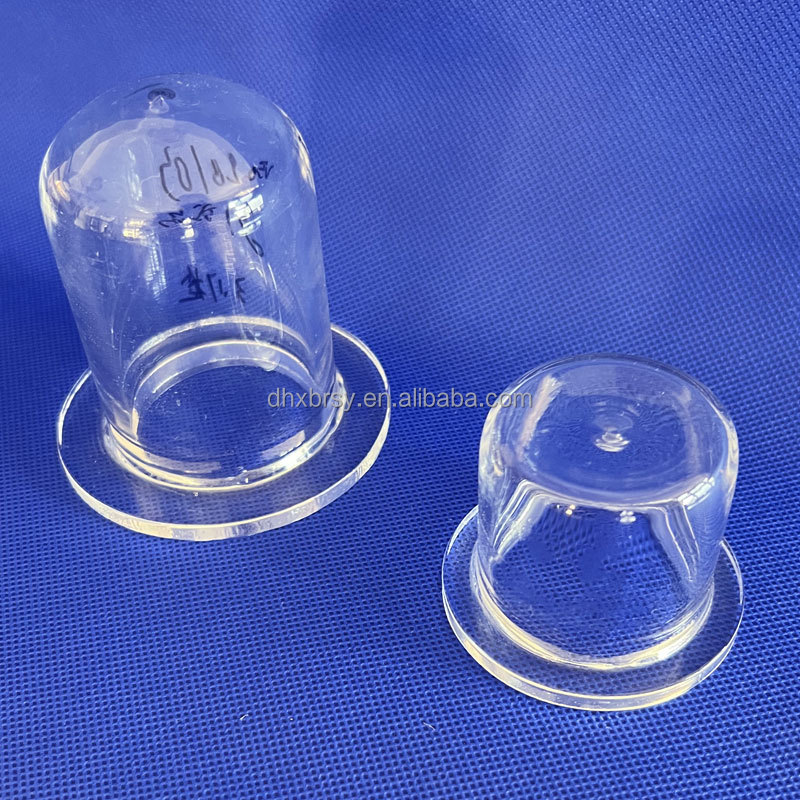
Fabricated with custom ConFlat (CF) sealing steps, double-sided optical polishing, and hermetic metal-to-quartz seals for high-vacuum chambers, nuclear physics test cells, and synchrotron beamline observation viewports.
3. Trends Transforming Optical Component Sourcing in Romandy
Optical procurement across Switzerland is undergoing structural changes driven by tighter micro-manufacturing tolerances and international supply chain reorganization:
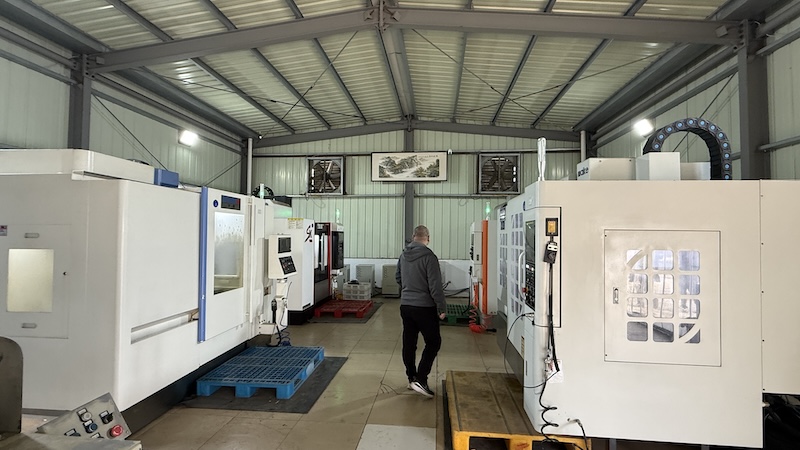
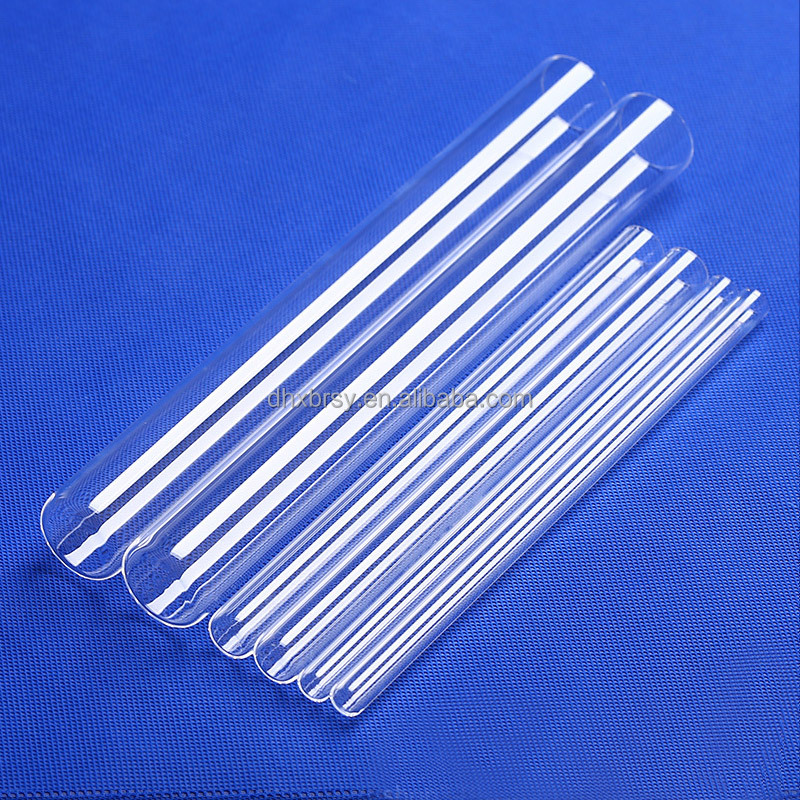
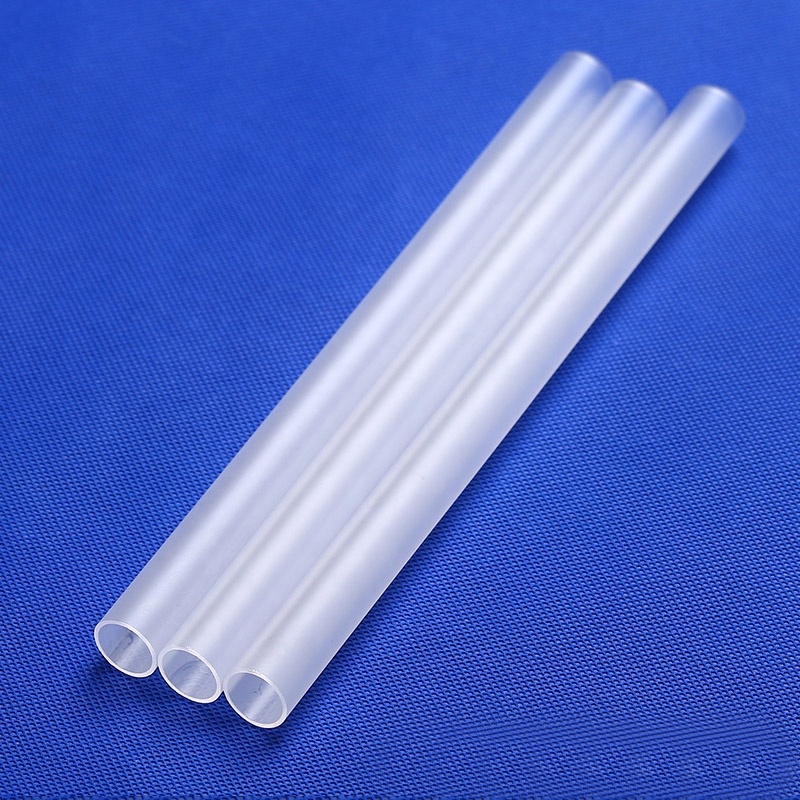
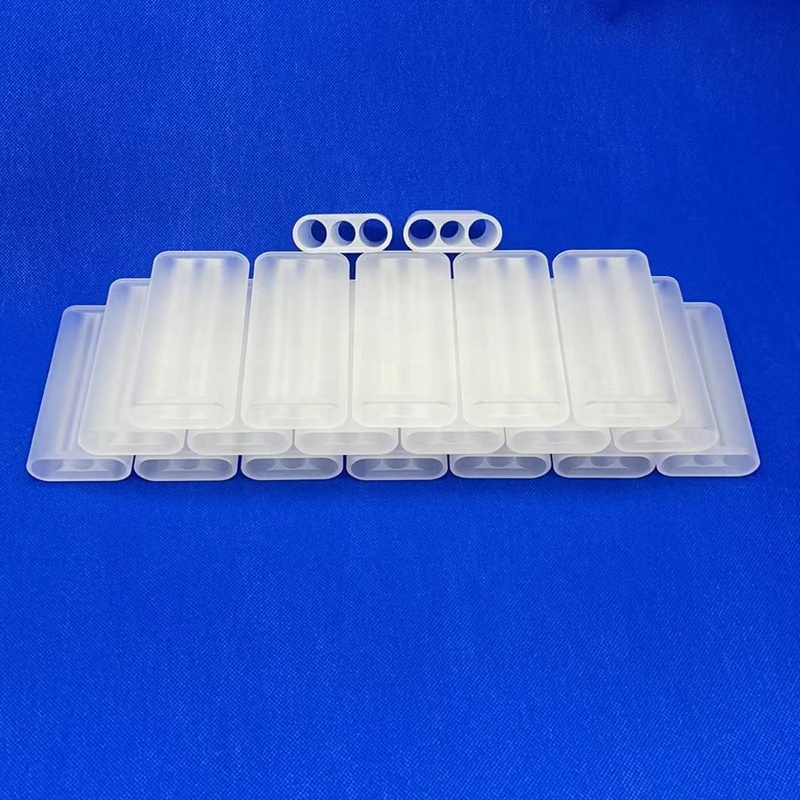
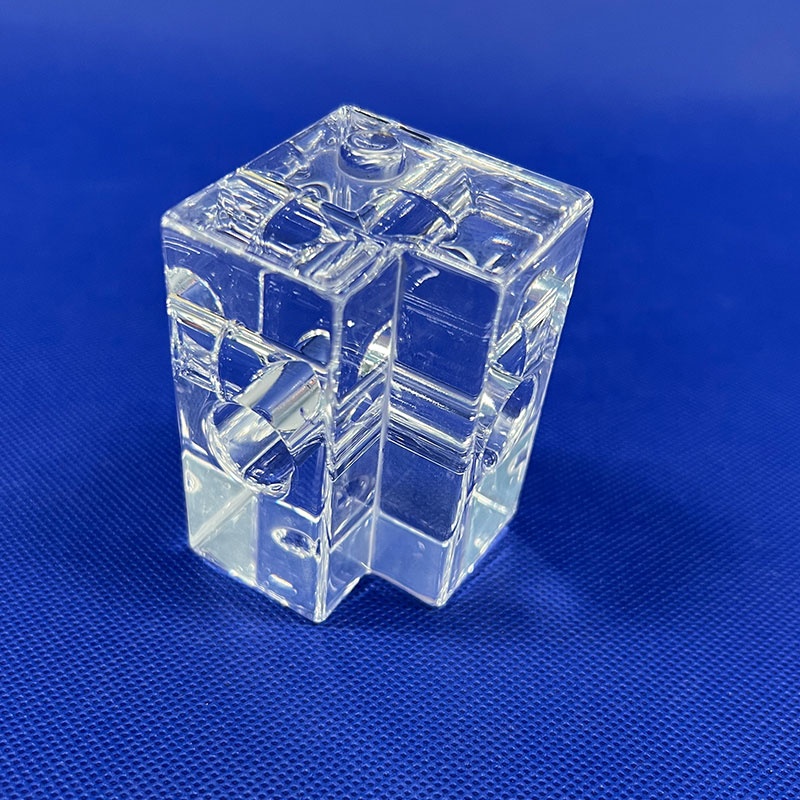
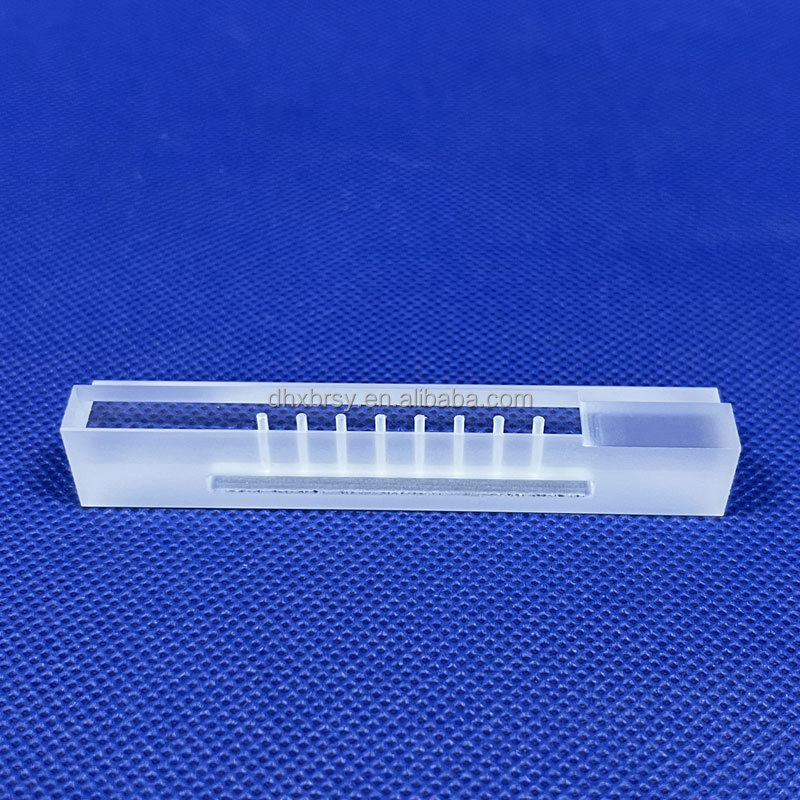
Sub-Micron Miniaturization: Demand in Lausanne has shifted rapidly toward micro-optical windows, laser flow cells, and multi-bore capillary assemblies with geometric tolerances tighter than ±0.005 mm. Standard manual glassworking is insufficient; components now require CNC multi-axis ultrasonic grinding, precision edge beveling, and coordinate measuring machine (CMM) dimensional verification.
Anti-Solarization Resilience: Researchers and industrial integrators are phasing out natural fused quartz windows due to radiation-induced color center formation (E' centers) that causes rapid optical darkening under continuous 248 nm or 266 nm laser exposure. JGS1 synthetic silica provides structural resistance against UV-induced color center propagation, significantly prolonging system uptime in industrial cleanroom installations.
Supply Chain De-Risking & Quality Transparency: Precision instrument manufacturers in Romandy demand certified traceability. Batch-specific spectral transmission scans (spectrophotometer curves from 190 nm to 1100 nm), polarization-stress birefringence test reports, and non-destructive surface roughness interferometry data have transitioned from optional requests to mandatory delivery requirements.
4. In-House Manufacturing Control & SGS Verification
Lovri Quartz Products Co., Ltd. is positioned uniquely as a genuine primary manufacturer rather than an optical trading entity. Situated in Lianyungang, China's core high-purity silica cluster, our operations encompass 14,271 square meters of dedicated processing infrastructure, fully assessed and verified onsite by the SGS Group.
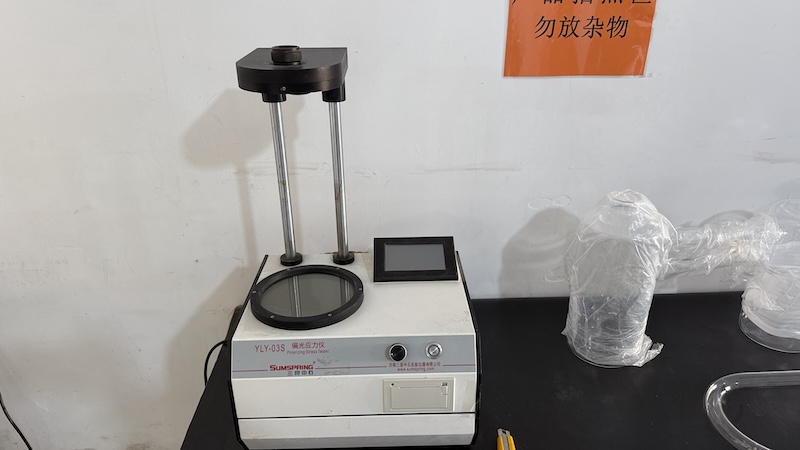
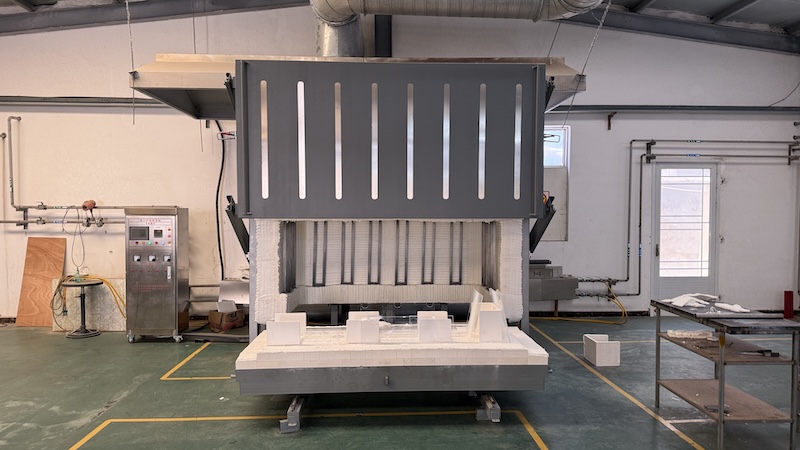
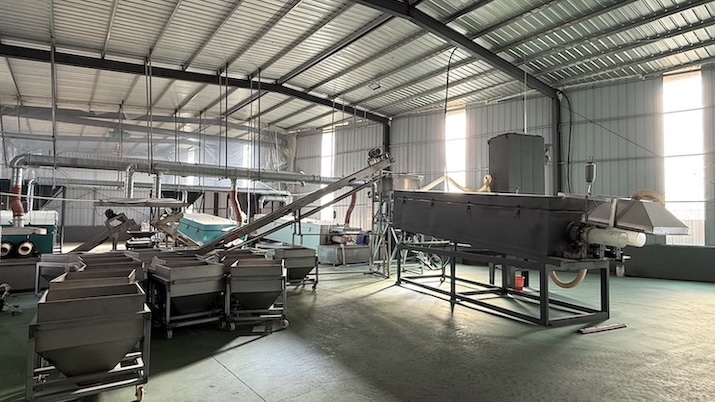
Unlike secondary polishers who purchase random quartz stock on spot markets, our engineers control the metallurgical refinement chain: raw crystalline feed selection, chemical ball milling, acid pickling to eliminate heavy metals down to sub-ppm levels, induction vacuum furnace fusion, programmed 1200°C electric annealing cycles, and 5-axis CNC ultrasonic contouring. Finished parts are evaluated via polariscopic strain viewing to eliminate residual thermal stress, ensuring that every JGS1 UV quartz window delivered to Lausanne withstands severe vacuum cycling, thermal shock up to 1100°C, and prolonged high-fluence laser irradiation.