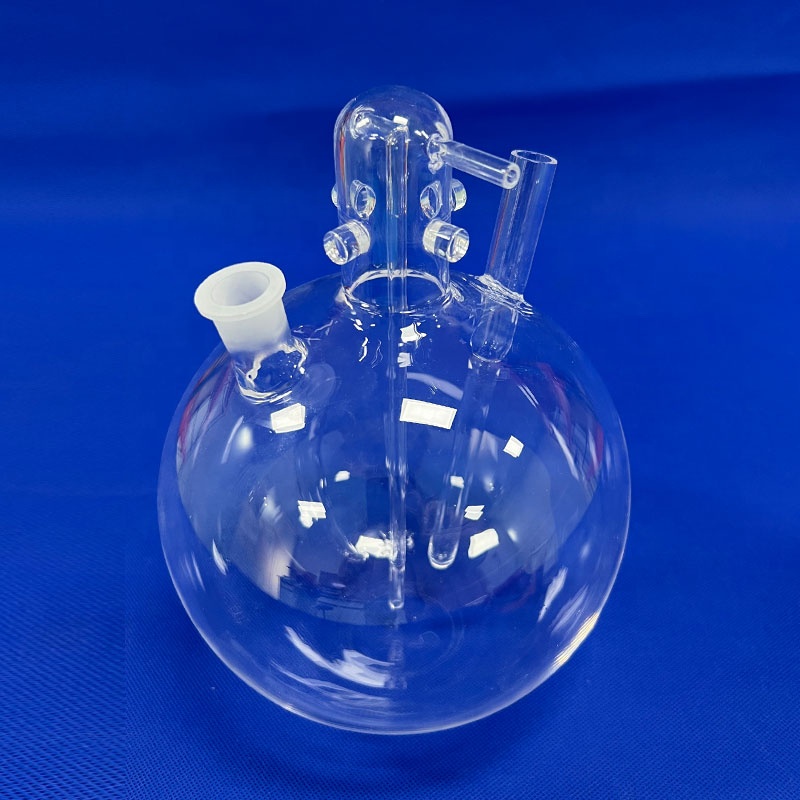
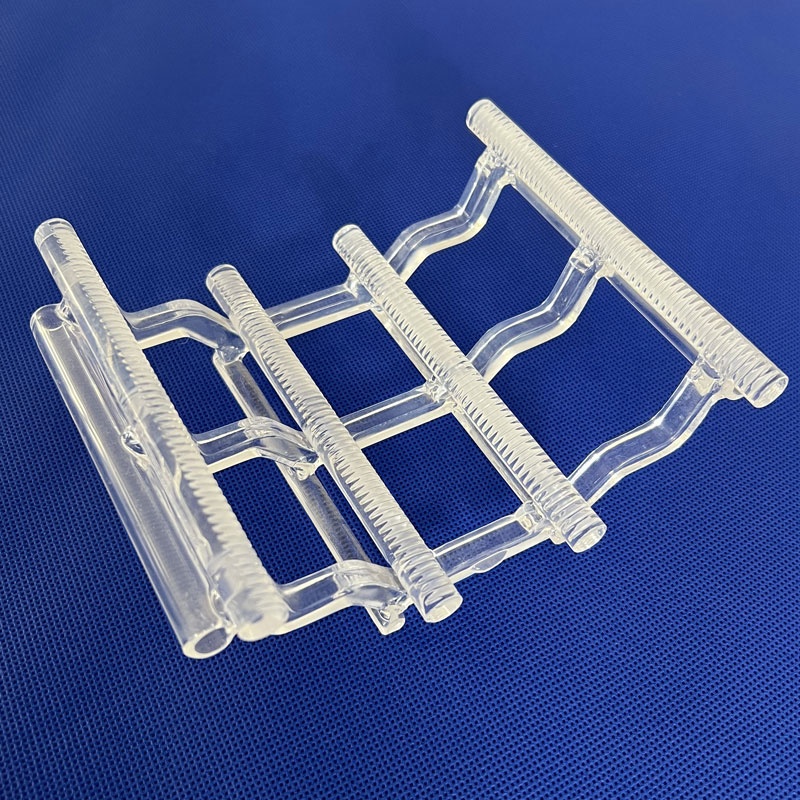
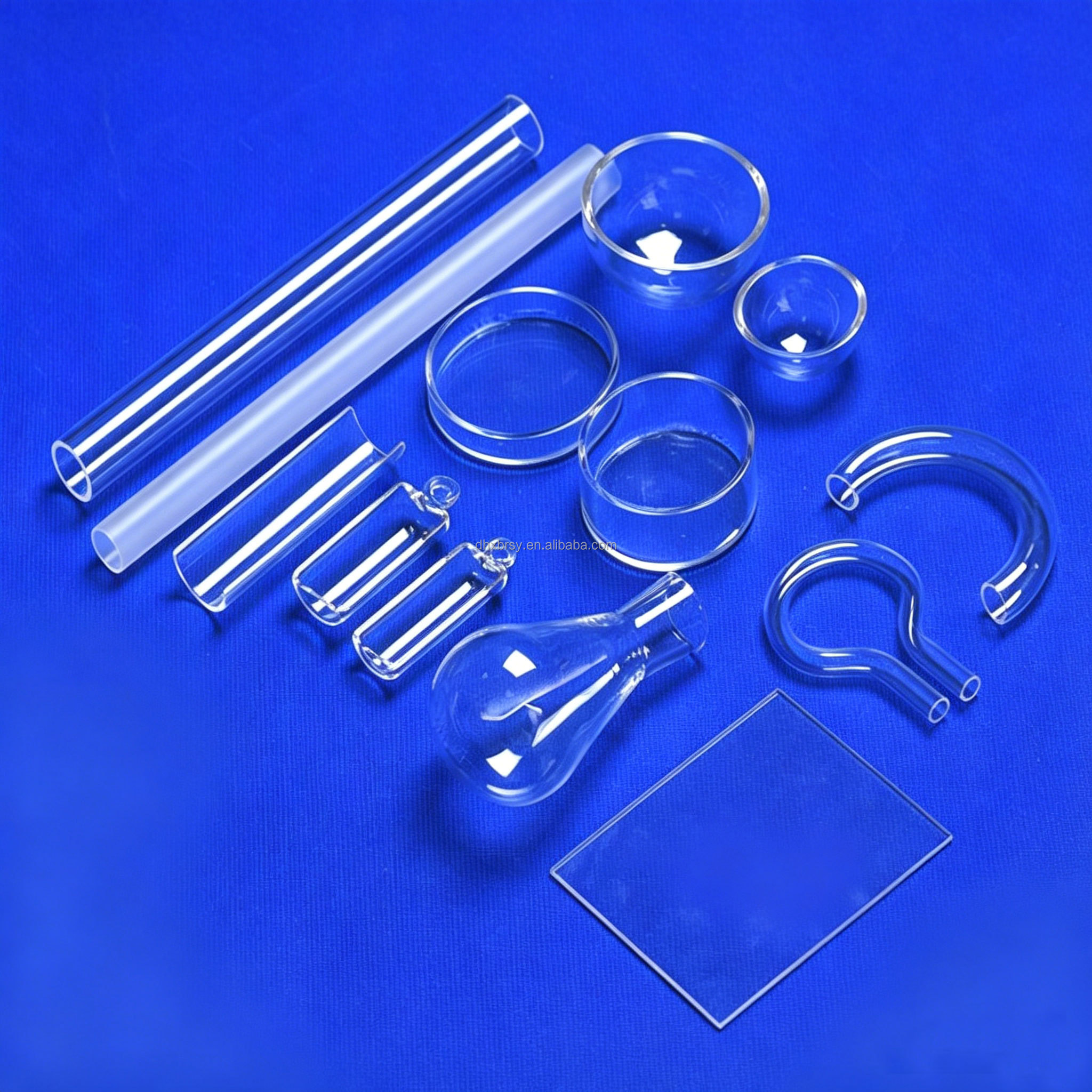
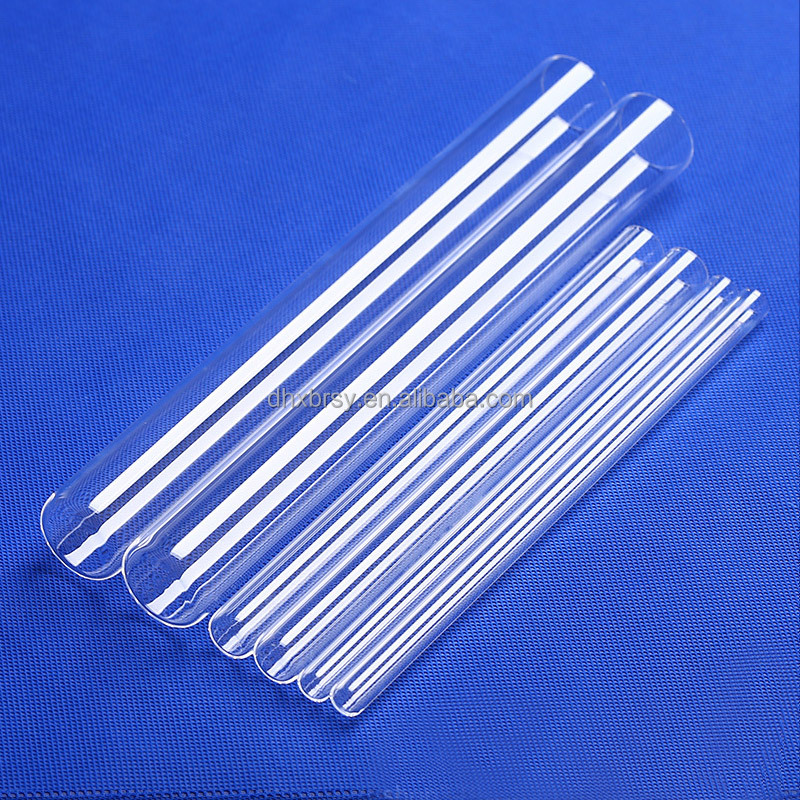
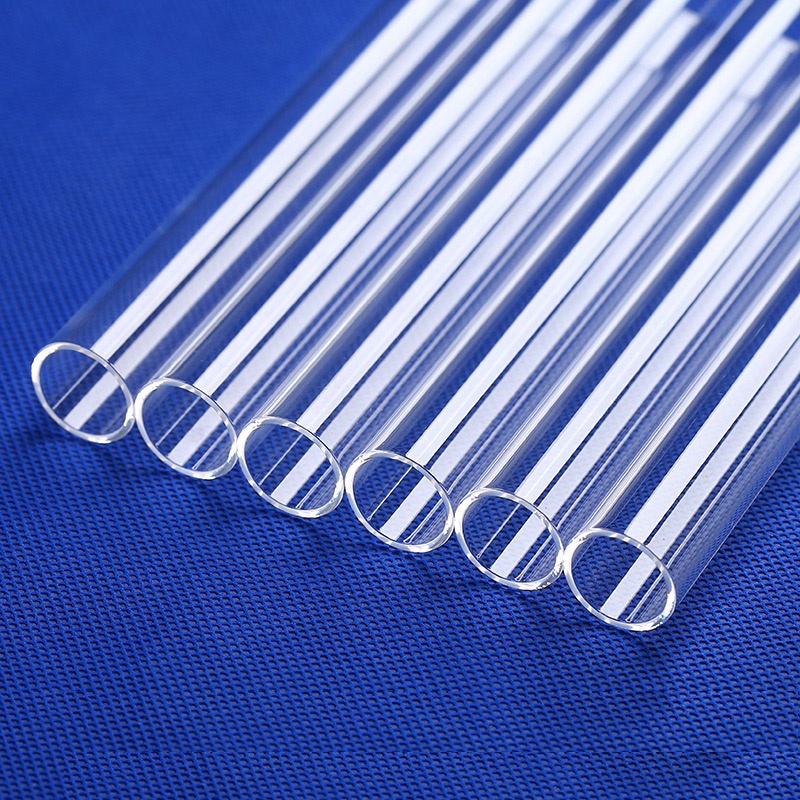
916 Customized Quartz Glass Tubes High Temperature Fused Silica
- Operating thermal threshold: 1100°C continuous (1300°C peak)
- Zero structural distortion under extreme thermal shock
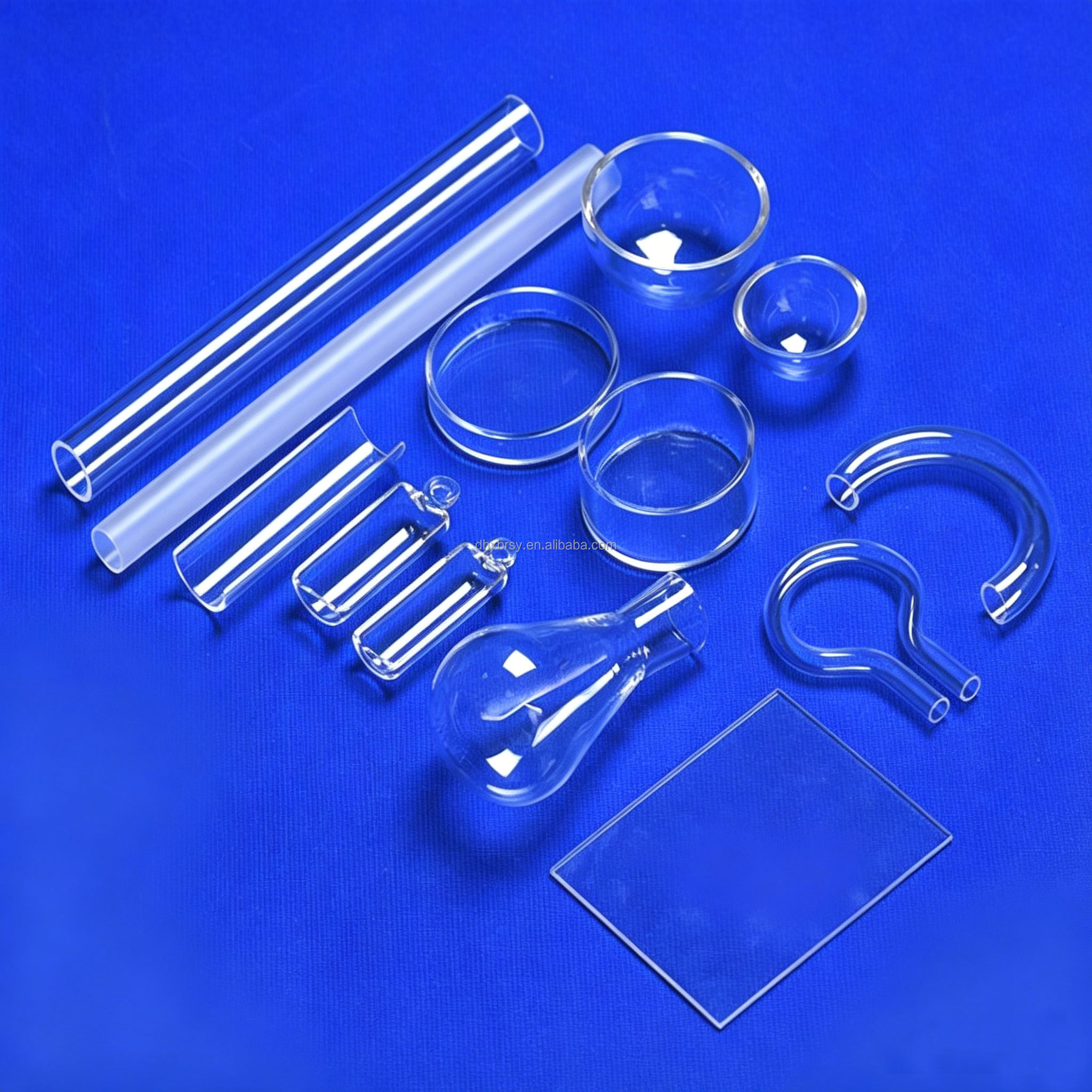
- Custom flanged, flared, or ground taper joints available
Custom-fabricated in Lianyungang and deployed across major research universities, semiconductor lines, and precision optoelectronic facilities throughout the Minsk industrial cluster.
The industrial landscape in the Minsk Region—anchored by established microelectronics enterprises such as Planar and Integral, along with optical engineering entities and research facilities under the National Academy of Sciences of Belarus—operates under intense thermal, chemical, and optical performance criteria. For decades, conventional borosilicate glassware formed the backbone of standard academic and testing installations. However, escalating precision requirements in thin-film coating, physical metallurgy, laser optics, and micro-electromechanical systems (MEMS) have rendered standard glass obsolete for mission-critical applications.
Transparent fused silica (Fused Quartz) delivers structural resilience where other materials fail. Possessing a near-zero coefficient of thermal expansion (5.5 × 10⁻⁷ /°C), high-purity quartzware can withstand direct transitions from red-hot furnace chambers to cryogenic or room-temperature fluid baths without micro-fissuring or mechanical cleavage. For procurement directors and lab superintendents across Minsk, source-level manufacturing control eliminates batch variations, heavy metal contamination, and premature vessel degradation in harsh plasma or chemical vapour environments.
Our OEM and ODM quartz labware solutions directly align with specialized downstream operations across the Minsk municipal and regional economic corridors:
1. Semiconductor & Planar Microelectronics: Fused quartz carrier boats, multi-zone diffusion tubes, and cleaning tanks manufactured with trace metal limits below 1 ppm. These items are optimized for automated processing lines where wafer distortion, iron leaching, or sodium ion cross-contamination must be prevented.
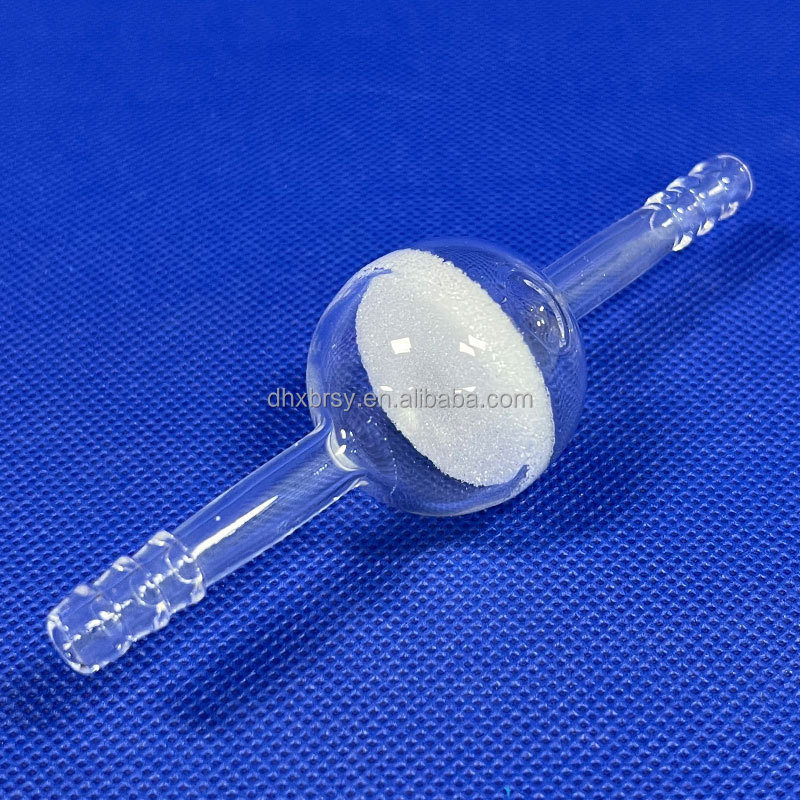
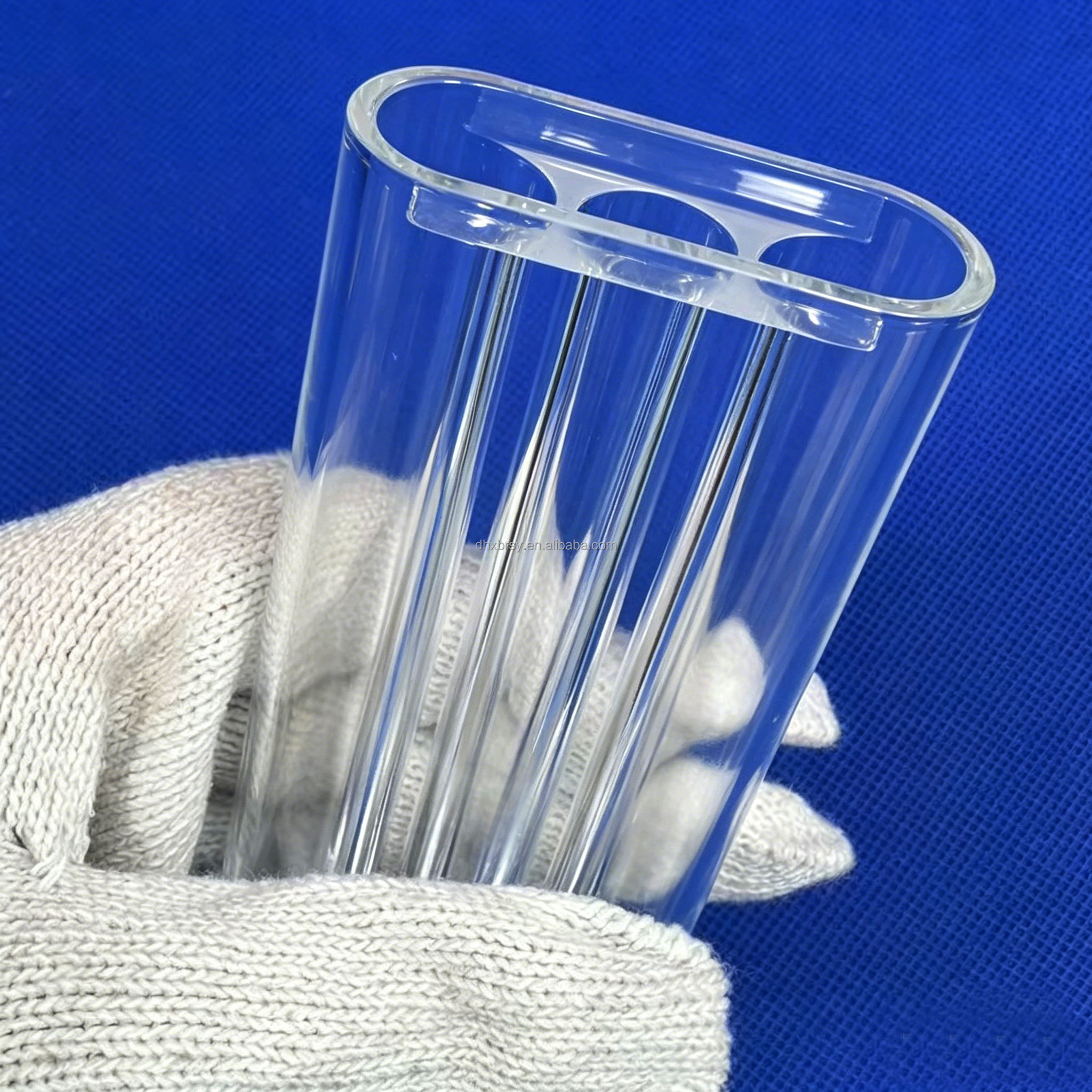
2. High-Energy Laser & Spectroscopy Instrumentation: Utilizing synthetic UV-grade JGS1 silica for beam-expanding flow cells, triple-bore flashlamp sleeves, and laser cavity windows that prevent solarization, bubble diffraction, or thermal lensing during high-power continuous or pulsed discharge.
3. Advanced Chemical Synthesis & Microwave Digestion: Thick-walled quartz digestion tubes, condensing manifolds, and gas-trapping scrubbers capable of handling aggressive aqua regia, boiling nitric acid, and vaporous organic reagents without ion-stripping artifacts.
In response to evolving industrial strategies and international logistics realignments, technical buyers in the Minsk region are establishing more direct, resilient supply chains with source manufacturers.
Standard off-the-shelf lab containers are increasingly superseded by 4-axis and 5-axis CNC-machined quartz geometries. Complex flanged couplings, threaded analytical fittings, and custom laser-slotted carriers are now mandatory to interface seamlessly with modernized automated assembly setups.
With local industrial facilities focusing on thermal recovery and reduced cycle times, high-emissivity opaque silica sleeves and precision multi-bore infrared heating spirals are replacing traditional heating bands, reducing heat loss while accelerating cycle ramping profiles.
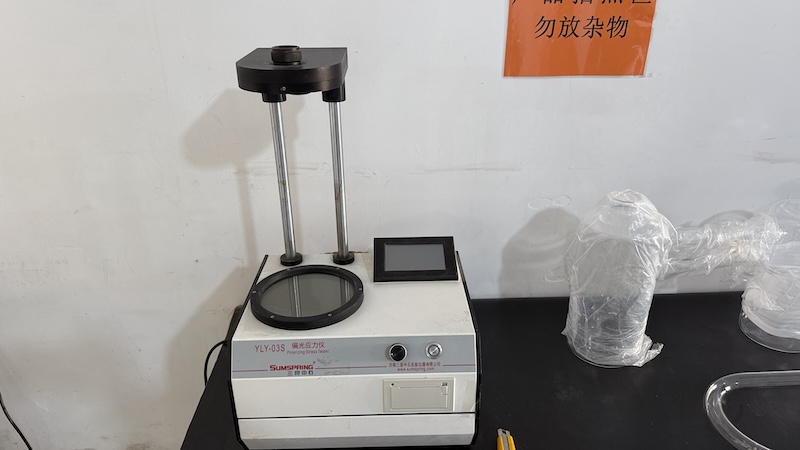
Minsk procurement officers are navigating around intermediary supply tiers. Sourcing directly from comprehensive raw-material-to-finished-part fabricators ensures full material certifications, verified polariscope stress evaluations, and tailored custom prototyping with flexible minimum order requirements.
Key technical benchmarks for engineering departments and specification teams configuring high-temperature or optical apparatus.
| Property Parameter | Reference Value | Industrial Relevance / Performance Consideration |
|---|---|---|
| Silica Purity (SiO₂) | ≥ 99.99% | Prevents ionic leaching in trace chemical analysis and semiconductor furnace cross-doping. |
| Continuous Service Temperature | 1100 °C | Maintains dimensional integrity and vacuum-tight sealing under sustained furnace loads. |
| Maximum Short-Term Excursion | 1300 °C – 1400 °C | Withstands temporary ramp peaks during CVD deposition and flash annealing without softening. |
| Thermal Expansion (20–300°C) | 5.5 × 10⁻⁷ / °C | Exceptional resistance to catastrophic thermal shock; accommodates sudden water quenching. |
| Softening Point | ~ 1730 °C | Structural transition baseline; allows high-integrity flame glassworking and customized welding. |
| Spectral Transmission (JGS1) | 185 nm – 2500 nm | Optimal transmission for UV disinfection, excimer laser windows, and photochemical reactors. |
| Chemical Attack Resistance | Impervious to acids (except HF/H₃PO₄) | Zero leaching or mass loss in boiling HCl, H₂SO₄, and concentrated organic solvent environments. |
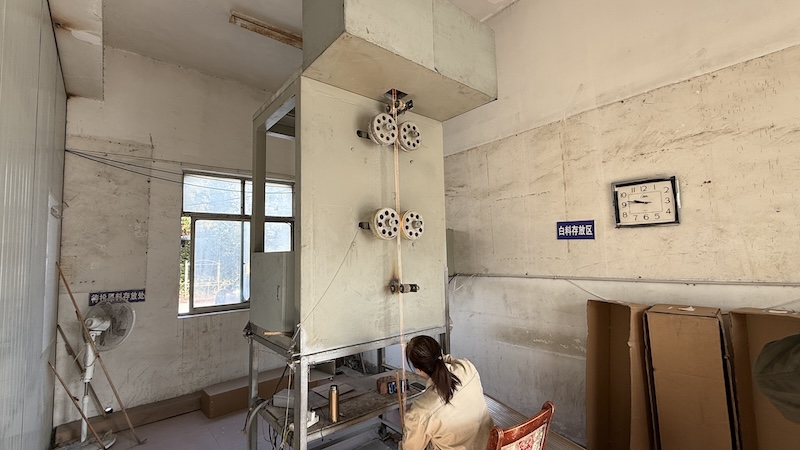
From primary silica sand refining to precision optical finishing, our end-to-end production model ensures absolute repeatability and compliance with global laboratory standards.
We crush, rescreen, and acid-pickle select crystal lumps in-house. By refining the feed material directly, we ensure heavy metal contaminants (Fe, Cu, Al) remain below certified ppb/ppm thresholds.
Every welded manifold, flanged reaction tube, and laser cuvette undergoes slow thermal annealing followed by validation under a crossed polariscope to eliminate internal stress concentrations.
Equipped with ultrasonic milling centers, CNC precision grinders, and laser cutters, we fabricate microplates, wafer carrier slots, and threaded quartz connections down to ±0.02mm tolerances.
Our 14,271 m² production facility has undergone complete onsite verification by SGS Group. Full material compliance certificates, dimensional test sheets, and RoHS reports are provided with every shipment.
All quartz assemblies are packed using multi-layer PE foam cushioning, internal suspense chambers, vacuum-sealed barrier films, and fumigated timber crates configured for long-distance transport.
Whether manufacturing a 1-piece specialized distillation prototype for an academic thesis or supplying thousands of standard furnace tubes for production operations, our lines accommodate varied run sizes.
Clear, practical answers addressing material choice, technical drawings, transit logistics, and operational tolerances.
JGS1 is synthetic fused silica engineered from silicon tetrachloride precursors, yielding negligible metallic impurities and near-zero bubble defects. It offers high UV transmission (185–2500 nm), making it the primary choice for deep-UV lasers, UV lithography, and fluorescence cuvettes. JGS2 is natural fused quartz melted by oxyhydrogen flame, delivering transmission across 220–2500 nm, making it cost-effective for sight glasses, UV curing lamps, and standard furnace windows. JGS3 is vacuum electro-fused quartz with minimal hydroxyl (OH⁻) content, offering high transmission into the infrared range (up to 3500 nm) to prevent water-band absorption notches.
Our engineering division accepts standard 2D vector layouts (AutoCAD DWG, DXF, or fully dimensioned engineering PDFs) and 3D CAD step files (STEP, STP, IGES). If formal CAD drawings are unavailable, our technical team can generate fabrication models based on physical reference samples, dimensional sketches, or process parameter briefs detailing critical internal dimensions, operating temperatures, thermal ramping curves, and chemical exposures.
Fragile quartz instruments, wafer boats, and thin-walled combustion tubes are protected using multi-tier packaging systems. Items are first cleaned, sealed against dust in PE film, and enveloped in form-fitting expandable polyethylene (EPE) foam dampeners. Larger assemblies are secured within dual-box floating structures or custom slotted wooden crates designed to absorb external drops, side loads, and vibration shocks encountered during multimodal transit to Belarus.
Transparent fused quartz exhibits broad chemical passivity across virtually the entire chemical spectrum. It is completely unaffected by concentrated hydrochloric acid, nitric acid, sulfuric acid, and standard organic solvents, even at elevated temperatures. The only critical exceptions are hydrofluoric acid (HF), which actively dissolves the SiO₂ lattice, and concentrated phosphoric acid (H₃PO₄) when operated at sustained temperatures exceeding 150–200°C. Caustic alkaline solutions will also etch the surface at elevated temperatures over extended periods.
Under pristine conditions and free of surface contamination, high-purity transparent quartz tubes can operate continuously at 1100°C for thousands of hours without noticeable loss of structural integrity. Devitrification—the transition from amorphous silica to crystalline cristobalite—is accelerated primarily by surface contamination from alkali ions (fingerprints, dust, alkali metal vapors). Maintaining clean handling procedures, avoiding direct skin contact, and cleaning with diluted acid baths prior to heating will maximize operational longevity and structural clarity.
For custom engineering prototypes, non-standard ground joint fabrications, or evaluation units, we provide production flexibility with MOQs starting at 1 piece. For serialized production runs—such as CVD diffusion tubes, digestion vessels, or standardized laser flow elements—we offer structured tier discounts, reserved batch material warehousing, and scheduled blanket-order dispatches.
Whether you require customized wafer carrier boats, specialized reaction apparatus, or high-tolerance furnace tubes for the Minsk market, connect directly with our engineering team for technical reviews and tailored quotes.