Optics / UV
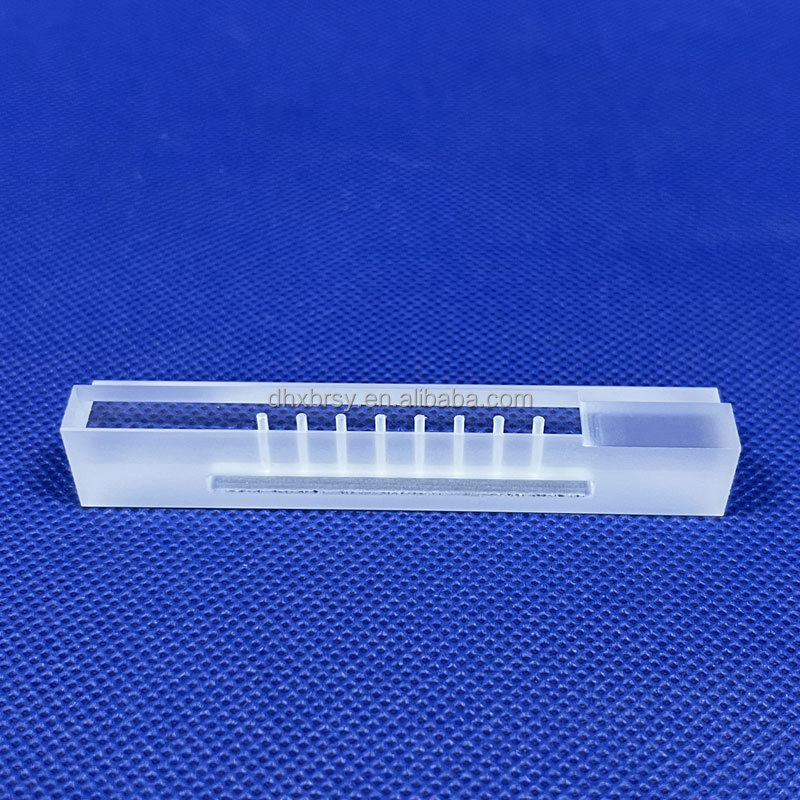
High Purity Fused Quartz V-Groove Optical Array Holder
Sub-micron dimensional tolerance fiber-coupling fixture, fabricated with 99.99% synthetic silica for laser alignment.
Direct from our 14,271 m² SGS-verified manufacturing center. Precision fabricated with natural quartz sand refined via high-pressure chemical digestion to achieve 99.99% SiO₂ structural purity.
Sub-micron dimensional tolerance fiber-coupling fixture, fabricated with 99.99% synthetic silica for laser alignment.
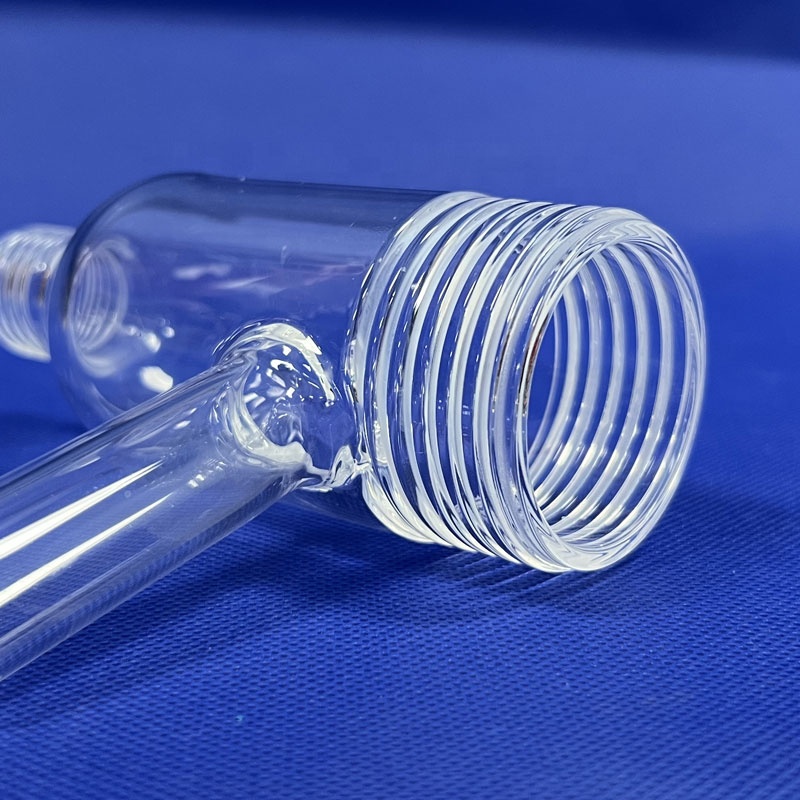
Corrosion-resistant side-arm reaction vessel designed for high-pressure chemical digestion and Mediterranean marine labs.
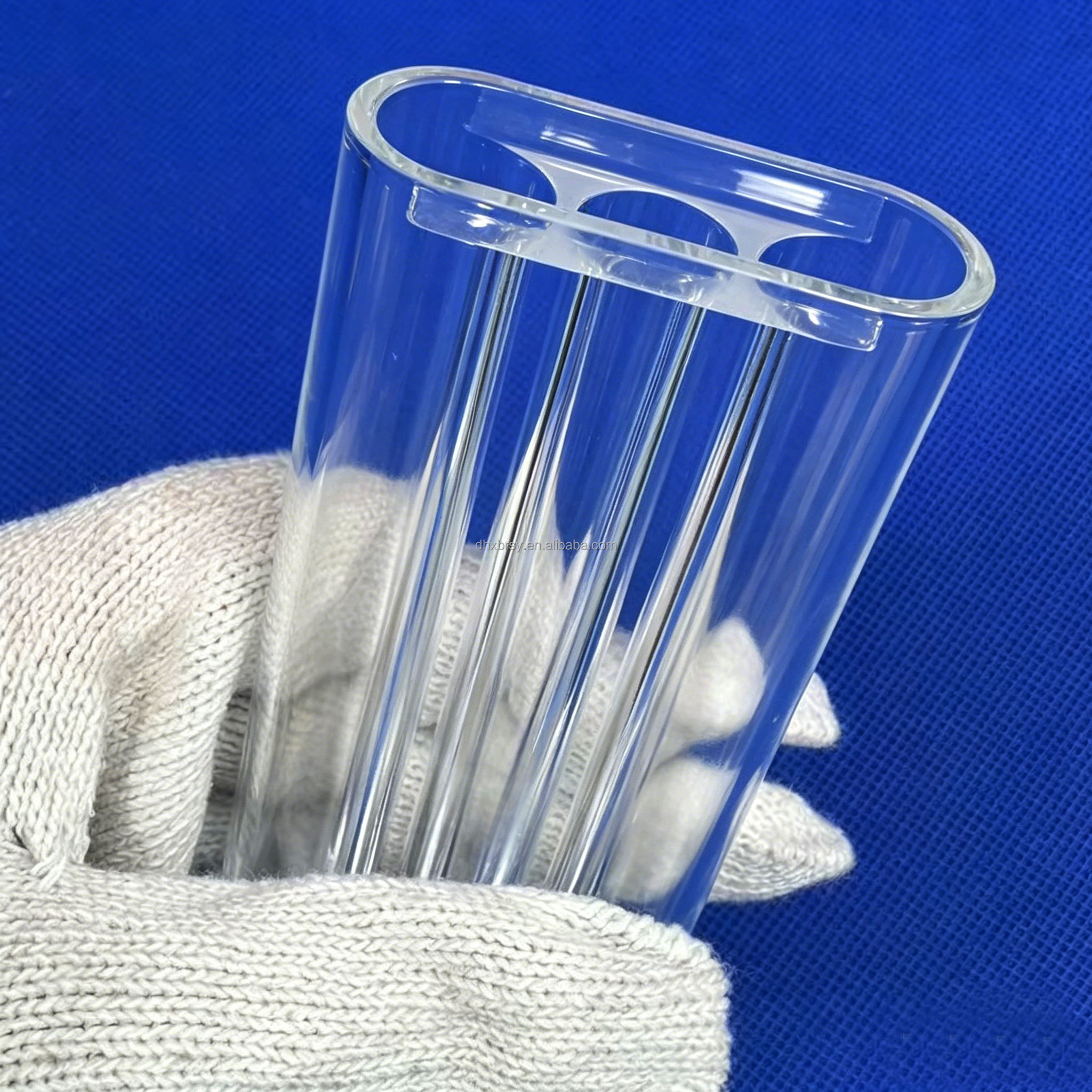
Operational up to 1300 °C short term with zero crystallization; engineered for diffusion furnaces and semiconductor cleanrooms.
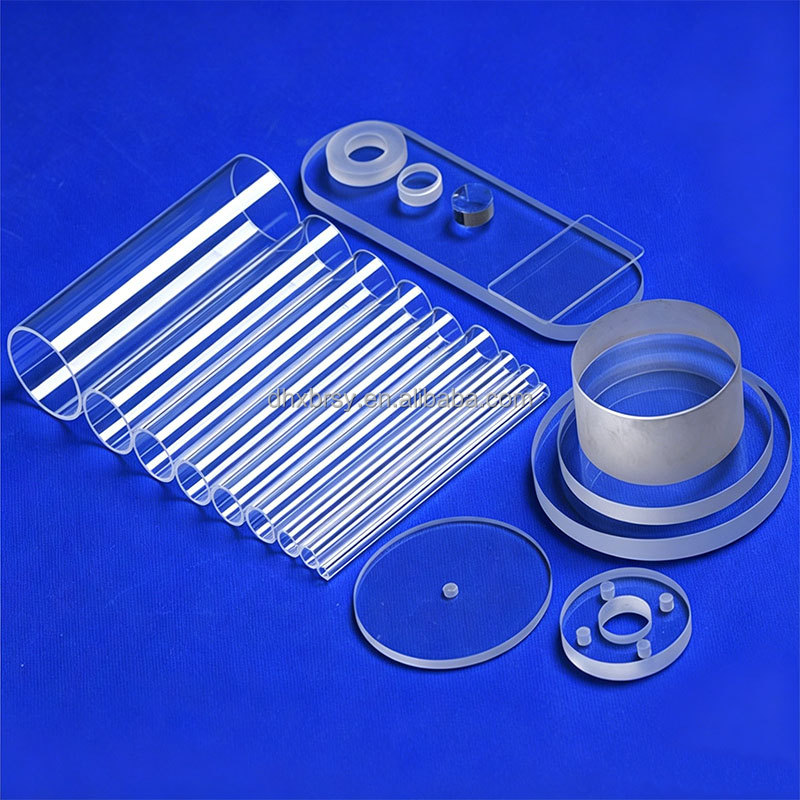
Optical transmission from 185 nm to 2500 nm; double-sided precision chemo-mechanical polish (CMP) to lambda/4 flatness.
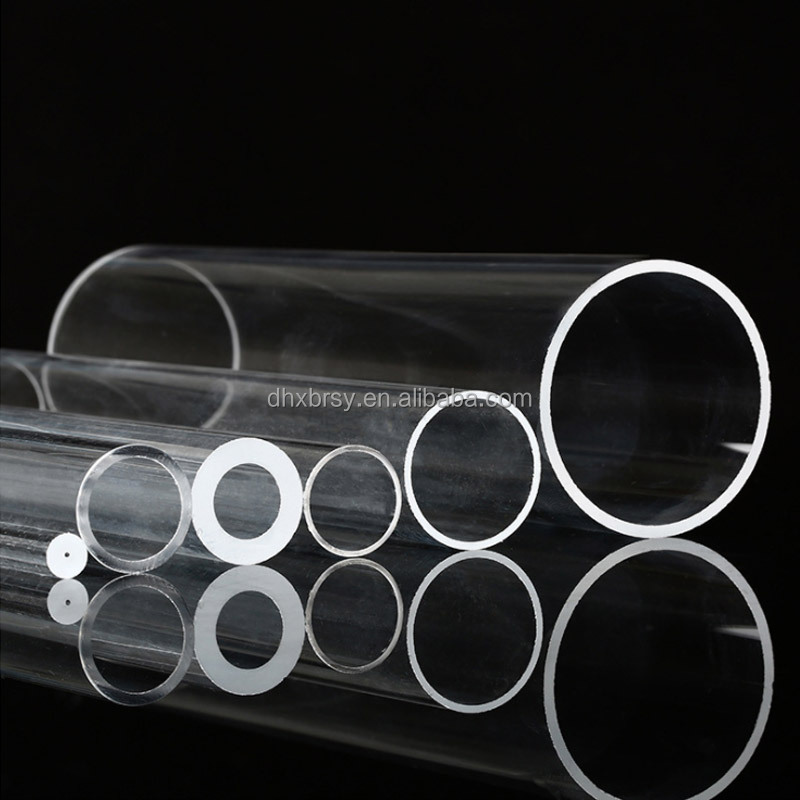
Custom fast-response infrared radiant quartz elements designed for sterile industrial chambers and de-pyrogenation tunnels.
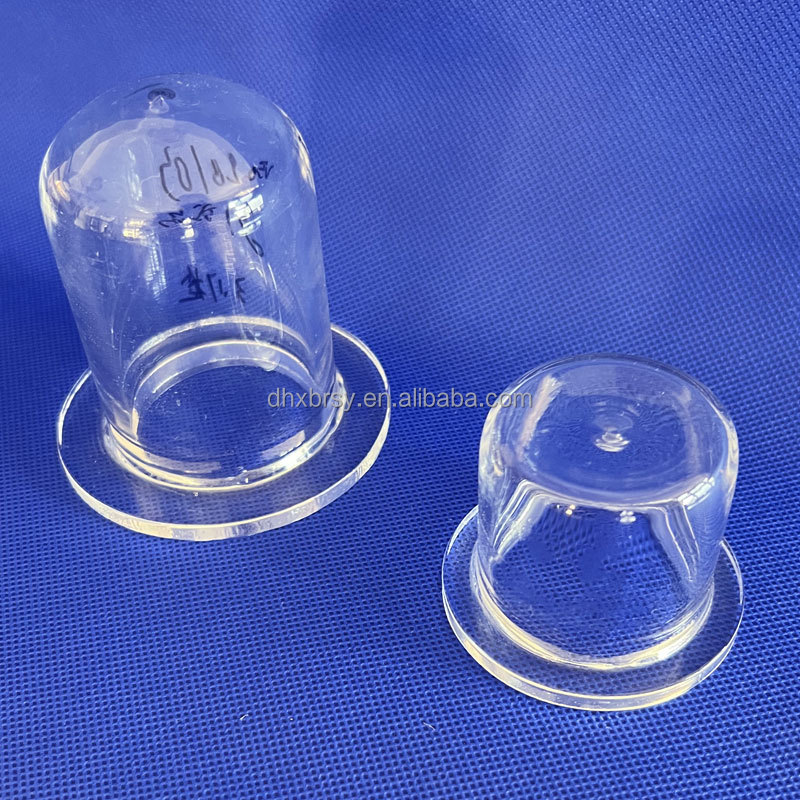
Certified low hydroxyl content, maximum solar cell thermal processing yield, resistant to chemical flux and thermal shock.
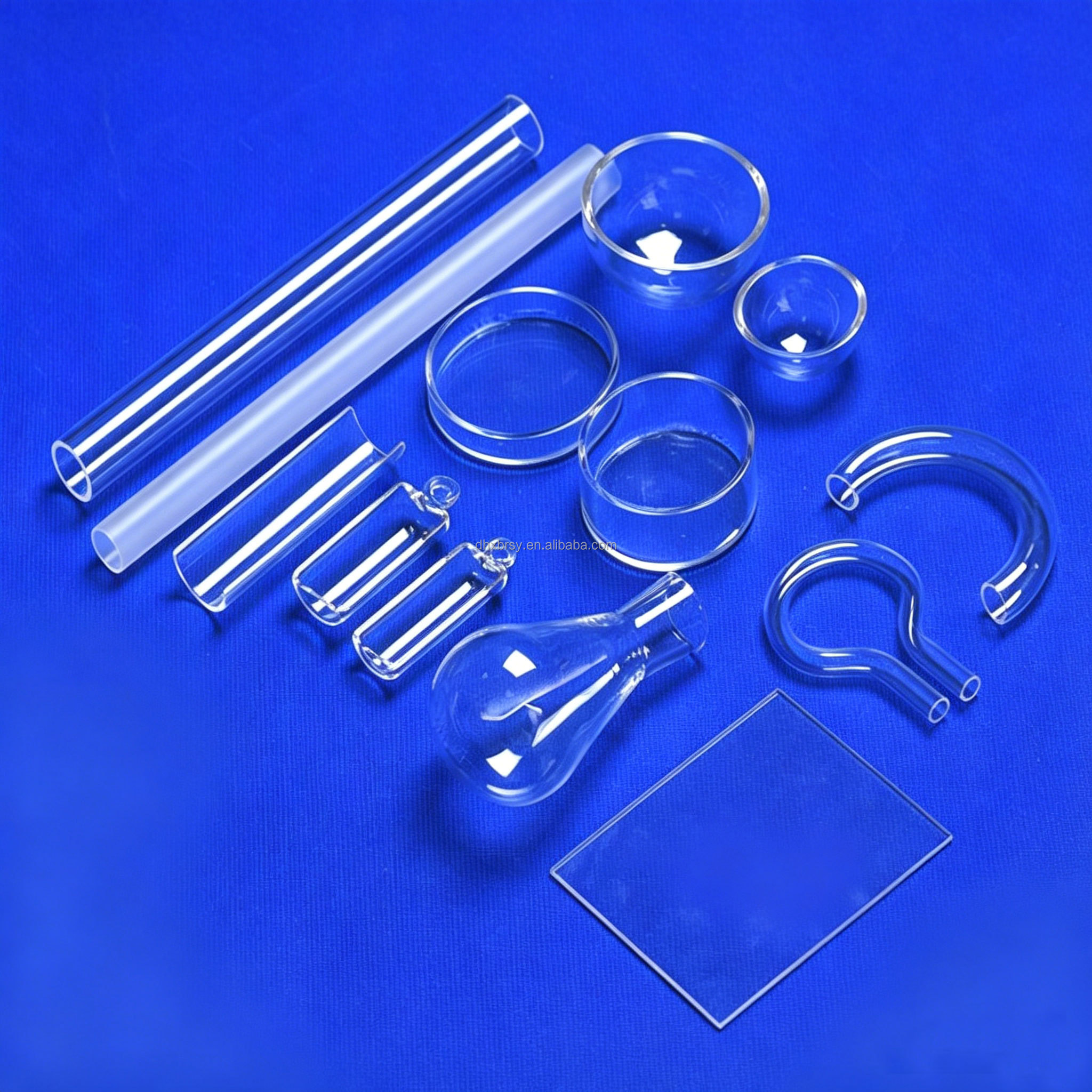
Custom fused glassblown assemblies, diffusion flanges, multi-port quartz adapters, and automated vacuum fixtures.
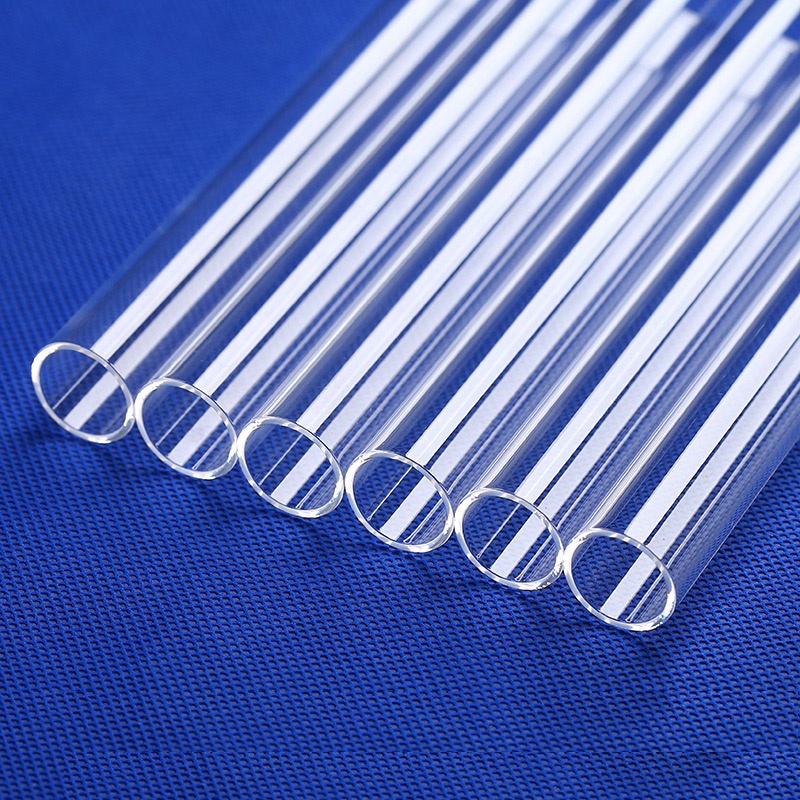
Standard OD 10mm to 120mm with strict ±0.05mm wall concentricity; ready for plasma cleaning pipelines and fluidic channels.
As France's primary Mediterranean maritime gateway and a major axis of the Provence-Alpes-Côte d'Azur (PACA) industrial ecosystem, Marseille presents an exacting set of physical and operational demands for optical and industrial components. From the petrochemical processing hubs along the Étang de Berre and Fos-sur-Mer to the laser physics, aerospace research, and oceanographic laboratories of Aix-Marseille University and the Luminy Science Park, fused quartz glass discs serve as mission-critical interfaces.
Standard borosilicate and soda-lime glasses are insufficient when exposed to thermal cycling, corrosive marine atmospheres, ultraviolet laser pulses, and ultra-high pressures. Our technical whitepaper outlines the physical synthesis, localized applications, and optical discrimination criteria required by technical procurement teams across the Marseille industrial corridor.
Precision quartz discs must be selected based on optical transmission bands, synthetic origin, and hydroxyl (OH⁻) group concentrations. Misidentifying quartz grades is the most prevalent cause of system degradation, thermal delamination, and excessive photon absorption:
| Grade Designation | Synthesis Technology | Transmission Band (T ≥ 85%) | Hydroxyl Content ([OH⁻]) | Principal Localized Applications |
|---|---|---|---|---|
| JGS1 (Synthetic Fused Silica) | Vapor-phase chemical oxidation of SiCl₄ | 185 nm – 2,500 nm (Deep UV to Near-IR) | Typically < 2 ppm to 1200 ppm (Controlled) | Excimer lasers, semiconductor UV lithography, Aix-Marseille quantum & photonics research |
| JGS2 (Fused Natural Quartz) | Refined natural quartz crystal fused via oxy-hydrogen flame | 220 nm – 2,500 nm (Standard Optical UV) | Approx. 150 – 200 ppm | Petrochemical sight glasses, high-pressure sight flow indicators at Fos-sur-Mer refineries |
| JGS3 (Infrared Fused Quartz) | Electric vacuum furnace fusion of select crystals | 260 nm – 3,500 nm (Infrared Window) | < 5 ppm (Virtually Water-Free) | Pyrometric viewing ports, thermal IR imaging, offshore petrochemical combustion monitoring |
For research labs at the Mediterranean Institute of Oceanography (MIO) and offshore instrumentation platforms deployed in the Gulf of Lion, JGS1 optical windows are favored because they exhibit zero solarization and maintain high optical clarity under short-wavelength ultraviolet radiation and intense deep-water hydrostatic loads.
Industrial installations throughout the Bouches-du-Rhône department frequently experience severe thermal dynamics. Fused quartz features an exceptionally low coefficient of thermal expansion (5.5 × 10⁻⁷ /°C between 20 °C and 300 °C), roughly 1/20th that of float glass.
Our discs are synthesized to endure rapid thermal quenching. A heated 20 mm thick quartz disc brought to 1100 °C can be submerged immediately into cold water without micro-fracturing. This capability is critical for safety viewing sight windows on fluidized catalytic cracking (FCC) units and steam reformers operating continuously at the petrochemical facilities of Martigues and Lavéra.
From chemical acid pickling to crushing in our 14,271 m² plant, we eliminate trace metal ion contamination (Fe < 0.2 ppm, Al < 14 ppm), securing 99.99% SiO₂ matrix stability.
Each disc undergoes controlled annealing in programmed furnaces to purge internal stress fields, verified 100% via polariscope testers before international dispatch.
Discs can be machined to custom diameters (1 mm to 600 mm), chamfered, drilled, or micro-grooved with surface roughness down to Ra < 0.5 nm for demanding laser optics.
Onsite assessed by SGS Group. Production complies with EU RoHS chemical directives, packed in double-sealed anti-static cleanroom foam for sea or air logistics.
The geographic position of Marseille demands resilient components capable of surviving both heavy chemical immersion and precision photonic manipulation:
Sight-flow disc indicators deployed in high-temperature hydrodesulfurization and alkylation pipelines. Quartz discs resist attack from hot sulfurous hydrocarbons and sulfuric vapor, maintaining transparency under up to 50 bar operating pressure depending on disc thickness ratios.
High-damage-threshold (LIDT) optical discs for diode-pumped solid-state (DPSS) lasers and aerospace telemetry sensors. Low wavefront distortion (λ/4 to λ/10) enables reliable sub-nanosecond pulse delivery without thermal lensing effects.
Oceanographic deep-deployment pressure hulls, subsea UV fluorometer windows, and spectrophotometer flow cells. Quartz discs provide impervious barrier protection against salt encrustation, saline chemical attack, and crushing hydrostatic pressure at depths exceeding 2,500 meters.
The Marseille-Fos Industrial Port is undergoing a deep structural transition toward carbon neutrality and clean technology. Green hydrogen production facilities, carbon capture and storage (CCS) demonstration pilots, and the expanding semiconductor and PV research corridors of southern France are setting stringent material specifications:
Direct answers addressing technical parameters, customs documentation, pressure calculations, and logistical coordination for Marseille and French PACA enterprises.
Send your 2D/3D component drawings (PDF, DWG, STEP) or operational parameters (working temperature, optical wavelength, pressure requirements). Our engineers will assess manufacturability and deliver a technical quotation for your Marseille project within 24 hours.