99.99% SiO₂
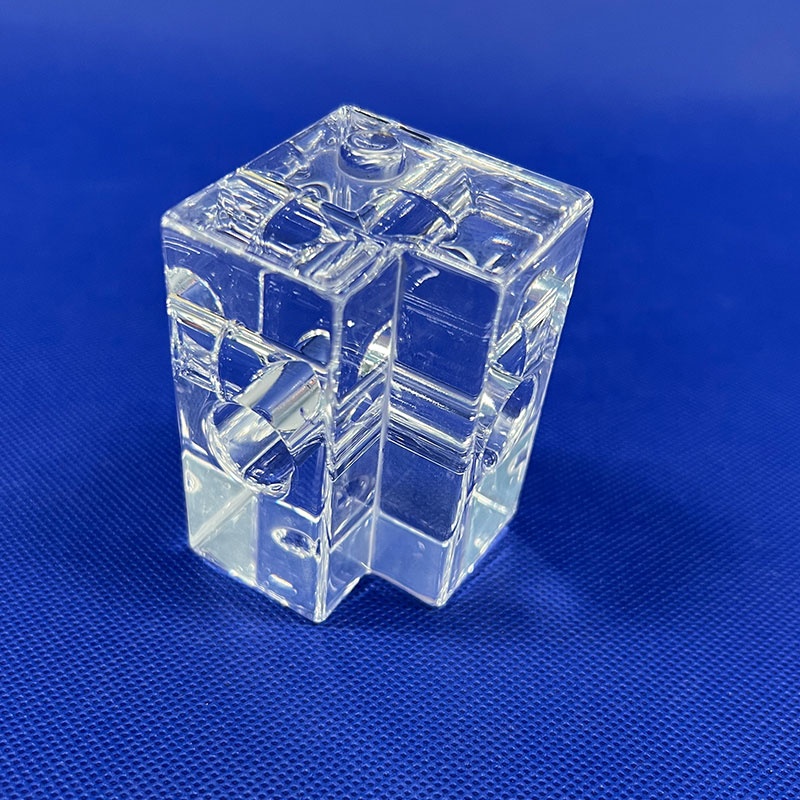
Direct-from-factory fabricated quartz products meeting ISO/RoHS standards, prepared with secure international freight packaging for rapid deployment in Trondheim.
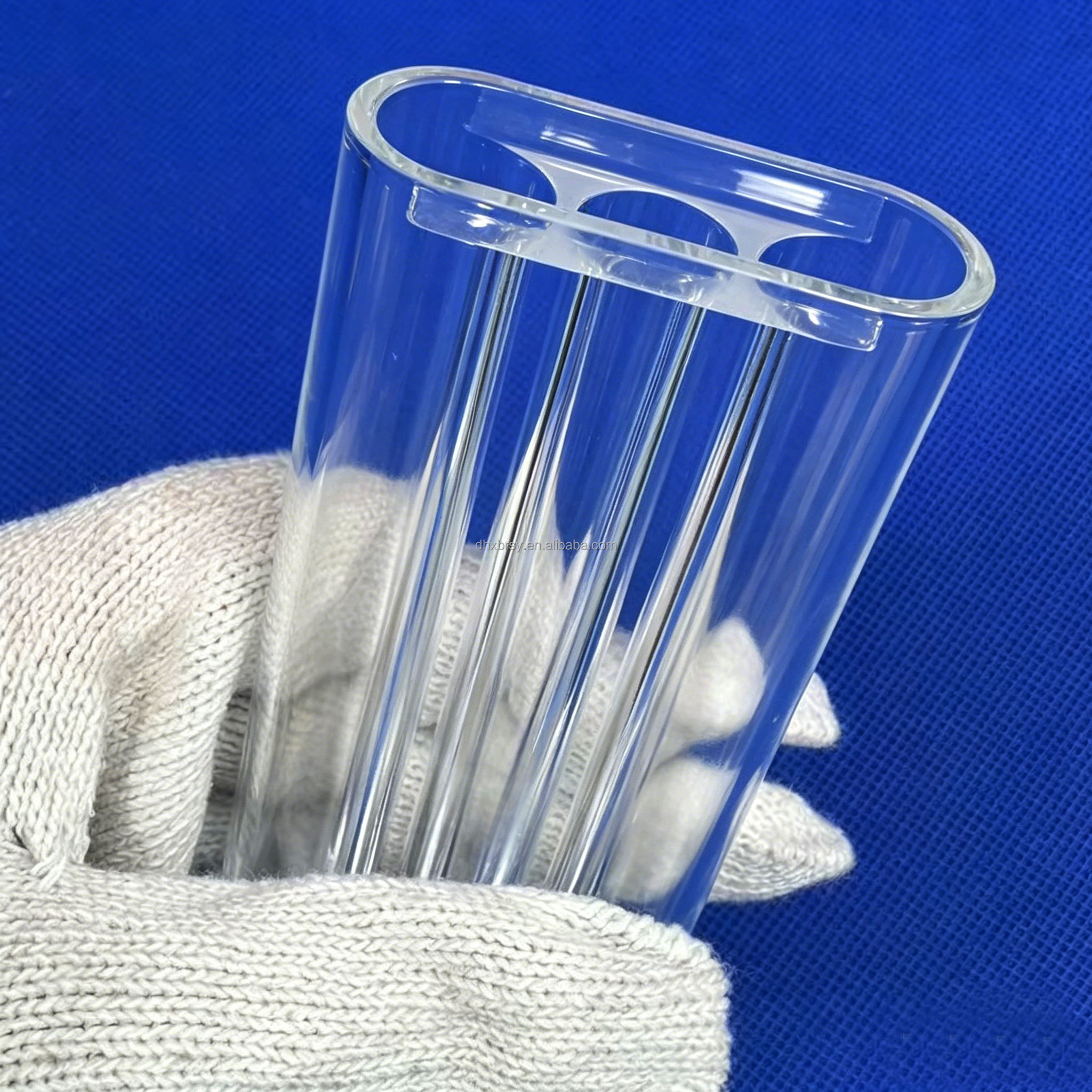
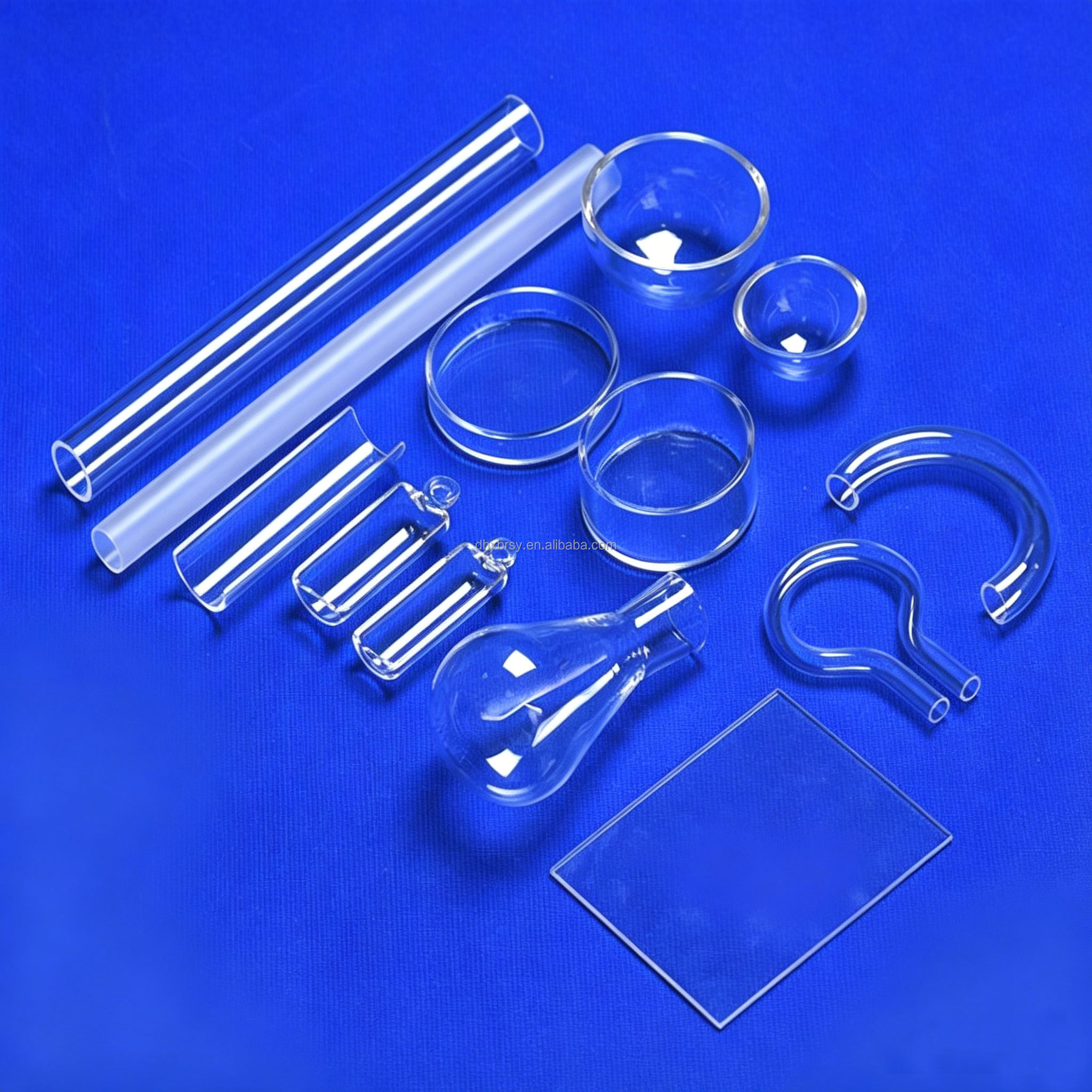
As Norway's premier innovation capital—anchored by NTNU (Norwegian University of Science and Technology) and SINTEF—Trondheim presents unique, extreme requirements for high-purity fused silica glass.
Trondheim Fjord acts as Norway's primary full-scale testing ground for autonomous underwater vehicles (AUVs) and autonomous subsea monitoring pods. Our JGS1 synthetic fused silica windows and heavy-wall quartz tubing provide the critical pressure containment needed to withstand depths exceeding 1,000 meters.
Standard borosilicate glass suffers from optical distortion and micro-fractures under cyclic Arctic hydrostatic loads. Lovri’s precision-annealed quartz tubing ensures an extraordinarily low coefficient of thermal expansion (5.5 × 10⁻⁷ /°C), preserving laser LiDAR collimation and high-throughput optical communications in freezing waters.
The Trøndelag region is closely tied to Norway's clean-energy metallurgical refining operations. R&D facilities across Gløshaugen rely heavily on our 1200 °C continuous-rated fused silica tubes for furnace lining, pyrometry sight glasses, and gas sampling.
During silicon metal crystallization, molten salts and high-temperature reactive off-gases attack lesser glasses. Our proprietary 4-step acid-pickled quartz glass resists harsh halogens and acidic media, ensuring trace-metal contamination levels below 5 ppm for next-generation solar-grade silicon development.
Within regional micro-nanotechnology laboratories (such as NTNU NanoLab), processes like Low-Pressure Chemical Vapor Deposition (LPCVD), atomic layer etching, and optical lithography demand uncompromised dimensional repeatability and thermal stability.
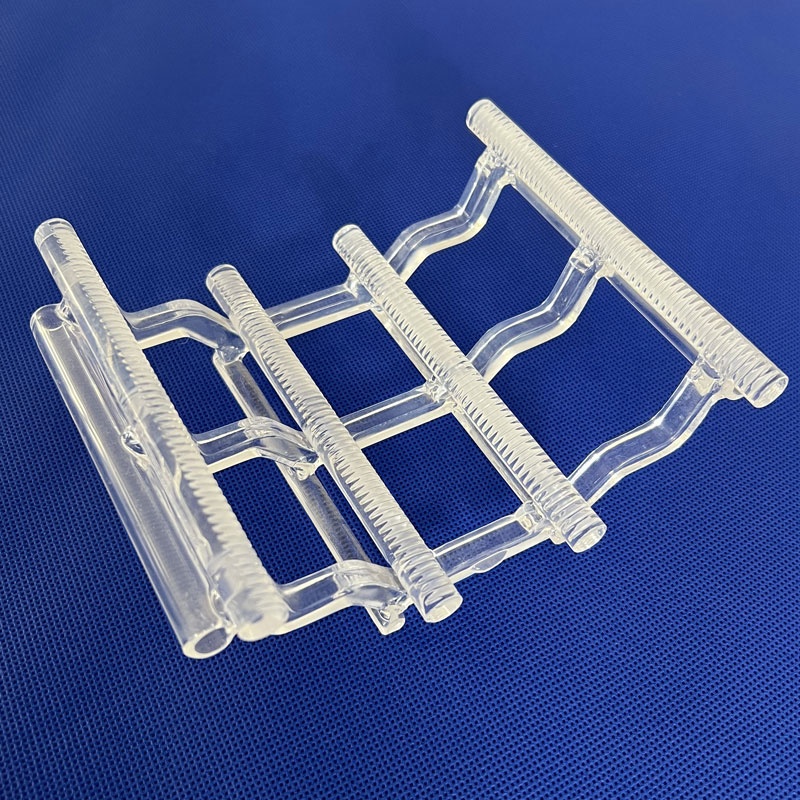
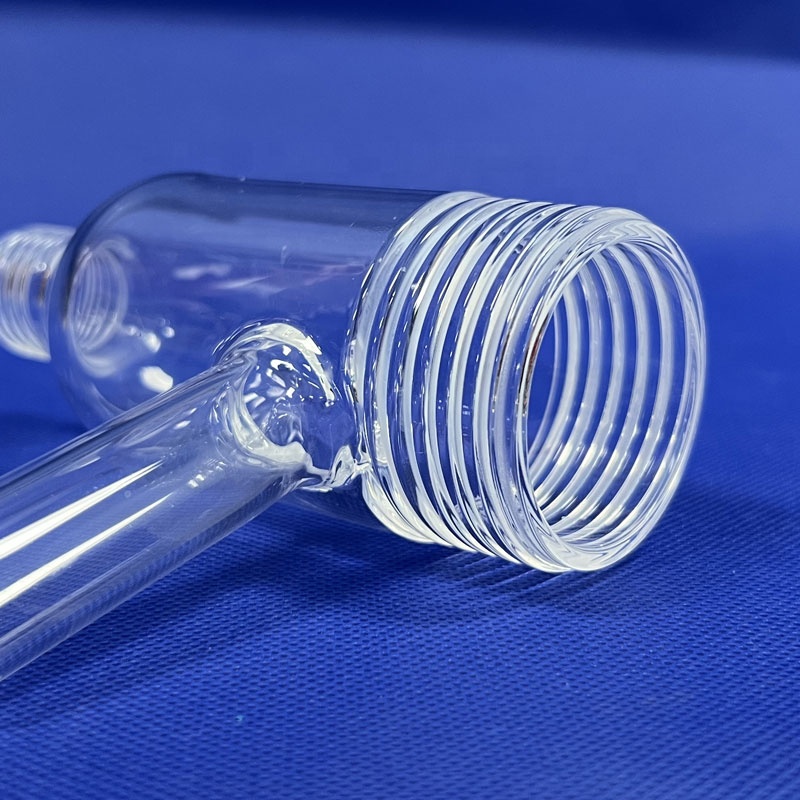
We supply custom-machined quartz wafer boats, slotted diffusion carriers, and threaded micro-reaction chambers. Every quartz component undergoes polarization stress testing to prevent micro-fissures during rapid ramp-rate thermal cycles from ambient to 1100 °C.
Engineered for extreme thermal shocks and ultra-wide spectral bands. Compare our structural grades to match your project parameters.
| Property Parameter | JGS1 (Synthetic Silica) | JGS2 (Flame Fused) | JGS3 (Electrically Fused) |
|---|---|---|---|
| Primary Application | Deep-UV Optics, Excimer Lasers, Sensor Windows | High-Temp Sight Glass, Lab Tube Furnaces | Infrared Pyrometry, High-Power IR Emitters |
| Spectral Range | 185 nm – 2500 nm | 220 nm – 2500 nm | 260 nm – 3500 nm |
| SiO₂ Content | ≥ 99.999% | ≥ 99.99% | ≥ 99.99% |
| Max Working Temp (Continuous) | 1100 °C | 1150 °C | 1200 °C |
| Short-Term Softening Point | 1680 °C | 1730 °C | 1750 °C |
| Coefficient of Thermal Expansion | 5.5 × 10⁻⁷ cm/cm °C | 5.5 × 10⁻⁷ cm/cm °C | 5.4 × 10⁻⁷ cm/cm °C |
| Hydroxyl (OH⁻) Content | < 10 ppm (or dry < 1 ppm) | 150 – 200 ppm | < 5 ppm |
How Trondheim's energy transition, hydrogen initiatives, and subsea automation dictate higher procurement specifications for fused silica.
Trondheim’s research institutions are aggressively advancing methane pyrolysis and hydrogen combustion systems to decarbonize heavy European transport. These processes operate at pressures above 30 bar and temperatures exceeding 1000 °C.
Engineers are substituting traditional alloy pipes with heavy-walled fused silica tubing to prevent metallic catalytic poisoning and enable real-time laser absorption spectroscopy inside the flame core.
As open-ocean fish farms expand off the Mid-Norway coast, automated monitoring of water parameters (dissolved oxygen, microplastics, chlorophyll) has become vital. Submerged spectrophotometric flow cells require high chemical inertness.
Fused quartz flow tubes and microplates do not leach sodium, boron, or trace metals into marine water samples, preventing false readings and sensor degradation caused by biofouling cleaning chemicals.
Offshore wind installations and subsea power hubs need long-term dielectric barriers and optic signal pass-throughs that withstand saltwater exposure without leaching or dielectric breakdown.
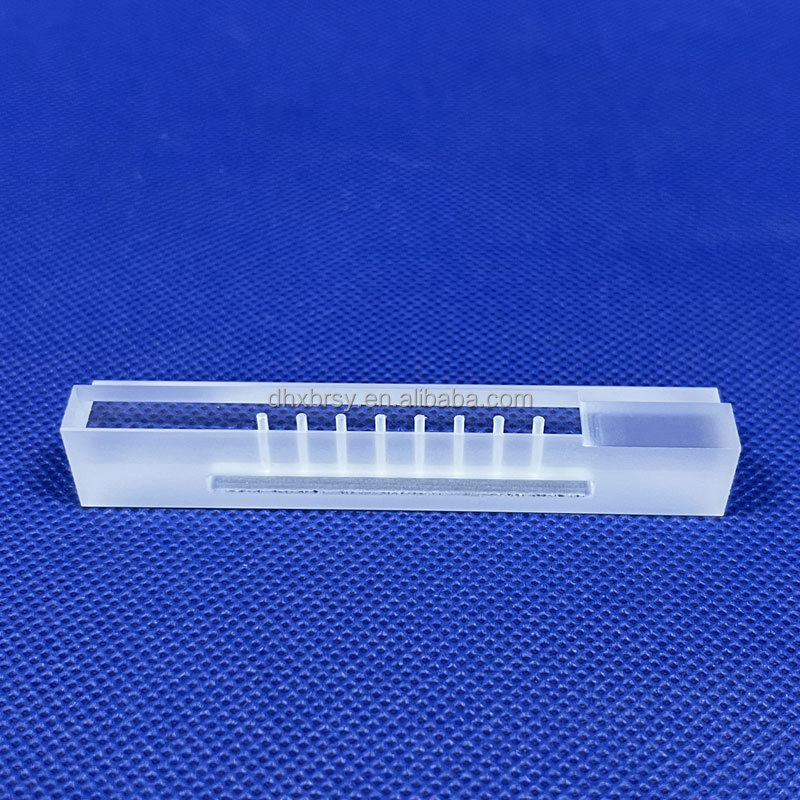
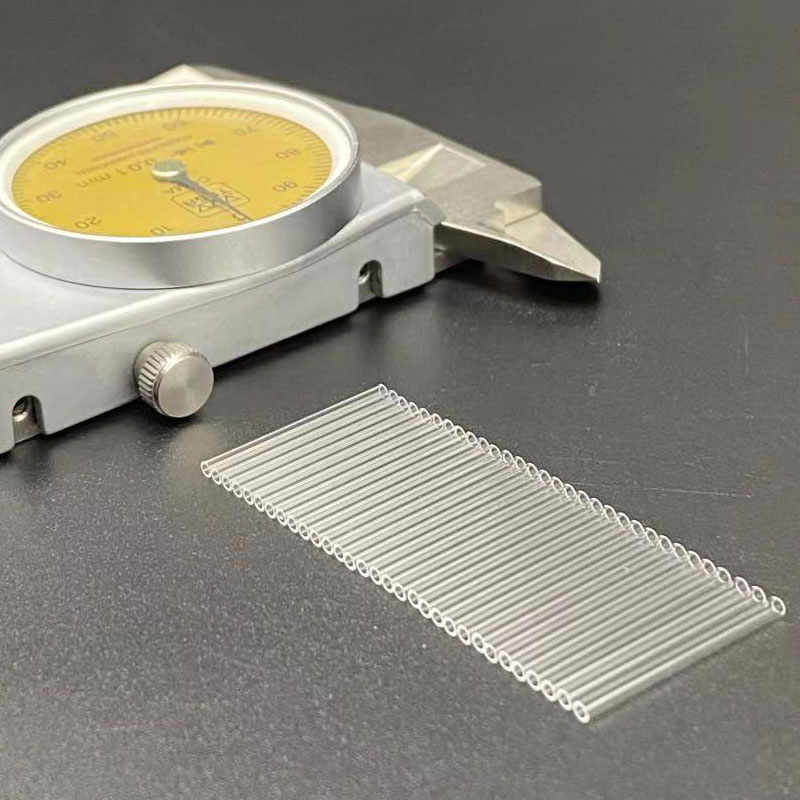
CNC-milled quartz V-grooves and capillary tubes provide dielectric breakdown voltages above 25 kV/mm, serving as essential components in high-voltage subsea connectors.
Direct oversight across every phase of silica production—from raw rock processing to final cleanroom optical packaging.
Unlike downstream assembly shops, we begin at raw lump sizing, pulverizing, and specialized 4-stage acid pickling in Lianyungang. Controlling the supply chain guarantees consistent 99.99% SiO₂ purity without unpredictable batch variations.
Equipped with 4-axis and 5-axis ultrasonic CNC grinding centers, we achieve tight dimensional tolerances down to ±0.005 mm on custom slots, wafer grooves, micro-holes, ground joints, and vacuum mating surfaces directly from your STEP or CAD drawings.
Our 14,271 m² production facility is independently verified on-site by SGS Group. Every furnace tube and pressure piece undergoes thermal annealing at 1215 °C followed by polariscope stress inspection to prevent catastrophic failure under sudden temperature shocks.
Precision quartz is fragile during intercontinental transit. We use high-density cross-linked polyethylene (EPE) custom-cut nests, moisture barriers, and ISPM-15 compliant shock-suspended wooden crates, ensuring zero transit breakage into Trondheim.
Everything procurement officers, project managers, and lab technicians in Trøndelag need to know about delivery terms, customs, and technical validation.
We regularly ship to Norwegian destinations via air freight (into Trondheim Airport, Værnes - TRD) for urgent research prototypes, and sea freight (via Port of Trondheim) for heavy furnace tubes and production volumes. We supply complete commercial documentation, packing lists, and HS code declarations (7002.31 for tubes, 7002.39 for shaped glass) to simplify customs processing through Tolletaten.
For custom CAD-based prototypes (e.g., slotted quartz boats, flange-welded cylinders, or multi-bore laser flow tubes), our standard machining cycle is 7 to 12 working days following drawing sign-off. Express air freight to Trondheim takes approximately 4 to 6 business days.
Each production heat is accompanied by an ICP-MS (Inductively Coupled Plasma Mass Spectrometry) trace chemical analysis report outlining PPM concentrations of Fe, Al, Ti, Ca, Mg, Na, and K. We can also provide polarized stress test verification curves and UV-VIS-NIR spectral transmission scans upon request.
Yes. Our continuous drawing and vertical lathe welding lines can manufacture outer diameters (OD) ranging from 1.5 mm up to 450 mm, with wall thicknesses spanning 1.0 mm to 12 mm and lengths up to 3,000 mm. Larger flanged chambers can be fabricated to custom specifications.
We support academic institutions, pilot plants, and industrial testing with MOQs starting at 1 piece for standard custom drawings. Volume discounts apply automatically to recurring commercial supply agreements and ongoing batch orders.
Our multi-stage cushioning protocol keeps international transit damage below 0.5%. However, every export package is covered by transit insurance. If breakage occurs, send photographic verification of the packaging and part upon delivery; we will initiate free priority remanufacturing and fast air-dispatch.
Send your 2D/3D component drawings (PDF, DWG, DXF, or STEP) along with your desired quartz grade, operating temperatures, and batch quantities. Our application engineers provide feedback within 12 hours.
Contact Us