SGS Onsite-Verified Fused Quartz Manufacturer [email protected]
Semiconductor & Laboratory Grade Fused Silica Engineering

Quartz Laboratory Apparatus Manufacturers & Manufacturer in Portland

Custom CNC-machined fused quartz glassware, reaction carriers, wafer boats, and ultra-high-purity SiO₂ components engineered for Oregon's Silicon Forest and Pacific Northwest analytical research.

99.99%
SiO₂ Chemical Purity
1300°C
Max Thermal Resistance
14,271 m²
SGS-Verified Plant Area
±0.005mm
CNC Micro-Machining

Standard & Custom Fused Quartz Laboratory Apparatus

From microfluidic substrates to high-temperature vertical furnace wafer boats, our quartz apparatus delivers extreme thermal shock resistance, trace metal inertness, and deep UV-to-IR optical clarity for Portland research and industrial facilities.

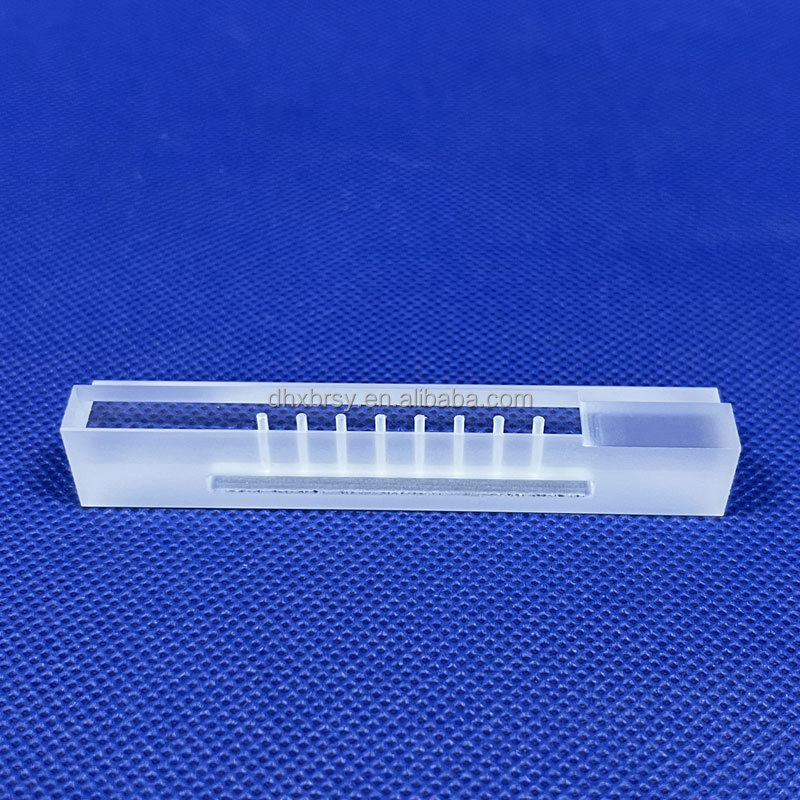
Microfluidics Custom-processed Fused Quartz High-purity 99.99% SiO2 Annealed

Custom High-Purity Annealed Fused Quartz Fluidic Substrates

99.99% SiO₂ matrix, 200 Mesh (75μm) annealed at 1200°C for internal stress elimination. Ideal for microfluidic channels and chip capillary cells.

View Product Specifications
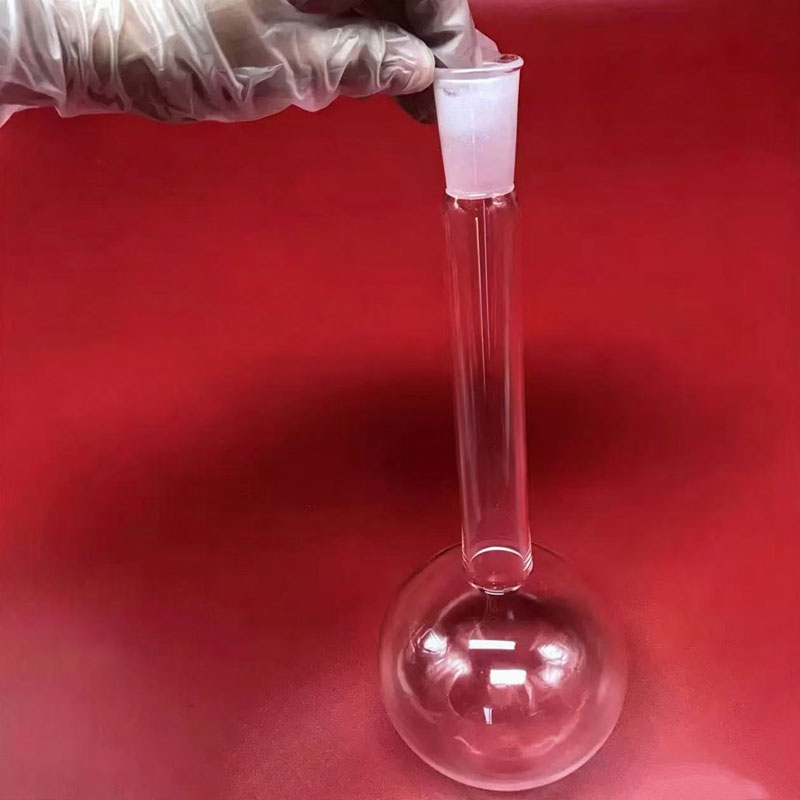
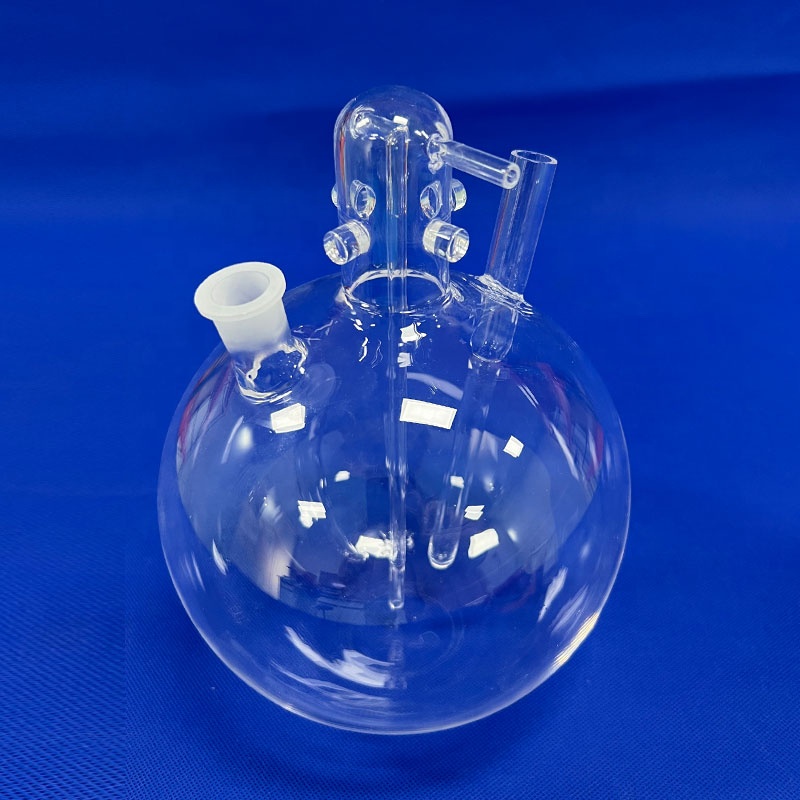
Analytical High-purity Quartz Glass Long-neck Flask

99.99% SiO₂ Thermal Resistant Quartz Glass Long-Neck Flask

Withstands continuous 1200°C thermal exposure. Heavy wall thickness, acid corrosion-resistant (HF excepted), RoHS certified for trace distillation.

View Product Specifications
Semiconductor Custom Size High Temperature Fused Quartz Wafer Boat

Custom Fused Quartz Wafer Boat & Semiconductor Carrier

Laser-slotted pitch precision with zero sagging at 1150°C. Engineered for diffusion, LPCVD, and wet etch chemical baths in Silicon Forest fab lines.

View Product Specifications
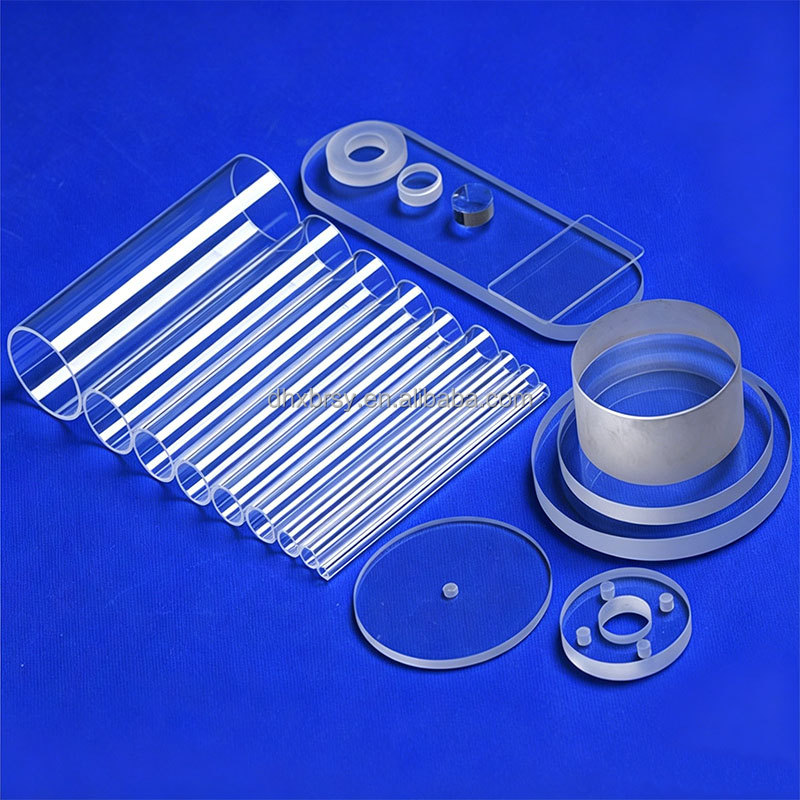
UV Optics JGS1 High-purity Optical Semiconductor Quartz Jig Window

BAO RAN JGS1 High-Purity Fused Silica Optical UV Window

Deep-UV spectral transmission down to 185nm. CNC machined optical jig with laser-grade double-side optical surface polish (λ/4 flatness, 20/10 scratch-dig).

View Product Specifications
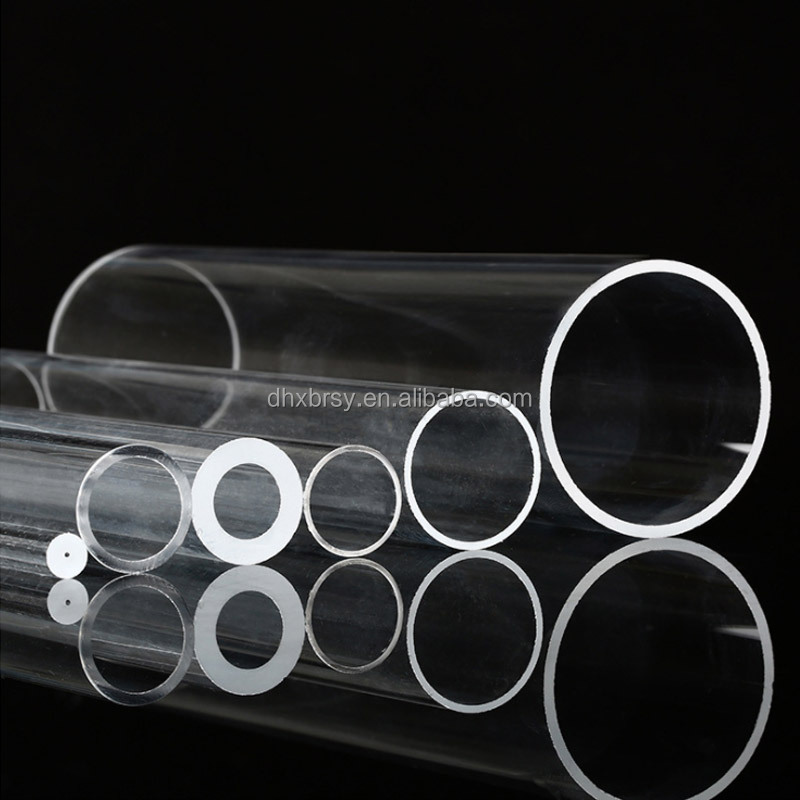
Thermal / IR SiO2 Heating Quartz Tube

BAO RAN Precision Heating Quartz Tube for Thermal Cavities

Ultra-low thermal expansion coefficient (5.5×10⁻⁷/°C). Thermal shock immune for industrial drying tunnels, lab ovens, and high-purity water dispensers.

View Product Specifications
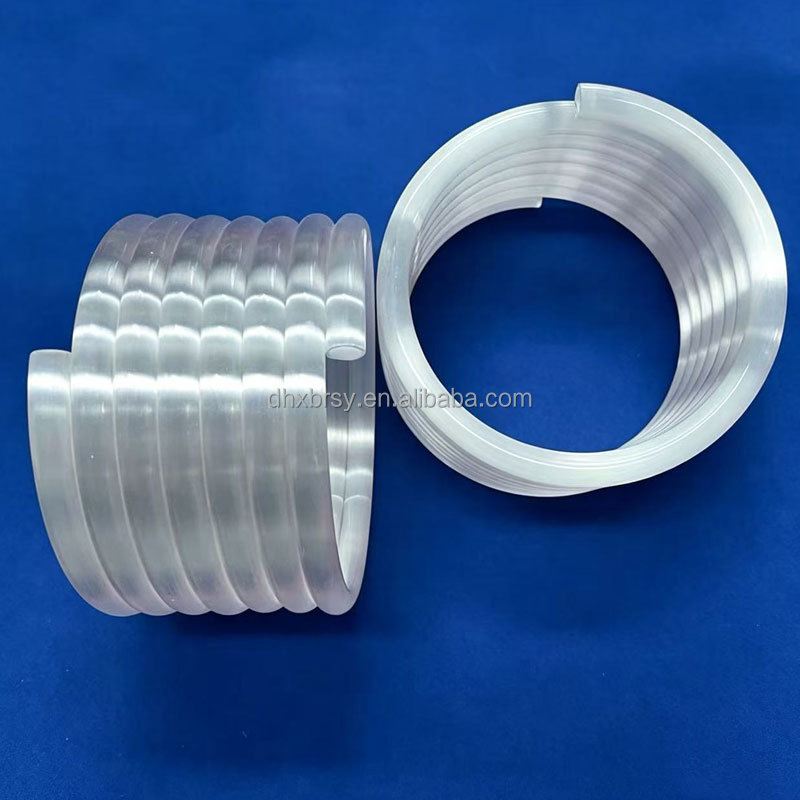
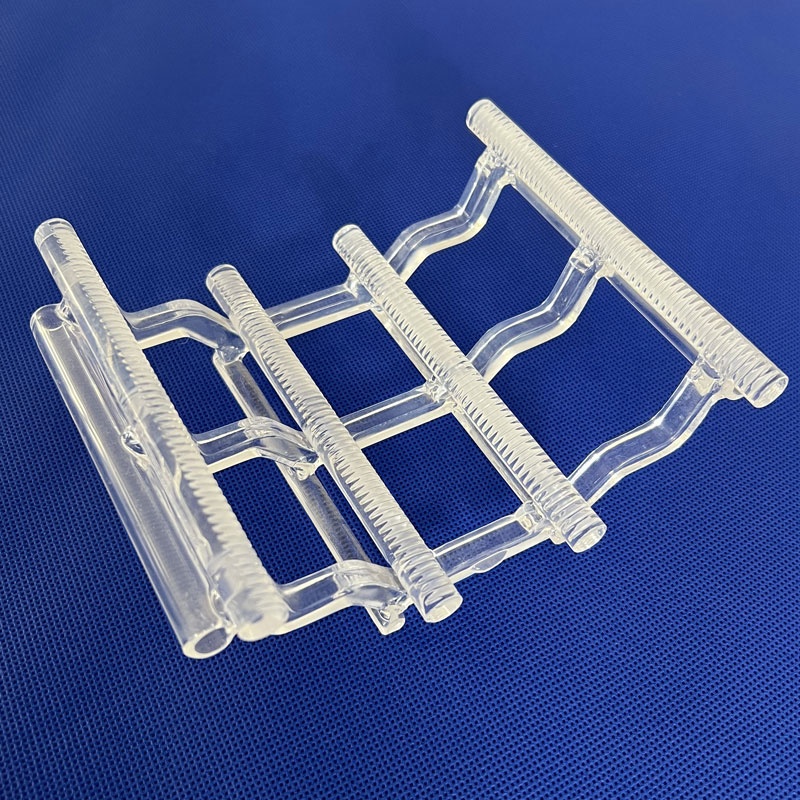
IR Furnaces Custom Milky White Opaque Fused Silica Quartz Spiral Tube

Milky White Opaque Fused Silica Spiral Tube Helix Coil

Micro-bubble diffuse scattering optimizes infrared thermal radiation. High-efficiency helical coil structure for continuous tube-furnace processing.

View Product Specifications
Laser Machinery High Purity SiO2 Quartz Glass Instrument for Laser Machinery

High-Purity Quartz Glass Laser Reaction Chamber & Cylinder

Engineered for photochemical reactors and laser excitation cavities. High optical homogeneity, zero fluorescence, and high vacuum boundary integrity.

View Product Specifications
Photonics High Purity Fused Quartz V Groove Fixture

Precision Fused Quartz V-Groove Optical Fiber Array Holder

Sub-micron pitch tolerance (+/-0.5μm) CNC slotted for fiber optic aligners, optical transceivers, and telecommunication photonic packaging.

View Product Specifications
Get Catalog

Portland's High-Tech Ecosystem: Why Fused Quartz is Indispensable

Known as the Silicon Forest, the Greater Portland metropolitan area—spanning Hillsboro, Beaverton, Camas, and the Columbia River Corridor—represents one of the most demanding markets for scientific fused quartz glass in North America.

Semiconductor Fabrication & Hillsboro Wafer Foundries

The concentration of microelectronics giants and sub-tier chip suppliers along Highway 26 requires unmatched thermal and chemical inertness. In thermal oxidation, rapid thermal annealing (RTA), and LPCVD furnaces operating above 1100°C, ordinary borosilicate melts and contaminates wafers with sodium and boron. Our custom fused quartz wafer boats, vertical furnace tubes, and bubblers guarantee trace metal purities < 15 ppm total impurities, eliminating mobile ion cross-contamination across critical wafer lots.

Biomedical & Genomics Research at OHSU & Institutes

Portland's life science nodes—anchored by Oregon Health & Science University (OHSU) on Marquam Hill and the South Waterfront biotech cluster—rely on JGS1 synthetic fused silica for ultra-sensitive analytical spectrophotometry, PCR microplate arrays, and flow cytometry. Fused quartz provides zero background autofluorescence across the deep ultraviolet (185–300 nm) spectrum, ensuring baseline stability in diagnostic nucleic acid sequencing and protein crystallography.

Clean Energy, Solar PV & Columbia River Clean-Tech

Oregon's commitment to renewable energy and battery storage tech development demands specialized high-temperature apparatus. Silicon ingot pulling, PV sintering furnaces, and biomass clean-combustion testing in regional Pacific Northwest laboratories utilize our opaque fused silica heat shields, spiral heating quartz helices, and double-flanged gas-tight reaction tubes designed to handle continuous thermal gradients up to 1200°C without devitrification.

Fused Quartz vs. Alternative Laboratory Substrates

For procurement engineers and laboratory managers evaluating apparatus lifespan, understand the mechanical, optical, and thermal boundaries governing high-purity SiO₂.

Table 1: Physical, Thermal, and Optical Property Benchmark
Performance Metric High-Purity Fused Quartz (Lovri) Borosilicate Glass 3.3 (Pyrex Type) Synthetic Sapphire (Al₂O₃) Engineering Implication for Portland Labs
Chemical Formula & Purity SiO₂ ≥ 99.99% SiO₂ ~80%, B₂O₃ ~13%, Na₂O/Al₂O₃ ~7% Single Crystal Al₂O₃ > 99.9% Eliminates alkali metal leaching in semiconductor wafer wet baths.
Thermal Expansion (20-300°C) 5.5 × 10⁻⁷ / °C 33 × 10⁻⁷ / °C 58 × 10⁻⁷ / °C Quartz allows direct quenching from 1100°C into ice water without fracture.
Continuous Service Temp 1100°C - 1150°C 450°C - 500°C 1600°C - 1800°C Crucial for high-temperature LPCVD and tube furnace calcination.
Softening Point 1730°C 820°C 2040°C Zero sagging or deformation under aggressive thermal profiling.
UV Transmission Cutoff 185 nm (JGS1) / 220 nm (JGS2) ~310 nm ~150 nm Essential for deep-UV laser flow cells and photolithography sensors.
Corrosion Resistance Immune to all acids except HF & hot H₃PO₄ Attacked by basic alkalis and hot acids High resistance to most acids/alkalis Withstands aqua regia and piranha etch solutions indefinitely.

Optical Transmission Classes: JGS1 vs. JGS2 vs. JGS3

Selecting the precise optical grade prevents costly analytical errors. JGS1 (Synthetic Fused Silica) is formulated with synthetic silicon tetrachloride, free from bubble inclusions and hydroxyl (OH) absorption in the UV spectrum, offering pristine 90%+ transmission from 185 to 2500 nm. JGS2 (Flame Fused Natural Quartz) offers an economical benchmark for general laboratory beakers, sight glasses, and UV sterilization lamps from 220 to 2500 nm. JGS3 (Electrically Fused Quartz) features an ultra-low OH- content (<5 ppm), eliminating the 2.73 μm water absorption band and extending transparency into the mid-infrared up to 3500 nm.

Thermal Shock & Cristobalite Phase Inversion Dynamics

The near-zero thermal expansion coefficient of fused quartz ($5.5 \times 10^{-7}/\text{K}$) makes it physically impossible for rapid thermal spikes to generate catastrophic shear stress under normal operating conditions. However, when fused silica operates above 1150°C in the presence of surface alkali contaminants (fingerprints, dust, or metal vapors), it can slowly devitrify into cristobalite crystalline phases. When cooled below 270°C, cristobalite undergoes a 2.8% volume contraction that causes micro-crazing. Our factory implements high-purity thermal annealing (1215°C) and clean-room packaging to mitigate nucleation sites before installation in Portland furnaces.

Trends Shaping Portland Lab Glassware & Apparatus Sourcing

As fab expansions, CHIPS Act incentives, and regional clean-tech investments accelerate across Oregon, procurement managers are rethinking their quartz supplier architectures.

Direct-to-Fabricator Customization

Portland fab engineering teams are bypassing generic distributor catalogs. Custom reaction cylinders, slotted carriers, and flanges fabricated directly to custom CAD/STEP drawings minimize lead times and avoid expensive mid-tier markups.

Sub-PPM Trace Element Purity

With transition node scaling down to sub-3nm architectures in local Hillsboro cleanrooms, apparatus contamination tolerance has shifted from parts-per-million (ppm) to parts-per-billion (ppb) for Cu, Fe, and Na impurities.

Engineered Anti-Vibration Transit

Delivering high-aspect-ratio wafer boats and long-neck quartz flasks safely to PDX logistics hubs requires multi-layer polyethylene shock-absorbing cradles and vacuum-sealed crates, completely eliminating micro-fissure transit fatigue.

Comprehensive RoHS & SGS Traceability

Oregon environmental standards and corporate compliance mandates demand verifiable raw material pedigree. Complete inspection certificates including polarimeter stress verification and batch spectrometer assays are now mandatory.

The Lovri Quartz Advantage: Source-Level Control

Located in Lianyungang—the global nucleus of high-purity quartz raw material—Lovri Quartz Products Co., Ltd. operates a fully integrated 14,271 m² production facility independently verified on-site by SGS Group.

PHASE 01

Source Mineral Refining

Direct quartz lump crushing, optical sorting, and advanced acid pickling removes metallic ions at the granular stage, securing 99.99% SiO₂ matrix integrity.

PHASE 02

Continuous Tube Drawing

Electrically and oxyhydrogen-fused draw towers form precision tubes and rods with tight wall thickness concentricity and minimal diameter runout.

PHASE 03

Thermal Stress Annealing

Full-cycle computer-controlled annealing ovens ramp to 1215°C to systematically release thermal strain, preventing spontaneous cracking during post-machining.

PHASE 04

Multi-Axis CNC Machining

Diamond-tooled ultrasonic CNC machining centers drill, slot, bevel, and lap complex flow cells, wafer boats, and microplates to tolerances within ±0.005mm.

Shop-Floor Quality Verification Before Export to Oregon

Unlike trade intermediaries, Lovri maintains complete closed-loop manufacturing. Residual stress is the leading cause of premature failure in vacuum chambers and quartz furnace viewports. Every production run undergoes polarization stress analyzer inspection to certify optical retardance < 10 nm/cm according to ASTM standards.

Our facility provides custom glassblowing services (lathe-flanged joints, ground ball-and-socket connections, vacuum stopcocks, and optical cuvette welding) tailored to precise experimental apparatus drawings provided by university and industrial labs across Portland.

SGS On-Site Verified RoHS Compliant Prototype MOQ: 1 Piece

Direct Engineering Collaboration Protocol

  • CAD/Drawing Translation: Direct import of PDF, DWG, DXF, and STEP files with DFM feedback within 24 hours.
  • Low-Volume Prototyping: Rapid fabrication of specialized custom laboratory glassware from 1 to 5 pieces before mass order release.
  • Expedited West Coast Dispatch: Air-freight door-to-door delivery with priority customs clearance serving the Portland-Hillsboro metro hub.

Portland Buyer & Engineer Frequently Asked Questions

Answers to common technical, logistics, and material compliance inquiries from local purchasing managers across the Pacific Northwest.

How does fused quartz apparatus handle thermal shock compared to Pyrex?
Fused quartz possesses an exceptionally low thermal expansion coefficient of $5.5 \times 10^{-7}/\text{°C}$, which is roughly 1/6th that of standard borosilicate glass 3.3 ($33 \times 10^{-7}/\text{°C}$). This means quartz apparatus can be heated to over 1100°C and plunged directly into cold ambient water without cracking. For high-temperature CVD tube furnaces or rapid flame heating in Portland metallurgical and chemistry labs, fused quartz is the only glass substrate capable of surviving non-uniform thermal stress.
What is the maximum operating temperature for your quartz wafer boats and flasks?
Our clear fused quartz items operate continuously up to 1100°C–1150°C in clean atmospheric conditions. For short durations, they can reach 1300°C without mechanical failure. The annealing point occurs at approximately 1215°C, while the softening deformation threshold begins near 1730°C. To ensure longevity and avoid devitrification in semiconductor applications, furnaces should maintain clean, oil-free gas streams.
Can you manufacture one-off prototype quartz apparatus directly from our CAD drawings?
Yes. We routinely work with engineering research teams across Oregon from universities like PSU and OHSU as well as commercial R&D centers. We accept STEP, IGES, DXF, DWG, and dimensional PDF files. Our manufacturing operations support low-volume prototyping starting from a minimum order quantity (MOQ) of just 1 piece up to full production runs of thousands of pieces.
How do you protect fragile quartz apparatus from damage during transit to Portland, OR?
We employ an export-grade, anti-shock packaging protocol specifically developed for delicate quartz components. Each product is cleaned, enclosed in sealed antistatic or bubble wrap, suspended within high-density expanded polyethylene (EPE) custom foam cutouts, and encased in heavy-ply corrugated cartons or reinforced fumigated wooden crates. Packages are insured and tracked via priority air courier (DHL/FedEx/UPS) directly to your facility in Portland or Hillsboro.
What optical purity grade should be specified for deep UV spectroscopy flow cells?
For analytical spectroscopy operating in the deep UV band between 185 nm and 250 nm, you must specify JGS1 (Synthetic Fused Silica). JGS1 provides superior transmittance (>90% at 200 nm) and is essentially free of bubble inclusions and metallic trace impurities that cause background fluorescence. For general UV applications (220–2500 nm), JGS2 provides an optimal balance of optical performance and commercial cost.
How should quartz laboratory apparatus be cleaned after chemical processing?
Fused quartz is chemically inert to almost all reagents, including hot acids like nitric, hydrochloric, sulfuric, and aqua regia. To clean trace organic or metallic contaminants, immersion in an acid bath (5–10% HNO₃ or piranha solution) followed by a deionized water cascade rinse and drying in a clean environment is standard. Avoid hydrofluoric acid (HF) and hot phosphoric acid, as both will actively etch the silica matrix. Always handle quartz apparatus with lint-free cleanroom gloves to prevent skin oils from triggering devitrification at elevated temperatures.

Request Direct Manufacturer Pricing & Engineering Consultation

Whether you require standard JGS1 quartz sight plates, heavy-wall long-neck boiling flasks, or bespoke multi-slot wafer boats tailored to your fab line, our technical sales team will review your drawings and provide an itemized quote within 24 hours.