Laser Optics
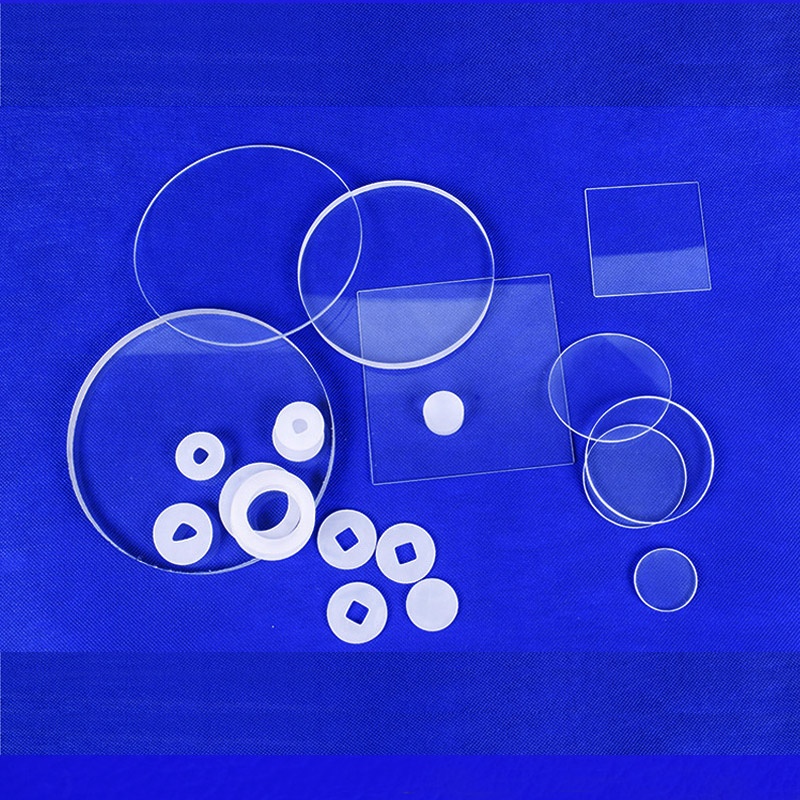
JGS1 High Purity Fused Quartz Glass Sheet
SiO2 ≥ 99.99%, Deep-UV transmissive (185–2500 nm), annealed stress-relief, ideal for high-power laser windows.
Source high laser damage threshold (LIDT) synthetic fused silica and thermal shock-resistant quartz components directly from our SGS onsite-assessed ISO-standard manufacturing facilities.
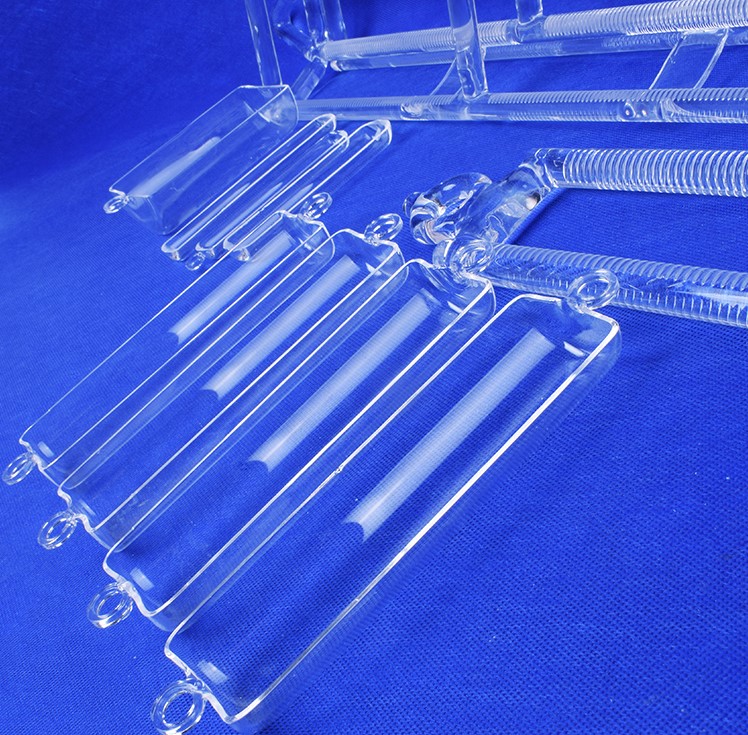
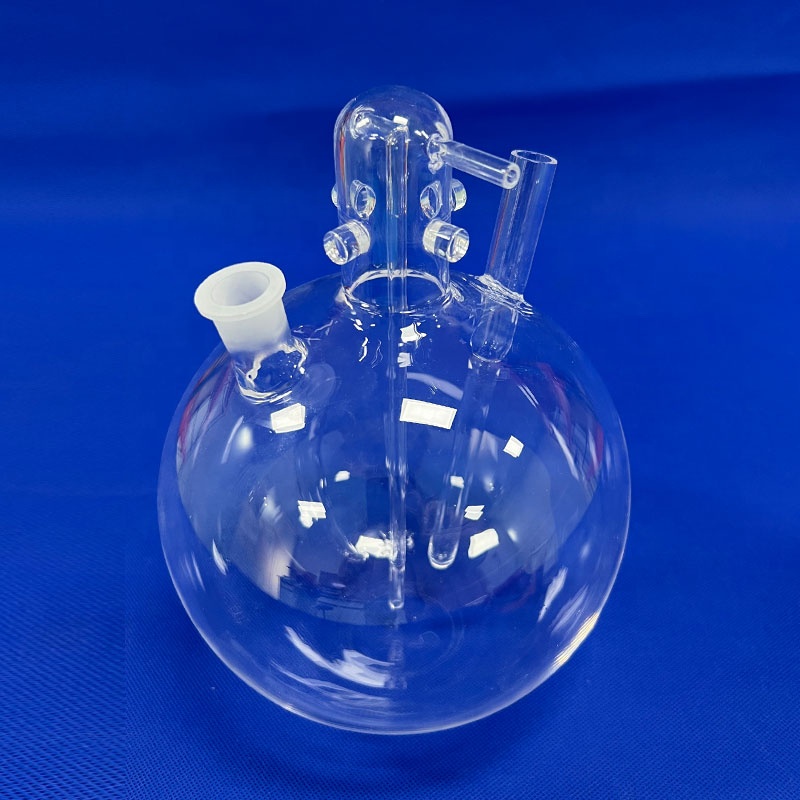
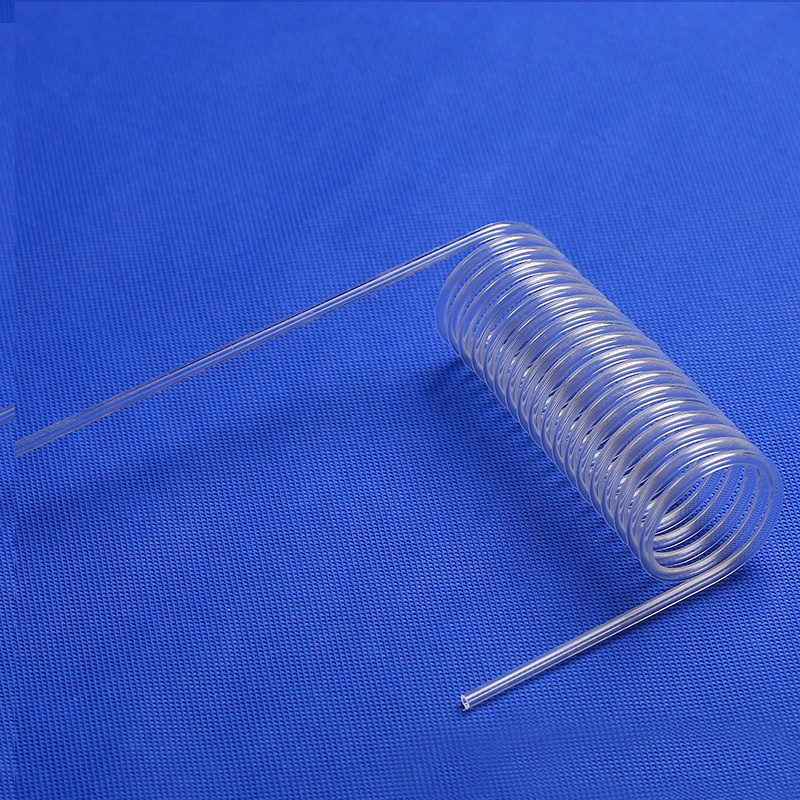
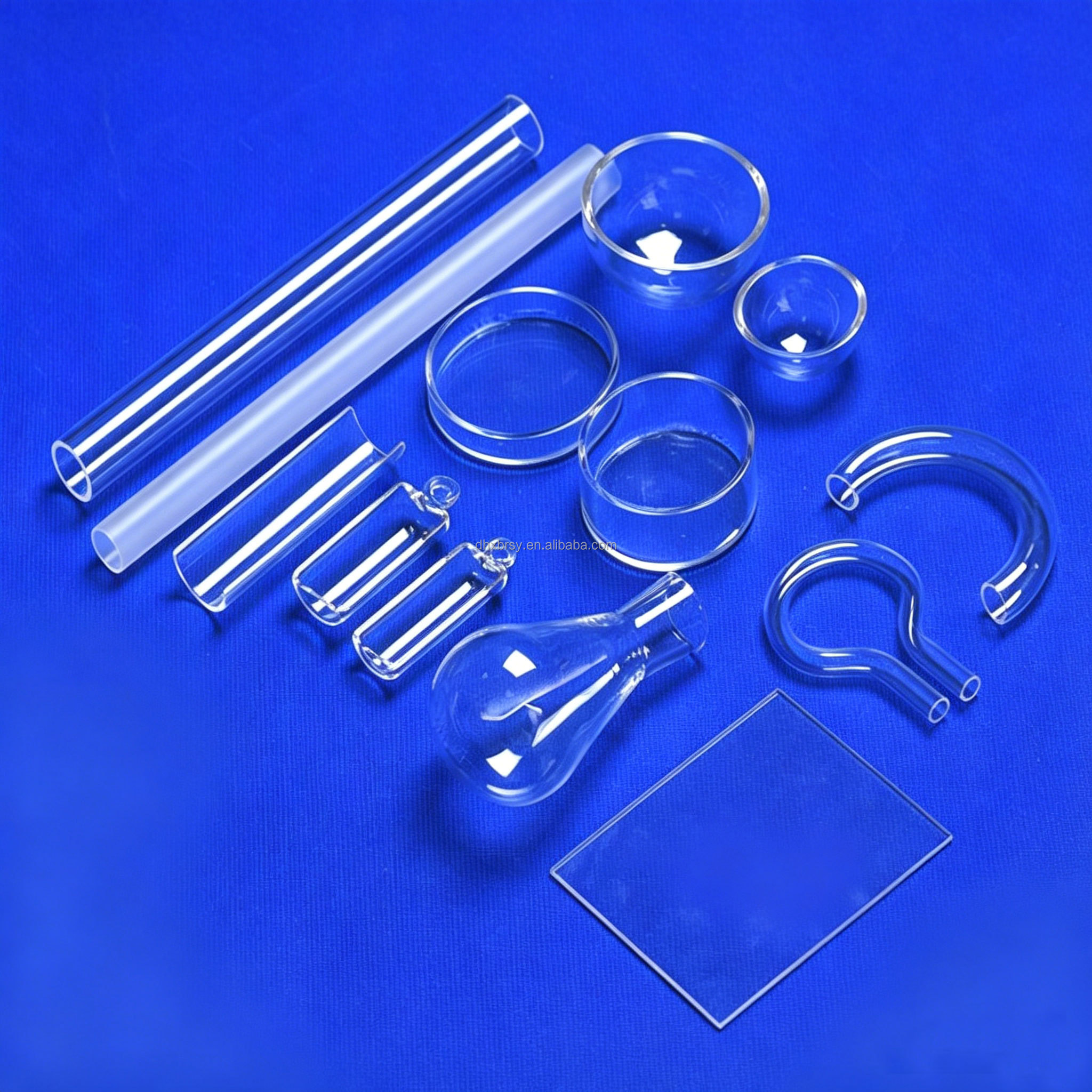
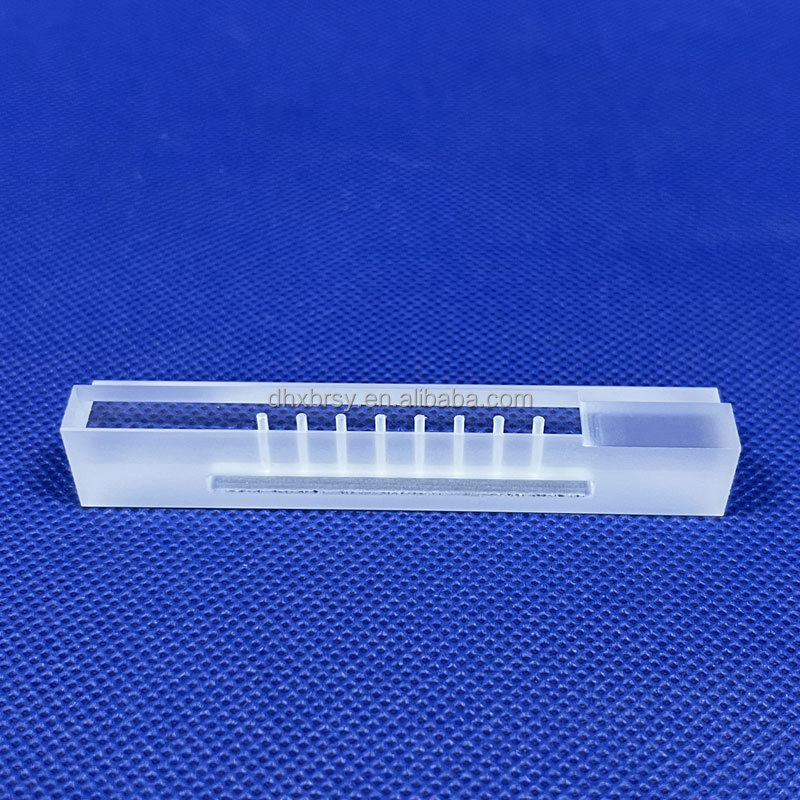
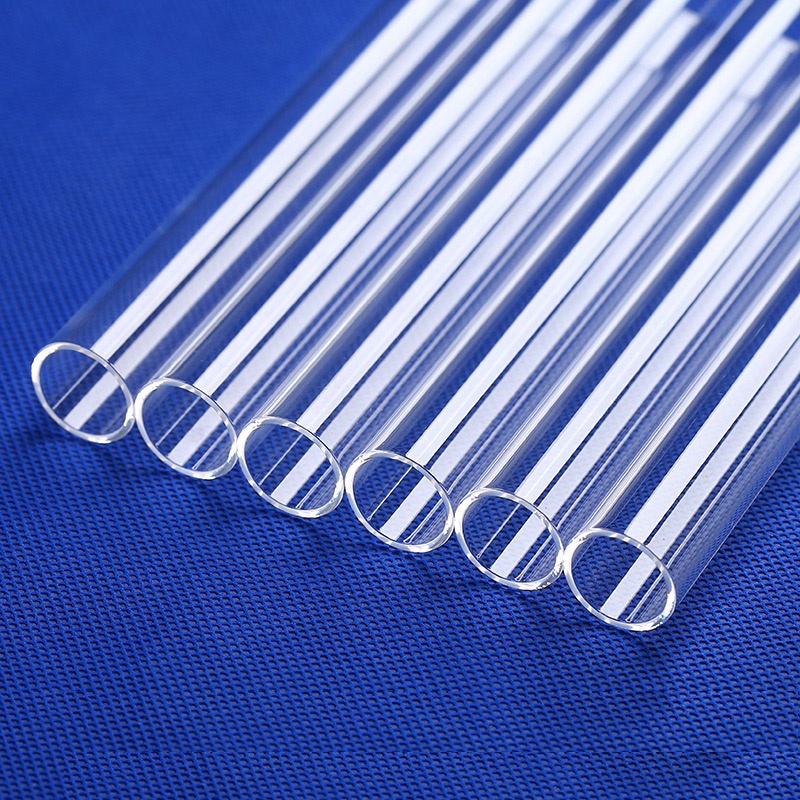
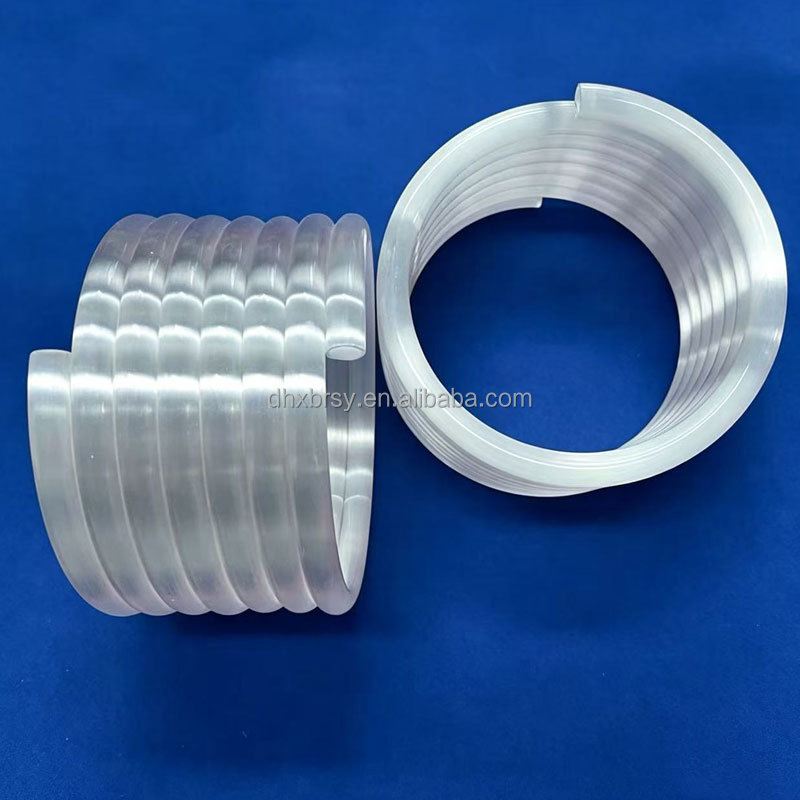
A technical examination of synthetic fused silica transmission dynamics, laser-induced damage thresholds (LIDT), and extreme environmental durability in Nordic subsea and manufacturing operations.
The Drammen industrial corridor—spanning from the maritime logistical hubs along Drammensfjord to the advanced mechatronics, subsea, and defense engineering centers extending toward Kongsberg—represents one of the most demanding operational environments in Northern Europe for optical engineering components. As industrial automation accelerates across Buskerud and greater Viken, multi-kilowatt fiber laser cutting, robotic cladding, laser metal deposition (LMD), and deep-sea photonics sensing have converged on an uncompromising requirement: ultra-pure optical protective quartz windows capable of enduring aggressive thermal cycles, high mechanical pressures, and intense optical fluences without chromatic aberration, thermal lensing, or catastrophic failure.
A quartz laser window serves as the critical sacrificial barrier between high-value optical focus assemblies and harsh processing atmospheres. Whether shielding a 20 kW collimation head from spatters during deep-penetration offshore steel welding at Drammen Havn or serving as a viewport for high-pressure subsea laser telemetry in the North Sea, window performance depends strictly on raw material chemical purity and crystal lattice homogeneity. Lovri Quartz delivers high-purity (≥99.99% SiO2) synthetic fused silica (JGS1) and flame-fused quartz (JGS2/JGS3) planar optics engineered specifically to solve localized procurement bottlenecks across the Drammen manufacturing ecosystem.
Our raw quartz undergoes extensive acid pickling and multi-stage vacuum melting, eliminating metallic impurities (Fe < 0.2 ppm) and minimizing internal absorption at 1030–1080 nm wavelengths to halt focal point shift under intense optical loads.
Residual stress inside quartz blanks causes irregular wave retardance and spontaneous thermal fracturing. Every finished laser window is annealed in programmable electric furnaces and verified on crossed-polarizer stress analyzers.
With an extremely low coefficient of thermal expansion (5.5 × 10⁻⁷ /°C), our fused silica optics endure sub-zero exterior temperatures transitioning instantly into multi-hundred-degree localized processing heat without risk of micro-fracturing.
Selecting the correct fused silica material grade directly dictates laser system uptime, optical throughput, and operating budgets for Norwegian engineering enterprises.
| Material Parameter / Property | JGS1 (Synthetic Fused Silica) | JGS2 (Optical Fused Quartz) | JGS3 (Electrically Fused Quartz) | Industrial Borosilicate Glass |
|---|---|---|---|---|
| SiO2 Purity | ≥ 99.999% (Synthetic SiCl4) | ≥ 99.99% (Natural Crystal) | ≥ 99.99% (Low OH Crystal) | ≈ 80% (Alkali doped) |
| Usable Spectral Range | 185 nm – 2500 nm (Deep-UV to NIR) | 220 nm – 2500 nm (Standard Optical) | 260 nm – 3500 nm (Extended IR) | 350 nm – 2000 nm |
| Hydroxyl (OH⁻) Content | < 5 ppm to > 1200 ppm (Grade specific) | ≈ 150 – 200 ppm | < 5 ppm (Zero IR absorption band) | N/A |
| Laser Damage Threshold (LIDT) | > 15 J/cm² (1064 nm, 10 ns, 20 Hz) | > 8 J/cm² (1064 nm, 10 ns) | > 6 J/cm² (1064 nm, 10 ns) | < 2 J/cm² (Rapid breakdown) |
| Thermal Expansion (0–300°C) | 5.5 × 10⁻⁷ K⁻¹ | 5.5 × 10⁻⁷ K⁻¹ | 5.5 × 10⁻⁷ K⁻¹ | 33 × 10⁻⁷ K⁻¹ (6x Higher!) |
| Surface Quality (Standard) | 10-5 Scratch-Dig / Ra ≤ 0.5 nm | 20-10 Scratch-Dig / Ra ≤ 0.8 nm | 40-20 Scratch-Dig / Ra ≤ 1.2 nm | 60-40 Scratch-Dig |
| Primary Drammen Applications | Fiber laser protective heads, UV lasers | Visual sight glasses, laser inspection | CO2 laser cutting (10.6 µm), IR heating | Low-cost machine viewports only |
Engineered to satisfy the exact technological constraints of Drammen's marine workshops, Kongsberg-linked photonics clusters, and Oslofjord clean-tech laboratories.
Offshore equipment specialists operating along Drammen's deep-water port utilize our pressure-tested JGS1 fused silica windows for subsea pipeline inspection crawlers and optical bathymetry sensors. The windows resist corrosive salt brine, withstand high hyperbaric hydrostatic pressures, and sustain zero optical clouding over multi-year continuous deployments.
Engineering shops retrofitting maritime propulsion systems, turbine components, and drilling drill-strings in the Drammen-Hokksund manufacturing zone deploy 10–20 kW fiber laser cladding heads. Lovri's double-side polished protective windows provide exceptional resistance to hot slag and spatter, saving expensive internal collimator optics from ablation.
Drammen's expanding healthcare and regional cosmetic clinic supply networks depend on specialized Nd:YAG, Alexandrite, and diode laser systems. We produce custom-dimensioned JGS1 quartz light guide blocks, IPL filters, and yellow-clear spiral flow tubes providing maximum transmittance at specific therapeutic wavelengths with zero biocompatibility degradation.
Norway's green energy initiatives have stimulated pilot battery cell assembly and hydrogen test centers throughout Viken. Our custom-flanged quartz reaction tubes and observation viewports withstand explosive reactive chemistries, aggressive hydrofluoric vapor derivatives, and thermal swings up to 1100°C during battery anode calcination and fuel cell diagnostics.
High-reliability photonics applications requiring ultra-low wavefront error (λ/10) and parallelism < 10 arcseconds find an exact match in our CNC-machined quartz substrates. These windows serve as durable exit ports for tactical telemetry, aerospace rangefinders, and extreme-vibration optical sighting instruments built across the region.
How the green transition, ultra-high-power kilowatt scaling, and arctic offshore automation are transforming quartz specification protocols in Norway through 2030.
1. Escalation Toward 30 kW+ Fiber Laser Implementations: The industrial sheet metal cutting and marine vessel refurbishment plants in Drammen are progressively transitioning from legacy 4–6 kW resonators to 15 kW, 20 kW, and 30 kW ultra-high-power fiber systems. At these extreme power densities, even single-digit parts-per-million chemical impurities or microscopic subsurface polish scratches cause localized beam absorption. This generates internal thermal gradients known as "thermal lensing," causing the focal spot to wander along the Z-axis and rendering cut tolerances erratic. As a result, Drammen engineering teams are phasing out standard commercial-grade quartz windows in favor of synthetic JGS1 substrates verified for extreme purity and certified bulk absorption below 3 ppm/cm at 1064 nm.
2. Tightening Carbon Neutrality & Component Longevity Standards: In accordance with Norwegian national environmental directives, manufacturing procurement teams in Drammen actively prioritize component lifespans over low-cost disposable consumables. A protective laser window that fails after 40 hours of cutting creates unacceptable downtime and waste. Lovri Quartz employs proprietary double-sided pitch polishing techniques that eliminate subsurface micro-fractures, yielding laser windows capable of running over 300 continuous production hours under harsh assist-gas pressures (up to 25 bar N2/O2) before requiring replacement.
3. Deep Integration with Autonomous Maritime & Subsea Systems: As Drammen cements its role as a key logistics corridor supporting the North Sea offshore energy industry, autonomous underwater vehicles (AUVs) and robotic inspection rigs demand ruggedized optical sensory viewports. Fused silica laser windows are replacing traditional sapphire and acrylic in optical communication transceivers due to quartz's zero-birefringence properties, superior deep-UV to NIR transmission, and cost efficiency in custom flanged dimensions.
Lovri Quartz operates a complete, closed-loop silica processing facility located in Lianyungang, China—controlling raw silica refining all the way to 5-axis CNC optical machining.
Independently verified onsite by SGS Group. Our factory houses high-capacity vacuum melting towers, continuous tube drawing rigs, multi-axis CNC milling centers, and ultra-clean annealing ovens.
Unlike secondary processors who buy random semi-finished quartz, we perform our own lump cutting, pulverizing, re-screening, and high-purity acid pickling to ensure certified 99.99% SiO2 purity from batch to batch.
Zero compromises on internal mechanical integrity. Every optical plate and window passes through crossed-polarizer stress analyzers to guarantee zero residual internal stress lines before final export wrapping.

Comprehensive physical inspection of facilities, operations, and metrology labs.

Legitimate production status certified by accredited international inspection teams.

Full conformance with European Union health, safety, and industrial directives.
Hazardous substances strictly eliminated; ideal for cleanroom and optical integration.
Clear, direct answers regarding custom drawings, export compliance, Norwegian customs processing, and cold-weather thermal shock parameters.
We routinely dispatch precision optical orders directly to Drammen, Oslo, and Kongsberg via air express (DHL/FedEx/TNT) for prototypes and urgently needed maintenance spares, with transit times averaging 4–6 business days. For volume manufacturing contracts, consolidated maritime shipments can be routed through Drammen Havn. We provide all commercial invoices, HS codes (Chapter 7002/7006), packing lists, and Certificates of Origin (COO) to ensure seamless clearance with Tollvesenet (Norwegian Customs) and local EORI-linked logistics agents.
Fused silica features an exceptionally low coefficient of thermal expansion (5.5 × 10⁻⁷ /°C), which is approximately six times lower than standard borosilicate glass. If a laser cutting head operates in an unheated Drammen warehouse at -15°C and suddenly ignites a 15 kW beam concentrating hundreds of degrees of localized optical heat, high-purity JGS1 fused silica expands almost imperceptibly. This near-zero expansion eliminates internal structural shear planes, fully preventing thermal-shock shattering.
Yes. Our CNC machining facilities operate 3-axis and 5-axis diamond tooling capable of manufacturing custom round, rectangular, beveled, stepped, or counter-sunk quartz windows directly from your CAD files (.STEP, .IGES, .DWG, or .PDF). We routinely produce custom mounting flanges, alignment notches, drilled gas-purge holes, and stepped edges with dimensional tolerances held down to ±0.02 mm.
To support prototyping, research initiatives at nearby universities, and equipment validation runs across the Buskerud technology corridor, we maintain an open MOQ starting from just 1 to 5 pieces for custom-dimensioned flat windows and CNC parts. Once design geometry and performance are validated, full volume manufacturing can scale into tens of thousands of units with established framework agreements.
Fragile optical goods shipped across international intermodal corridors are packed using multi-tier export packaging protocols. Individual windows are cleaned, inspected, sealed in vacuum anti-static lint-free optical pouches, nested inside impact-absorbing high-density custom die-cut EPE foam trays, and boxed into reinforced shock-resistant cartons or export-grade fumigated wooden crates engineered to survive severe transport vibration.
Every shipment is delivered with comprehensive QA documentation, including Raw Material Chemical Purity Reports (ICP-MS testing confirming ≥99.99% SiO2), Annealing Polarization Stress Inspection Certificates, Dimensional Inspection Reports, and RoHS Compliance Declarations. Spectrophotometer spectral transmission curves (UV-Vis-NIR) and Zygo interferometric surface flatness test reports are also provided upon request.
Connect directly with our senior quartz application engineering team. Share your dimensional drawings, required optical grade (JGS1/JGS2/JGS3), laser wavelength, and operating conditions for an expedited design-for-manufacturing review and competitive factory-direct quote.