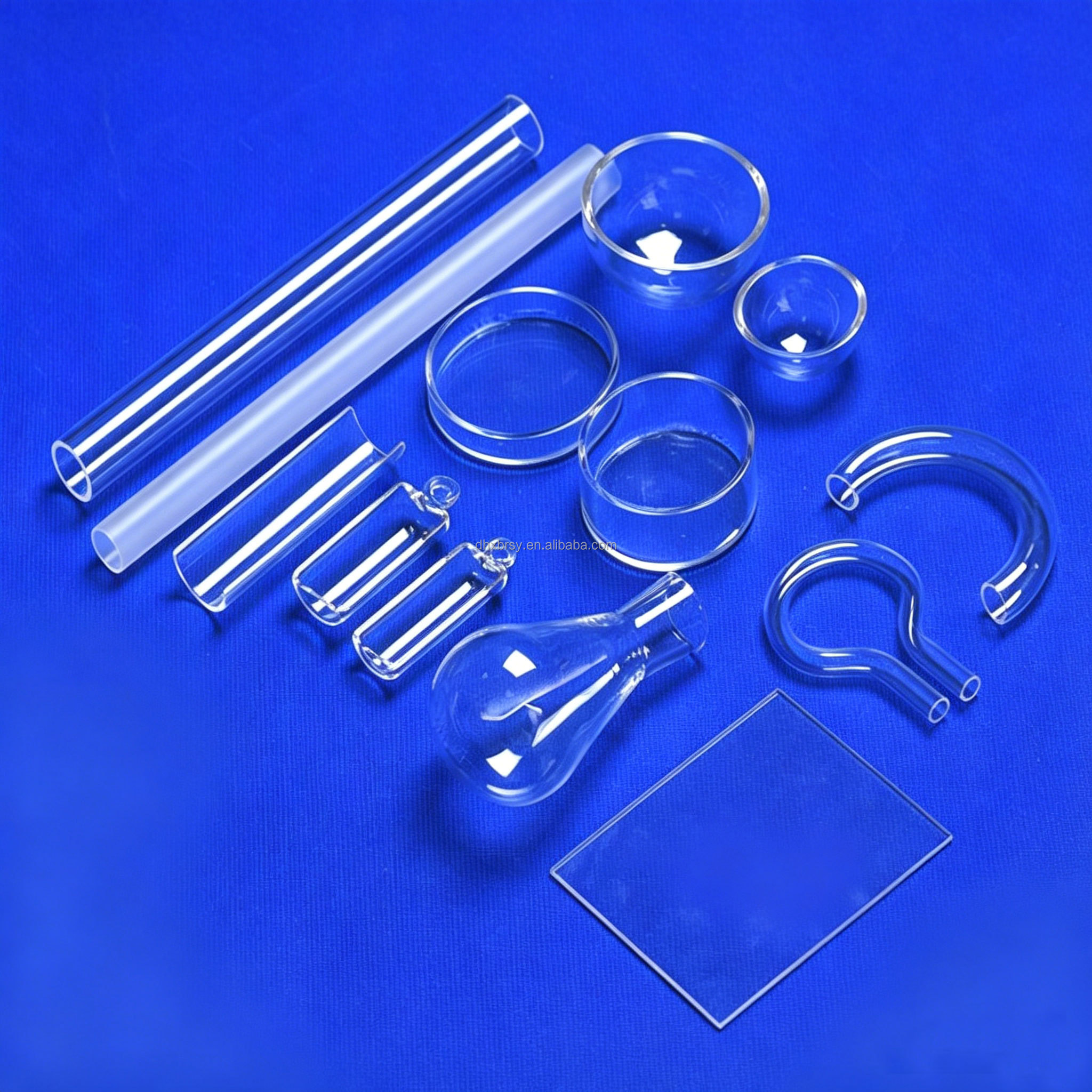
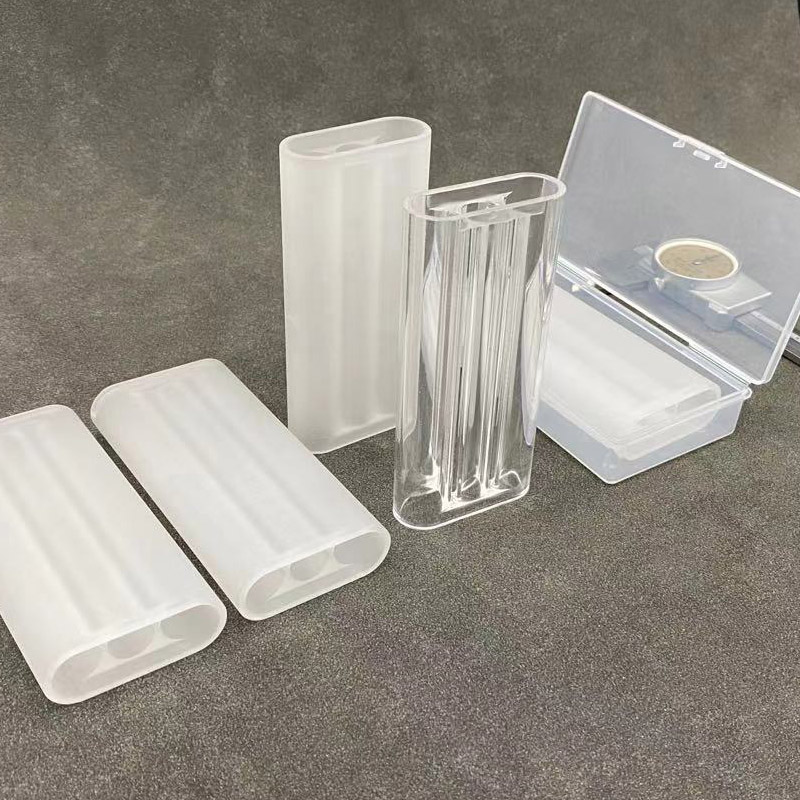
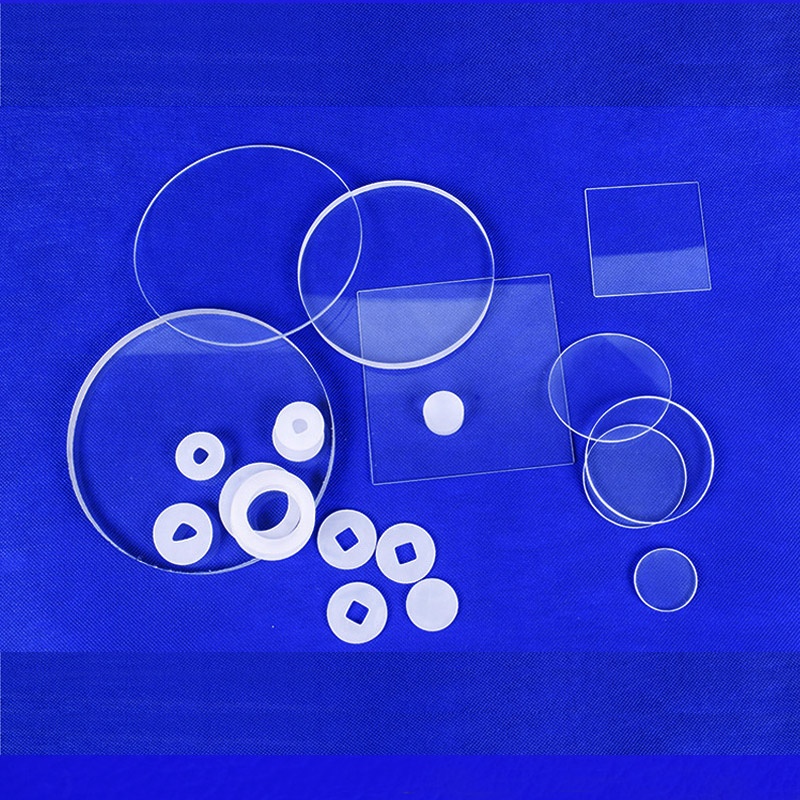
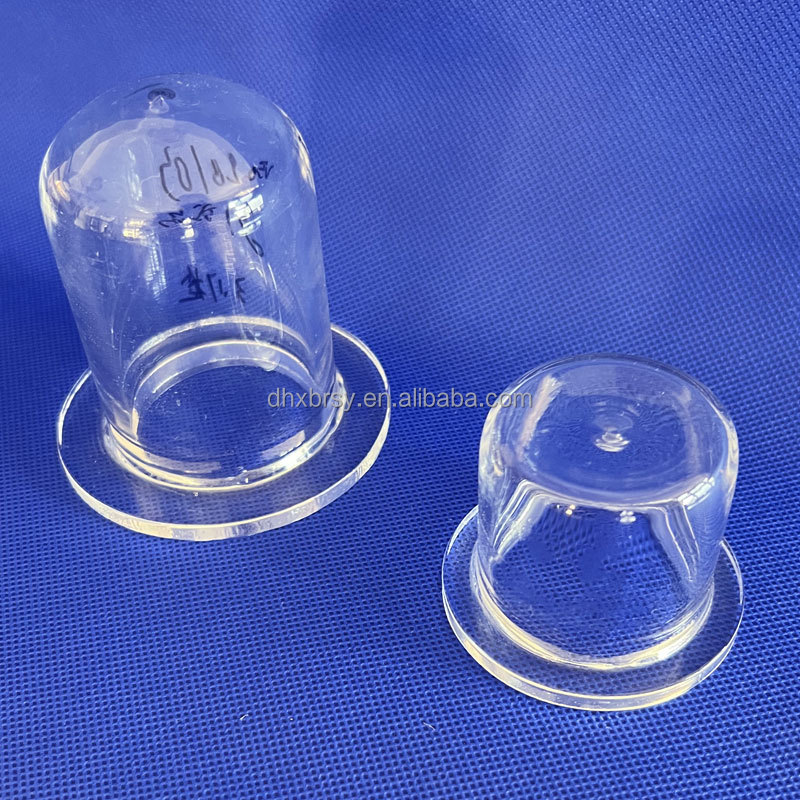
Precision-Machined Quartz & Fused Silica Components
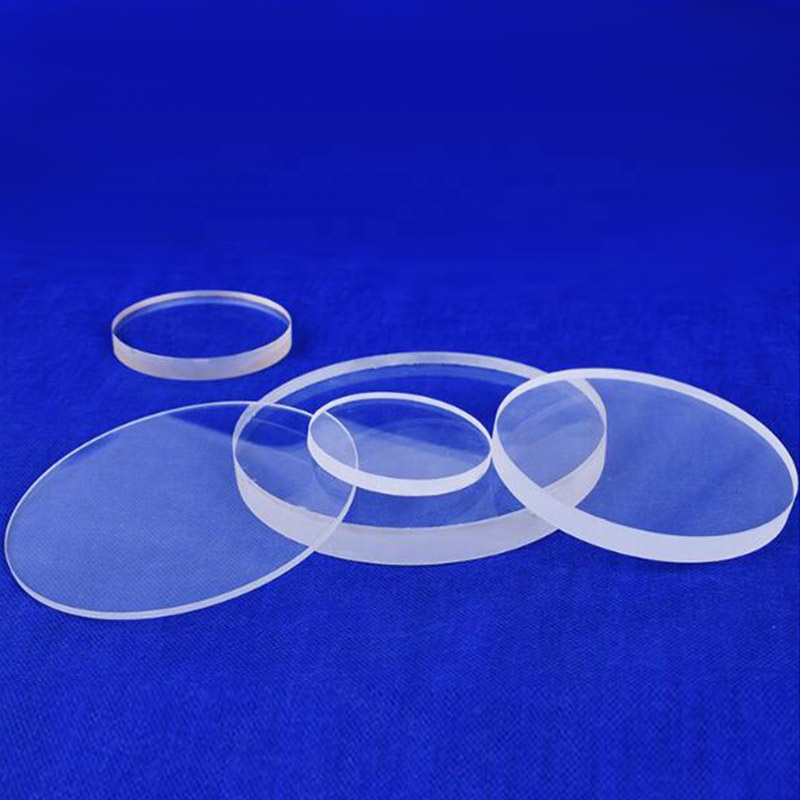
Direct from our 14,271 m² precision optical processing facility to Vancouver engineering labs, testing incubators, and OEM production runs. Fully certified with tight tolerances up to ±0.005 mm.
14,271 m²
SGS-Audited Manufacturing Base
≥ 99.99%
Ultra-High Purity SiO₂ Matrix
1,100 °C
Continuous Thermal Resilience
1 Piece
Rapid Prototyping MOQ
Enterprise Advantages: Why Cascadia OEMs Source From Lovri
Operating as an end-to-end source factory, Lovri Quartz controls the value chain from raw quartz sand pulverization to optical-grade single-point diamond turning (SPDT) and CNC multi-axis milling.
Vertical Upstream Purity Control
Unlike secondary optical converters, our direct integration includes raw mineral pulverizing, ultrasonic 4-stage acid pickling, and cleanroom vacuum fusing. This guarantees our fused silica substrates achieve trace transition metal contamination under 0.1 ppm, preventing laser-induced breakdown threshold (LIDT) failure.
Dual-Facility Stress Relief Annealing
Every synthetic quartz blank and shaped plano-convex, double-convex, or meniscus lens undergoes proprietary multi-stage annealing cycles (1,215 °C soaking). Verified through polarization stress testing, our residual internal stress birefringence is held strictly below 5 nm/cm to ensure beam consistency.
Pacific Rim Logistics & Zero Customs Friction
Positioned along principal trans-Pacific trade lanes connecting Shanghai/Ningbo directly to the Port of Vancouver (Roberts Bank/DP World) and YVR Air Cargo. We handle all export packaging in double-boxed, desiccated custom foam fixtures, providing frictionless CIF/DDP delivery directly to Metro Vancouver tech parks.
Engineering Quartz Lens Geometries for the Metro Vancouver High-Tech Hub
The Greater Vancouver metropolitan area—encompassing Vancouver, Burnaby, Richmond, Surrey, and the North Shore—has consolidated its standing as the northern apex of the Cascadia Innovation Corridor. From university research spin-offs originating at the University of British Columbia (UBC) and Simon Fraser University (SFU) to established photonic instrumentation makers, the regional demand for high-performance optical quartz lenses has shifted rapidly from standard commercial stock glass to extreme-specification custom geometries.
1. Deep Ultraviolet (DUV) and Vacuum Ultraviolet (VUV) Spectroscopy
Vancouver’s vibrant analytical chemistry, oceanic biosensors, and life sciences clusters (such as laboratory hubs in False Creek Flats and Mount Pleasant) frequently engineer fluorescence detection, chromatographic flow cells, and germicidal sterilization hardware. Standard crown or borosilicate glasses undergo irreversible optical darkening—known as solarization—when exposed to electromagnetic wavelengths shorter than 300 nm due to intrinsic ferric impurity centers.
Lovri Quartz supplies synthetic high-purity fused silica lenses (JGS1 class, transparent down to 185 nm) with near-zero bubble classification (DIN ISO 10110 Class 0). Our synthetic silica maintains exceptional internal transmittance (> 90% at 193 nm ArF excimer wavelengths), making it the primary material for Vancouver’s bio-analytical spectrometers, flow-through cuvette windows, and DNA sequencing optical engines.
2. Quantum Computing and Integrated Nanophotonics Infrastructure
British Columbia is globally recognized for pioneering commercial quantum computing architectures, superconducting qubit processing, and silicon photonics packaging. These advanced installations require non-magnetic, ultra-low thermal expansion optical feedthroughs, laser collimation lenses, and fiber array V-groove fixtures. When optical setups operate under cryo-vacuum environments (liquid helium levels near 4 Kelvin), differential thermal expansion can instantly shatter brittle materials.
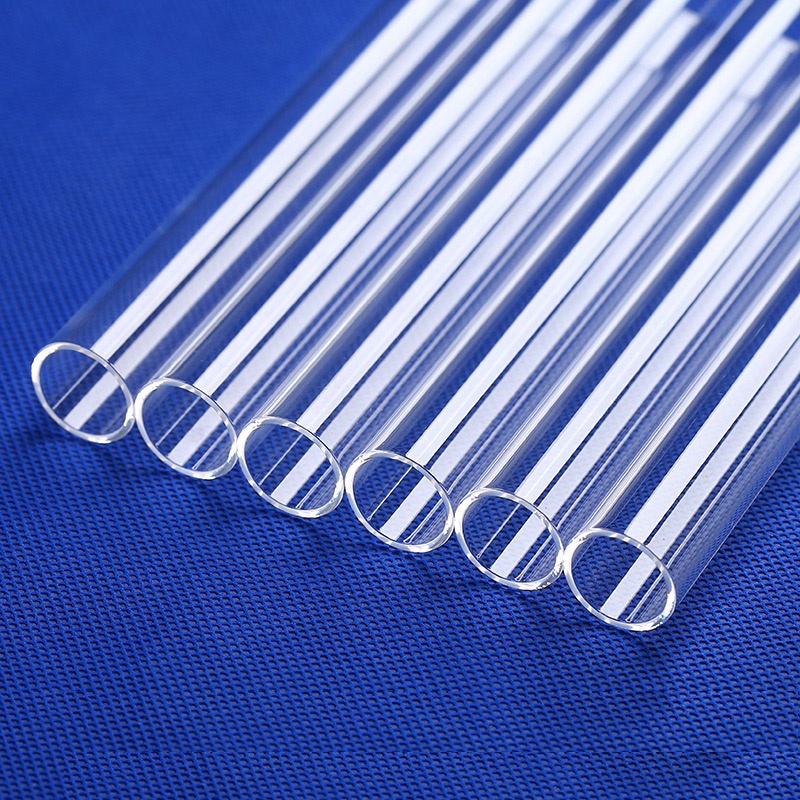
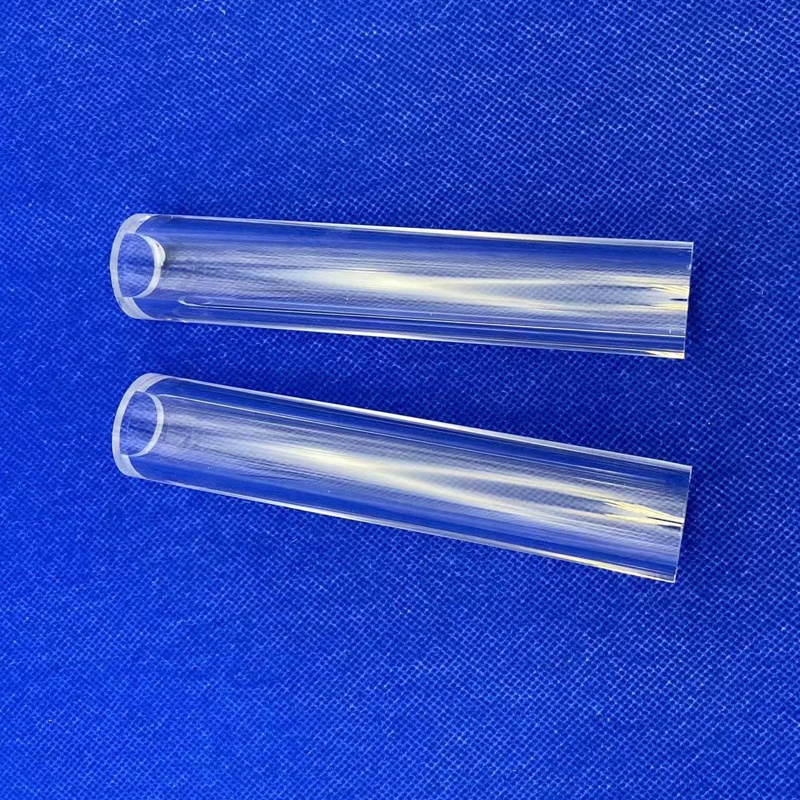
With an extraordinarily low thermal expansion coefficient of 5.5 × 10⁻⁷ /°C across the -50 °C to +300 °C band, our quartz lenses demonstrate unmatched thermal-shock immunity. Lovri provides Vancouver quantum hardware innovators with micro-machined quartz lenses, cylindrical focus blocks, and laser-cavity capillary flow tubes featuring surface flatness down to λ/10 and scratch-dig specifications of 20-10, verified via Zygo phase-shifting interferometers.
3. CleanTech, Photovoltaic Sintering & Carbon-Capture Laser Sensors
Vancouver is the focal point of Canada's CleanTech renaissance, with significant investments directed toward hydrogen fuel cell testing, high-efficiency tandem photovoltaic manufacturing, and industrial carbon capture monitoring systems in Burnaby and Delta. These harsh, high-temperature gas processing cells demand optical access viewports, pyrometric lenses, and infrared sight glasses that resist severe thermal cycling, pressurized steam, and acidic exhaust gas streams.
Electrically fused quartz (JGS3 grade) provides structural stability up to continuous working temperatures of 1,100 °C while extending optical transmission past 3,500 nm into the Mid-Wave Infrared (MWIR) spectrum. This transmission window enables precise optical absorption pyrometry and infrared monitoring across industrial combustion and sintering furnaces without window degradation.
Comparative Physical & Optical Characteristics: Fused Silica vs. Alternative Optical Glasses
| Physical / Optical Parameter | Lovri JGS1 (Synthetic Silica) | Lovri JGS2 (Flame Fused) | Lovri JGS3 (Electrically Fused) | Standard Borosilicate (BK7) |
|---|---|---|---|---|
| Transmission Range (T > 80%) | 185 nm – 2,500 nm | 220 nm – 2,500 nm | 260 nm – 3,500 nm | 350 nm – 2,000 nm |
| OH Content (Hydroxyl) | < 5 ppm (Low OH available) | 150 – 200 ppm | < 10 ppm (Water-free IR) | N/A (Complex Oxide) |
| Thermal Expansion (20–300 °C) | 5.5 × 10⁻⁷ K⁻¹ | 5.5 × 10⁻⁷ K⁻¹ | 5.4 × 10⁻⁷ K⁻¹ | 71 × 10⁻⁷ K⁻¹ |
| Maximum Continuous Temperature | 1,100 °C | 1,100 °C | 1,150 °C | 450 °C |
| Refractive Index (nd @ 587.6 nm) | 1.4585 | 1.4584 | 1.4585 | 1.5168 |
| Laser Damage Threshold (1064nm, 10ns) | > 15 J/cm² | > 10 J/cm² | > 8 J/cm² | < 5 J/cm² |
4. Cleanroom CNC Custom Machining & Edge Finishing
Every optics engineer understands that a lens is only as dependable as its edge mounting and surface figure. Lovri Quartz employs dedicated high-speed ultrasonic 5-axis CNC machining centers alongside precision double-sided planetary lapping tools. Our machining capabilities for British Columbia optics purchasers include:
- Plano-Convex & Bi-Convex Optical Lenses: Spherically ground and pitch-polished to surface figures < λ/4, focal length tolerances down to ±1%, and clear apertures > 90%.
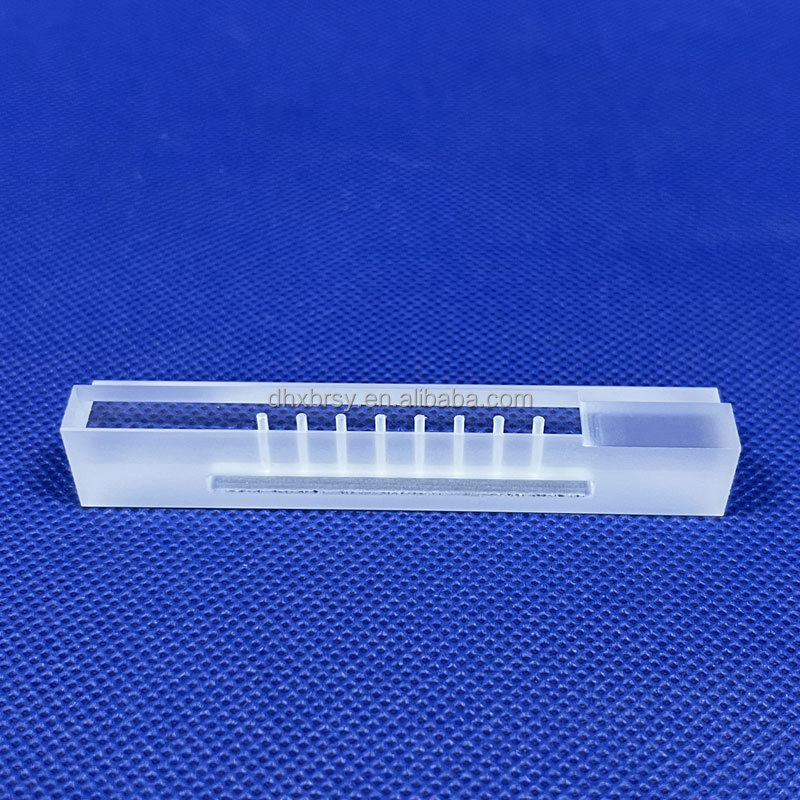
- Precision Micro-Drilled Quartz Orifices: High-aspect-ratio holes (diameters from 0.3 mm) for laser nozzle tips, mass spectrometry inlets, and microfluidic integration.
- Step-Beveled & Metalized Edges: Anti-reflective (AR) multi-layer optical coatings optimized for 266 nm, 355 nm, 532 nm, or 1064 nm, with optional titanium/gold edge metallization for hermetic furnace brazing.
Localized Industry Trends Shaping Quartz Sourcing in Metro Vancouver
A closer look at how local industrial evolution across British Columbia dictates quartz optics procurement, rapid turnaround parameters, and material compliance.
Accelerated Hardware Iteration Cycles
Vancouver’s venture-backed deep-tech startups prioritize speed-to-market. Rather than waiting 16–20 weeks for legacy North American catalog vendors to clear custom batches, local engineers require prototype-to-test turnarounds in under 15 working days. Lovri maintains continuous raw ingot stocks to support 3-day CAD-to-prototype CNC cutting.
Supply Chain Resiliency & Direct Sourcing
Local industrial distributors in Western Canada often add markups exceeding 200–300% on imported quartz windows and lenses. Vancouver procurement directors are aggressively pruning third-party broker layers, establishing direct OEM engineering relationships with certified manufacturing sources that provide SGS-verified QA reports.
Stringent Canadian RoHS & Environmental Compliance
British Columbia enforce strict standards on hazardous substances and worker safety in industrial applications. Lovri supplies comprehensive RoHS and CE compliance declarations with every lot, verifying zero lead, cadmium, or hazardous plasticizers in our synthetic fused quartz matrices.
Frequently Asked Questions: Quartz Lens Procurement for Vancouver Buyers
Direct technical answers addressing lead times, shipping logistics, Canadian customs documentation, and quality validation.
How fast can custom-machined quartz lenses be delivered to Metro Vancouver facilities?
For standard plano, spherical, or cylindrical blank lenses using available JGS1/JGS2 stock, rapid prototypes ship within 5 to 7 working days. Express international air freight directly into Vancouver International Airport (YVR) typically clears customs via DHL/FedEx Express in 3 to 4 business days. For bulk production orders, oceanic freight to Port of Vancouver (Roberts Bank or Burrard Inlet) takes approximately 18 to 22 transit days.
How do you resolve customs clearance, Canadian GST/PST, and brokerage documentation?
We provide comprehensive commercial invoices, packaging lists with exact Canadian Customs Tariff (HS Code 7002.31 for quartz tubing / 9001.90 for optical elements), and certificates of origin. We can ship on CIF Vancouver terms or DDP (Delivered Duty Paid), collaborating directly with your domestic customs broker (such as Livingston International, Cole International, or FedEx Trade Networks) to guarantee seamless clearance into British Columbia without unexpected border holds.
Should our laboratory specify JGS1, JGS2, or JGS3 quartz for our laser and optical setup?
Selection depends directly on operating wavelength and power density. Specify JGS1 (Synthetic Fused Silica) if your device utilizes ultraviolet light below 260 nm (e.g., 193 nm, 248 nm, 266 nm laser harmonics) or demands ultra-low bubble and high fluorescence resistance. Specify JGS2 for general sight windows, UV curing lamps, and standard visible-band lasers (350 nm – 1,100 nm). Choose JGS3 (Electrically Fused Silica) for infrared analytical systems or heating sensors up to 3,500 nm, as it eliminates the deep OH-absorption band present at 2,730 nm.
What quality documentation and testing reports are included with precision optics shipments?
Every shipment leaving our factory is inspected in-house and accompanied by: (1) Dimensional inspection reports recorded via optical coordinate measuring machines (CMM); (2) Polarization stress examination certificates confirming annealed internal stress < 5 nm/cm; (3) Spectrophotometer transmission curve scans upon request; and (4) RoHS and SGS onsite factory audit verification sheets.
How do you guarantee that fragile quartz lenses and thin components survive trans-Pacific transit?
We follow strict export packaging standards. Optical lenses and delicate substrates are vacuum-sealed in dust-free PET trays or optical lens tissue, sealed inside shock-absorbing polyethylene foam enclosures, and loaded into multi-layer reinforced corrugated master boxes or heat-treated export wooden crates. Our transit damage rate over the past 5 operating years stands at less than 0.08%.
Can you machine lenses and specialized quartz carriers directly from proprietary 3D CAD files?
Yes. Our engineering department operates with native STEP, IGES, DWG, DXF, and PDF technical drawings. Our optical toolmakers analyze your file for Design for Manufacturability (DFM), verifying radius-of-curvature feasibility, tool clearance for internal steps or notches, and chamfer specifications to avoid stress concentrators.
Ready to Fabricate Your Optical Quartz Components?
Submit your lens dimensions, technical PDF/CAD drawing, or target optical specifications. Our application engineering team will review your parameters and provide an itemized DFM analysis and quotation within 24 hours.