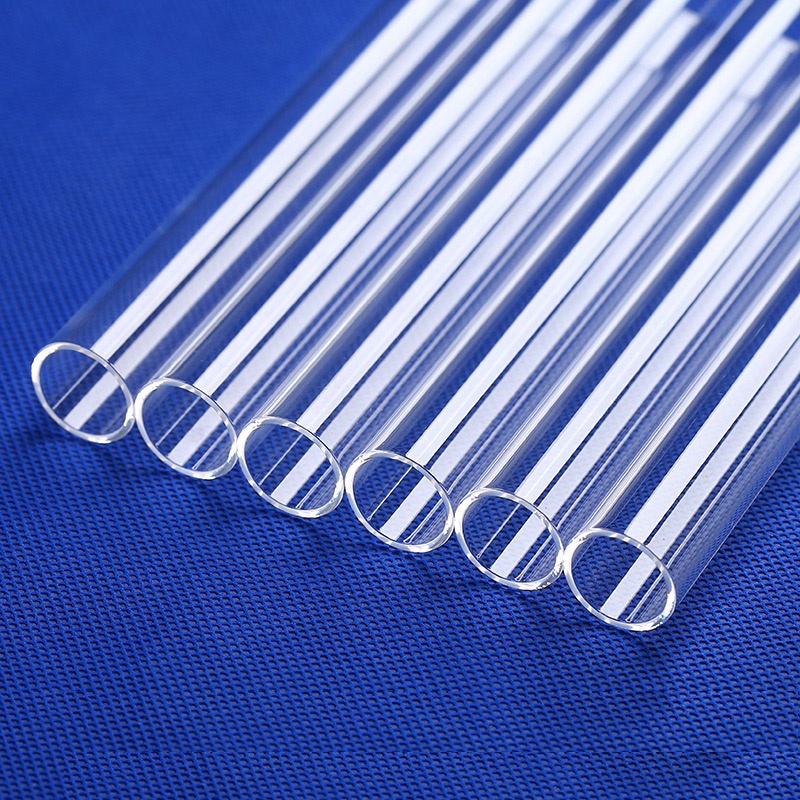
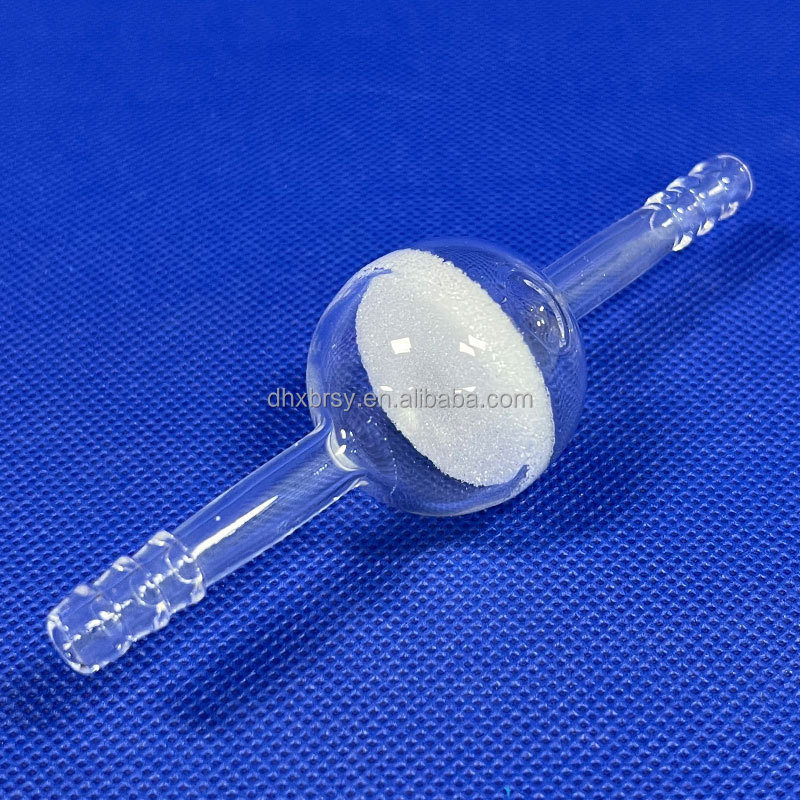
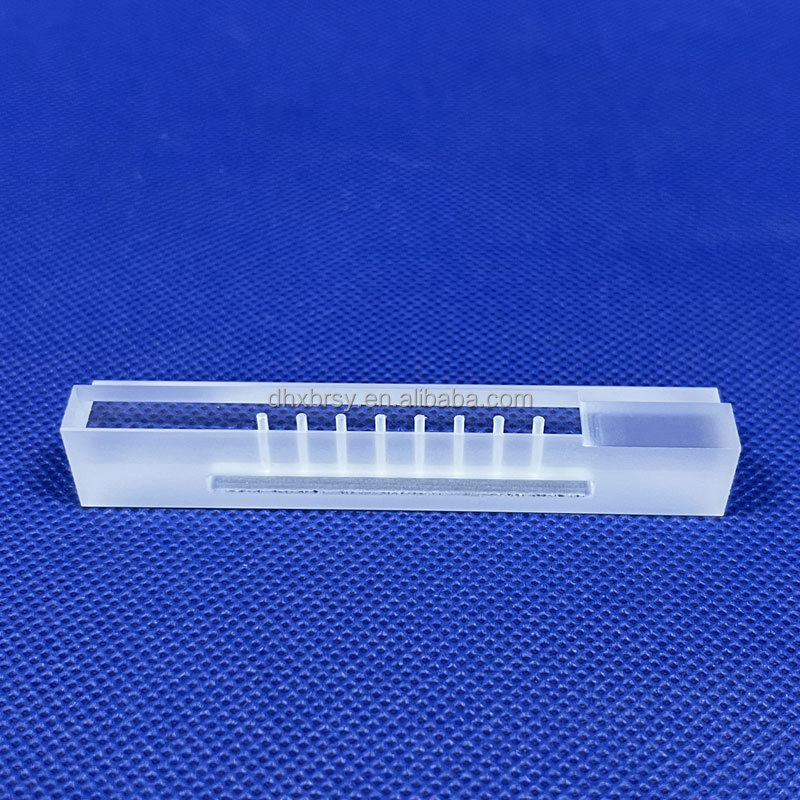
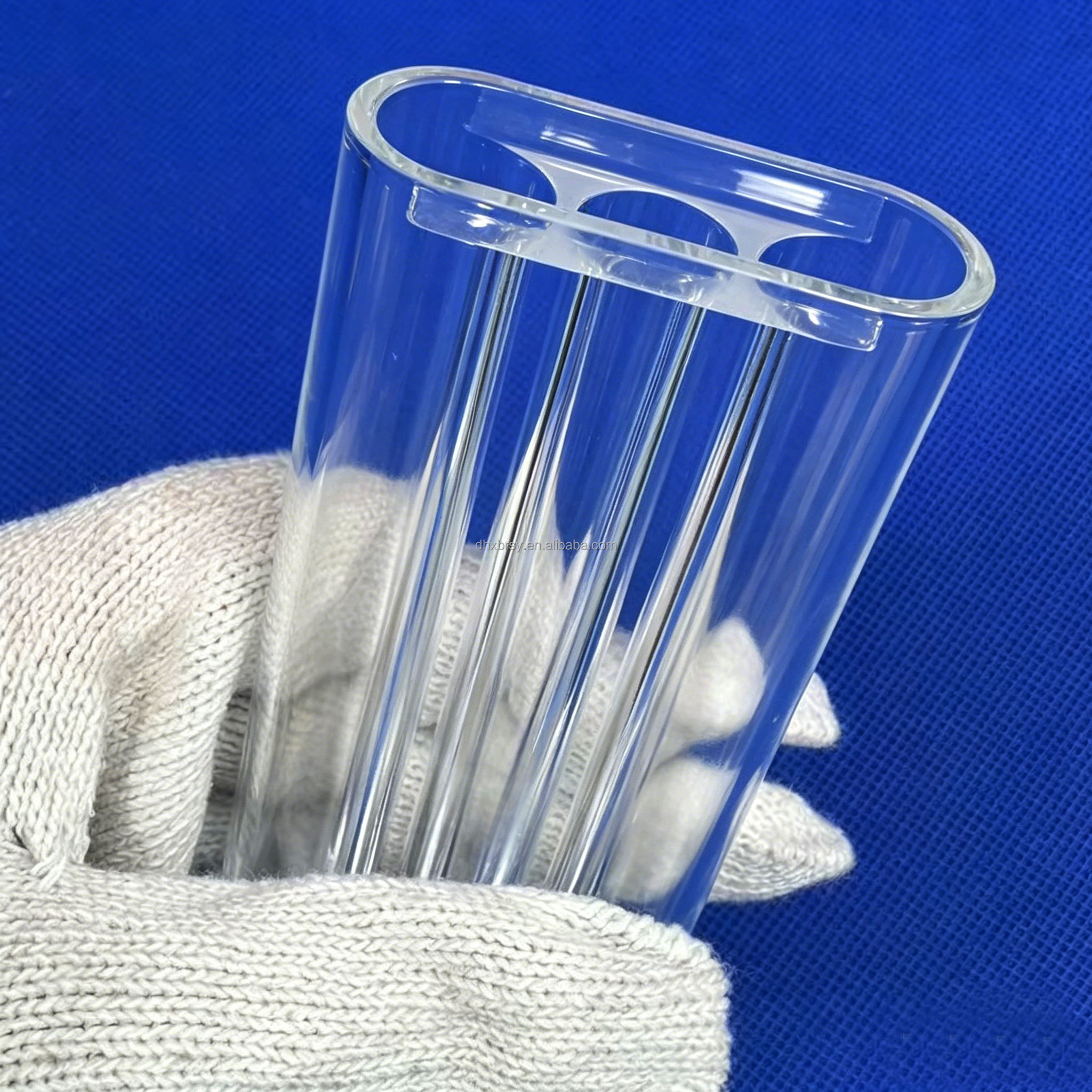
Precision-Engineered Optical Quartz Product Series
Direct export configurations compliant with international semiconductor, optoelectronic, and laser fabrication tolerances.
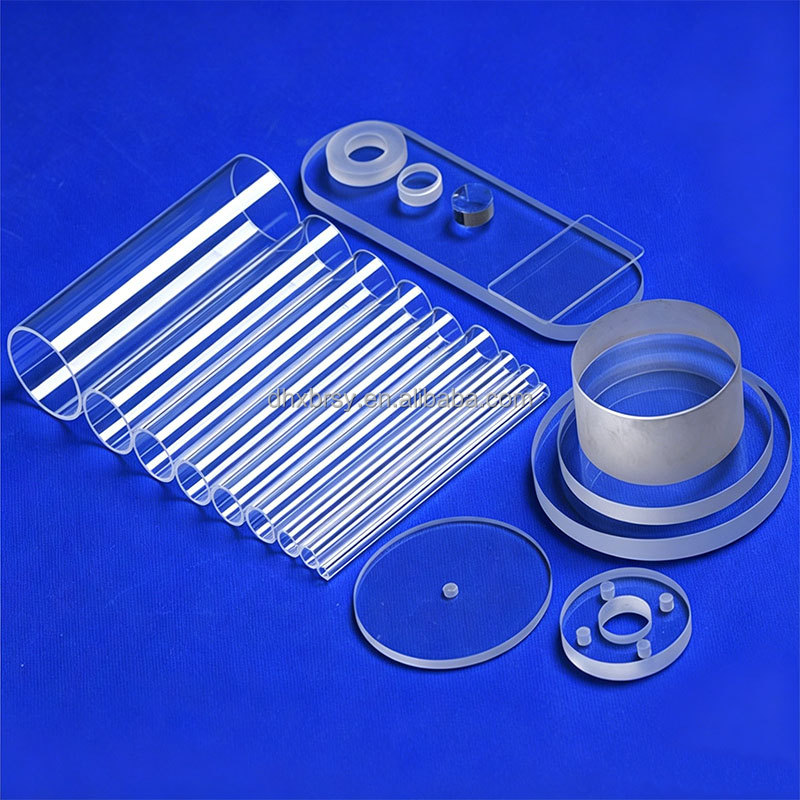
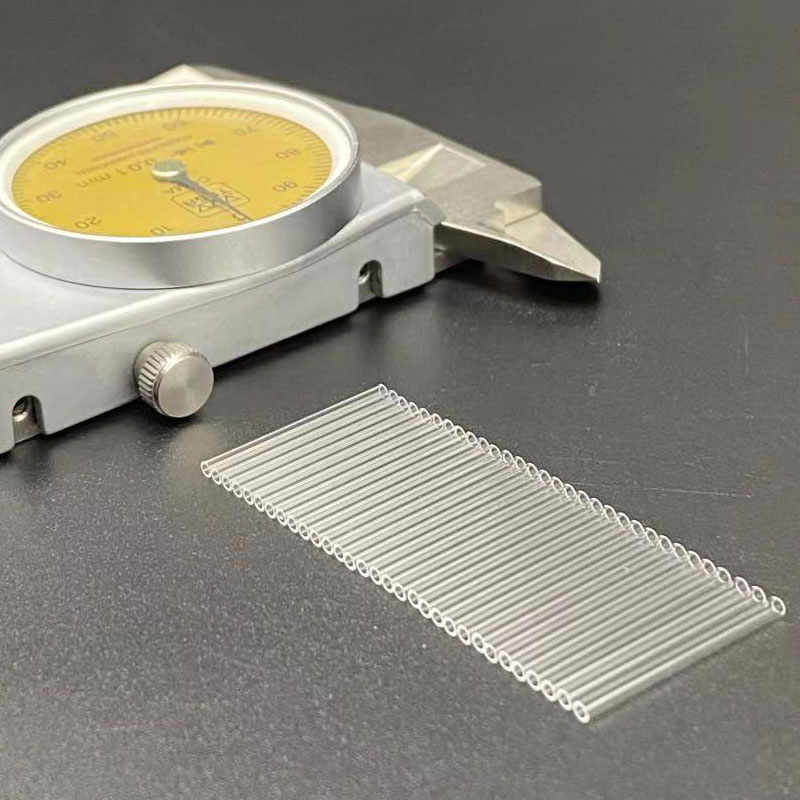
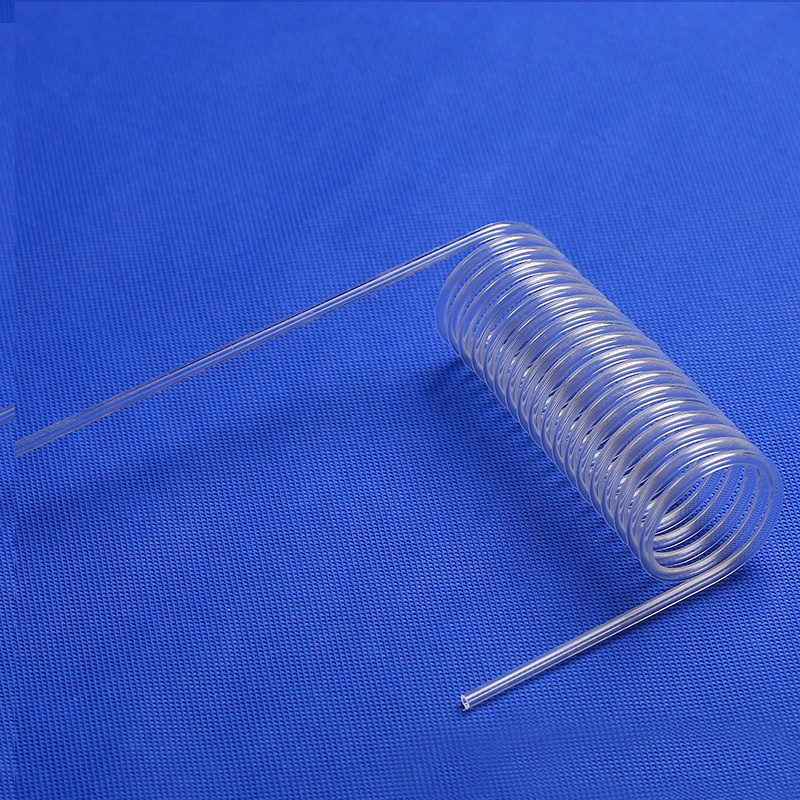
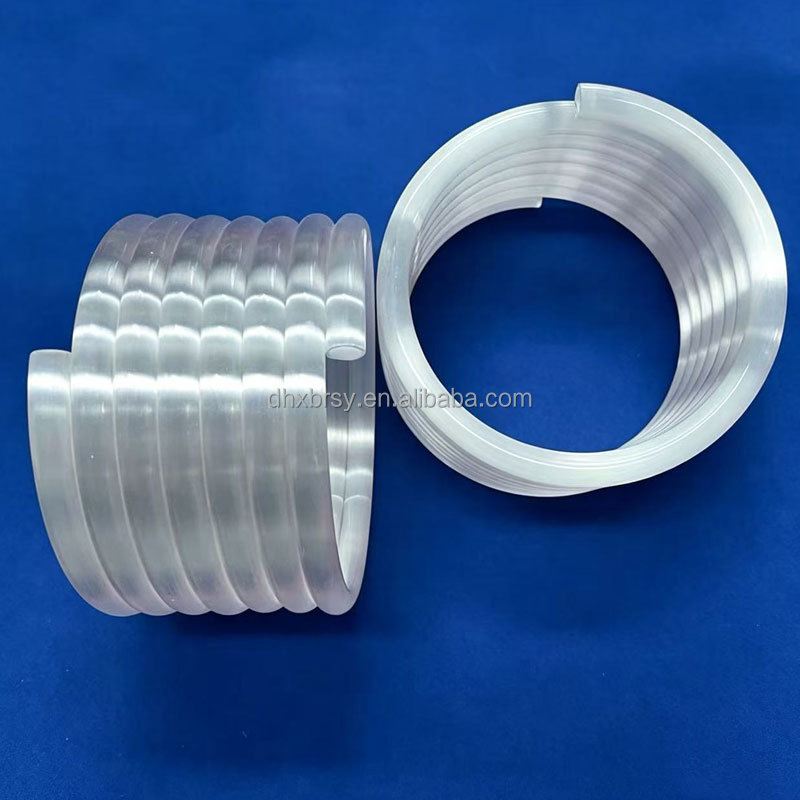
Strategic Supply Dynamics: Quartz Optical Plates in the Seoul Capital Area (SCA)
The Seoul Capital Area—encompassing Seoul proper, Gyeonggi Province, and Incheon—represents the most concentrated advanced semiconductor, microelectronics, and flat panel display cluster in the global economy. From the micro-machining labs of Pangyo Techno Valley to the mega-scale fabrication plants operating throughout Giheung, Hwaseong, and Pyeongtaek, the requirement for high-homogeneity, low-bubble, synthetic fused silica and flame-fused quartz optical plates has surged exponentially.
As South Korean manufacturers accelerate commercial deployment of next-generation gate-all-around (GAA) logic architectures, extreme 3D NAND vertical scaling exceeding 300 layers, and micro-OLED / QD-OLED display panels, standard commercial glass and lower-grade borosilicate substrates have proven fundamentally inadequate. Modern processing environments expose optical elements to severe conditions: corrosive halogen plasma chemistries (such as NF3, CF4, and Cl2), intense deep ultraviolet (DUV) excimer laser radiation at 193 nm and 248 nm, and sustained thermal cycling exceeding 1000°C.
Technical Consensus for Korean Fab Procurement: Fused quartz substrates utilized in optical viewports, wafer-handling end effectors, and laser beam delivery trains must exhibit less than 15 ppm total metallic trace contamination, negligible thermal expansion (5.5 × 10⁻⁷ /°C), and zero bubble inclusions within critical aperture zones under DIN ISO 10110 standards.
Material Classification & Optical Transmittance Spectra
To ensure precision when sourcing optical quartz plates from overseas manufacturers, procurement teams across Seoul typically specify their material inputs according to optical transmission windows and synthetic synthesis methods. Lovri Quartz manufactures and machines optical plates across three foundational fused silica grades:
| Quartz Grade | Manufacturing Synthesis Route | Spectral Range | Hydroxyl (OH⁻) Content | Primary Industrial Application in Korea |
|---|---|---|---|---|
| JGS1 (Synthetic Fused Silica) | Chemical vapor deposition using high-purity silicon tetrachloride (SiCl4) | 185 nm – 2500 nm (Deep UV to Near IR) | Typically > 800–1200 ppm | DUV photolithography windows, laser mirrors, excimer laser optics, flow cytometry microplates |
| JGS2 (Optical Grade Fused Quartz) | Oxy-hydrogen flame fusion of purified natural quartz crystal sand | 220 nm – 2500 nm (UV to Near IR) | Typically 150–200 ppm | Semiconductor furnace observation windows, UV curing sight glasses, chemical reactor sight plates |
| JGS3 (Infrared Optical Fused Silica) | Electric vacuum fusion of selected high-purity natural silica | 260 nm – 3500 nm (Visible to Far IR) | Typically < 5–10 ppm (Water-free) | Infrared thermography viewports, pyrometer windows, FTIR spectroscopy, CO2 laser guidance plates |
JGS1 synthetic fused silica represents the benchmark material for South Korea's optical inspection equipment manufacturers based in Gyeonggi-do. Its total absence of metallic inclusions eliminates absorption bands across the critical ultraviolet spectrum, permitting superior transmission exceeding 90% at 193 nm (ArF excimer laser line). Conversely, JGS3 offers exceptional mid-wave infrared transmission due to its vacuum-degassed, virtually anhydrous structure, eliminating the intense 2.73 µm absorption dip characteristic of water-rich synthetic silicas.
Core Engineering Applications Across Greater Seoul
How leading South Korean technology sectors integrate high-precision fused quartz optical plates into their mission-critical workflows.
Semiconductor Photolithography & Plasma Etch
In high-density wafer processing hubs throughout Suwon, Giheung, and Pyeongtaek, optical quartz plates serve as critical structural and optical elements within dry etch and chemical vapor deposition chambers.
- Plasma observation viewports resistant to fluorinated radical etching
- Dielectric quartz showerheads and RF windows maintaining optical flatness
- Reticle substrates with thermal distortion coefficients under 0.5 ppm/K
OLED & Micro-LED Laser Lift-Off (LLO)
South Korea dominates flexible and foldable display manufacturing. Laser Lift-Off (LLO) and Excimer Laser Annealing (ELA) systems require robust beam delivery optical windows to withstand high-energy excimer laser pulses.
- Synthetic silica line-beam homogenization windows (308 nm XeCl laser)
- Laser Damage Threshold (LIDT) exceeding 10 J/cm² @ 20 ns pulse
- Double-sided precision polishing preventing wavefront aberration
Biomedical Spectrophotometry & Diagnostics
Centering around the biomedical research facilities of Songdo Bio Valley and Osong, precision JGS1 quartz plates and microfluidic assemblies are vital for real-time laser-induced fluorescence diagnostics.
- 96-well and 384-well quartz microplates for UV-range DNA quantification
- Optical flow cells with zero autofluorescence background signals
- Autoclave-tolerant substrates withstanding repetitive high-heat cycles
Seoul Market Trajectories: Evolution of Quartz Optics Requirements
As the South Korean semiconductor roadmap transitions deeper into sub-2nm processes and prepares for high-numerical-aperture extreme ultraviolet lithography (High-NA EUV), optical component specifications have shifted from standard dimensional accuracy toward atomic-level surface integrity.
1. Sub-Surface Damage (SSD) Elimination
Traditional grinding methods leave microscopic micro-cracks beneath the polished quartz surface. When exposed to plasma etching or short-wavelength lasers in cleanrooms across Yongin and Hwaseong, these latent fissures propagate, generating macroscopic breakage and particle contamination. Current technical procurement protocols from Seoul-based Tier-1 buyers mandate chemical-mechanical planarization (CMP) and magneto-rheological finishing (MRF) to eliminate sub-surface defects, delivering surface roughness values below Ra ≤ 0.5 nm.
2. Stress Birefringence Verification via Polarization Retardance
Residual stress created during thermal drawing and annealing acts as an unwanted waveplate, shifting polarization states in high-precision laser alignment systems. Lovri Quartz subjects every annealed plate destined for the South Korean export market to automated cross-polarization inspection, guaranteeing internal stress retardance values under ≤ 5 nm/cm across 95% of the clear aperture.
3. Localization & Supply Chain De-Risking
South Korean procurement strategies emphasize supply chain redundancy to guard against geopolitical disruptions. Working with a source manufacturer located in Lianyungang, China—the global center of raw quartz sand processing—provides Korean buyers with a direct, cost-advantaged procurement route that bypasses unnecessary intermediary markups while maintaining full material traceability from raw lumps to finished optical components.
Lovri Quartz Manufacturing Capabilities
Vertical raw material integration combined with precision optical machining tailored to South Korean industrial standards.
SGS Onsite Factory Assessment
Our production facilities in Lianyungang, Jiangsu span over 14,271 m² and have undergone comprehensive onsite audit and verification by SGS Group, verifying machine assets, QA procedures, and workforce capability.
Raw Silica Cluster Integration
By controlling raw quartz lump sizing, pulverization, magnetic separation, and acid pickling in-house, we secure stable 99.99% SiO2 baseline purity without reliance on third-party raw material intermediaries.
Multi-Axis CNC Optical Machining
Equipped with computerized high-speed ultrasonic CNC machining centers capable of precision core-drilling, custom step profiling, edge beveling, and micro-slotting directly from customer DWG, DXF, or STEP models.
Rapid Transit to Seoul & Incheon
Direct logistical channels to Incheon International Airport (ICN) and Incheon / Pyeongtaek Seaports deliver prototype shipments in 48–72 hours via expedited air freight, backed by shock-resistant vacuum packaging.
Frequently Asked Questions: Sourcing Quartz Plates in Seoul
Direct engineering insights addressing common inquiries from South Korean supply chain directors and technical leads.
What are the standard dimensional tolerances and surface finishes achievable for optical plates?
How do JGS1 and JGS2 quartz plates behave under aggressive NF3/CF4 plasma chamber environments?
What customs documentation and certificates of analysis (COA) are provided for Incheon clearance?
How does thermal annealing prevent cracking during high-temperature semiconductor processing?
Can custom prototypes with micro-holes, slots, and beveled flanges be manufactured from CAD files?
What cleanroom packaging protocols are used to ensure damage-free arrival in Seoul cleanrooms?
Connect with Our Optical Engineering Team
Accelerate your project with factory-direct pricing, custom CAD feasibility reviews, and expedited sample delivery to the Seoul Capital Area. Inquire today for a fast quote on custom quartz optical plates.