Precision Fused Quartz Components Ready for Regional Deployment
Manufactured from continuous thermal synthesis processes yielding ≥99.99% SiO₂ purity. Engineered with tight geometric tolerances, ultra-low OH radical absorption, and exceptional thermal-shock resistance up to 1300°C.
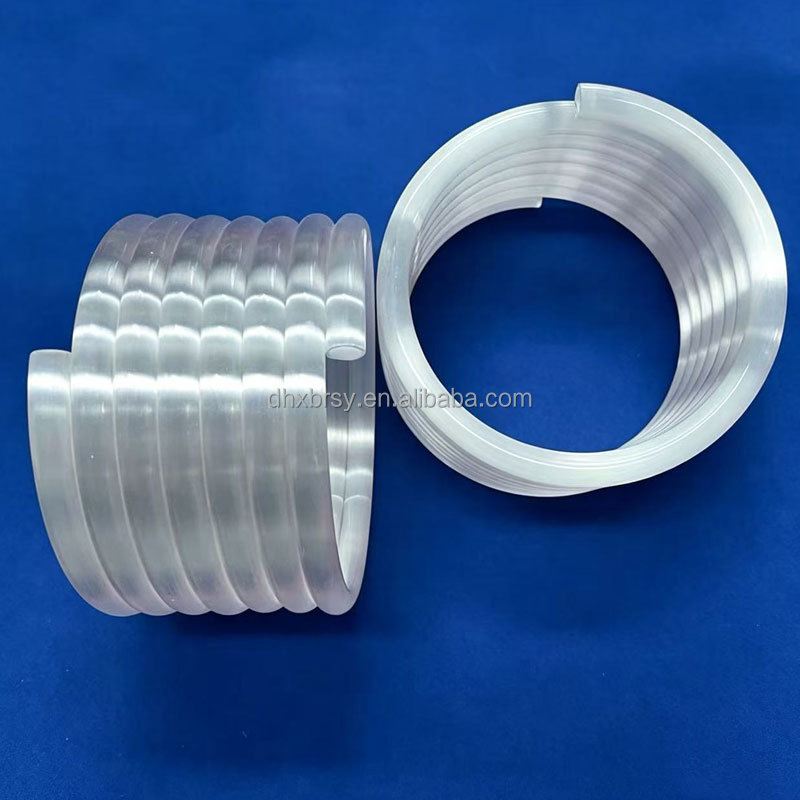
Custom Milky White Opaque Quartz Spiral Tube Helix Coil
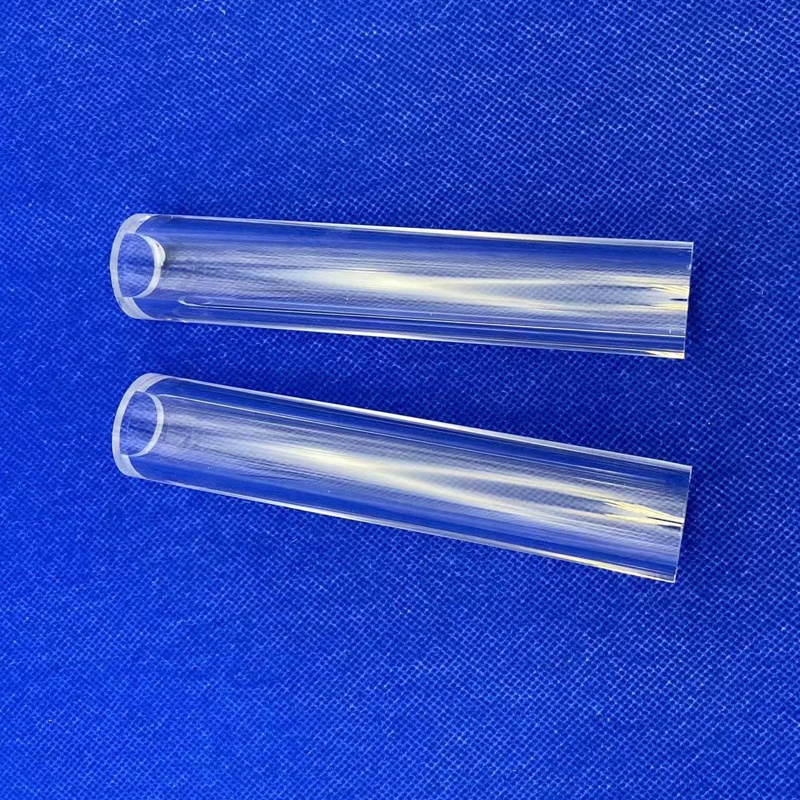
High Precision Clear Quartz Glass Tube Fused Silica
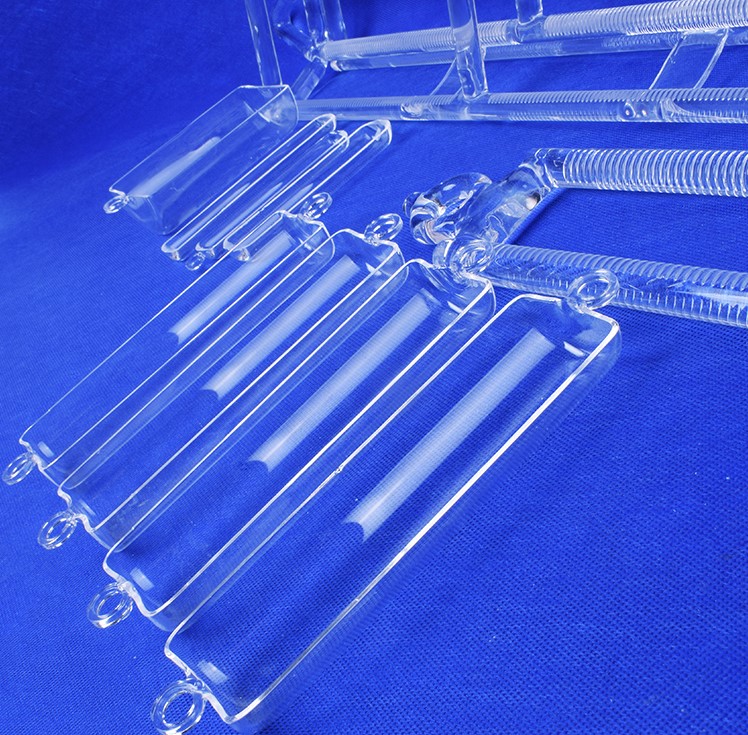
Fused Quartz Boats (SiO2 99.99%) for PV & Chemistry
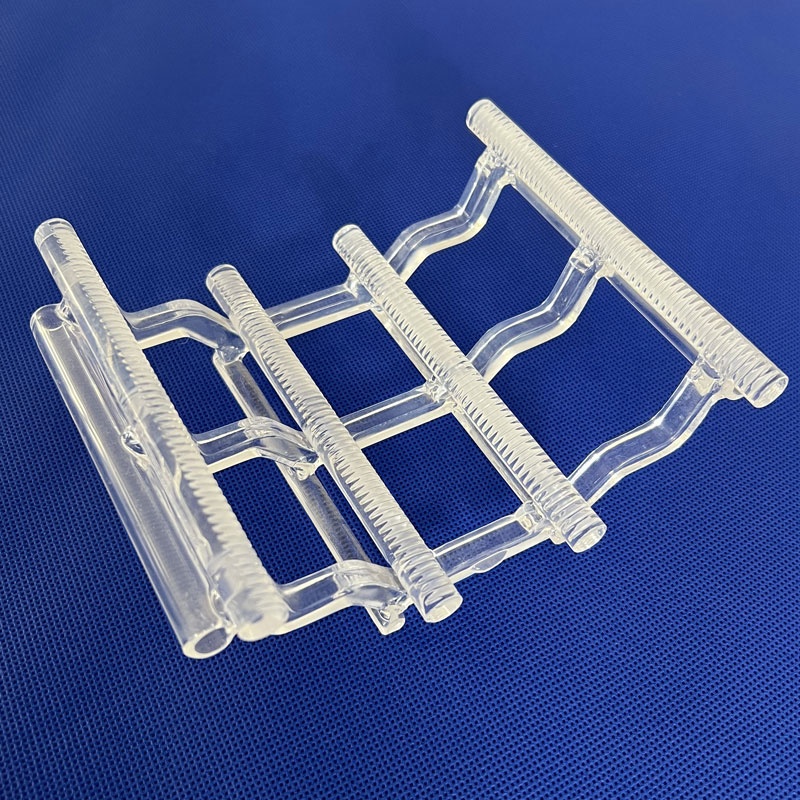
Custom Size High-Temp Semiconductor Wafer Boat
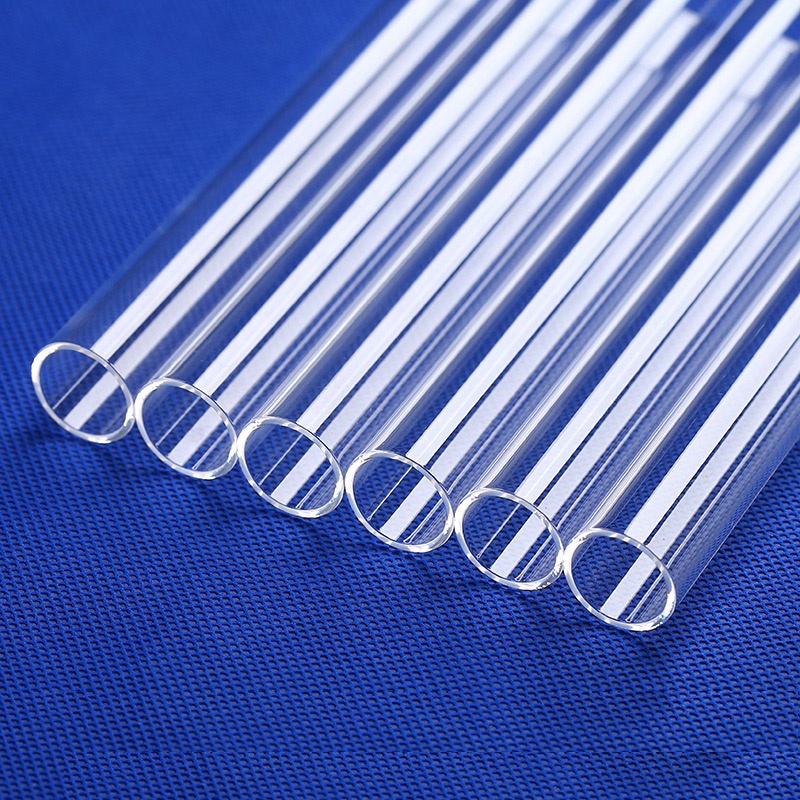
High-Precision Clear Quartz Tubing (OD 10/14/20mm)
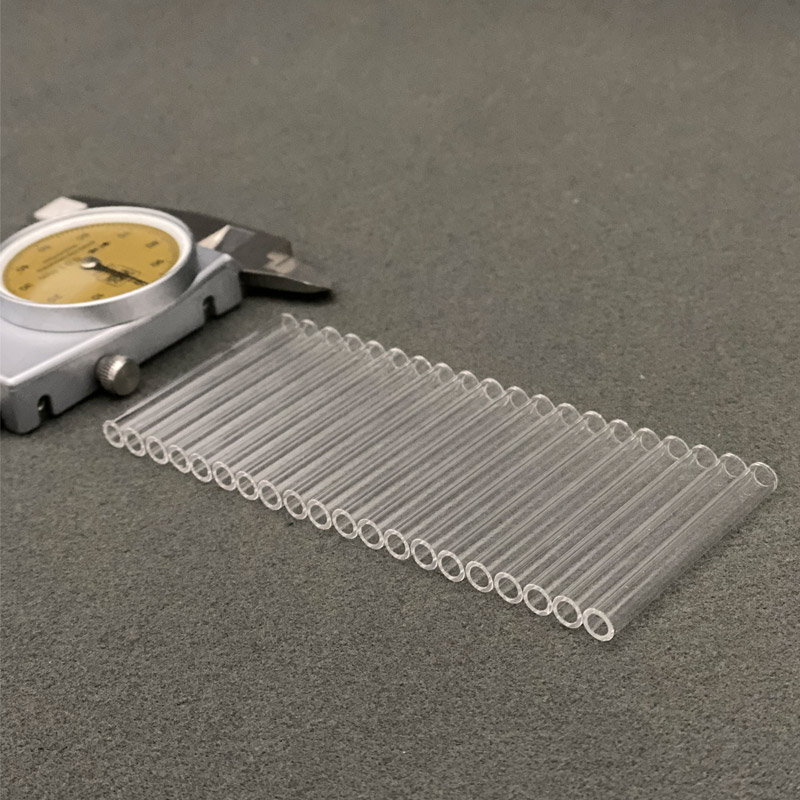
BAO RAN 419 Fused Quartz Laser Capillary Tube
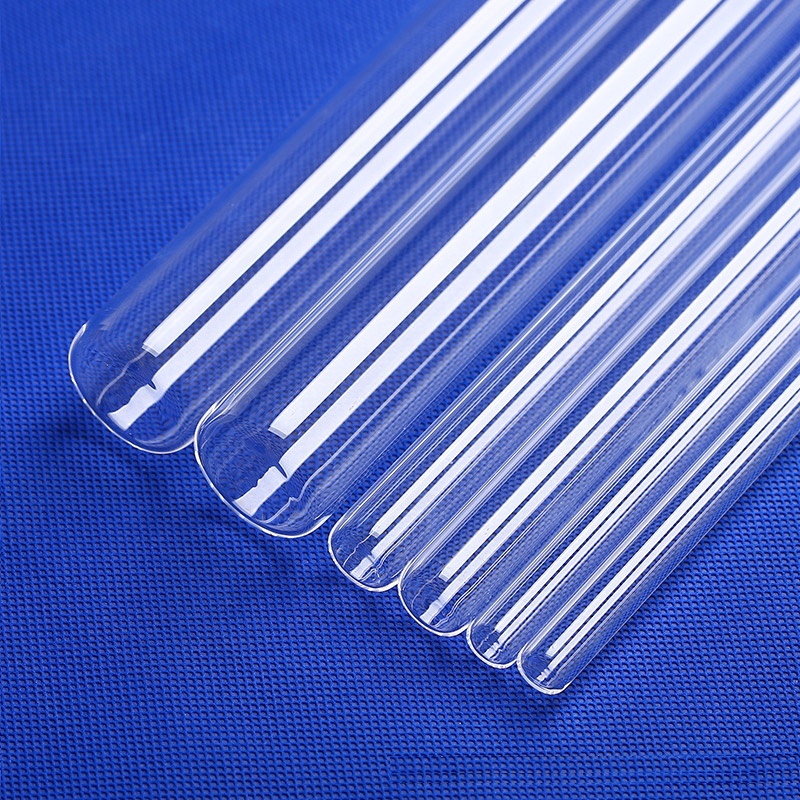
Customized One-End Closed Fused Silica Quartz Tube
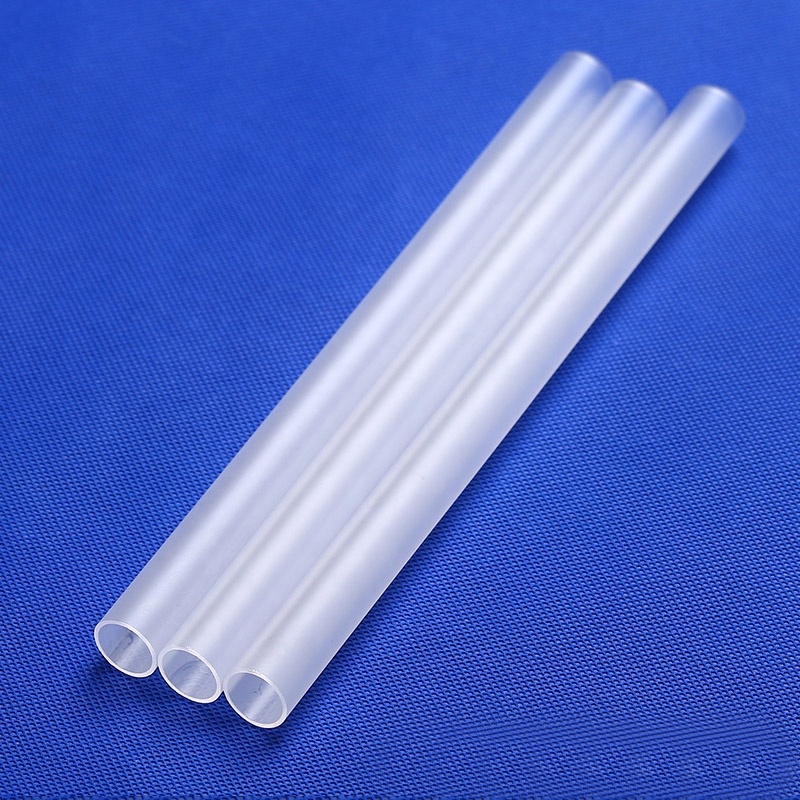
High-Purity Translucent Polished Quartz Tube
Material Science: Why Synthetic & Electrically Fused Quartz Surpass Borosilicate
In harsh thermal, optical, and chemical processing setups, selecting standard borosilicate glass or lower-grade quartz inevitably leads to premature failure, crystallization (devitrification), and ionic contamination.
Near-Zero Thermal Expansion
With an average linear expansion coefficient of 5.5 × 10⁻⁷ cm/cm·°C between 20°C and 320°C, fused silica displays near-immunity to extreme thermal gradients. High-temperature process lines can heat tubes past 1000°C and quench them directly into cold water without micro-fracturing or dimensional creep.
Spectral Transmittance (DUV to NIR)
Our JGS1, JGS2, and JGS3 grades transmit optical signals across critical wavelengths. JGS1 synthetic silica provides deep-UV optical transmission from 185 nm to 2500 nm without color center solarization, making it indispensable for photolithography, UV curing, and laser plasma containment.
Corrosion & Acid Inertness
Fused silica remains chemically stable against almost all acids—including boiling sulfuric, nitric, and hydrochloric acid. Except for hydrofluoric acid (HF) and concentrated phosphoric acid at elevated temperatures (>150°C), our quartz tubes serve as completely inert fluid conduits for semiconductor acid scrubbing lines.
| Property / Characteristic | JGS1 (Synthetic Silica) | JGS2 (Optical Flame-Fused) | JGS3 (Infrared Fused Quartz) | Opaque Fused Silica |
|---|---|---|---|---|
| Primary Transmission Range | 185 nm – 2500 nm (Deep UV) | 220 nm – 2500 nm (UV-Vis) | 260 nm – 3500 nm (Near-to-Mid IR) | Diffuse Reflection / IR Radiant |
| SiO₂ Content | ≥ 99.999% | ≥ 99.99% | ≥ 99.99% | ≥ 99.8% |
| Hydroxyl (OH⁻) Content | < 5 – 1200 ppm (Grade Variant) | 150 – 200 ppm | < 5 ppm (Water-Free) | < 30 ppm |
| Softening Point (°C) | 1730 °C | 1680 °C | 1720 °C | 1650 °C |
| Annealing Point (°C) | 1180 °C | 1210 °C | 1215 °C | 1150 °C |
| Dielectric Strength (20°C, 1MHz) | 2.5 × 10⁷ V/m | 2.5 × 10⁷ V/m | 3.0 × 10⁷ V/m | 1.8 × 10⁷ V/m |
Mission-Critical Applications Across Greater Charlestown & Boston Harbor
From the marine testing basins around the Charlestown Navy Yard corridor to biotechnology hubs across Cambridge, Somerville, and Boston, specialized quartz glass is the core foundation for breakthrough scientific and industrial setups.
Marine Engineering & Naval Defense Sensors
Positioned along the historic deepwater channels of Boston Harbor, Charlestown hosts marine robotics and naval precision engineering labs. Our heavy-wall transparent quartz tubes serve as high-pressure optical viewports, bathymetric laser housings, and deep-sea sensing capsules able to endure severe hydrostatic pressures without optical polarization shift.
Biopharma Chromatography & Photochemistry
Charlestown’s adjacent biotechnology corridors in Kendall Square and Assembly Square require analytical flow cells, microfluidic reaction capillary columns, and UV disinfection sleeves. Our JGS1 quartz tubes eliminate spectral noise in spectrophotometric assays and remain stable during steam-in-place (SIP) and chemical sterilization.
Semiconductor Pilot Lines & Epitaxy
Academic cleanrooms, microelectronics incubators, and thin-film development labs in the Route 128 belt rely on our quartz diffusion furnace tubes, wafer boats, and CVD injector tubes. Zero alkali metal migration (Na, K, Fe < 0.1 ppm) prevents lattice defects during sub-micron thermal fabrication runs.
Regional Sourcing Trends in Charlestown: Supply Chain Resilience & Purity Verification
Procurement teams across Suffolk County and Middlesex County are shifting from catalog resellers toward direct, primary-stage quartz fabricators capable of verified traceability.
Mitigating Reseller Markups & Delays
Historically, Boston-area buyers sourced quartzware through regional distributors who added a 40% to 65% markup while lacking custom hot-glass fabrication centers. Working directly with our plant provides technical engineering assessments for custom CAD/STEP drawings, prototyping in single-unit orders, and lead times reduced by up to two weeks.
Strict Zero-Stress Inspection Demands
With cleanroom production expenses soaring, unexpected tube shattering due to residual glass stress is unacceptable. Charlestown photonics and furnace operators now require polarization stress testing documentation per batch, ensuring annealing holds birefringence within ≤10 nm/cm optical path length.
Transition to Specialized Hydroxyl-Tuned Quartz
Local analytical labs are moving beyond generic fused quartz toward hydroxyl-controlled synthetic variants. By procuring water-free JGS3 grades (OH < 5 ppm) for infrared applications and high-hydroxyl JGS1 (OH ~1200 ppm) for laser-damage resistance, procurement managers prevent spectral dips across critical wavebands.
Factory-Direct Control from Raw Mineral to Multi-Axis CNC Finishing
Situated in Lianyungang—the global center of high-purity silica reserves—Lovri Quartz operates a 14,271 m² production facility verified onsite by SGS Group, giving engineering buyers uncompromised control over every step.
1. Fully Integrated Silica Synthesis
Unlike secondary glass shops that purchase pre-drawn stock, our facility manages raw quartz crushing, multi-stage acid leaching, thermal vacuum smelting, and dynamic tube drawing under one roof. Purity is locked in at ≥99.99% SiO₂ before components ever reach the machining shop.
2. Precision CNC & Fire Polishing
Equipped with wet-grinding CNC machining centers, precision diamond core drills, and high-temperature hydrogen-oxygen glass lathes. We execute complex slotting, precision flange welding, micro-capillary boring, and optical face polishing down to Ra < 0.5 nm with tight tolerances (±0.02 mm).
3. Zero-Breakage Export Packaging
Shipping custom scientific quartz transatlantic requires specialized freight protection. Every tube, boat, and flanged assembly is vacuum-sealed with dust-free polyethylene film, encased in high-density polyethylene impact foam, and packed in reinforced, palletized wooden export crates.
Frequently Asked Questions by Charlestown & New England Buyers
Essential answers regarding optical classification, thermal loading limits, custom manufacturing tolerances, and international freight logistics.
How do I determine whether my application needs JGS1, JGS2, or JGS3 quartz?
What continuous thermal load can your clear quartz furnace tubes handle?
Can you machine custom flanges, threaded ends, and branching ports from technical drawings?
What is the typical shipping lead time and customs transit process for Charlestown orders?
How does your factory ensure fragile quartz pipes arrive intact without transit fractures?
Do you support prototype orders, or are orders restricted to high-volume procurement?
Request an Engineering Consultation & Direct Factory Quote
Whether you require standard stock fused quartz tubes or complex custom apparatus built to strict STEP/PDF specifications, our engineering team is ready to assist with rapid turnarounds.