Engineered Fused Quartz & Reaction Vessel Solutions
Precision-drawn from 99.99% SiO₂ fused silica with zero residual thermal strain, calibrated for corrosive chemistry, semiconductor furnaces, and continuous thermal run cycles.

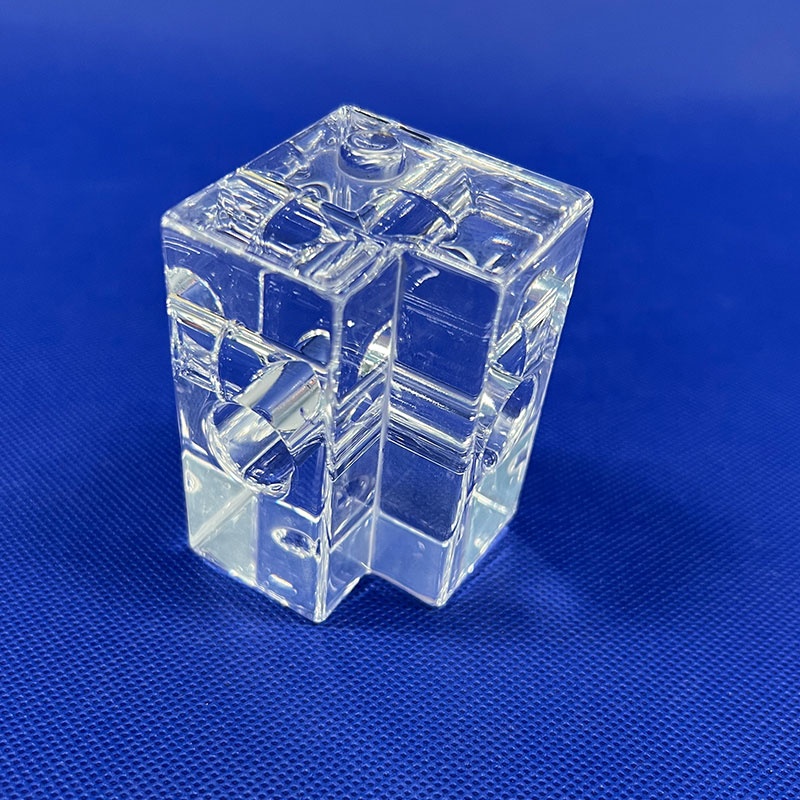
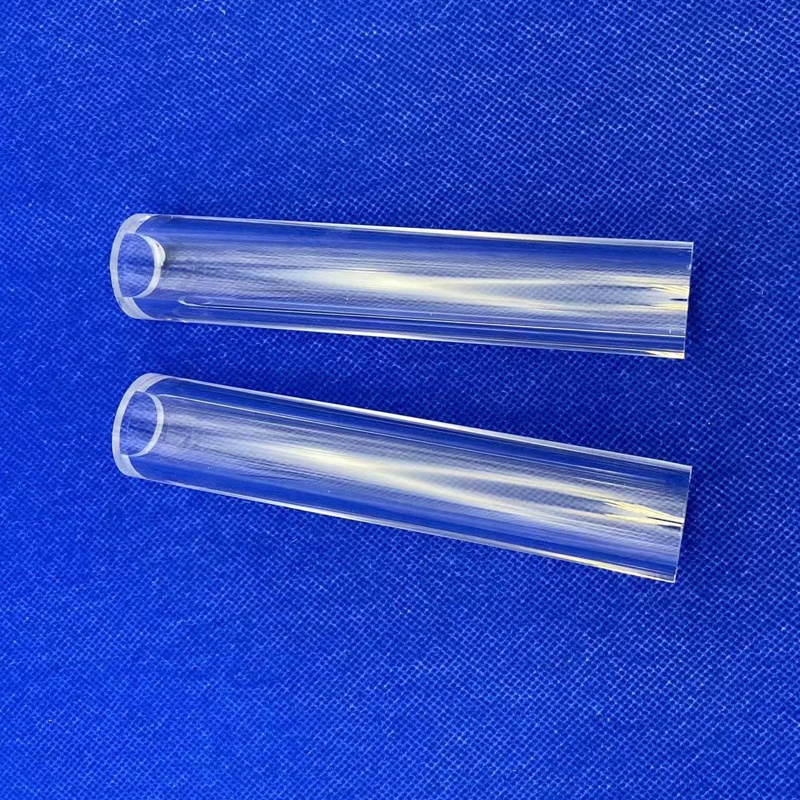
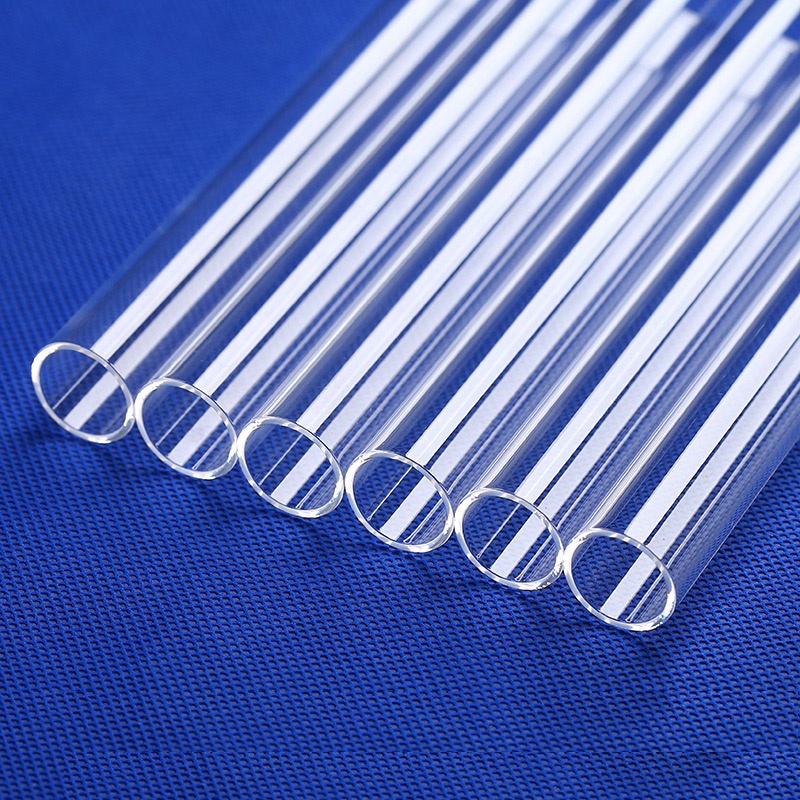
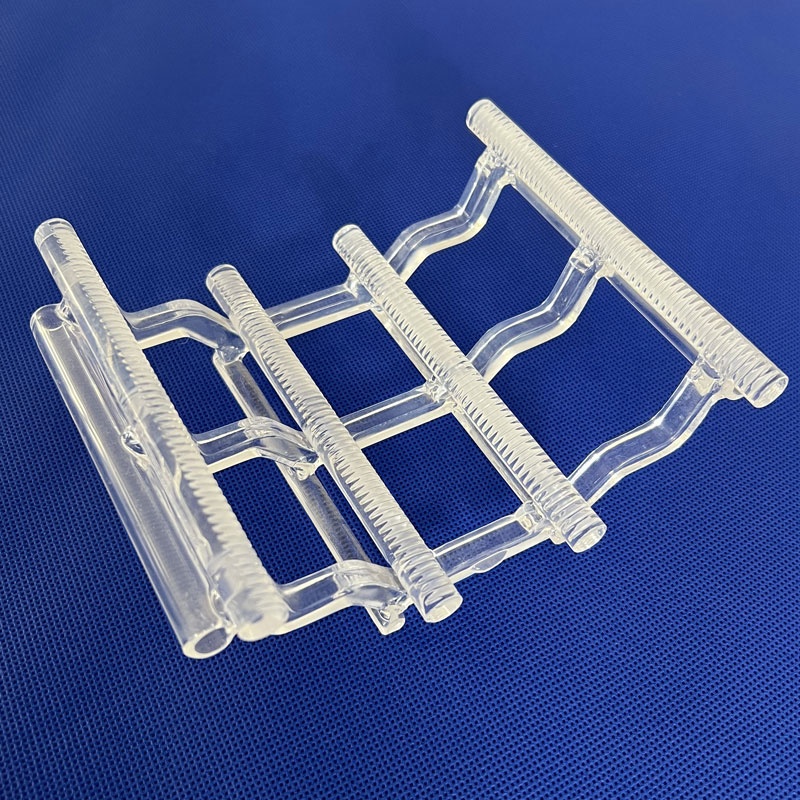
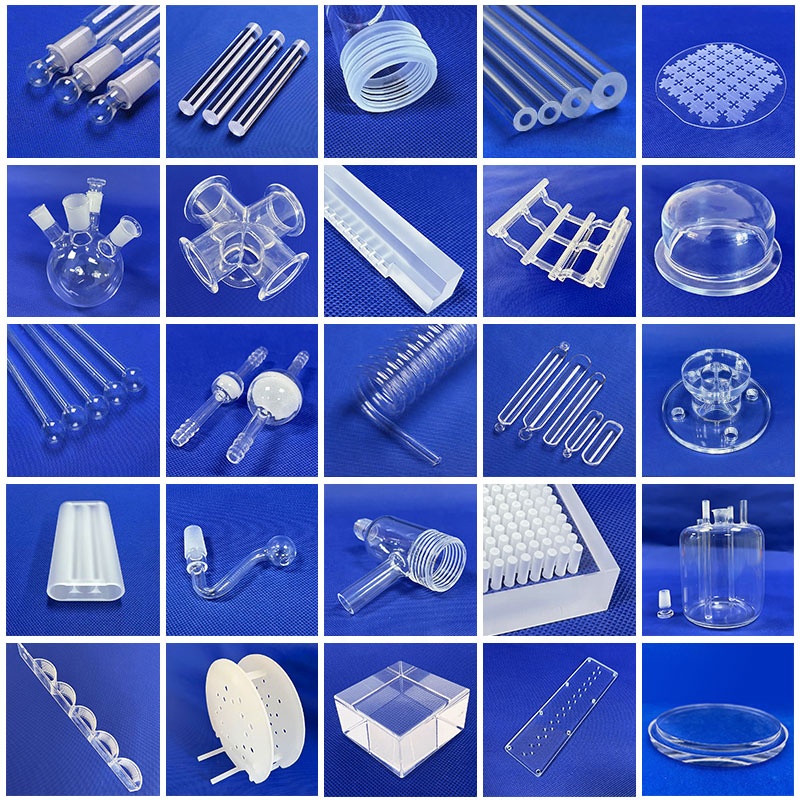
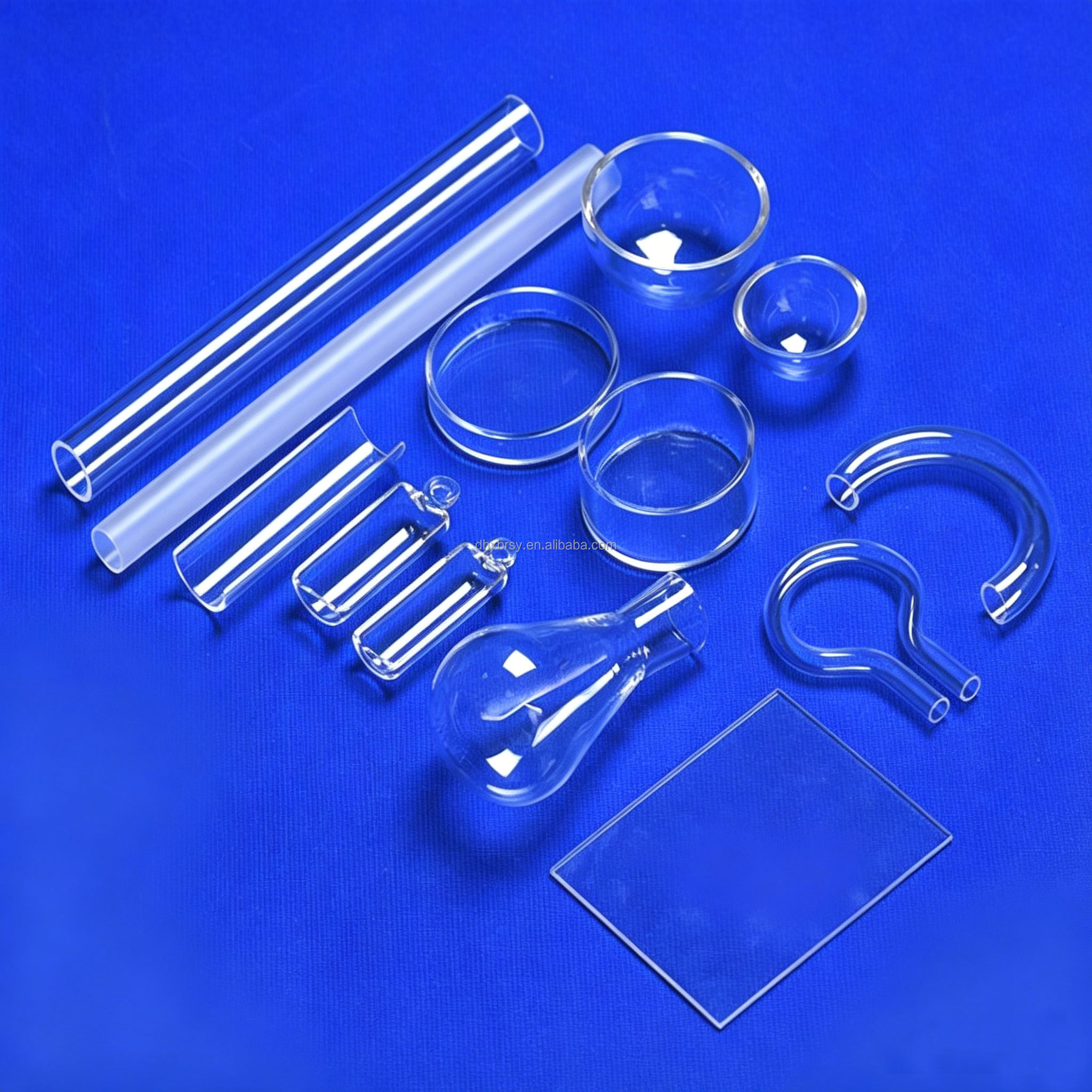
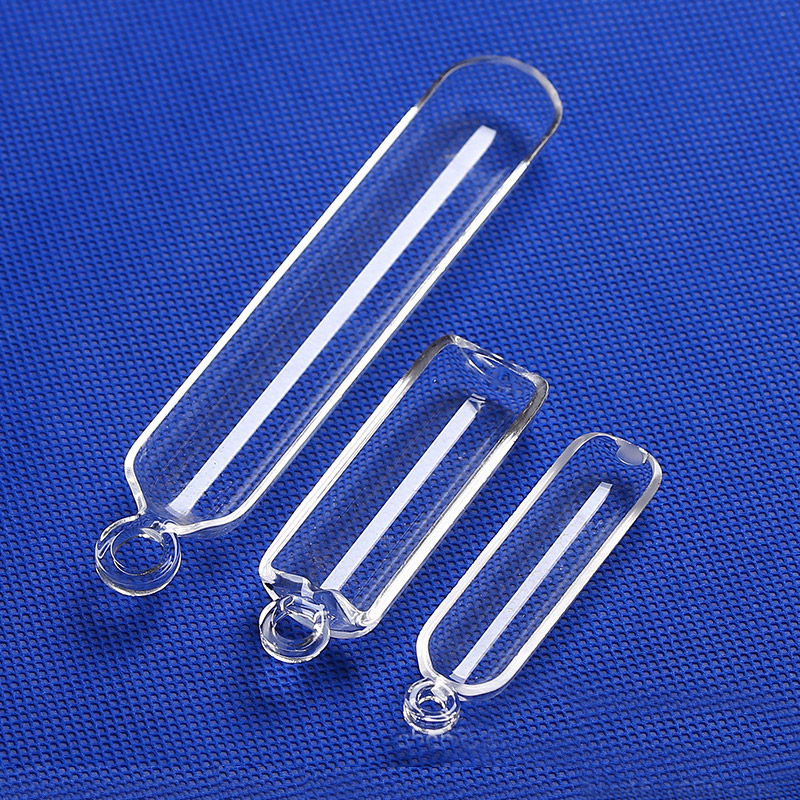
Engineered Fused Silica Reactor Vessels for Querétaro’s Industrial Landscape
As the primary manufacturing engine of central Mexico, the state of Querétaro and its neighboring Bajío corridor (including El Marqués, Parque Industrial Querétaro, and San Juan del Río) have experienced an aggressive transformation from traditional metal-mechanics into ultra-high-precision sectors: advanced aerospace coatings, specialized automotive chemical synthesis, semiconductor packaging, clean hydrogen trial systems, and high-potency active pharmaceutical ingredient (API) manufacturing. In these rigorous process environments, standard borosilicate 3.3 laboratory glass fails prematurely due to mechanical strain, ion migration, or catastrophic thermal shock during exothermic runaway conditions.
As an authoritative, direct-source quartz reaction flask factory and specialized supplier to Querétaro, Lovri Quartz manufactures high-purity (≥ 99.99% SiO₂) fused silica reaction apparatus configured specifically to address severe industrial parameters. Our custom flasks—ranging from micro-reaction 50 mL apparatus to large-scale 50 L chemical reactors—are completely free of alkaline oxide fluxes (B₂O₃, Na₂O, Al₂O₃) that plague borosilicate ware. This eliminates batch contamination and catalytic poisoning in sensitive organometallic syntheses, photovoltaic wafer doping, and sol-gel deposition processes.
Whether your operational facility is situated along the Carretera 57 industrial belt or within modern university-adjacent technology incubators in Juriquilla, our custom-engineered reaction flasks withstand thermal swings from -196 °C (cryogenic fluid media) up to an instantaneous 1,300 °C without deformation. With our in-house computer-controlled glass lathes, vacuum melting systems, and polariscope stress relief inspection, every quartz reaction vessel delivered to Mexican procurement teams guarantees dimensional interchangeability with standard European and American ground joints (ST 24/40, ST 29/32, or high-vacuum flanged seals).
Core Engineering & Metallurgical Strengths
Why Tier-1 research labs and industrial manufacturing plants in Querétaro partner directly with our specialized fused silica production lines.
99.99% SiO₂ In-House Refinement
Unlike secondary workshops that source random commercial tubing, Lovri controls raw material sizing, pulverization, and proprietary multi-stage acid pickling to ensure total transition metal impurities remain below 15 ppm, preventing chemical leaching under acidic digestion.
Full Polariscope Stress Annealing
Internal stress remains the number one cause of quartz vessel implosion under high-vacuum operations. Every welded neck, thermocouple well, and drain valve is thermally soaked at 1,215 °C in computer-monitored annealing kilns and verified via optical birefringence.
Rapid OEM & Drawing Customization
Engineering modifications are frictionless. Provide a CAD file, PDF sketch, or sample component: our master glassblowers and multi-axis CNC milling centers construct jacketed reaction vessels, baffled bottoms, flat-flange closures, and multi-port configurations within tight deadlines.
Material Comparison: Fused Quartz vs. Standard Borosilicate 3.3 in Industrial Synthesis
When engineering chemical manufacturing pilot plants or analytical testing stations in Querétaro's demanding environment, evaluating structural material failure thresholds is critical. The table below illustrates why fused silica reaction vessels surpass commercial laboratory glass across all thermal, mechanical, and optical vectors:
| Physical / Chemical Property | High-Purity Fused Quartz (Lovri) | Standard Borosilicate Glass (3.3) | Direct Operational Benefit |
|---|---|---|---|
| SiO₂ Content (%) | ≥ 99.99% | ≈ 80.5% | Zero leaching of boron, alkali metals, or aluminum during harsh acidic reactions. |
| Continuous Max Working Temp | 1,100 °C to 1,200 °C | 450 °C to 490 °C | Enables high-temperature pyrolytic synthesis and direct torch heating without sagging. |
| Thermal Expansion Coeff. (20–300°C) | 5.5 × 10⁻⁷ K⁻¹ | 33 × 10⁻⁷ K⁻¹ | Immune to thermal shock; can be quenched into ice water directly from 1,000 °C. |
| Softening Point (°C) | ≈ 1,730 °C | ≈ 820 °C | Retains rigid structural integrity under deep-vacuum synthesis at elevated heat. |
| UV Transmission (200–300 nm) | Up to 90% (JGS1 Grade) | < 10% (Blocks deep UV) | Essential for photochemical organic syntheses, photocatalytic degradation, and UV reactors. |
| Acid Resistance Threshold | Universal (Excl. HF, hot H₃PO₄) | Moderate (Degrades under steam) | Zero etching under aggressive HNO₃, H₂SO₄, and aqua regia vapor cycles. |
Localized Industrial Applications & Sourcing Trends in Querétaro (2025–2030)
The manufacturing ecosystem of Querétaro is undergoing a high-technology industrial upgrade driven by international nearshoring dynamics and domestic innovation initiatives. In response to tightening ISO and ASTM international mandates, local plant managers and laboratory directors are moving away from multi-tiered distributor catalogs toward integrated factory-direct procurement channels. Key operational sectors driving quartz demand across the state include:
1. Aerospace Surface Coatings & Specialized Resins: Located within the Querétaro Aerospace Cluster (Aeroclúster de Querétaro) and adjacent to the Intercontinental Airport (AIQ), aerospace engineering teams require high-temperature quartz sublimation flasks and vapor deposition chambers to formulate heat-resistant turbine blade thermal barriers and advanced polymer matrix composites.
2. Semiconductor Prototyping & Microelectronics: As Querétaro cements its position as a regional hub for data infrastructure and electronics assembly, local R&D centers use our fused quartz reaction vessels, wafer carriers, and diffusion tubes to execute ultra-clean vapor cleaning without particulate shedding or sodium ionic contamination.
3. Advanced Pharmaceutical & API Formulation: Situated along the industrial estates of San Juan del Río and Benito Juárez, pharmaceutical synthesizers handle concentrated mineral acids and high-purity crystalline compounds where any metallic extraction from standard glassware triggers immediate regulatory rejection under COFEPRIS and FDA quality guidelines.
4. Green Energy, Catalysis & Battery Materials: Research consortia affiliated with the Universidad Autónoma de Querétaro (UAQ), CINVESTAV Juriquilla, and private lithium/battery energy start-ups deploy multi-neck fused silica flasks equipped with custom ground joints for solid-electrolyte calcination and catalytic hydrogen cracking trials.
Querétaro Quartz Procurement: Frequently Asked Questions
Common questions asked by engineering procurement teams, academic researchers, and industrial supply managers across Mexico.
Can you customize neck angles, port types, and volumetric capacities?
Yes. We manufacture single-neck, two-neck, three-neck, and four-neck quartz reaction flasks with spherical joints, standard ground tapers (ST 14/20, 24/40, 29/32, 45/50), flat O-ring flanges, or threaded GL caps. Custom baffle indentations, thermowells, and bottom stopcock valves are fully supported via CAD/drawing specifications.
How are delicate quartz reaction vessels packaged for delivery to Querétaro?
All fragile apparatus undergo multi-layer shock isolation: vacuum sealing in dust-free PE bags, suspension within customized high-density EPE/EVA contoured foam slots, and crating inside reinforced export-grade plywood crates compliant with international ISPM-15 customs standards for damage-free transit to Mexico.
What documentation and material certificates accompany shipments?
Each factory order is accompanied by our Certificate of Analysis (CoA) confirming SiO₂ purity (≥99.99%), trace metal ICP-MS impurity logs, thermal annealing polariscope verification reports, and formal RoHS compliance documentation required for Mexican import customs clearance.
What is the minimum order quantity (MOQ) for custom pilot flasks?
We maintain an agile prototype program: our MOQ is 1 piece for standard custom flasks, allowing laboratory researchers and plant engineers in Querétaro to validate mechanical fit and chemical compatibility before scaling into multi-unit production runs.
Configure Your Custom Quartz Reaction Vessel Today
Submit your technical specifications, CAD schematics, or operational chemical parameters. Our senior thermal glassware engineers will deliver a comprehensive manufacturability review and quotation within 24 hours.