Engineered Quartz Vessels & Optical Components Catalog
Explore our specialized fused silica reactor vessels, process tubes, and CNC-machined apparatus engineered to withstand severe thermal gradients, aggressive chemistries, and ultra-high vacuum environments.
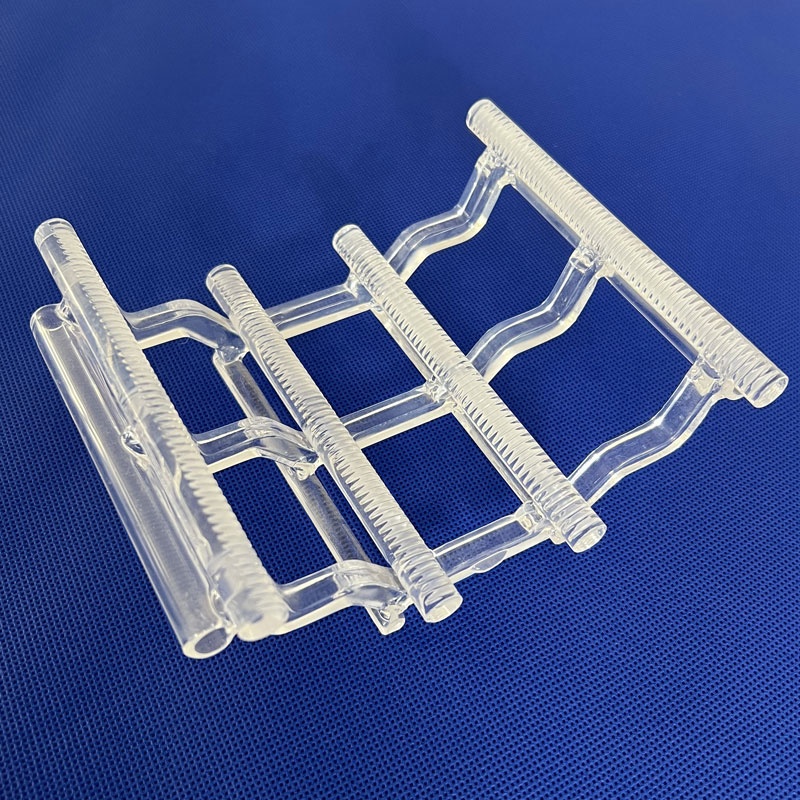
Technical Whitepaper Thermodynamic and Chemical Characterization of Fused Quartz Vessels
In modern chemical synthesis, vacuum metallurgy, and high-energy laser science, the physical boundaries of borosilicate glassware are constantly exceeded. Fused quartz (amorphous silicon dioxide, SiO₂) provides distinct structural advantages due to its near-zero thermal expansion coefficient (5.5 × 10⁻⁷ /°C) and superior lattice stability. As a premier source manufacturer, our direct control over quartz lump sizing, crushing, pulverizing, and hot multi-stage hydrofluoric and nitric acid pickling eliminates metallic contaminations at the sub-ppm scale, producing raw quartz sand of 99.99% pure SiO₂.
For research and pilot production facilities operating in Szeged and the broader Csongrád-Csanád region, our reaction vessels deliver non-reactive contact surfaces capable of withstanding prolonged heat up to 1,100 °C continuously and 1,300 °C intermittently, with a structural softening point at 1,730 °C. The absence of alkali and alkaline earth network modifiers prevents trace metal leaching into ultra-pure synthesis broths or catalyst precursors, securing high reproducibility in sub-microgram analytical and synthetic workflows.
Broad Spectrum Transmission
Synthetic JGS1 fused silica offers exceptional deep-UV transmission down to 185 nm, while electrical-fusion JGS3 guarantees high NIR transmission without water-band absorption (OH- < 5 ppm) up to 3,500 nm.
Extreme Thermal Shock Resilience
A heated vessel at 1,100 °C can be quenched directly in 20 °C water without cracking, preventing catastrophic failures during rapid crystallization or explosive gas evacuations.
Universal Acid & Plasma Inertness
Completely unaffected by boiling hydrochloric, nitric, sulfuric acids, and aqua regia. Unreactive in ozone-rich, chlorine, and bromine gas plasmas at elevated operating temperatures.
| Property Parameter | Test Standard / Condition | JGS1 (Synthetic Silica) | JGS2 (Optical Fused Quartz) | Commercial Borosilicate 3.3 |
|---|---|---|---|---|
| SiO₂ Purity Level | ICP-OES / GD-MS | ≥ 99.999% | ≥ 99.99% | ~ 81% (contains B₂O₃, Na₂O) |
| Thermal Expansion (20–300 °C) | Dilatometry (1/K) | 5.5 × 10⁻⁷ | 5.5 × 10⁻⁷ | 33 × 10⁻⁷ |
| Max. Continuous Working Temp. | Isothermal Anneal | 1,150 °C | 1,100 °C | 490 °C |
| Strain Point / Softening Point | Viscosity Reference | 1,120 °C / 1,730 °C | 1,075 °C / 1,710 °C | 510 °C / 820 °C |
| Deep-UV Transmission @ 254 nm | 10 mm optical path | > 90% | ~ 82% - 85% | < 5% (UV Blocking) |
| Dielectric Strength (20 °C) | Short-time breakdown | 25–40 kV/mm | 25–30 kV/mm | 10–15 kV/mm |
Strategic Applications in Szeged’s Innovation Infrastructure
From Europe's flagship light research infrastructure to academic biotechnology labs, our quartz vessels serve mission-critical applications across Szeged's scientific ecosystem.
1. Laser-Matter Interaction & Attosecond Research (ELI-ALPS)
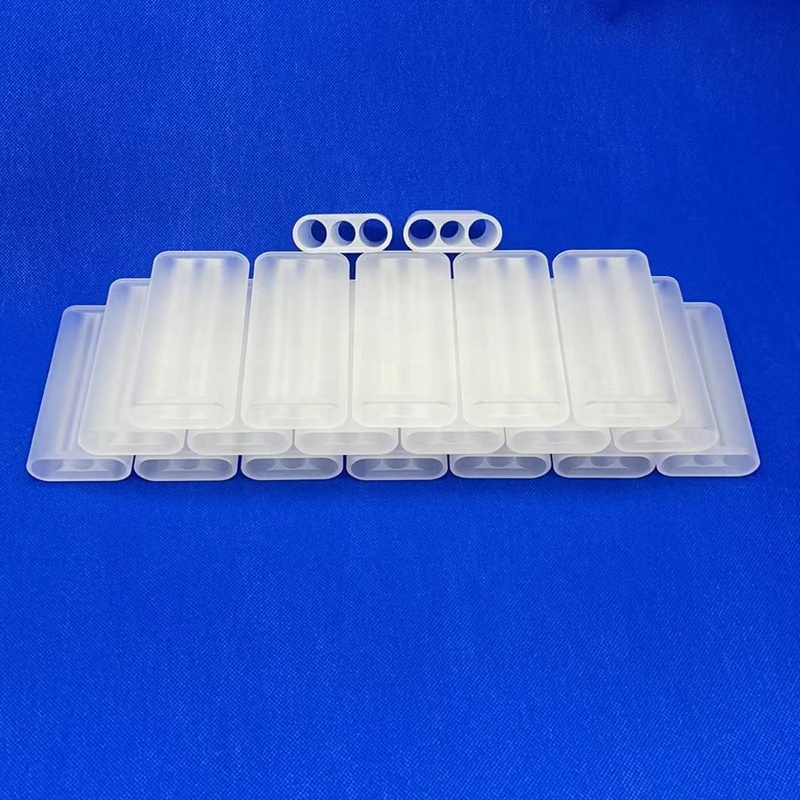
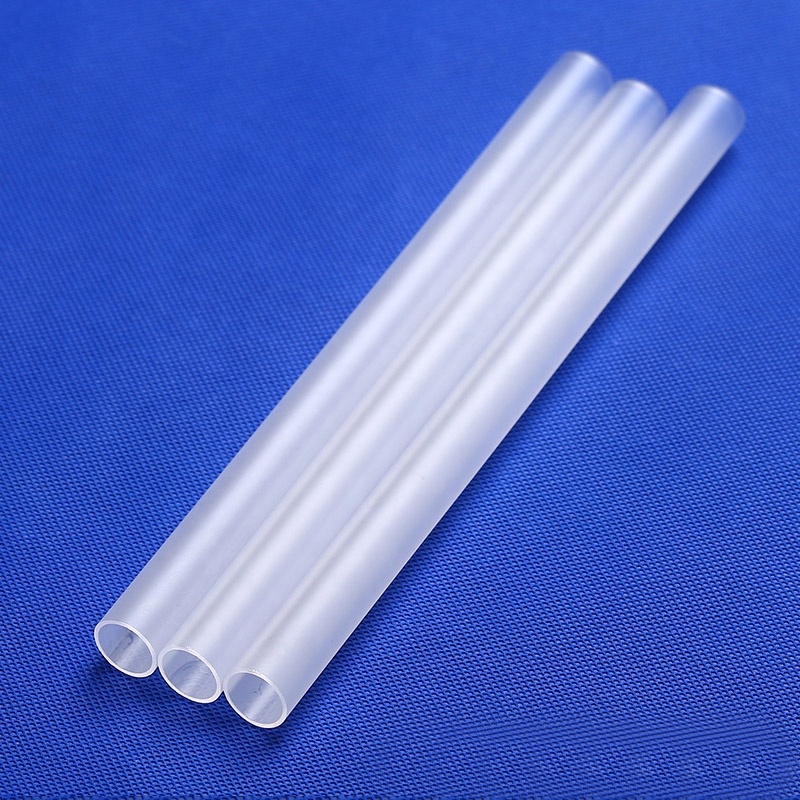
Szeged hosts the ELI-ALPS (Extreme Light Infrastructure Attosecond Light Pulse Source) facility, driving worldwide breakthroughs in ultrafast laser physics. Custom quartz reaction chambers, triple-bore beam-guiding tubes, and JGS1 high-damage-threshold vacuum viewport reactors provide distortion-free beam transmission without laser-induced discoloration or optical non-linearities, supporting high-field gas target generation and plasma physics studies.
2. University of Szeged (SZTE) Chemical & Nanomaterials Synthesis
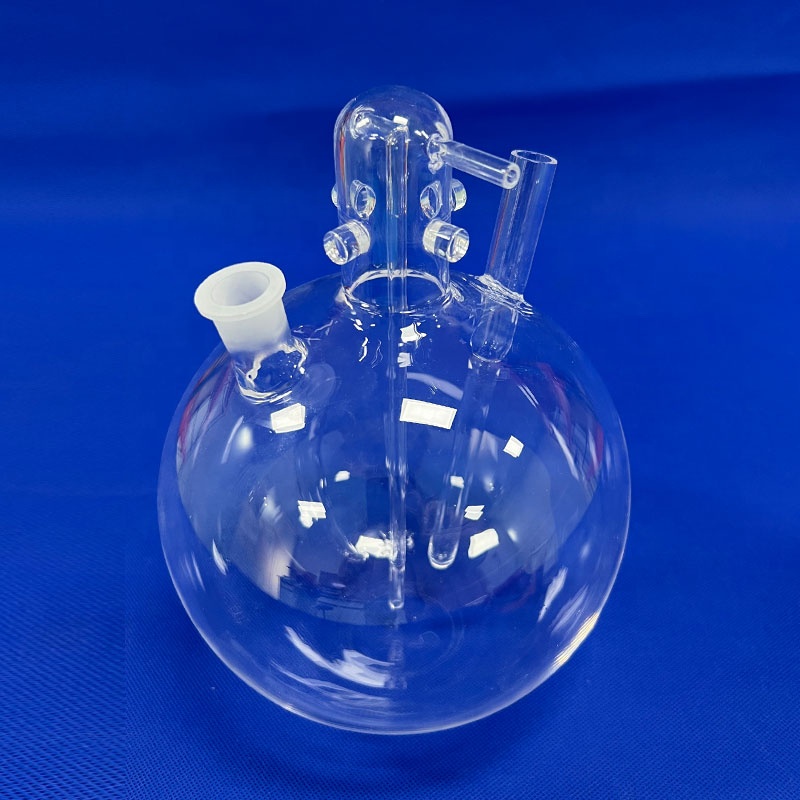
The University of Szeged is renowned globally for excellence in photochemical synthesis, heterogeneous catalysis, and pharmaceutical biotechnology. Our double-walled jacketed quartz reactors, UV-transparent photolysis vessels, and high-temperature tube furnace liners empower SZTE researchers to run catalytic cracking and nanomaterial vapor deposition with absolute containment and baseline purity.
3. Regional Biotech, Pharmaceutical & API Scale-Up
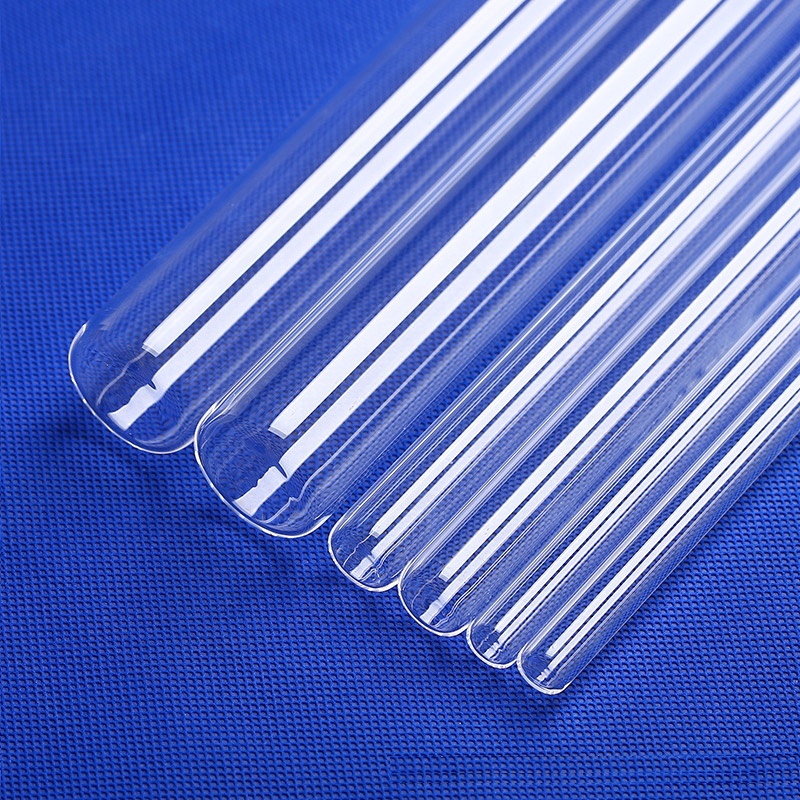
Szeged’s fast-expanding life-science cluster demands non-reactive fluid pathways for active pharmaceutical ingredient (API) digestion, microwave-assisted hydrothermal extraction, and ozone-based sterilization. Using high-purity fused silica reaction cylinders and one-end-closed digestion tubes eliminates trace metal leaching that could otherwise poison biocatalysts or violate strict EMA/EU pharmaceutical purity guidelines.
4. High-Efficiency PV & Semiconductor Engineering
With increasing clean-energy investments throughout Southern Hungary, high-precision quartz wafer boats, diffusion carrier tubes, and flanges ensure uniform thermal profiles across silicon wafer annealing and chemical vapor deposition (CVD) cycles up to 1,200 °C, minimizing micro-cracking and wafer warp.
Market Trajectory Regional Development Trends in Szeged & Southern Hungary (2025–2030)
The industrial landscape of Szeged is experiencing an unprecedented structural transition. Traditionally recognized as an academic, agricultural, and biochemical hub, the city is rapidly converting into a Central European focal point for advanced high-tech engineering. The convergence of the Szeged Science Park adjacent to ELI-ALPS, coupled with massive direct foreign investments in e-mobility, advanced energy storage systems, and specialized industrial manufacturing, is generating a surging localized demand for high-durability process equipment.
Key operational developments driving the transition toward high-purity quartz apparatus include:
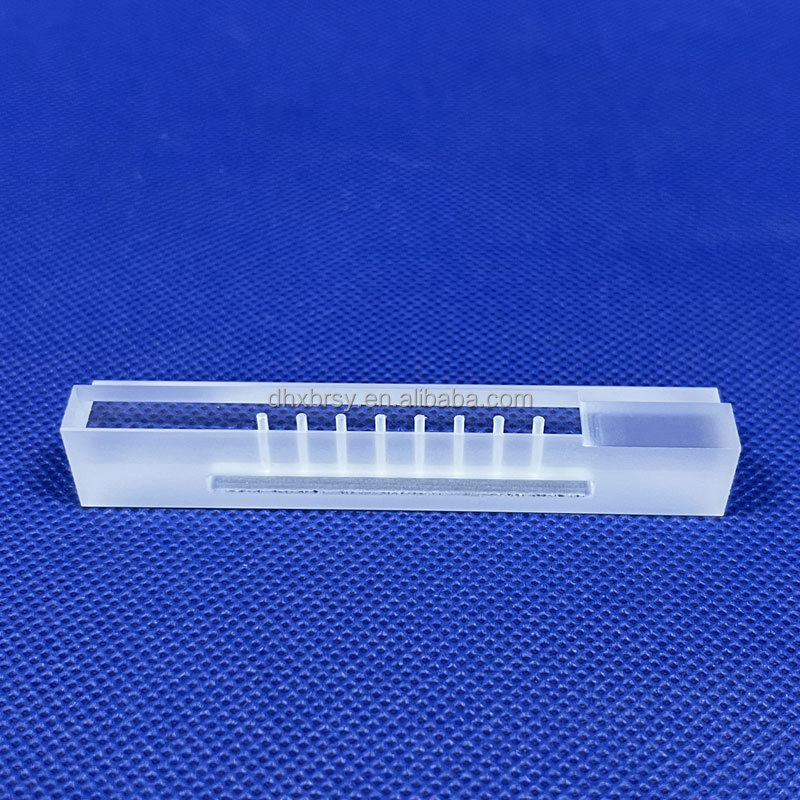
Transition to Flow Chemistry and Micro-Reactor Systems: Industrial and academic chemistry laboratories in Szeged are shifting from traditional batch reaction vessels toward continuous flow chemistry. Flow synthesis demands micro-machined quartz reactors, custom capillary channels, and multi-bore quartz flow cells capable of handling aggressive nitrations, oxidations, and photo-redox reactions under elevated pressures and temperatures.
Strict Regulatory Alignment with EU Environmental & REACH Standards: Pharmaceutical and industrial chemical producers across Hungary face stringent European Union compliance mandates. Fused quartz eliminates the risk of heavy metal plasticizer or boron migration commonly associated with synthetic polymers or lower-grade glass, providing a certified inert material path with full raw material traceability from quartz mine to finished chamber.
Deep-Tech Synergy between Optical Physics and Material Processing: The proximity of elite laser scientists and chemical engineers in Szeged creates unique multi-disciplinary research initiatives requiring bespoke glassware. Laser-assisted chemical deposition, photothermal catalytic water splitting, and optical monitoring of high-temperature combustion all require specialized hybrid apparatus featuring welded optical viewports, precision ground ground-joints (NS 14/23, NS 29/32, NS 45/40), and vacuum ISO-KF flanges.
Why International Procurement Teams Trust Lovri Quartz
Integrated quartz production from raw silica processing to CNC optical grinding, audited on-site by SGS Group to guarantee flawless batch integrity for European buyers.
Quality Assurance Precision Engineering, Strict Tolerances & Custom Machining
We manufacture quartz vessels directly to your engineering blueprints, accommodating CAD drawings in PDF, DWG, DXF, and 3D STEP formats. Our modern 4-axis and 5-axis CNC ultrasonic quartz machining facilities allow tight geometric tolerances within ± 0.05 mm for critical wall thicknesses, flange flatness, slot pitches, and drilled orifices.
Thermal post-processing is paramount for high-pressure or high-vacuum reaction vessels. Every welded reactor body, flange joint, and inlet branch undergoes prolonged annealing in our computer-regulated electric annealing furnaces at 1,215 °C to systematically relieve structural stress lines created during hydrogen-oxygen flame torch fusion. Each component is visually certified using high-contrast optical polarimeters before custom export foam packaging.
Custom Hot Working
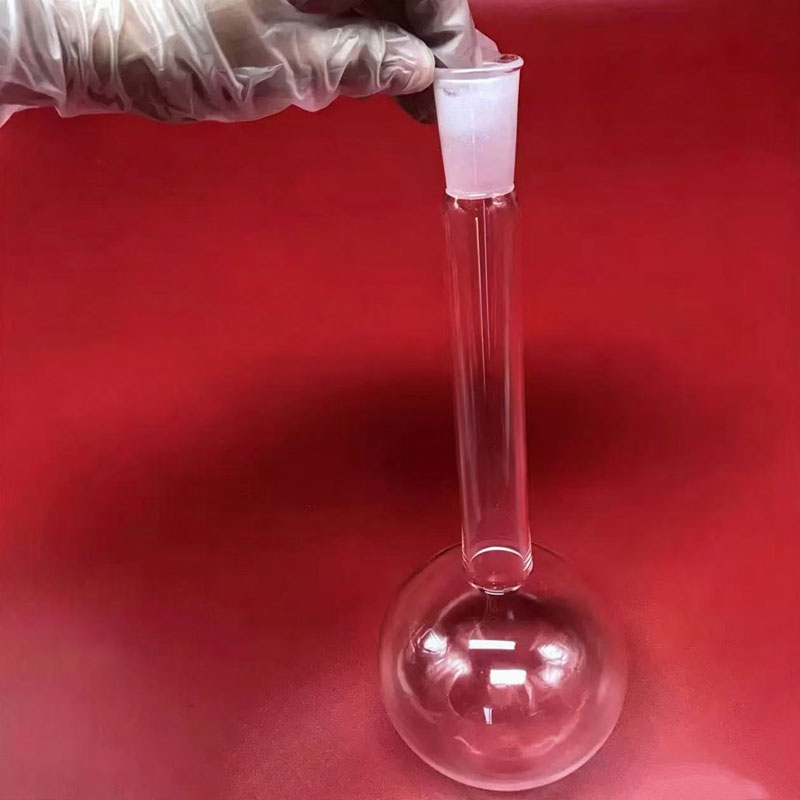
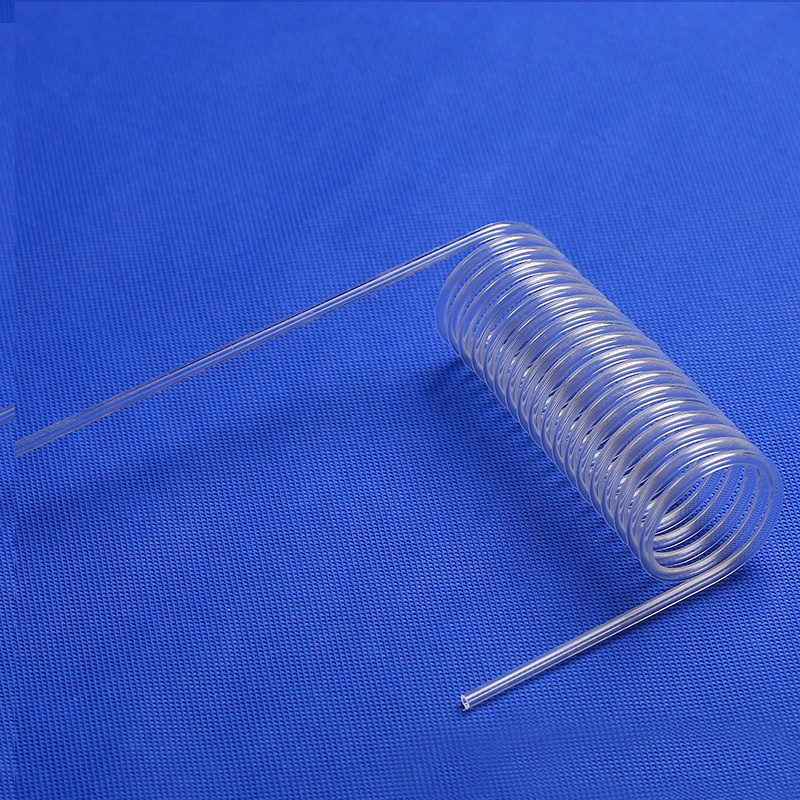
Precision quartz glassblowing: spherical flasks up to 50 Liters, cylindrical double-jacketed autoclaves, coiled cooling spirals, and hemispherical dished bottoms.
Vacuum & Pressure Sealing
Integration of standard taper ground joints, flat ground flanges with O-ring grooves, ConFlat (CF) metal-to-quartz seals, and GL-threaded screw adapters with PTFE inserts.
Optical Polish & Flatness
Double-side mechanical and fire polishing achieving optical surface roughness Ra < 0.5 nm and surface flatness of 1–2 lambda per inch for in-situ laser diagnostics.
Szeged Local Procurement FAQ
Answers to key engineering, customs, freight, and quality questions frequently asked by researchers, project managers, and supply chain specialists in Hungary.
How do you deliver custom quartz reaction vessels to laboratories and plants in Szeged?
How are fragile fused quartz vessels protected against shock during international transit?
Which quartz grade should we specify: JGS1, JGS2, or JGS3 for our Szeged synthesis lab?
• JGS1 (Synthetic Fused Silica): Crucial if your reaction incorporates photochemical activation in the deep-UV spectrum (185–260 nm), such as UV-C mercury lamps, excimer lasers at ELI-ALPS, or advanced photolysis.
• JGS2 (Optical Grade Fused Quartz): The optimal cost-to-performance standard for general chemical reactors, furnace process tubes, and observation windows spanning the near-UV and visible spectra (220–2,500 nm).
• JGS3 (Infrared Fused Quartz): Water-free electrically fused silica with minimal OH- radical absorption bands, ideally suited for infrared heating chambers, pyro-metallurgy, and laser setups operating between 2,500 nm and 3,500 nm.
Can you fabricate one-off prototype reactor designs or low-volume batches from CAD models?
What documents and quality certificates accompany shipments into Hungary and the EU?
What are the recommended cleaning and maintenance procedures for fused quartz glassware?
Ready to Engineer Your Custom Quartz Reaction Vessel?
Whether you are designing a high-vacuum chamber for attosecond laser experiments, scaling up pharmaceutical catalytic synthesis, or building industrial furnace processes in Szeged, our technical engineers are ready to assist with material selection, drawing reviews, and competitive direct factory quotations.