Purity 99.99%
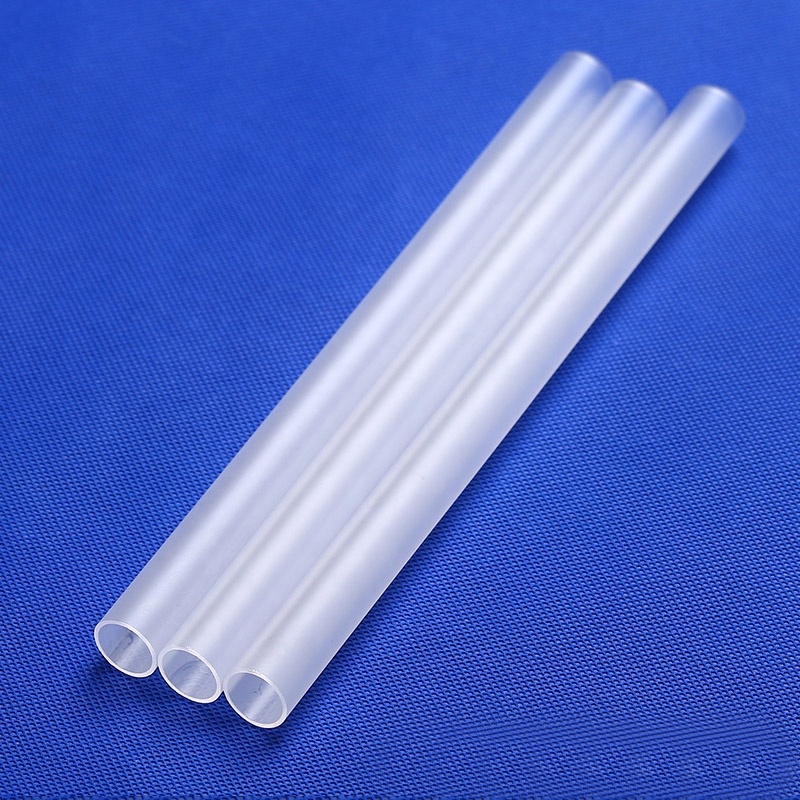
Direct factory production with micron-level tolerances, exceptional vacuum tightness, and chemical inertness tailored to mission-critical thermal workflows in Timor-Leste and across Southeast Asia.
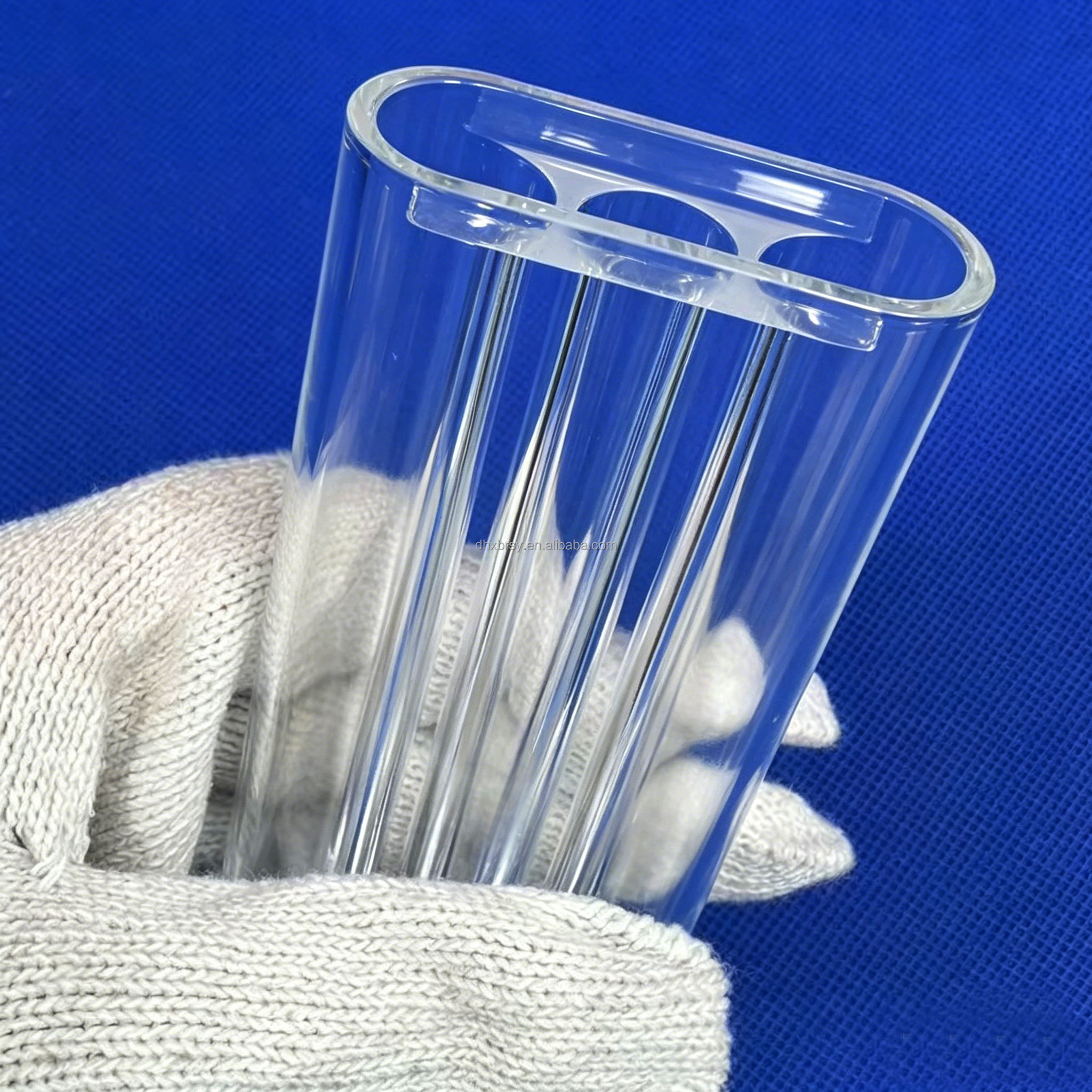
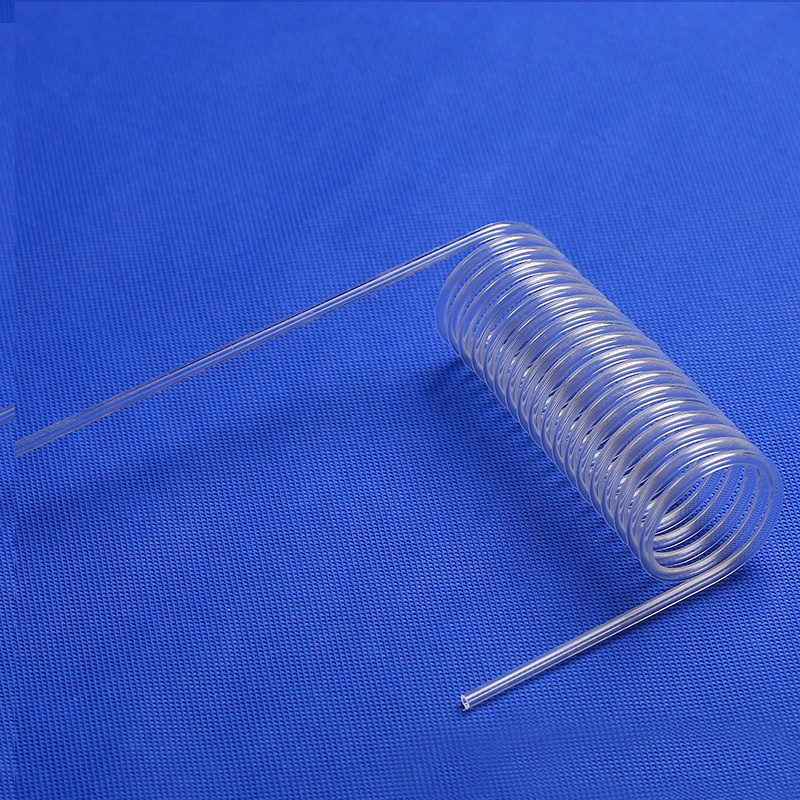
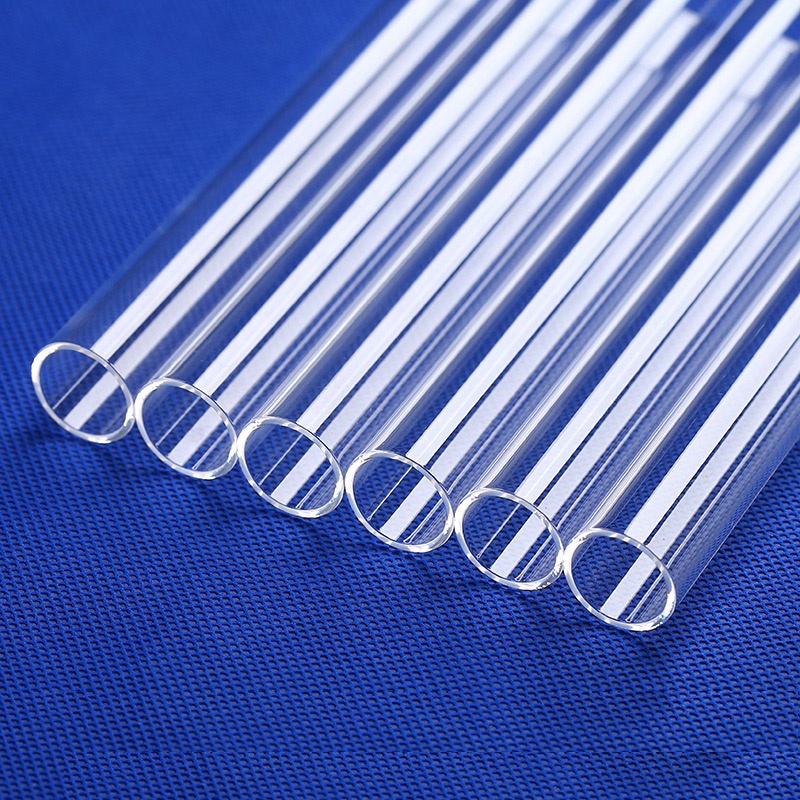
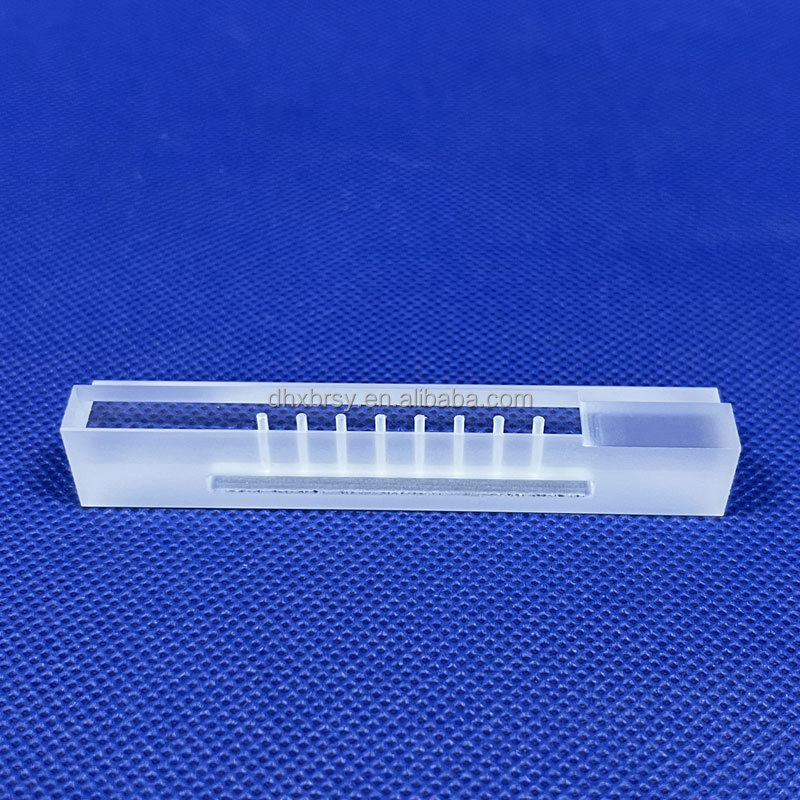
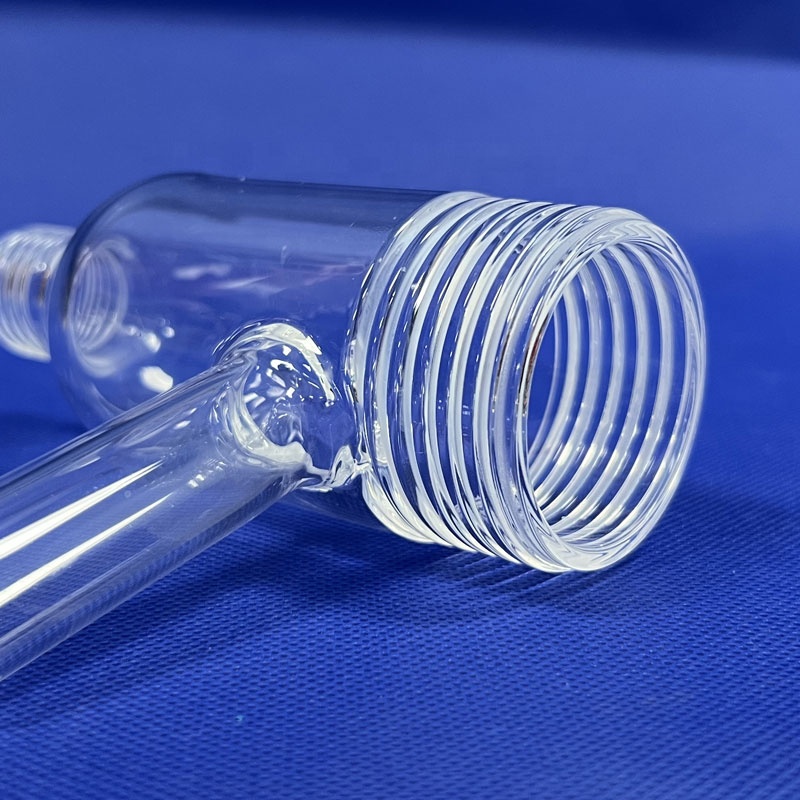
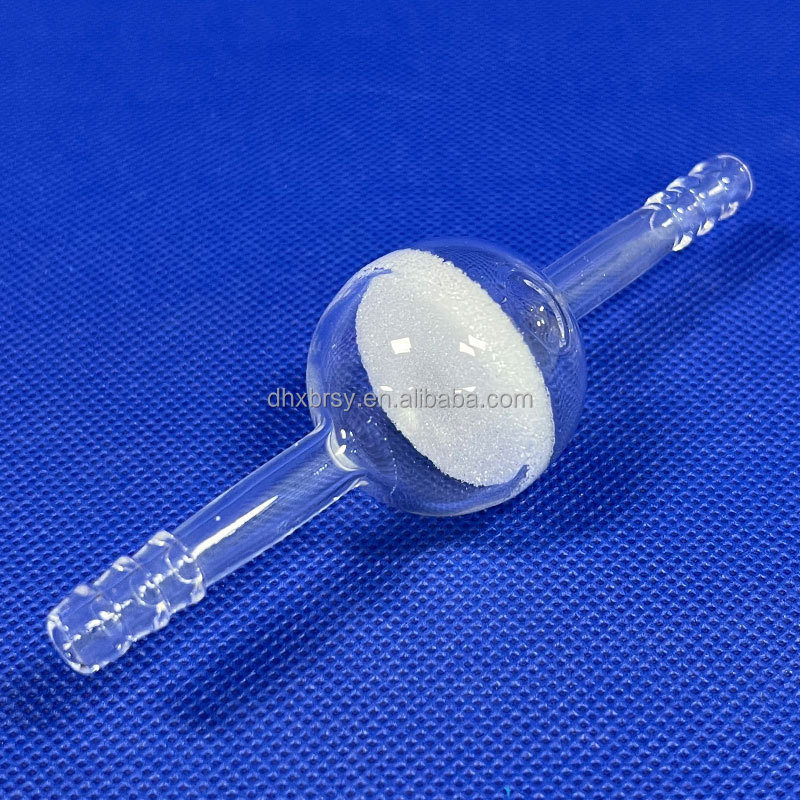
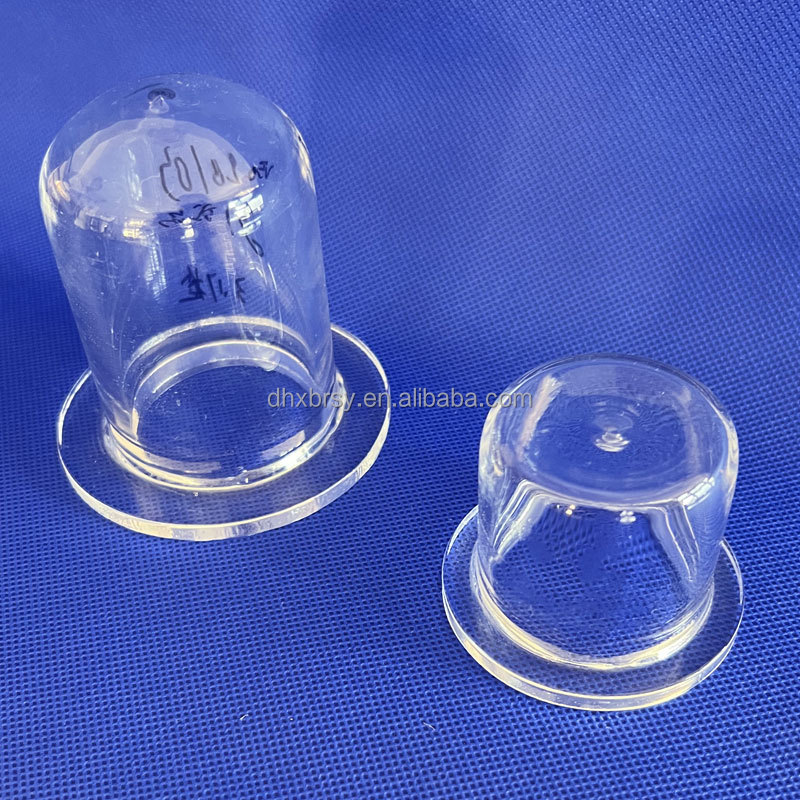
As Timor-Leste advances its National Strategic Development Plan (2011–2030), investments in maritime petroleum, rural mini-grid photovoltaics, water treatment, and state laboratories create direct technical demand for premium fused silica solutions.
The Tasi Mane petroleum infrastructure corridor along the southwest coast requires high-precision quartz distillation trays, digestion tubes, and sampling cells for crude characterization, sulfur content verification, and offshore hydrocarbon testing under rigorous corrosive conditions.
With decentralized solar mini-grids powering remote municipalities like Bobonaro, Oecusse, and Lautém, fused quartz sintering trays and wafer boats play a foundational upstream role in PV component maintenance, battery-grade material processing, and thermal semiconductor refurbishments.
Dili and regional coastlines utilize high-output ultraviolet purification reactors. Our heavy-wall quartz sleeves and optical immersion trays provide complete ultraviolet transmittance (over 90% at 254nm), resisting severe tropical bio-fouling and maritime saline scaling without embrittlement.
A detailed look at regulatory shifts, clean energy directives, and institutional testing requirements shaping material selection across the Timorese archipelago.
Universidade Nacional Timor Lorosa'e (UNTL) and independent testing bodies are migrating from standard borosilicate to fused quartz trays to enable analytical calcination past 1000°C with near-zero thermal distortion.
Timorese EPC contractors and procurement managers are bypassing intermediate regional traders in favor of certified direct-factory production, slashing lead times and guaranteeing certified batch traceabilities.
High relative humidity (frequently exceeding 80%) combined with high coastal chloride concentrations causes standard materials to pit. 99.99% SiO₂ quartz remains virtually inert across aggressive acidic environments.
National efforts toward zero-emission energy infrastructure incentivize solar module refurbishment, requiring robust furnace quartz tooling capable of withstanding rapid thermal cyclic loading.
| Material Property | High Purity Fused Quartz (Lovri) | Standard Borosilicate 3.3 | High-Alumina Ceramic (Al₂O₃) |
|---|---|---|---|
| SiO₂ / Primary Purity | ≥ 99.99% SiO₂ | ≈ 81% SiO₂, 13% B₂O₃ | 95% – 99.5% Al₂O₃ |
| Continuous Max Temperature | 1100°C (Short-term 1300°C) | 450°C – 500°C | 1500°C – 1600°C |
| Thermal Expansion (20–300°C) | 5.5 × 10⁻⁷ /°C (Superior Shock Immunity) | 33 × 10⁻⁷ /°C | 80 × 10⁻⁷ /°C |
| Optical Transmittance (UV-Vis-IR) | > 90% across 200nm – 2500nm (JGS1/JGS2) | Opaque below 320nm | Opaque |
| Corrosion Resistance | Inert to all acids (except HF/hot H₃PO₄) | Susceptible to basic & warm acidic attack | Good, but porous to specific chemical fluxes |
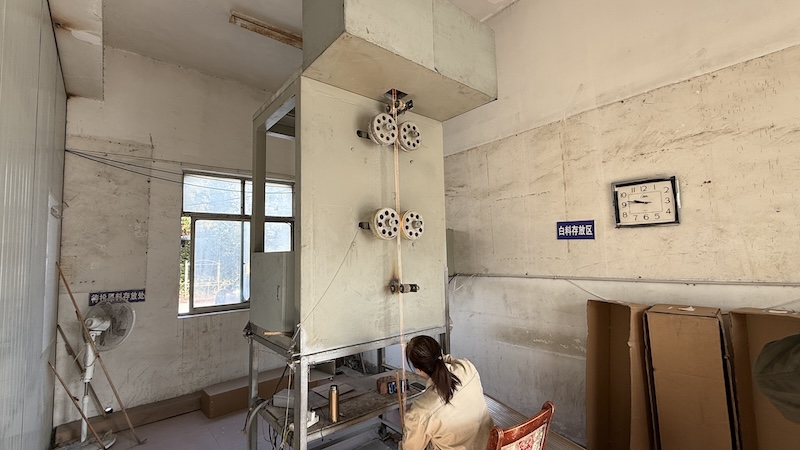
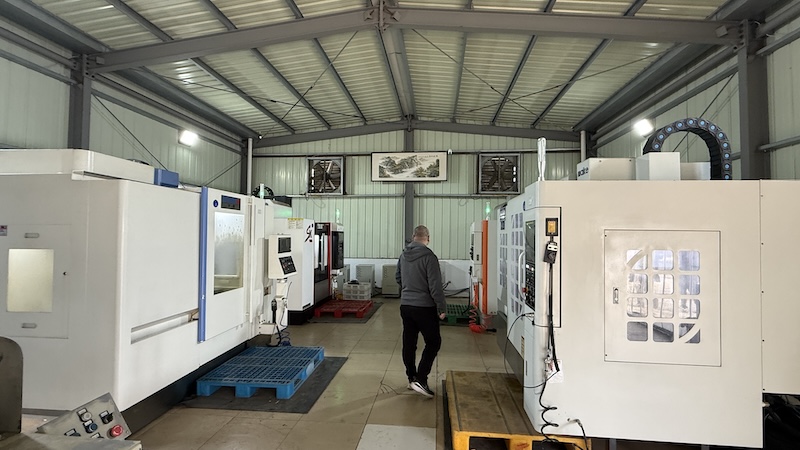
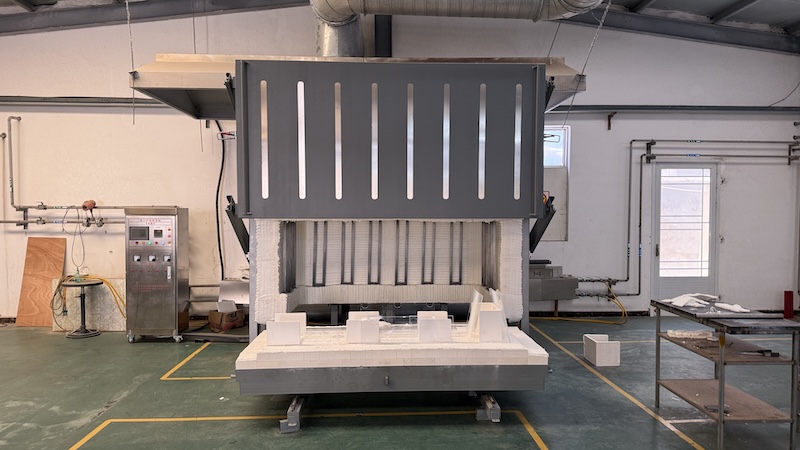
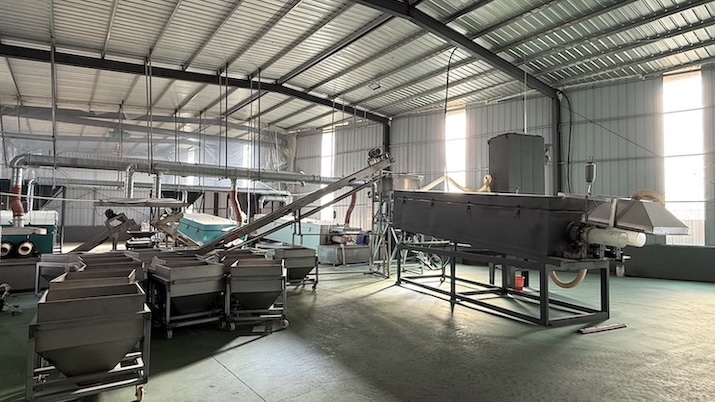
Lovri Quartz Products Co., Ltd. controls the complete integrated processing supply chain in Tuofeng Industrial Park, Lianyungang—China's primary quartz cluster. We eliminate reliance on uncontrolled intermediate preforms by refining natural crystalline silica internally.
Our automated acid pickling and vacuum-thermal fusion guarantee that every quartz tray, combustion boat, and multi-bore carrier delivered to Timor-Leste achieves consistent chemical cleanliness, dimensional tolerances under ±0.02mm, and fully neutralized internal structural stress.
Clear answers to logistical, technical, and compliance inquiries encountered by procurement officers, lab researchers, and EPC directors shipping to Dili.