Specialty Milky & Optical Quartz Tubing & Components
Export-grade fused silica components engineered for diffusion furnaces, epitaxial reactors, infrared rapid thermal processing (RTP), and photovoltaic cell production lines.
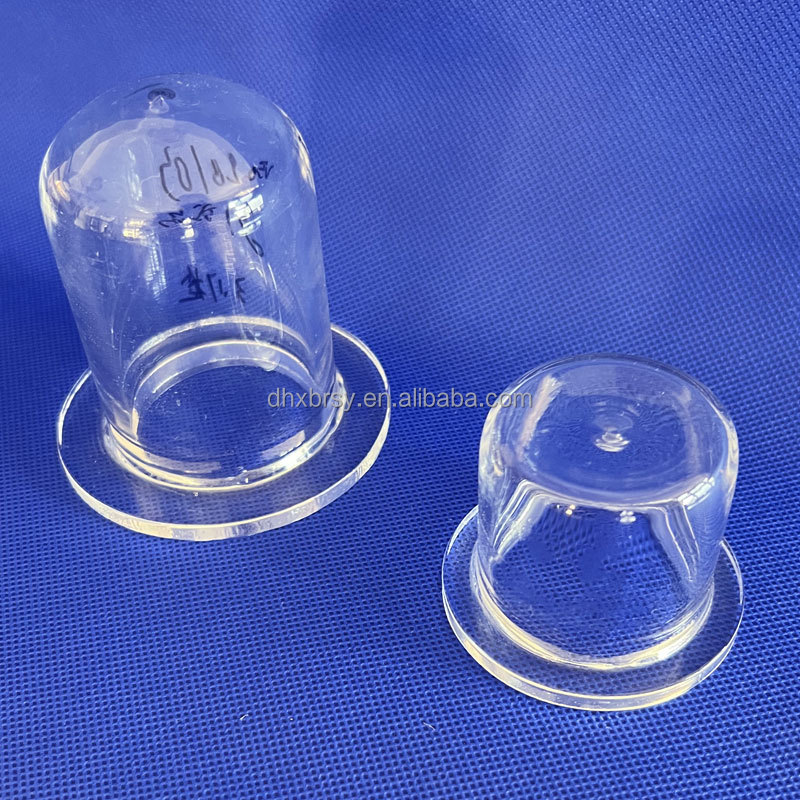
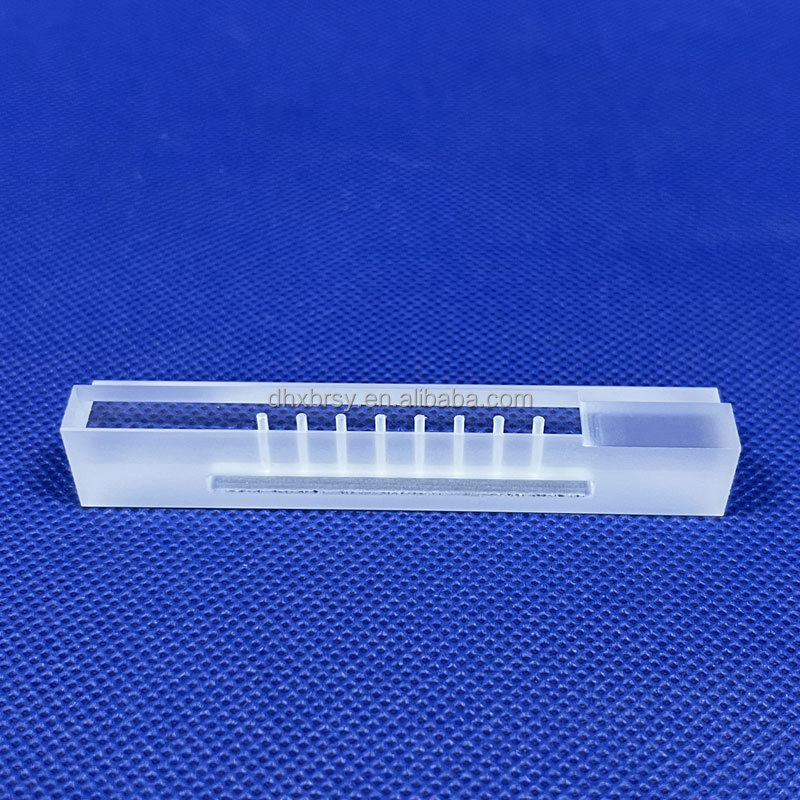

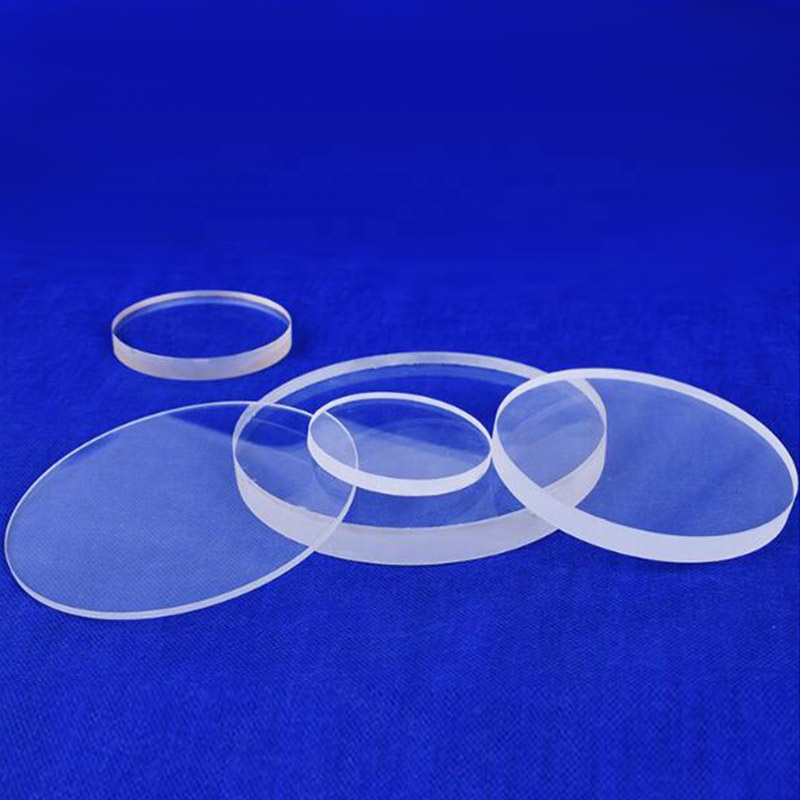
JGS1 BAO RAN High Purity Fused Quartz Glass Sheet SiO2 99.99% UV Transparent ROHS Certified 200 Mesh (75m) Laser Plate Annealed
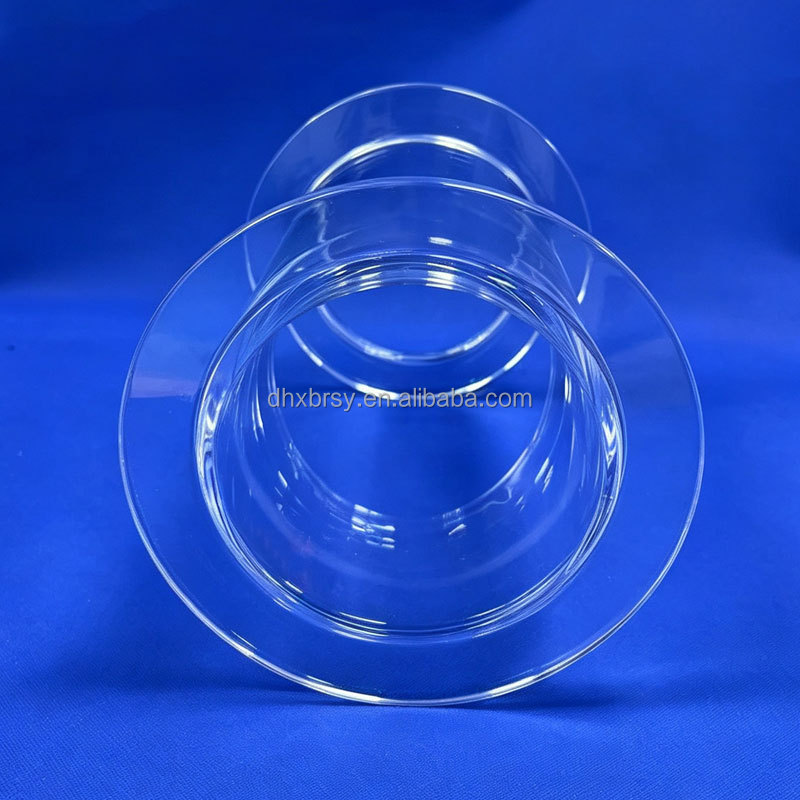
Custom High Purity 99.99% Transparent Fused Silica Quartz Cylinder Double Flange ROHS Certified Semiconductor CVD Reaction
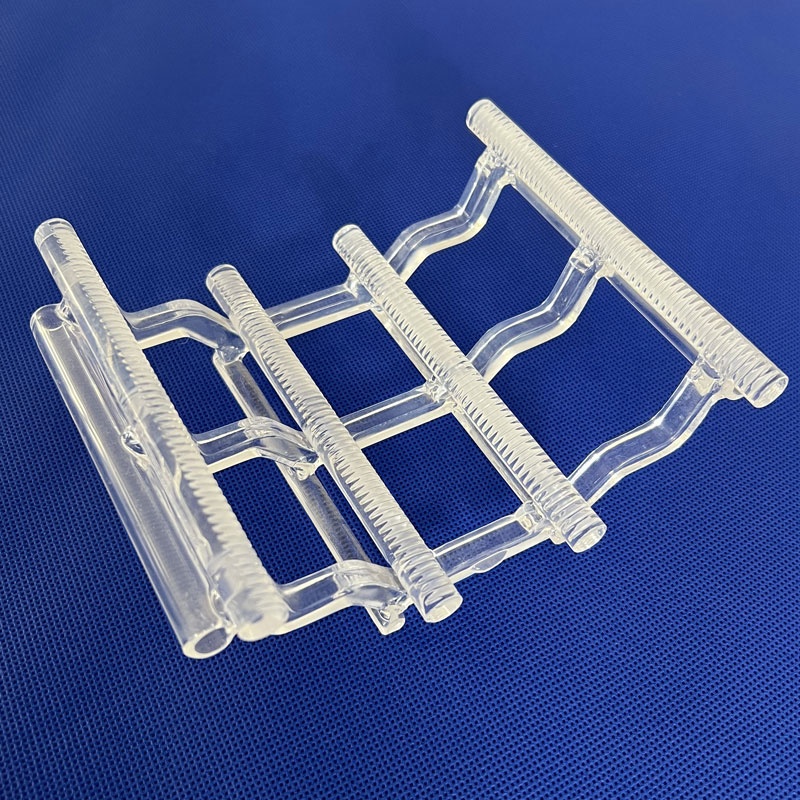
Custom Size High Temperature Fused Quartz Wafer Boat 99.99% Silica Content ROHS Certified Semiconductor Processing Carrier
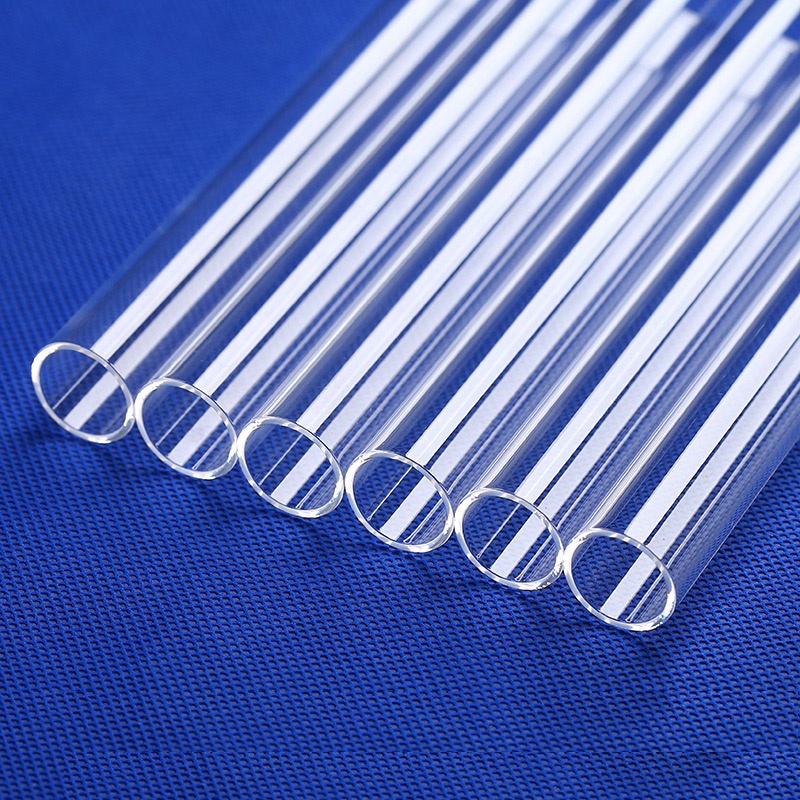
High Precision Clear Quartz Glass Tubing OD 10mm/14mm/20mm Heat Resistant Semiconductor Cleaning Pipeline Welding Bending
The Engineering Physics Behind Milky (Opaque) Quartz Tubing
Understanding micro-bubble light scattering, high infrared emissivity, and structural stability in extreme thermal processing environments.
Micro-Bubble Light Scattering Matrix
Milky quartz (also known as opaque fused silica) owes its characteristic porcelain-white appearance not to chemical dyes, but to millions of uniformly dispersed microscopic gaseous voids (5 to 50 μm) embedded within high-purity amorphous silicon dioxide. These sealed voids cause comprehensive diffuse scattering across the ultraviolet, visible, and near-infrared spectra, preventing line-of-sight heat transmission and eliminating hot spots.
Enhanced Far-Infrared Emissivity
In industrial heating, clear fused quartz allows medium-to-far infrared wavelengths to pass without absorption. Conversely, our milky quartz tubes act as direct blackbody-like converters. Absorbing furnace thermal radiation, they re-radiate infrared energy efficiently within the 2.5 to 15 μm wavelength band. This spectral conversion accelerates industrial drying, glass annealing, and semiconductor heating cycles by up to 34%.
Thermal Barrier & Radial Heat Shielding
Thanks to its closed-cell microporous structure, opaque fused quartz features an apparent thermal conductivity approximately 15% to 22% lower than transparent quartz at temperatures above 800°C. This thermal resistance makes milky quartz sleeves the industry standard for thermal insulators, furnace end-caps, thermocouple protection sheaths, and furnace muffle liners.
| Property Parameter | Milky (Opaque) Fused Quartz | Clear Fused Silica (JGS2/JGS3) | Engineering Practical Significance |
|---|---|---|---|
| SiO&sub2; Chemical Purity | ≥ 99.95% – 99.99% | ≥ 99.99% – 99.999% | Prevents ionic wafer contamination (Fe, Cu, Ni ≤ 1.5 ppm) |
| Apparent Bulk Density | 2.06 – 2.18 g/cm³ | 2.20 – 2.21 g/cm³ | Micro-bubbles reduce weight and thermal mass |
| Coefficient of Thermal Expansion (CTE) | 5.4 × 10−&sup7; / °C (20-1000°C) | 5.5 × 10−&sup7; / °C (20-1000°C) | Withstands direct quenching from 1100°C to ice water |
| Continuous Service Temperature | 1050°C – 1100°C | 1100°C – 1150°C | Annealing point at 1215°C; softening at 1730°C |
| Infrared Absorption & Emissivity (ε) | ≥ 0.90 (in 3.0 – 8.0 μm band) | ≤ 0.15 (near transparent to IR) | Enables rapid thermal absorption and heat shielding |
| Dielectric Strength (20°C, 1MHz) | 25 – 40 kV/mm | 30 – 50 kV/mm | Reliable electrical insulation inside high-voltage heaters |
Why Global Tier-1 Buyers Source From Lovri Quartz
Located in Lianyungang, Jiangsu — the global epicenter of silica refining — we provide complete vertical integration from mined silica rock to precision-machined assemblies.
Complete Vertical Integration
Unlike suppliers who purchase drawn tubing and offer only superficial cutting, Lovri Quartz controls the raw rock pulverizing, multi-stage acid leaching, thermal calcination, electric arc continuous fusion, and precision diamond grinding. This closed-loop control guarantees consistent wall thickness, uniform bubble distribution, and material traceability across shipments.
Zero-Stress Annealing & Polarization Testing
A common cause of premature fracture in quartz furnace tubes is residual internal thermal stress. Our facility features custom-built 6-meter electric annealing furnaces operating automated 48-hour cool-down cycles. Every production batch is inspected via a transmission polariscope to confirm internal stress is maintained below 4 nm/cm, meeting DIN ISO 10110 standards.
Complex CNC Machining & Glass Lathe Hot Working
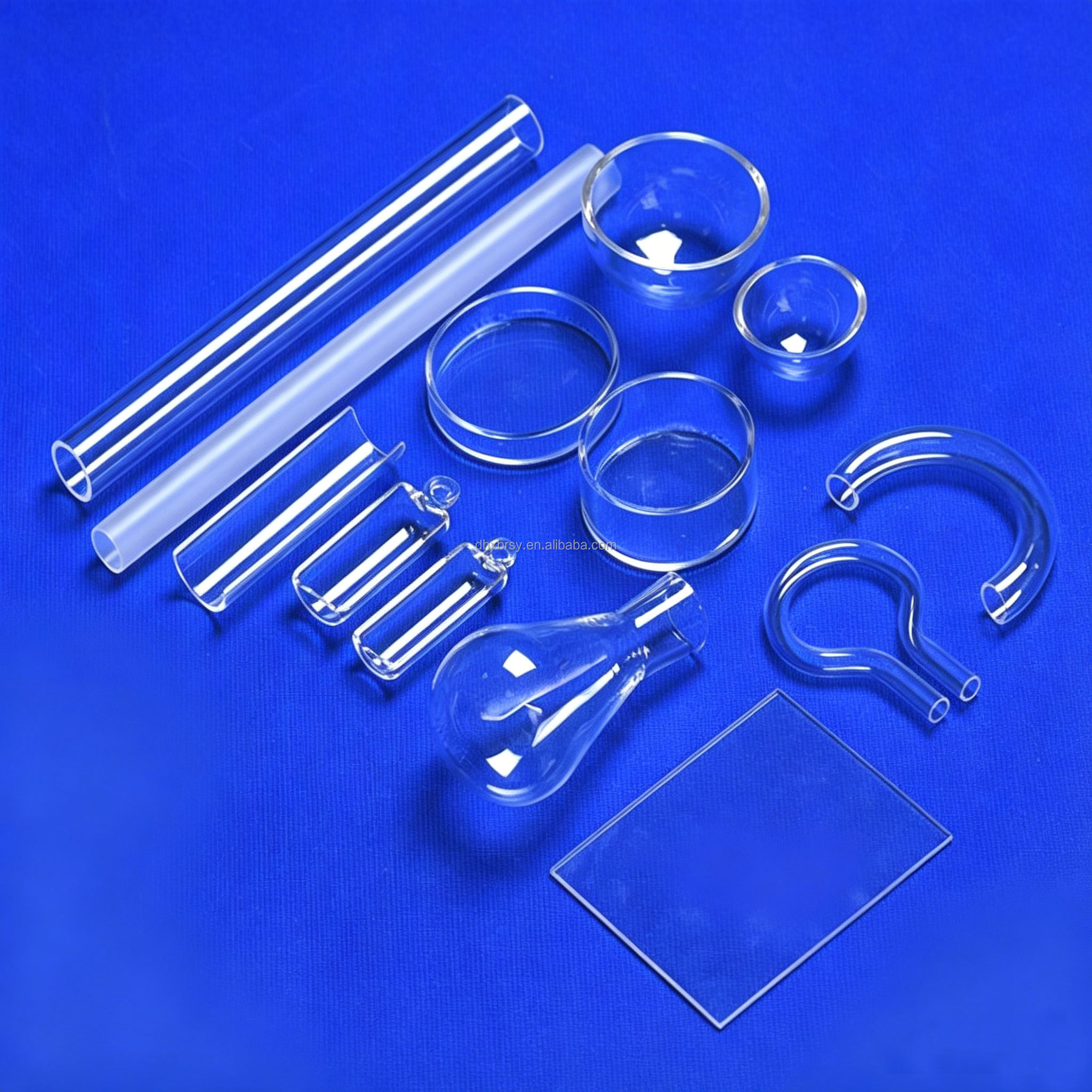
We handle demanding custom drawings: 5-axis CNC ultrasonic milling, high-precision thread cutting (internal/external metric threads), slotting, domed closures, flange fusion, and fused glass branches. Our master glassblowers execute seamless transitions between opaque milky quartz bodies and transparent clear optical viewports.
SGS Audited & Export Compliant Packaging
Audited onsite by SGS Group, our factory complies strictly with RoHS and REACH regulations. To ensure zero breakage across ocean, air, and intermodal freight, fragile quartz components are individually suspension-wrapped in polyethylene foam, vapor-barrier vacuum sealed, and encased in reinforced ISPM-15 export wooden crates.
Future Procurement Trends for Milky Quartz Tubes
Strategic market analysis for supply chain managers, EPC contractors, and equipment designers navigating the evolving fused silica landscape.
1. Tighter Trace Metal Purity Mandates
As semiconductor fabrication migrates beyond 5nm/3nm nodes and solar cells advance to TOPCon and HJT architectures, alkali metal migration is a critical risk. Procurement requirements for milky quartz tubes are shifting from standard 3N5 (≥99.95%) to low-alkali 4N5 (≥99.995%) formulations, specifically restricting Lithium, Sodium, and Potassium content below 0.1 ppm to avoid devitrification catalysis.
2. Preference for Monolithic Welded Sub-Assemblies
Industrial buyers are shifting away from purchasing bare tubes that require domestic downstream glassworking. Procurement is moving toward turn-key engineered assemblies, where opaque quartz tubes arrive pre-welded with clear quartz observation windows, precision ground-taper joints, KF/NW quick-release flanges, or integrated spiral heating coil tracks, minimizing supply chain failure points.
3. Scaling Dimensions for PV Ingot Growth
The global PV market is standardizing on 210mm wafer formats, driving demand for larger diameter silicon crystal pulling and sintering chambers. We are tracking a clear procurement surge in extra-large outer diameter (OD > 350mm up to 600mm) milky quartz insulation cylinders and base crucibles designed to withstand multi-day non-stop thermal cycles without thermal sagging.
Next-Generation Milky Quartz Technological Trends
Innovations in micro-bubble morphology control, synthetic sol-gel cladding, and hybrid composite fused silica.
Engineered Micro-Bubble Pore Distribution
Conventional opaque quartz exhibits random bubble sizes, which can cause micro-fissures during high-speed laser diamond cutting. Next-generation production utilizes controlled gas-injection plasma melting to achieve monodisperse micro-pore matrices (10 μm ± 2 μm). This improves mechanical flexural strength by 28% and creates a uniform thermal barrier without compromising machinability.
Dual-Layer Co-Extruded Tubing
To solve the issue of particulate trapping in the porous inner bore of opaque tubes during chemical vapor deposition, continuous co-extrusion technology creates a seamless composite tube: a high-purity clear fused quartz inner wall (fire-polished, bubble-free, Ra < 0.2 μm) fused to a milky opaque outer jacket for optimal radial thermal insulation.
Doped High-Absorption Formulations
By introducing controlled trace dopants (e.g., Titanium or Cerium) during electric arc synthesis, developmental opaque quartz products provide sharp optical cut-offs, filtering out specific UV lines while maximizing long-wave thermal output. This meets the needs of advanced semiconductor rapid thermal processing and specialty UV disinfection reactors.
Milky Quartz Tube Procurement & Engineering FAQ
Practical technical and logistical answers to support engineering reviews and procurement planning.
What is the physical difference between milky quartz and clear fused quartz?
Both are high-purity amorphous silicon dioxide (≥99.95% to 99.99% SiO&sub2;). Clear quartz is processed to eliminate trapped gas, providing optical transparency from UV to near-IR. Milky quartz incorporates microscopic gas bubbles (5–50 μm) that cause diffuse light scattering, transforming the tube into an opaque, high-emissivity thermal barrier and infrared radiator.
What dimensional tolerances can you maintain on milky quartz tubing?
For standard continuous drawn tubing, we maintain outer diameter (OD) and wall thickness tolerances within ±0.2mm to ±0.5mm depending on diameter. For precision semiconductor applications, our diamond grinding and CNC machining lines hold tight dimensional tolerances of ±0.05mm, with custom end-cut squareness within ≤0.1°.
Does milky quartz devitrify faster than clear quartz at high temperatures?
Devitrification (re-crystallization into cristobalite) is primarily driven by surface alkali metal contamination rather than opacity. Because our milky quartz raw material undergoes deep acid pickling to maintain total alkali metals (Na, K, Li) below 2.0 ppm, its devitrification resistance matches clear fused quartz, maintaining stability up to 1100°C continuous operation.
Can milky quartz tubes be joined or fused with clear quartz glass?
Yes. Because milky and clear fused quartz share the same fundamental coefficient of thermal expansion (5.5 × 10−&sup7; / °C), they can be fused using hydrogen-oxygen torches or automated glass lathes without risk of interfacial shear stress or thermal cracking. This enables configurations like opaque bodies with clear sight windows.
What is your standard lead time and Minimum Order Quantity (MOQ)?
For standard diameters (OD 10mm – 150mm), we support prototype orders from 1 to 5 pieces, typically shipping within 7 business days. Large production orders or complex CNC-flanged assemblies require 2 to 3 weeks. Rapid prototyping with expedited air dispatch is available for urgent line repairs.
How do you guarantee zero transit damage on long or large-diameter tubes?
We use engineered packaging: each tube is individually lined with bubble film, encased in high-density EPE foam cradles, and packed in heavy-duty triple-wall corrugated cartons or custom ISPM-15 fumigated wooden cases. Shock sensors and tilt indicators can be fitted upon request to ensure accountability throughout transit.