High-Purity Quartz Solutions for Daegu Engineering Facilities
Explore our SGS onsite-verified quartz tubes, specialized spiral radiators, laser flow channels, and semiconductor wafer fixtures fabricated from certified raw silica.
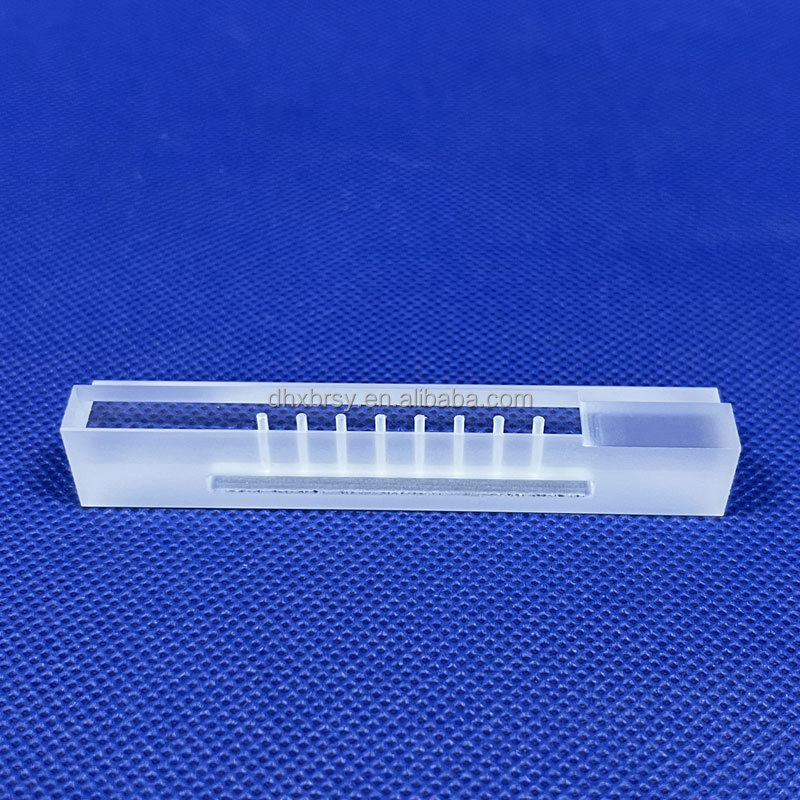
High Purity Fused Quartz V Groove Fixture Precision Machined Quartz Fiber Array Holder Optical Communication Laser 99.99% Silica
Sub-micron accuracy CNC V-grooves for laser diode coupling, optical sensor alignment, and fiber collimators in high-frequency Daegu robotic assembly lines.
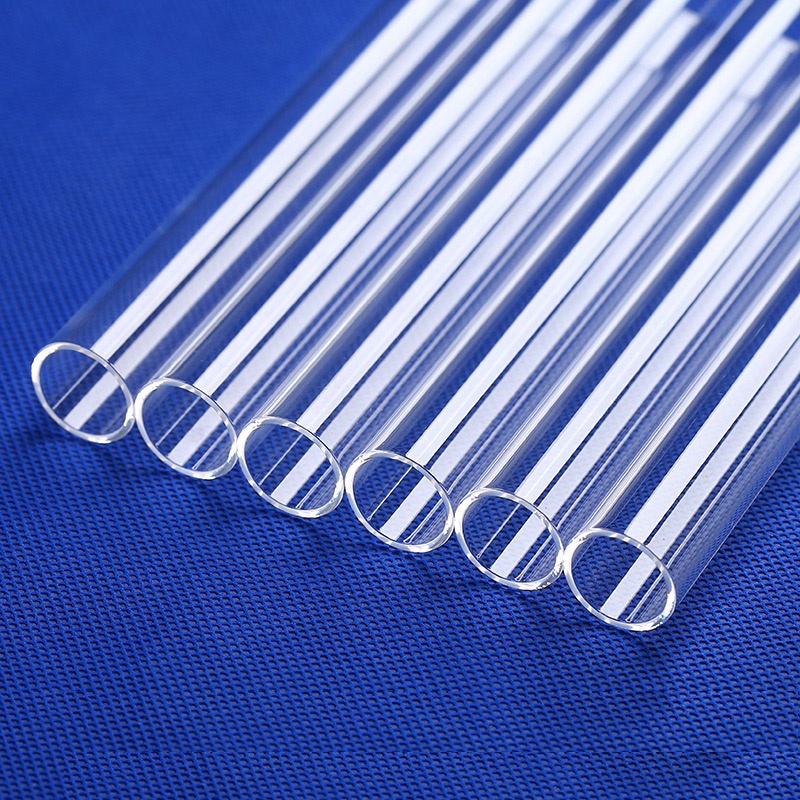
High Precision Clear Quartz Glass Tubing OD 10mm/14mm/20mm Heat Resistant Semiconductor Cleaning Pipeline Welding Bending
Tight tolerance drawn tubing resistant to 1100°C continuous service. Engineered for corrosive acid bath pipelines, ozone conduits, and semiconductor wet bench cleaning.
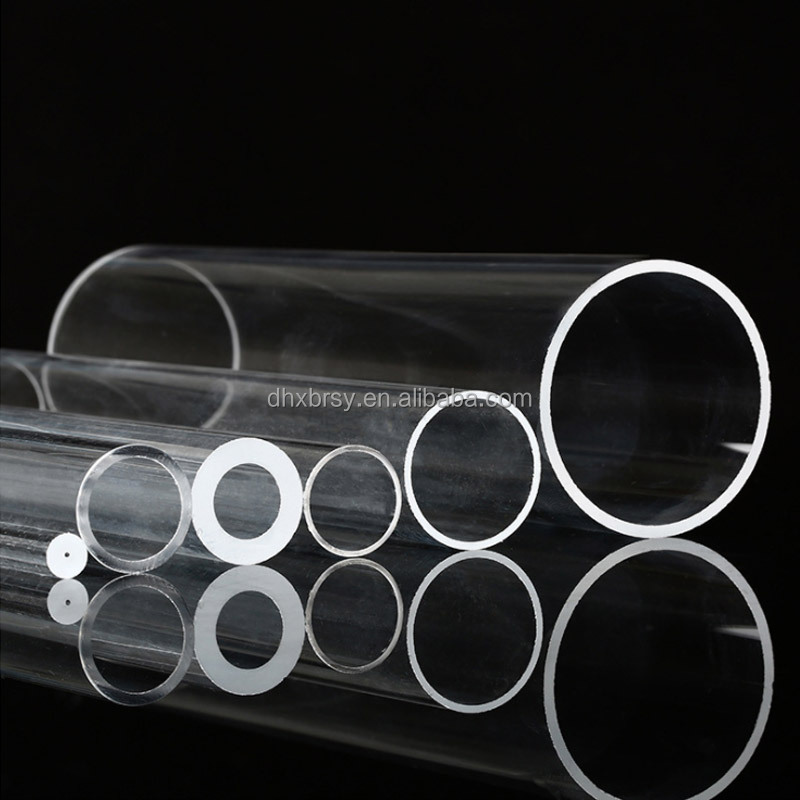
BAO RAN SiO2 Heating Quartz Tube for Disinfection Cabinets Small Industrial Drying & Cavity Use Coffee Makers Water Dispensers
Rapid response infrared heating tube with uniform thermal transfer, minimal thermal inertia, and robust resistance to devitrification in high-cycle heating systems.
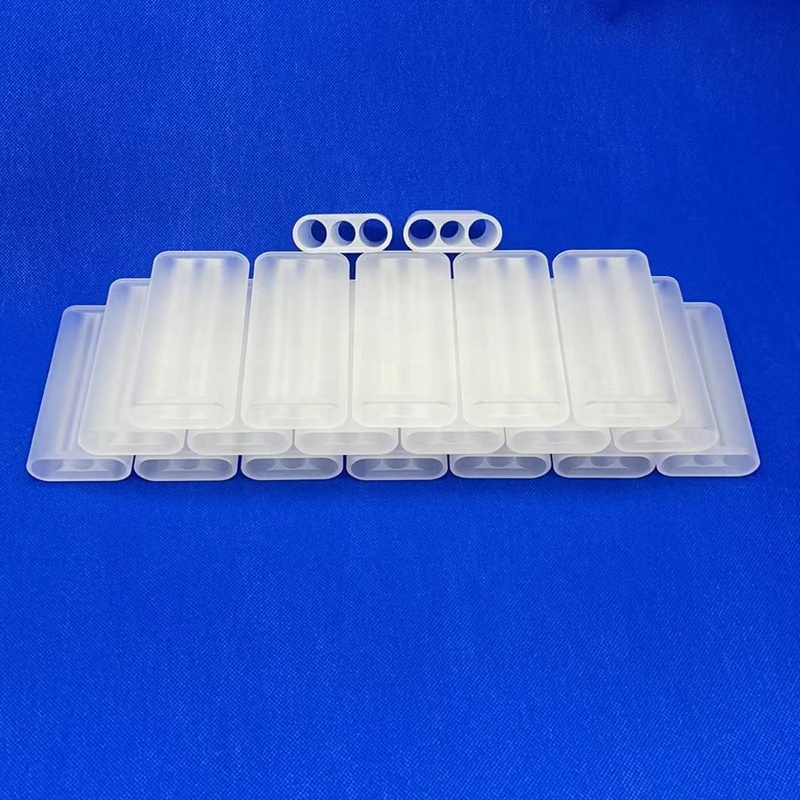
Quartz Triple Bore Flow Tubes Laser C Shape Fused Quartz Welding Bending Cutting Services 99.98% Silica Content ROHS Certified
Precision multi-bore cooling and pump channel tubes for solid-state laser cavities. Seamless fused joints, zero micro-cracks, and superior radiation transmittance.
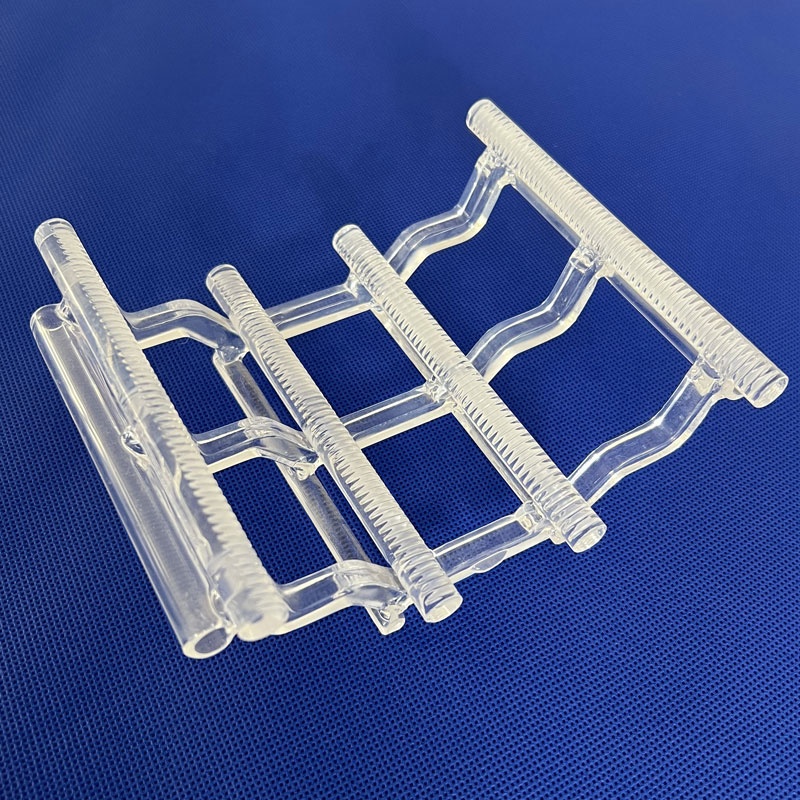
Custom Size High Temperature Fused Quartz Wafer Boat 99.99% Silica Content ROHS Certified Semiconductor Processing Carrier
Ultra-low metallic trace contamination wafer carriers engineered for diffusion furnaces, LPCVD batch processing, and thermal annealing of advanced silicon substrates.
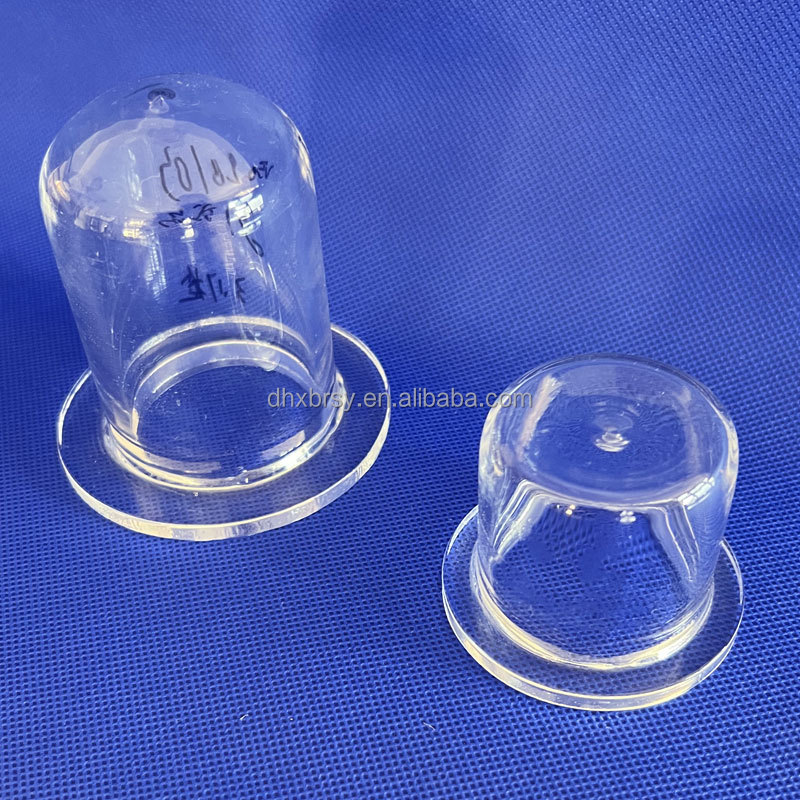
518 Best Quality High Transmittance Fused Quartz 99.99% Silica Content ROHS Certified Clear Photovoltaic Cell Sintering Furnace
Large-diameter sintering furnace reactor tubes offering broad-spectrum optical transmission, elevated softening points (1730°C), and resistance to SAG deformation.
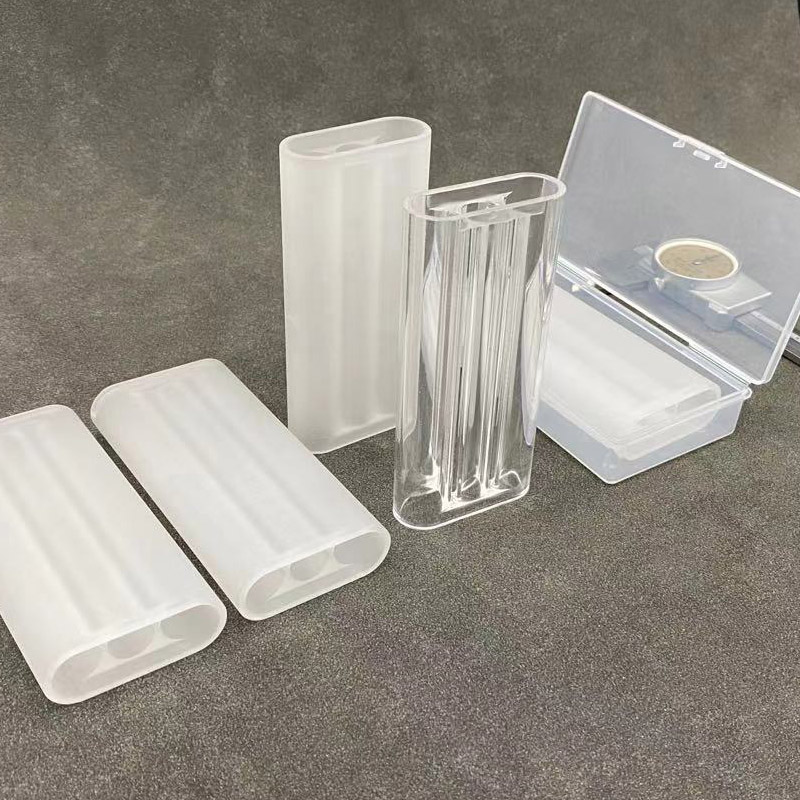
Quartz Candela Triple Bore Fused Quartz 99.98% Silica Customizable Diameter Welding Cutting Bending ROHS Certified for Laser
Specialized tri-bore flow sleeve configured for Candela laser cavities, aesthetic clinical equipment, and high-energy optical pump chambers with polarized stress inspection.
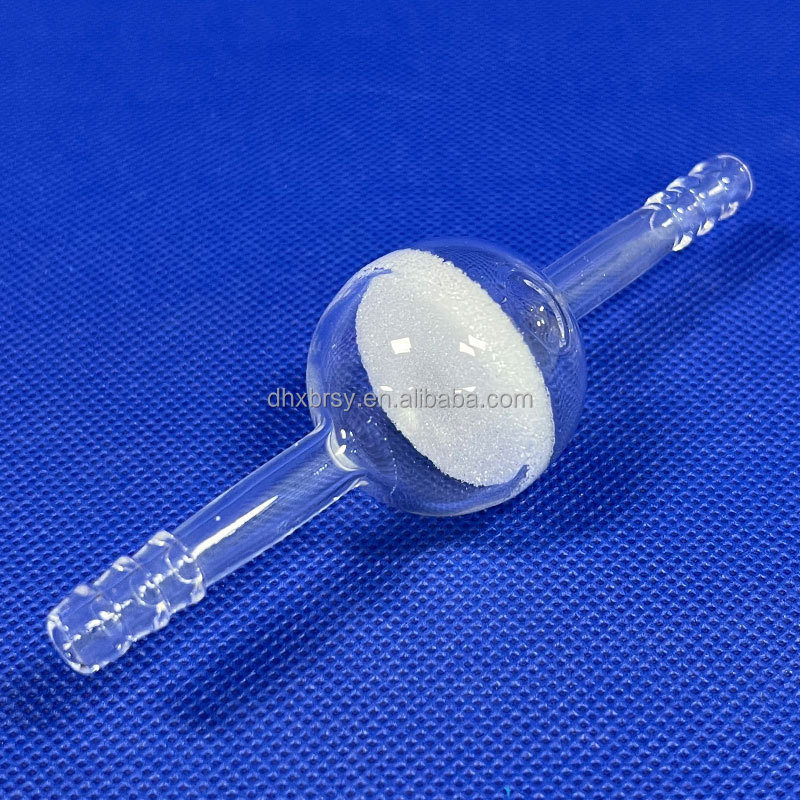
High Purity Transparent Fused Quartz Sheet High Light Transmittance Heat Resistance Customizable Digestion Tube ROHS Certified
Surface-parallel polished quartz substrates and digestion vessels delivering pristine optical clarity, exceptional chemical passivity, and extreme thermal resilience.
Thermal Engineering Principles of Infrared Quartz Spiral Heating Elements
In modern industrial thermal processing, direct radiative efficiency, surface power density, and wavelength matching dictate the energy productivity of manufacturing plants. Across South Korea's industrial powerhouses, particularly in the Daegu Metropolitan Area and North Gyeongsang (Gyeongbuk) corridor, industrial enterprises are actively transitioning from legacy convection furnaces and open resistive metallic elements to high-efficiency fused quartz infrared radiant systems.
An infrared heating quartz spiral tube is not simply an enclosure; it functions as a finely tuned photonic and thermal emitter. Manufactured by wrapping high-purity amorphous fused silica tubing into continuous single- or multi-pitch helical geometries around resistance alloy cores (such as FeCrAl, NiCr, or carbon-tungsten filaments), these tubes provide up to 3.5 times the active radiant surface area compared to linear tubes of identical envelope lengths. This helical design maximizes power concentration within compact spatial envelopes, making it the preferred architecture for localized heating, thermoforming, drying, and rapid thermal annealing.
1. High-Purity Fused Silica (SiO₂) as an Optical and Thermal Dielectric
The operational longevity and optical transmittance of an infrared emitter depend directly on the structural purity of the quartz envelope. Raw silica containing alkali metal impurities (such as Na⁺, K⁺, Li⁺) or hydroxyl ions (OH⁻) exhibits premature failure at temperatures above 900°C due to accelerated crystallization (devitrification into cristobalite), which induces mechanical embrittlement, optical clouding, and stress fractures. Lovri Quartz employs silica pulverized and acid-pickled to 99.99% SiO₂ purity, ensuring an amorphous glass network with virtually zero interstitial defects.
From an optical perspective, transparent fused quartz offers transmission spanning from 200 nm in the ultraviolet spectrum to 3,500 nm in the short-to-medium infrared band. When paired with high-temperature resistance cores operating between 800°C and 1250°C, the peak spectral radiance directly correlates with Wien's Displacement Law ($\lambda_{max} = b / T$), delivering concentrated electromagnetic radiant energy predominantly in the 1.2 µm to 2.8 µm band. Because water, polymeric functional groups (C-H, O-H, C=O bonds), and technical coatings exhibit resonant vibrational absorption precisely in this infrared band, energy transfer occurs instantaneously throughout the material depth rather than relying on sluggish interfacial convective boundary layers.
| Physical / Thermal Parameter | High-Purity Fused Silica (Lovri Quartz) | Standard Borosilicate Glass | Opaque / Translucent Quartz Variant |
|---|---|---|---|
| Chemical Composition (SiO₂ Content) | ≥ 99.99% (Optical/Semiconductor Grade) | ≈ 80 - 81% (With B₂O₃, Na₂O, Al₂O₃) | ≥ 99.95% (Micro-bubble diffuse silica) |
| Softening Point (Viscosity η = 10⁷.⁶ dPa·s) | ≈ 1730 °C | ≈ 820 °C | ≈ 1710 °C |
| Continuous Maximum Working Temp. | 1100 °C - 1150 °C | ≈ 450 °C - 500 °C | 1050 °C - 1100 °C |
| Short-Term Peak Thermal Tolerance | 1300 °C - 1400 °C | ≈ 550 °C | 1300 °C |
| Linear Thermal Expansion Coeff. (20-300°C) | 5.5 × 10⁻⁷ / °C (Thermal Shock Immune) | 33 × 10⁻⁷ / °C | 5.4 × 10⁻⁷ / °C |
| Thermal Shock Resilience (ΔT Quench) | ΔT ≥ 1100 °C to cold water without fracture | ΔT ≈ 150 °C failure threshold | ΔT ≥ 1000 °C to cold water |
| Dielectric Strength (at 20°C, 1MHz) | 25 - 40 kV/mm | 15 - 20 kV/mm | 20 - 30 kV/mm |
| Radiative Transmission Band | 0.19 µm to 3.5 µm (Direct NIR/MIR) | 0.32 µm to 2.5 µm (Surface Absorptive) | Diffused IR Scatterer / Primary MIR-FIR |
2. Geometry & Helical Mechanics: Thermal Flux Optimization
Spiral quartz configurations provide substantial mechanical and thermodynamic advantages over straight tube arrays. When configured as a spiral cylinder (helical barrel) or a planar spiral coil, the heating element acts as an integrated thermal cavity. Radiation emitted inward from opposite coils undergoes multiple internal reflections and re-radiation, creating an isothermal heating core ideal for cylindrical processing pipelines, wire drawing, high-speed tubular web heating, and liquid sanitization chambers.
Furthermore, fused silica possesses an exceptionally low thermal expansion coefficient of $5.5 \times 10^{-7} /^\circ\text{C}$. This virtually eliminates thermal stress during rapid on/off duty cycles (fast-cycling PID control). While metal sheaths or ceramic substrates deform, distort, or fracture under rapid ramping (reaching up to 100°C/sec), Lovri Quartz spiral tubes endure thousands of continuous thermal cycles between ambient temperatures and 1100°C without dimensional creep, mechanical failure, or electrical isolation breakdown.
Localized Application Scenarios Across Daegu's Industrial Complexes
Daegu is recognized as South Korea's high-tech manufacturing capital, combining traditional automotive component production, technical textiles, and precision machinery with cutting-edge advancements in electric vehicle (EV) battery packs, robotics, and cleanroom biomedical equipment. Lovri Quartz delivers custom infrared heating quartz spiral tubes, high-precision drawn tubes, and wafer carriers engineered to address the specific thermal engineering challenges of Daegu's key industrial districts.
1. EV Battery & Automotive Component Curing (Seongseo Complex)
Within the Seongseo Industrial Complex (달서구 성서산업단지), Tier-1 automotive and EV battery manufacturers utilize our spiral quartz heaters for rapid thermal curing of structural adhesives, battery cell sealants, and anti-corrosion chassis coatings. The immediate short-wave infrared radiance eliminates thermal lag, cutting drying cycle times by up to 65% while preventing surface skinning and bubble defects.
Seongseo Complex · Automotive & EV2. High-Tech Technical Textile Drying (Seogu Dyeing Complex)
Daegu's dyeing and technical fabric centers (서구 비산동 염색산업단지 & Dalseong) produce advanced hydrophobic, flame-retardant, and carbon-fiber textiles. Quartz spiral heaters deliver non-contact, zoned infrared radiation that penetrates deep into multi-layer composite yarns, ensuring uniform dye fixing and solvent vaporisation without scorching delicate polymer fibers.
Seogu Dyeing Complex · Technical Textiles3. Robotics, Precision Sensors & Laser Optics (Technopolis)
In Daegu Technopolis (달성군 현풍) and Gumi-adjacent corridors, precision automation manufacturers integrate our ultra-pure quartz spiral sleeves and triple-bore optical tubes into cleanroom sensors, laser diode pumping chambers, and vacuum de-gassing chambers where zero-outgassing and particle-free operation are critical.
Technopolis · Robotics & PhotonicsDecarbonization and High-Precision Heating Trends in Daegu (2025–2030)
The manufacturing sector in Daegu and the broader Yeongnam economic region is experiencing a major technological transition driven by ESG mandates, strict carbon neutralization targets, and high energy costs. Analyzing procurement data from engineering leaders in Daegu highlights three dominant industrial trends:
A. Rapid Replacement of Fossil-Fueled Hot-Air Burners
Historically, textile drying, plastic annealing, and metal preheating facilities relied on LNG or LPG gas convection tunnels. However, these systems lose more than 55% of their thermal energy up the exhaust stack and face increasingly stringent South Korean carbon emission penalties. Electric infrared quartz spiral tubes achieve an electrical-to-radiant conversion efficiency exceeding 92%. By applying directional radiant heat directly to target substrates, Daegu factories reduce their net factory floor carbon emissions while saving between 30% and 48% on quarterly energy bills.
B. Shift Toward Class 100/1000 Cleanroom Processing
As Daegu accelerates its investments in secondary batteries (cathode slurry drying, separator thermal stabilization) and semiconductor packaging, traditional open-coil or ceramic emitters have become unacceptable due to ceramic binder outgassing, metal spallation, and particle shedding. Lovri's 99.99% high-purity quartz envelopes fully contain the internal heating alloys, generating zero particulate contamination, zero ionic emission, and zero volatile chemical release, meeting the stringent hygiene requirements of Korean cleanroom production lines.
C. High-Speed Closed-Loop PID Thermal Profiling
Next-generation automated assembly lines demand sub-second thermal responsiveness. Unlike bulky ceramic or metal casting heaters that require 15 to 30 minutes to warm up and retain residual heat for an hour, low-mass quartz spiral tubes reach 90% peak radiance within 1.5 to 3 seconds of power delivery. When an automated conveyor stops, the quartz emitter cools down almost immediately, preventing costly substrate melting, belt damage, and workshop fire hazards.
Why Daegu Procurement Teams Rely on Lovri Quartz
From chemical refining of raw silica to 5-axis CNC machining, our 14,271 m² production facility guarantees end-to-end quality, traceability, and material authenticity.
Full In-House Industrial Synthesis: Raw Sand to Finished Helical Optics
Unlike trading companies or secondary re-sellers, Lovri Quartz controls the complete quartz manufacturing workflow inside Tuofeng Industrial Park in Lianyungang, China—the global hub of high-purity silica resources. We process raw silica through crushing, high-temperature multi-acid pickling, and electric arc melting right to the final drawing of quartz spiral coils.
- 14,271 m² Audited Plant: Onsite assessed and verified by SGS Group for industrial production scale.
- Total Control Over Purity: Complete chemical refining achieving ≥ 99.99% SiO₂ with total metallic impurities below 20 ppm.
- Polarization Stress Annealing: Every spiral tube and quartz fixture undergoes specialized optical polarization testing to eliminate micro-strain.
- Drawing-to-Part Customization: Rapid prototyping from 1 piece based on customer CAD/STEP files with full ODM/OEM support.
Integrated Manufacturing Workflow
Every stage is governed under stringent ISO9001 and RoHS-compliant quality assurance protocols:
Acid pickling removes iron, copper & alkali traces.
Precision drawing towers holding ±0.05mm tolerances.
Gas lathe spiral winding and vacuum sealing.
Polarized testing, custom foam, reinforced wooden crating.
Export-Grade Assurance for Korean Buyers: Comprehensive chemical assay documentation, dimension reports, and shock-resistant crating configured for direct Daegu customs clearance.
Frequently Asked Questions for Daegu Engineers & Buyers
Addressing common technical, certification, logistics, and design-in questions encountered when procuring industrial quartz components from South Korea.
What are the key differences between transparent, translucent, and milky-white opaque quartz spiral tubes?
How does Lovri Quartz prevent transit damage during shipping to Busan/Incheon and onward to Daegu?
Can we request custom spiral tube dimensions, coil pitches, and integrated ceramic/metal terminals?
How does fused quartz resist devitrification during prolonged continuous operation at 1000°C?
What documentation and compliance certifications do you provide for Korean customs and quality audits?
What is your Minimum Order Quantity (MOQ) and lead time for initial engineering prototypes?
Streamlined Procurement Protocol for Daegu Industrial Buyers
Procuring custom fused quartz infrared heating elements and precision glass apparatus directly from our factory floor is transparent, fast, and secure. We operate dedicated commercial and technical desks familiar with South Korean import protocols and industrial supply standards:
Accelerate Your Thermal Processing Efficiency in Daegu
Whether you require standard replacement quartz heating tubes, custom-wound spiral coils, or specialized semiconductor fused silica apparatus, our engineering team is ready to analyze your drawings and supply high-durability solutions.