High-Purity Quartz Windows & Engineered Components
Explore our SGS-verified fused quartz and synthetic fused silica components engineered for ultra-violet transmission, severe thermal cycling, and high-vacuum integrity.
Optical & Physical Superiority of JGS1 Synthetic Fused Silica
A rigorous evaluation of transmission spectra, hydroxyl band absorption, and structural stress relief for Graz optical engineers.
In high-precision photonics and advanced semiconductor fabrication, the selection of transmissive window materials defines the operating boundaries of the entire optical train. JGS1 optical quartz glass is a high-grade synthetic fused silica synthesized via the chemical vapor deposition (CVD) or flame hydrolysis of silicon tetrachloride (SiCl4) in an oxygen-hydrogen environment. Unlike naturally melted quartz (such as JGS2 flame-fused or JGS3 electrically fused quartz), JGS1 exhibits negligible bubble content, an absence of microscopic crystalline grain boundaries, and impurity levels below 1 part per million (ppm) for heavy transition metals like Fe, Ti, Cr, and Ni.
For scientific instrumentation builders and cleanroom process engineers located throughout the Graz innovation region—including research clusters centered at Graz University of Technology (TU Graz), Silicon Austria Labs (SAL), and specialized test facilities in Styria—the primary metric of choice is ultraviolet transmittance across the deep ultraviolet (DUV) band. JGS1 synthetic silica delivers exceptional internal transmittance from 185 nm to 2500 nm, completely eliminating the deep ultraviolet cutoff inherent to standard borosilicate or optical soda-lime windows. Crucially, its high hydroxyl (OH⁻) content (typically between 800 to 1200 ppm) provides exceptional resistance against high-energy radiation and excimer laser irradiation, preventing the formation of color centers (E-centers) and solarization under 193 nm (ArF), 248 nm (KrF), and 266 nm quadrupled Nd:YAG laser exposure.
| Property / Specification Parameter | JGS1 (Synthetic Fused Silica) | JGS2 (Flame-Fused Quartz) | JGS3 (Electrically Fused Silica) |
|---|---|---|---|
| Raw Material Source | Synthetic SiCl4 Precursor | High-purity natural quartz sand | Purified crystal quartz granules |
| Spectral Transmission Range | 185 nm – 2,500 nm (DUV to NIR) | 220 nm – 2,500 nm (Standard UV) | 260 nm – 3,500 nm (Visible to Mid-IR) |
| Internal Transmission @ 200 nm (5mm thick) | ≥ 90.0% | ≈ 75.0% - 82.0% | < 50.0% (Strong cutoff) |
| Hydroxyl (OH⁻) Concentration | 800 – 1,200 ppm (High OH) | 150 – 200 ppm (Medium OH) | < 5 ppm (Water-free IR grade) |
| Refractive Index (nd @ 587.6 nm) | 1.4585 | 1.4584 | 1.4585 |
| Thermal Expansion Coefficient (0–300°C) | 5.5 × 10⁻⁷ / °C | 5.5 × 10⁻⁷ / °C | 5.4 × 10⁻⁷ / °C |
| Laser-Induced Damage Threshold (LIDT @ 266nm, 10ns) | > 8.5 J/cm² | ≈ 4.2 J/cm² | ≈ 3.5 J/cm² |
| Bubble & Inclusion Grade (ISO 10110) | 0/0 (Bubble-free visual quality) | Class 1–2 minor micro-bubbles | Class 2 inclusions tolerated |
Localized Applications in Graz's Advanced High-Tech Sector
How our precision JGS1 UV optical windows and fused silica assemblies empower Styria's industrial giants and scientific pioneers.
Silicon Alps Microelectronics & Sensor Fabs
Graz serves as the epicentre of Austria’s semiconductor and sensor industry (including Premstätten and the Silicon Alps cluster). Fabs and cleanroom facilities require JGS1 UV quartz windows as high-transmission viewports in plasma-enhanced chemical vapor deposition (PECVD), reactive ion etching (RIE), and wafer inspection tools. The material’s resistance to fluoride plasmas (CF4, SF6) and zero metallic contamination prevents batch contamination during deep-submicron lithography and photolithography aligner calibration.
Automotive Powertrain & Combustion Optics (AVL Ecosystem)
With global automotive engineering leaders like AVL List GmbH headquartered along the Mur River in Graz, optical diagnostic windows encounter brutal operational environments. JGS1 quartz sight glasses are fitted directly into optical combustion engines and exhaust particulate analyzers. These windows withstand chamber pressures over 150 bar and instant thermal jumps exceeding 800°C while maintaining transmission for Planar Laser-Induced Fluorescence (PLIF) and Particle Image Velocimetry (PIV).
Analytical Metrology & High-End Laboratory Instruments
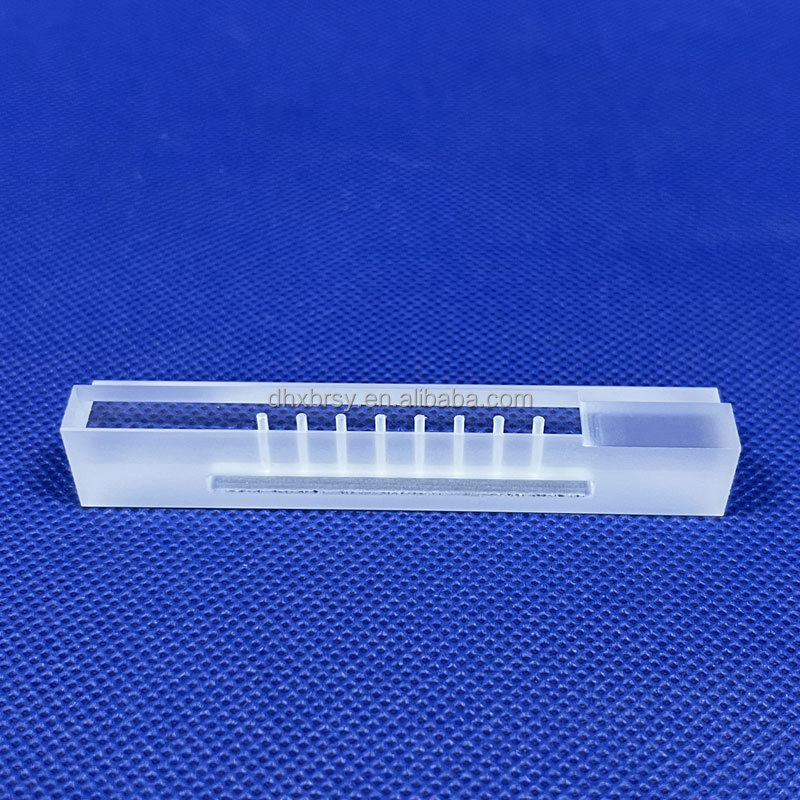
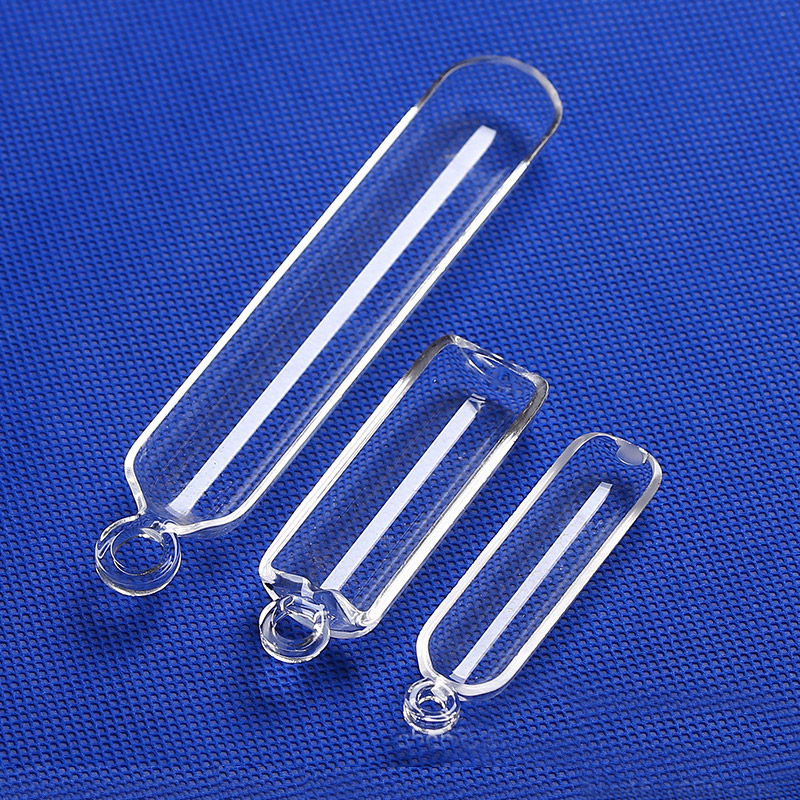
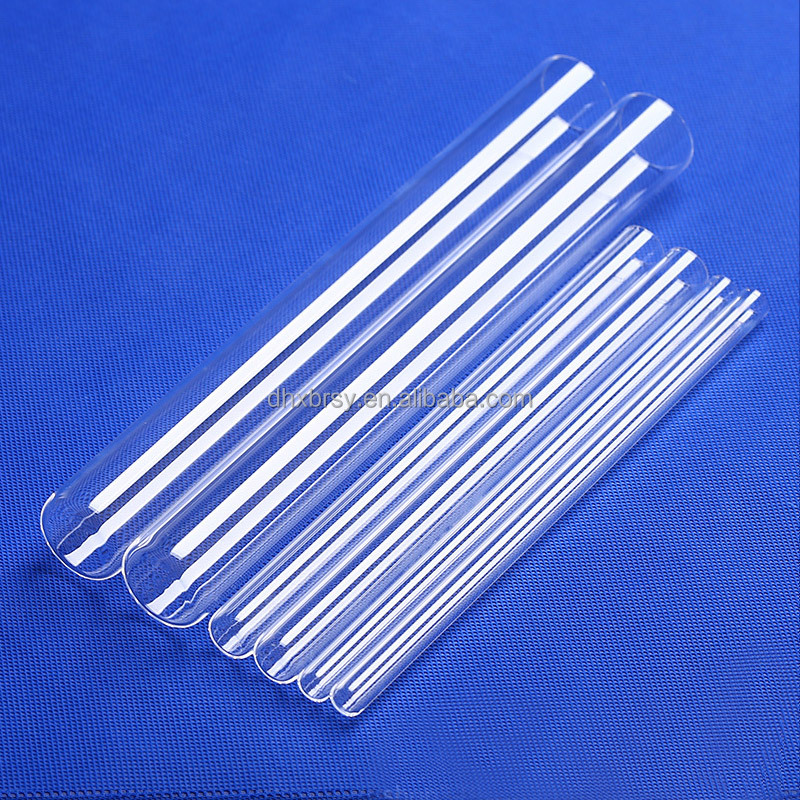
World-class analytical equipment innovators based in Graz (such as Anton Paar and associated life science spin-offs from University of Graz) integrate JGS1 fused silica flow cells, polarimeter windows, and density meter tubes. JGS1’s absolute chemical resistance against organic solvents, aggressive acids, and enzymatic buffers guarantees baseline stability in high-performance liquid chromatography (HPLC) DUV absorbance detectors.
Our Manufacturing Advantages & Purity Governance
From chemical purification in Lianyungang’s premier quartz belt to multi-axis CNC optical finishing and polarization testing.
Located in Lianyungang, Jiangsu Province—the global manufacturing nucleus of fused quartz synthesis—Lovri Quartz Products Co., Ltd. governs an end-to-end 12-stage production pipeline. While secondary optical brokers rely on re-sellers, our direct furnace control ensures that every raw ingot undergoes pulverizing, multiple acid leaching treatments to purge transitional metal traces, and high-temperature vacuum sintering. Every quartz blank destined for European research and production lines is annealed at 1,215°C with a controlled multi-hour cooling curve to completely extinguish internal residual stresses.
Our machine park includes 5-axis CNC ultrasonic diamond machining centers, precision cylindrical and double-sided planetary pitch-polishing equipment, and automated CNC laser cutting stations. For our clients in Graz and greater Austria, this enables surface scratch-dig tolerances compliant with MIL-PRF-13830B (20/10 scratch/dig) or ISO 10110 standards, edge chamfering down to ±0.05 mm, and custom anti-reflective (AR) optical dielectric coatings designed for 193 nm, 248 nm, 266 nm, or dual-band DUV/Visible transmission.
SGS-Inspected Verification
Our facilities, testing cleanrooms, and operational lines undergo recurring on-site assessments by SGS Group, verifying raw material certificates, RoHS compliance, and dimensional tracing.
Stress Polarization Testing
Every single optical window batch is verified via cross-polarization polarimeters to guarantee optical path retardation under 5 nm/cm, preventing stress-induced beam distortion under high power.
Custom CAD/STEP Prototyping
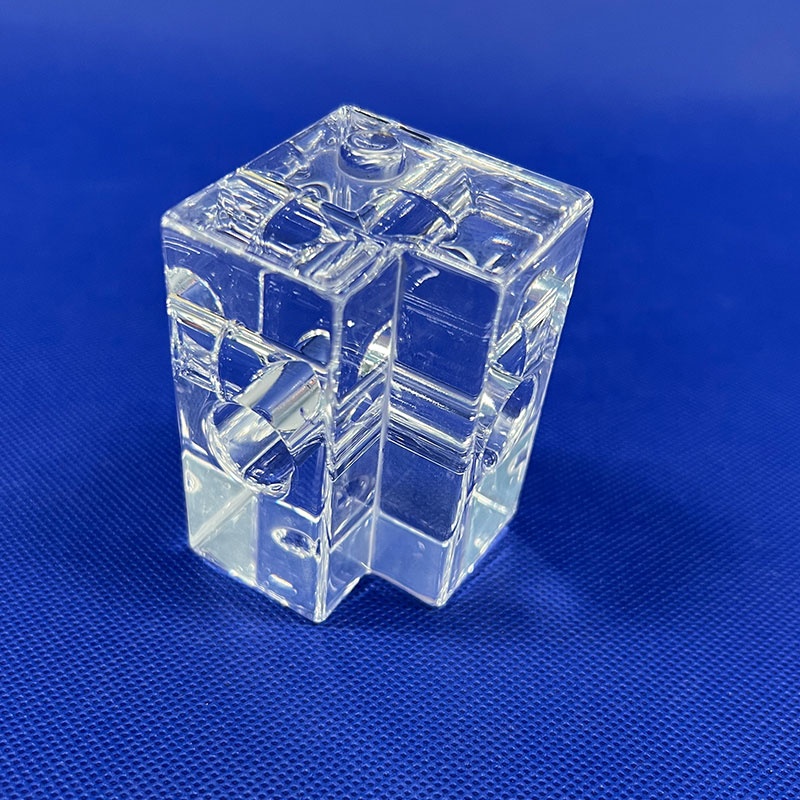
Whether you require a standard circular 25.4 mm window or a complex multi-stepped sight port with laser-welded flanges, our engineers process STEP, DWG, and PDF files starting from 1-piece prototypes.
Shock-Proof Export Logistics
Optics are individually vacuum-sealed in cleanroom membrane boxes, buffered with multi-layer high-density closed-cell foam, and crated for express air freight straight to Graz Airport (GRZ) or direct facility loading docks.
Styrian Market Dynamics & Procurement Trends
Navigating the EU Chips Act, localized quality mandates, and supply-chain diversification for Austrian B2B purchasers.
The electronics and photonic landscape across Austria, particularly anchored by the Silicon Alps Cluster in Styria and Carinthia, is undergoing an unprecedented capital expansion driven by the European Chips Act and domestic green-transition investments. As wafer foundries and optical research hubs in Graz accelerate prototyping, procurement teams face two severe headwinds: excessively long lead times from domestic European optical brokers (frequently exceeding 16–22 weeks) and hyper-inflated distributor markups.
Consequently, procurement directors and optical mechanical designers across Styria are increasingly pivoting toward direct-from-manufacturer sourcing agreements with certified Tier-1 Asian synthetic quartz synthesizers. By partnering directly with Lovri Quartz, European engineering enterprises eliminate intermediary margins—achieving 30% to 50% cost reductions while maintaining complete batch traceability, material purity documentation (GD-MS chemical purity data), and short 2-to-3-week manufacturing turnarounds for custom optical batches.
Frequently Asked Questions by Graz Procurement Teams
Clear, direct answers regarding customs, optical verification, material selection, and delivery to Austria.
What specific advantages does JGS1 have over JGS2 quartz in deep-UV applications?
Can you machine custom dimensions, drilled holes, and optical bevels according to our STEP or DXF files?
How are customs duties, Austrian import VAT (EUST), and shipping documentation handled for deliveries into Graz?
How does Lovri ensure that high-precision optical quartz windows do not crack or chip in transit to Europe?
What is your Minimum Order Quantity (MOQ) for custom-dimensioned JGS1 prototyping?
Do you offer anti-reflective (AR) optical coatings for UV laser wavelengths?
Request Custom JGS1 Quartz Windows for Your Graz Facility
Submit your optical drawings, required transmission bands, dimensional tolerances, and quantity requirements. Our optical engineers evaluate manufacturability and deliver comprehensive technical quotations within 24 hours.
Get Catalog