Precision Laboratory Quartz Portfolio
Engineered to withstand extreme thermal gradients (>1100°C), corrosive acids, and deep UV spectrographic diagnostics. Review our 8 standard and customized apparatus lines designed for industrial laboratories.
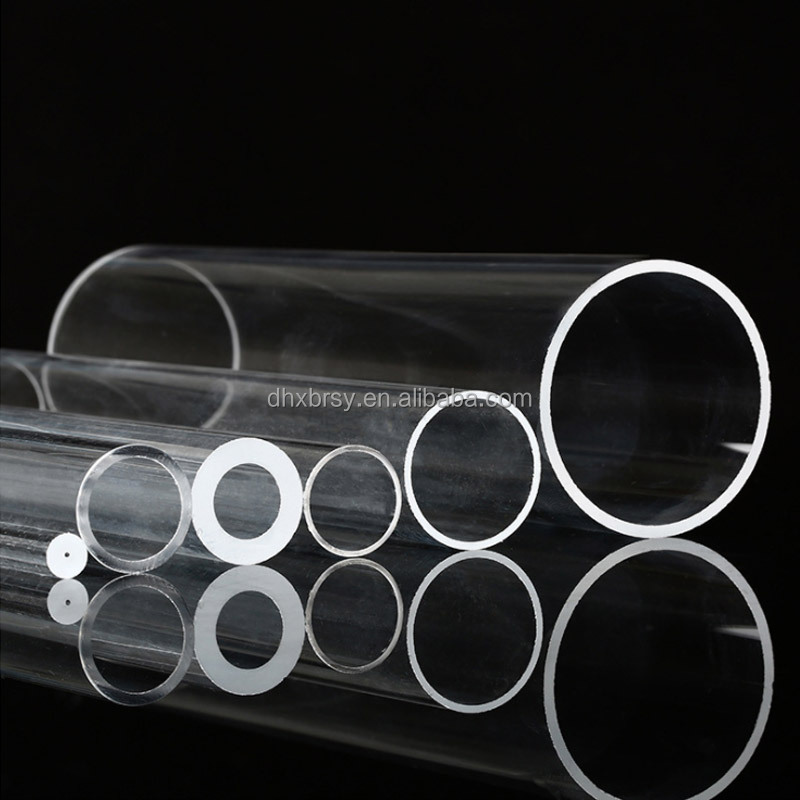
BAO RAN SiO2 Heating Quartz Tube for Disinfection Cabinets Small Industrial Drying & Cavity Use Coffee Makers Water Dispensers
- High-purity transparent silica tube
- Rapid thermal response without devitrification
- Custom filament cavity dimensioning

JGS1 BAO RAN High Purity Fused Quartz Glass Sheet SiO2 99.99% UV Transparent ROHS Certified 200 Mesh (75m) Laser Plate Annealed
- Deep UV transmittance down to 185 nm
- Zero bubble grade & polarization annealed
- Optically polished for laser observation
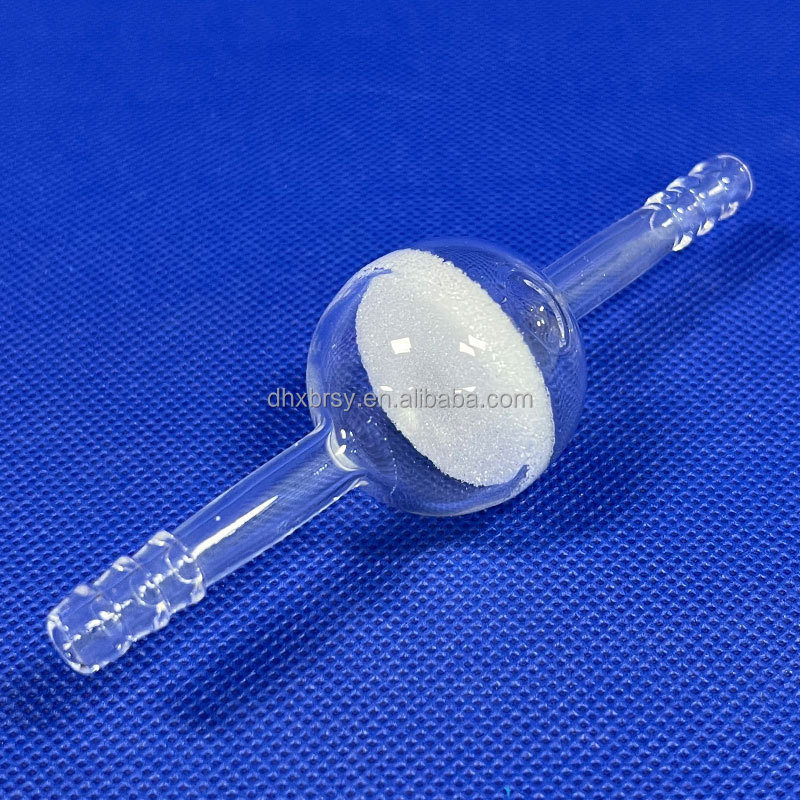
High Purity Transparent Fused Quartz Sheet High Light Transmittance Heat Resistance Customizable Digestion Tube ROHS Certified
- Immune to nitric, sulfuric & perchloric acids
- Trace metal blank levels < 0.1 ppb
- Custom calibrated volumetric graduations
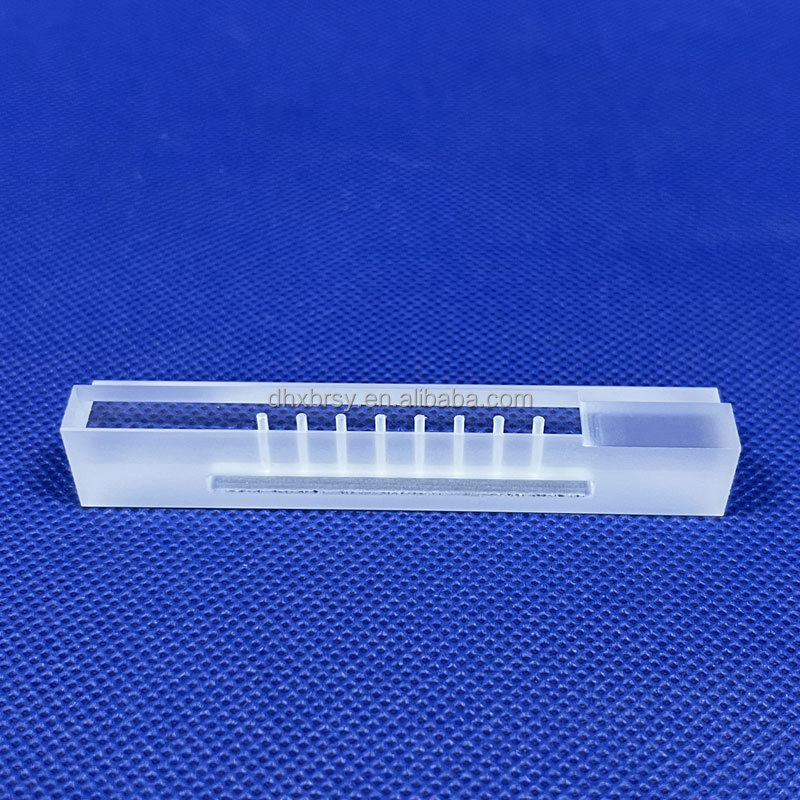
High Purity Fused Quartz V Groove Fixture Precision Machined Quartz Fiber Array Holder Optical Communication Laser 99.99% Silica
- CNC sub-micron groove pitch tolerances
- Ultra-low CTE (5.5 × 10⁻⁷/°C) stability
- Clean-room packaging for photonics
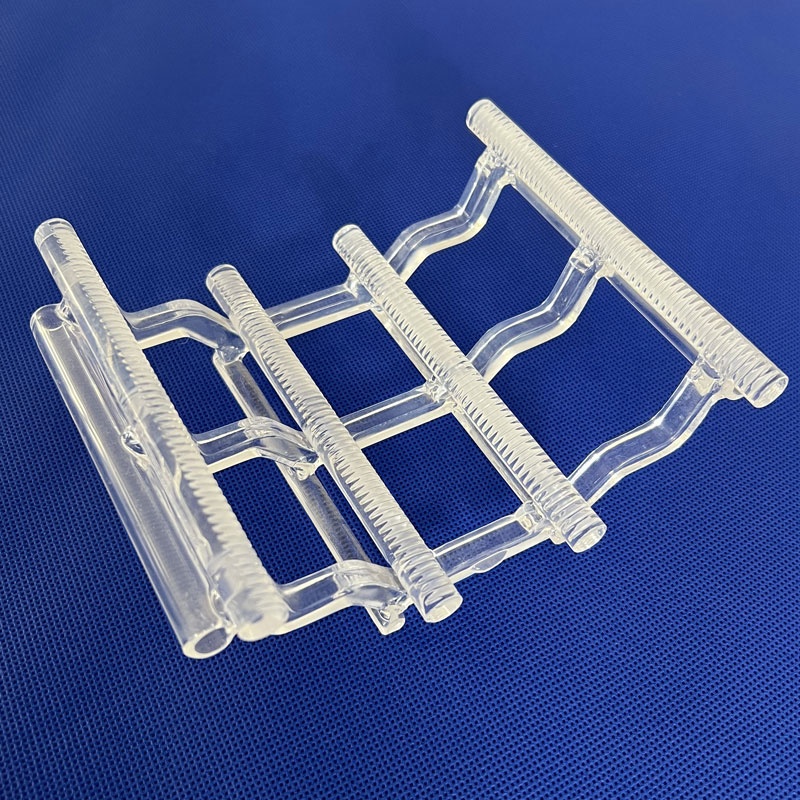
Custom Size High Temperature Fused Quartz Wafer Boat 99.99% Silica Content ROHS Certified Semiconductor Processing Carrier
- Continuous operation at 1150°C furnace temp
- Precision disc slots (2-inch to 8-inch)
- Seamless fusion welding without warping
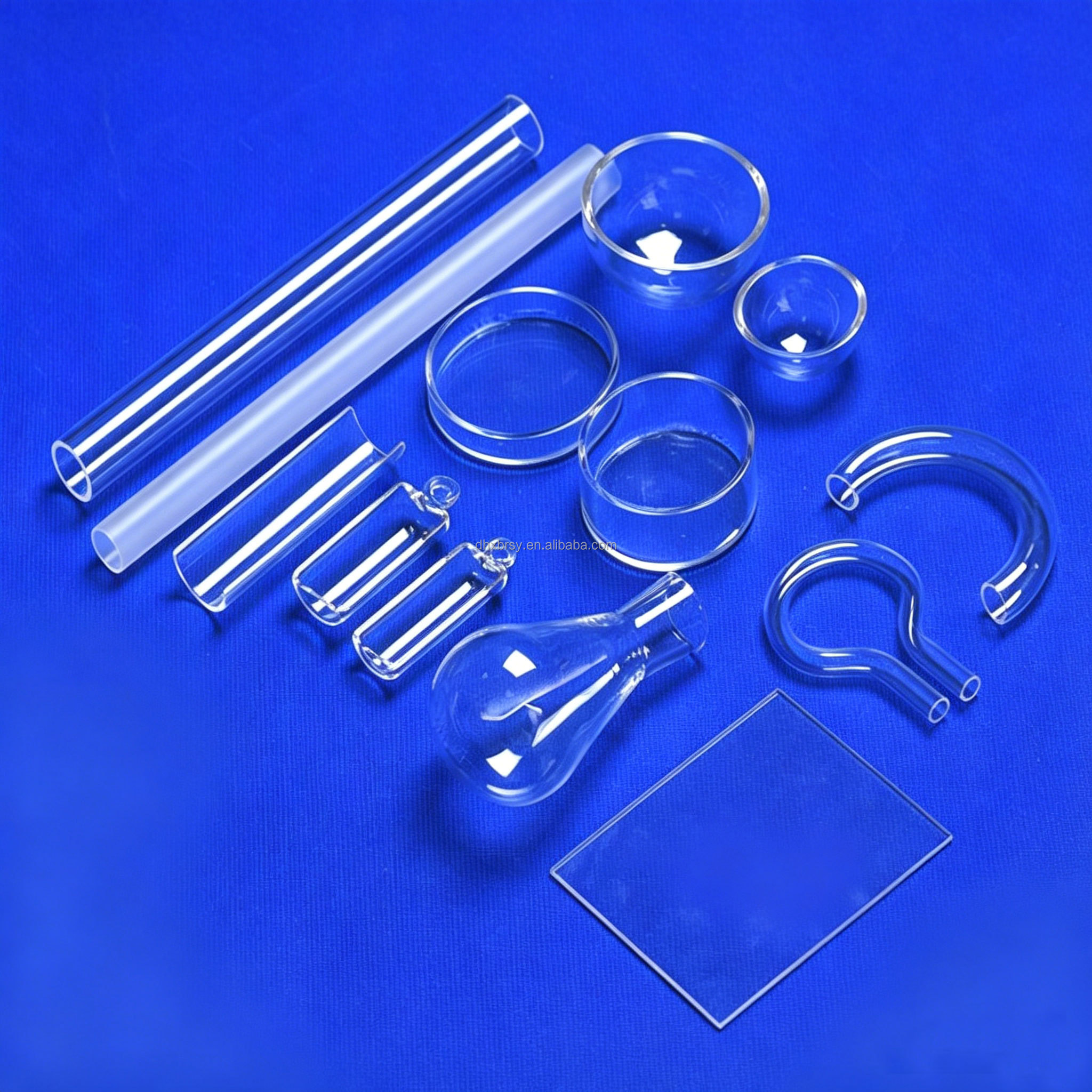
Custom Lab Quartz Glass Apparatus High Purity 99.99% Silica Content ROHS Certified Semiconductor Manufacturing OEM ODM
- Engineered to client STEP/CAD blueprints
- Standard taper ground joints & threaded ports
- Single unit prototyping to volume batches
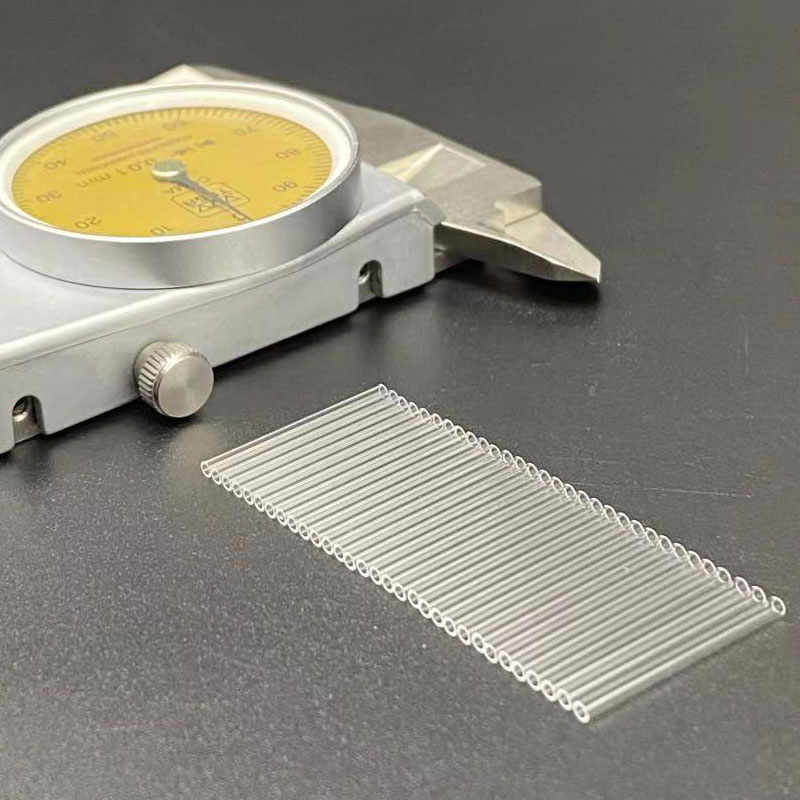
BAO RAN 419 Best Selling 0.1mm 0.2mm 0.3mm 0.4mm 0.5mm Quartz Sheet 99.99% Silica Content SiO2 ROHS Certified 200 Mesh for Laser
- Precision thickness control down to ±0.01mm
- Optical grade double-sided laser polish
- Ideal for biological microfluidic chips
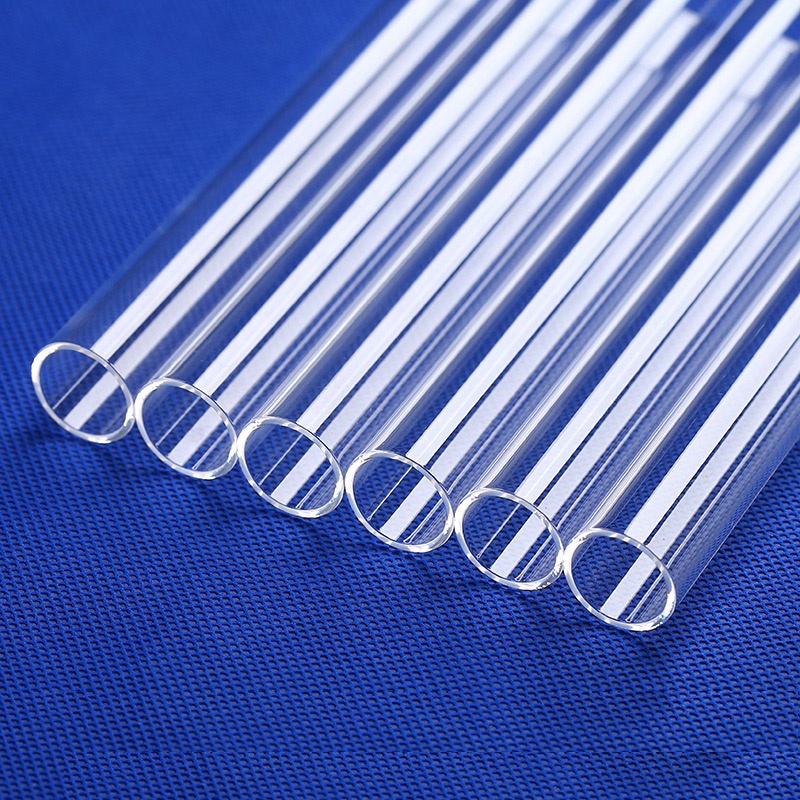
High Precision Clear Quartz Glass Tubing OD 10mm/14mm/20mm Heat Resistant Semiconductor Cleaning Pipeline Welding Bending
- Concentric extrusion with minimal wall taper
- Flame-polished ends ready for glass-blowing
- High vacuum and elevated pressure integrity
Advanced Quartz Apparatus Engineering for the Venice & Veneto Innovation Ecosystem
The Metropolitan City of Venice and the broader Veneto region represent one of Southern Europe’s most demanding technological and chemical research corridors. While Venice is renowned worldwide for its historic artisanal glass blowing on the island of Murano, modern industrial, environmental, and academic operations in Porto Marghera, the Vega Science & Technology Park, Ca’ Foscari University of Venice, and neighboring Padua require glassware of an entirely different physical caliber: optically pure, thermally invincible, and chemically inert Fused Silica (SiO₂) Quartz Apparatus.
Standard laboratory borosilicate glassware (such as Pyrex or 3.3 expansion glass) fundamentally fails when subjected to the aggressive operational envelopes found in contemporary Venetian research institutions. Borosilicate begins softening at approximately 520°C and softens dramatically above 820°C. In contrast, fused quartz apparatus engineered by Lovri Quartz Products Co., Ltd. operates continuously at 1100°C and easily endures cyclic short-term thermal excursions up to 1300°C, with a true softening threshold at 1730°C. For industrial petrochemical pilot reactors in Porto Marghera, micro-analytical environmental labs sampling lagoon sediment, and biopharmaceutical synthesis hubs along the Riviera del Brenta, custom OEM/ODM quartz apparatus is not merely a preference—it is a critical operational safeguard.
Localized Applications Across Venice & Veneto
From the industrial revitalizations of the Adriatic coast to high-tech academic incubators, our OEM/ODM quartz solutions solve four pivotal regional challenges.
Porto Marghera Petrochemical & Green Chemistry
Venice’s landmark industrial zone is undergoing an ambitious green-hydrogen and biochemical transition. Our custom quartz cracking tubes, catalyst evaluation reactors, and double-flanged CVD process tubes resist persistent exposure to boiling sulfuric, hydrochloric, and organic acids at sustained high reaction temperatures.
Lagoon Environmental & Marine Analytics
Assessing organic pollutants and heavy metal micro-particulates across the delicate Venetian Lagoon ecosystem requires ultra-trace analytical purity. Our high-purity transparent quartz digestion tubes deliver elemental blank values below 0.1 ppb, preventing sample contamination in ICP-MS and AAS assays.
Biopharma & Clinical Diagnostics
Veneto’s pharmaceutical labs rely on our JGS1 deep-UV transparent flow cells, 96-well microplates, and precision cuvettes for spectrofluorometric peptide mapping, nucleic acid quantification, and continuous photolytic disinfection without auto-fluorescent interference or optical drift.
Photonics, Laser Optics & Microelectronics
Supporting university physics departments and optical communication developers in Venice and Padua with micro-machined V-groove fiber array holders, triple-bore laser flow tubes, and ultra-thin fused silica window plates polished to laser-grade surface tolerances (20/10 scratch-dig).
Engineering Material Properties: Fused Quartz vs. Standard Laboratory Glass
For scientific apparatus procurement managers in Italy, specifying material purity and thermo-mechanical properties is essential to avoid catastrophic failure under extreme thermal gradients or reactive chemistries. The following benchmark values reflect the certified factory parameters of Lovri Fused Quartz:
| Physical / Chemical Property | Lovri High-Purity Fused Quartz | Standard Borosilicate 3.3 Glass | Technical Significance for Laboratory Use |
|---|---|---|---|
| SiO₂ Chemical Purity | ≥ 99.99% | ~80 - 81% (contains B₂O₃, Na₂O, Al₂O₃) | Guarantees zero chemical contamination in ultra-trace ICP-MS analysis. |
| Coefficient of Thermal Expansion (CTE) | 5.5 × 10⁻⁷ /°C (20°C - 320°C) | 33 × 10⁻⁷ /°C | Allows water quenching directly from 1100°C without mechanical cracking. |
| Max Continuous Service Temp | 1,100 °C | ~490 - 520 °C | Enables high-temperature tube-furnace calcination and CVD synthesis. |
| Max Short-Term Excursion Temp | 1,300 °C | ~580 °C (Softens at 820°C) | Prevents structural sagging during rapid exothermic flash reactions. |
| Optical Transmission Range (JGS1) | 185 nm – 2,500 nm (DUV to NIR) | ~310 nm – 2,200 nm (Cuts off UV) | Critical for photochemical reactions, UV sterilizers, and excimer lasers. |
| Dielectric Strength (20°C) | 25 - 40 kV/mm | ~10 - 15 kV/mm | Superior electrical isolation for high-voltage plasma apparatus and ozone cells. |
| Acid Resistance (except HF & Hot H₃PO₄) | Completely inert across all concentrations | Mildly attacked by alkaline solutions and boiling acids | Withstands concentrated aqua regia, boiling HNO₃, and boiling perchloric digestions. |
Strategic Procurement & Technological Trends in the Venice Market
Laboratory apparatus procurement across Northern Italy is experiencing a decisive structural shift driven by European regulatory frameworks, scientific specialization, and regional supply chain adjustments:
1. Strict EU REACH & RoHS Enforcement on Leachable Impurities: Italian analytical laboratories are bound by rigorous European safety directives. Standard glassware containing heavy metal stabilizing oxides or boron compounds introduces unacceptable risks of leaching during microwave acid digestion and pharmaceutical QC testing. Laboratory directors in Venice are systematically swapping older borosilicate distillation systems for certified 99.99% SiO₂ quartz apparatus with third-party RoHS compliance verification.
2. The Rise of Microfluidic Chemistry & Photoredox Synthesis: In academic research teams at Ca’ Foscari and regional bio-incubators, batch reactors are rapidly being replaced by continuous flow micro-reactors. Because synthetic photoredox catalysis requires maximum irradiation at precise UV wavelengths (e.g., 254 nm, 310 nm, 365 nm), deep-UV grade JGS1 quartz windows and micro-machined fused silica channels are indispensable for preventing photon loss and achieving repeatable catalytic yields.
3. Supply Chain Optimization and Factory-Direct OEM/ODM Engagement: Traditionally, Italian universities and chemical facilities procured quartz apparatus through multiple layers of domestic distributors, resulting in extended 12-to-16 week lead times and exorbitant markups for custom-drawn apparatus. Today, procurement officers in Venice are bypassing intermediaries to collaborate directly with verified source manufacturers capable of translating CAD blueprints into turnkey prototypes within days, backed by export-grade logistics directly to Venice Marco Polo Airport (VCE) or the Port of Venice.
Why Venice Laboratories Partner with Lovri Quartz
Combining raw silica purification at the world’s primary quartz hub with precision glass-working, CNC engineering, and rigorous European export compliance.
Complete Integrated Production
Operating our 14,271 m² SGS onsite-inspected facility in Lianyungang, Jiangsu, we control the entire 12-step manufacturing cycle: from natural quartz lump sizing, pulverizing, and ultrasonic acid pickling to tube extrusion, CNC micro-milling, flame sealing, and high-vacuum annealing.
Zero-Stress Annealing & Polarimetry
Residual structural stress is the hidden killer of quartz apparatus subjected to cycling furnace temperatures. Every Lovri tube, digestion vessel, and wafer boat undergoes continuous programmable annealing and is verified via polarization stress testers to ensure uniform structural integrity.
Engineered Export Packaging Protocol
Shipping delicate scientific glassware to the Venice archipelago and the Venetian lagoon requires specialized logistics. We wrap each component individually in custom EPE foam cushions, suspended inside rigid double-fluted export cartons and palletized wooden crates for secure air and ocean transit.
Frequently Asked Questions for Venice & Italian Buyers
Practical commercial, technical, and regulatory answers for chemical plant managers, academic principal investigators, and industrial procurement departments.
How do you fabricate custom apparatus from our engineering drawings?
Our engineering division directly ingests CAD files in STEP, IGES, DWG, and PDF formats. Whether you require custom standard taper joints (e.g., NS 14/23, 29/32), GL-threaded quartz connectors, multi-port distillation heads, or bespoke reaction tubes, our team verifies manufacturability, tolerance limits (±0.05 mm standard, ±0.01 mm precision), and provides full shop approval drawings prior to production.
What is your Minimum Order Quantity (MOQ) for prototypes?
We understand that university laboratories in Venice and research teams at Porto Marghera frequently require experimental apparatus for pilot-scale trials. We offer a low MOQ starting at just 1 to 5 pieces for customized quartz glassware. Once your design is validated, we easily scale to batch production runs of hundreds or thousands of units with volume-discounted tiered pricing.
Which optical quartz grade should we specify: JGS1, JGS2, or JGS3?
For applications involving deep-UV spectroscopy, UV disinfection reactors, or excimer laser transmission (185–2500 nm), JGS1 synthetic fused silica is required due to its lack of bubble inclusion and deep UV clarity. JGS2 is standard fused quartz, ideal for sight glasses, UV lamps, and general lab reaction chambers (220–2500 nm). JGS3 is electrically melted quartz optimized for near-to-mid infrared applications (transmitting up to 3500 nm) with virtually no OH absorption bands.
Can fused quartz apparatus tolerate extreme thermal shocks?
Yes. Fused quartz features an exceptionally tiny linear coefficient of thermal expansion (α = 5.5 × 10⁻⁷ /°C), which is roughly one-sixth that of standard borosilicate glass. A Lovri quartz crucible, combustion boat, or tube heated to 1100°C can be plunged directly into ambient ice water without fracturing, making it ideal for aggressive calcination and thermal decomposition experiments.
How do you handle shipping, customs clearance, and delivery to Venice?
We provide full DDP (Delivered Duty Paid), DAP, and CIF shipping options directly to the Veneto region. High-priority prototypes are dispatched via DHL/FedEx Express directly to Venice Marco Polo Airport (VCE) with transit times of 4–6 business days. Commercial bulk shipments are palletized for ocean freight entering the Port of Venice (Porto Marghera) or Genoa. All shipments include complete commercial invoices, packing lists, CE declarations, and RoHS raw material certificates for seamless Italian customs clearance.
What is the chemical resistance of your apparatus to strong acids and bases?
Lovri fused quartz is chemically inert to all industrial and laboratory acids—including boiling aqua regia, nitric acid, concentrated sulfuric acid, and hydrochloric acid—at both ambient and elevated operating temperatures. The only chemical compounds that etch or attack fused quartz are hydrofluoric acid (HF) and concentrated phosphoric acid (H₃PO₄) above 150°C. For prolonged exposure to strong caustic alkaline solutions (pH > 11), specialized operating protocols or lower operating temperatures are recommended.
Accelerate Your Laboratory Project with Factory-Direct Engineering
Whether you require standard JGS1 quartz sheets, specialized digestion tubes for Venetian lagoon ecological analytics, or a custom-welded CVD reactor assembly, our engineering team in Lianyungang is ready to review your blueprints and deliver a prompt, detailed proposal.